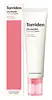
This anti-aging moisturizer is formulated around Collagen Extract and Niacinamide to soften the look of wrinkles and hydrate skin.
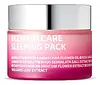
This brightening night moisturizer is formulated around Arbutin and Houttuynia Cordata Extract to fade the look of dark spots and calm redness.

What's inside
What's inside
 Key Ingredients
Benefits
Concerns
Ingredients Side-by-side
Water
Skin ConditioningButylene Glycol
Humectant

Glycerin
Humectant
Collagen Extract
Skin Conditioning
Caprylic/Capric Triglyceride
Masking
Niacinamide
Smoothing








1,2-Hexanediol
Skin Conditioning
Cetearyl Olivate


Cetyl Ethylhexanoate
EmollientSoluble Collagen
Humectant
Hydrolyzed Collagen
Emollient
Collagen Amino Acids
Moisturising
Collagen
Moisturising
Hexapeptide-2
Bleaching
Panthenol
Skin Conditioning
Allantoin
Skin Conditioning
Hydrolyzed Hyaluronic Acid
Humectant
Sodium Hyaluronate
Humectant
Hydroxyethyl Acrylate/Sodium Acryloyldimethyl Taurate Copolymer
Emulsion StabilisingSodium Hyaluronate Crosspolymer
Humectant
Potassium Hyaluronate
Skin ConditioningHydroxypropyltrimonium Hyaluronate
Hyaluronic Acid
Humectant
Sodium Acetylated Hyaluronate
Humectant
Heptyl Undecylenate
EmollientGlyceryl Stearate
Emollient
C10-18 Triglycerides
Emollient
Acrylates/C10-30 Alkyl Acrylate Crosspolymer
Emulsion StabilisingValine
MaskingThreonine
Proline
Skin Conditioning
Isoleucine
Skin ConditioningHistidine
Humectant
Methionine
Skin ConditioningCysteine
Antioxidant
Biotin
AntiseborrhoeicPentylene Glycol
Skin Conditioning
Glycine
Buffering
Serine
Masking
Glutamic Acid
Humectant
Aspartic Acid
Masking
Leucine
Skin ConditioningAlanine
Masking
Lysine
Skin ConditioningArginine
Masking
Tyrosine
MaskingPhenylalanine
Masking
Adenosine
Skin Conditioning
Sorbitan Olivate
Emulsifying
Sorbitan Isostearate
Emulsifying
Cetearyl Alcohol
Emollient



Vinyldimethicone

Tromethamine
BufferingGlyceryl Acrylate/Acrylic Acid Copolymer
HumectantPvm/Ma Copolymer
Emulsion StabilisingXanthan Gum
EmulsifyingDisodium EDTA
ChelatingEthylhexylglycerin
Skin ConditioningWater, Butylene Glycol, Glycerin, Collagen Extract, Caprylic/Capric Triglyceride, Niacinamide, 1,2-Hexanediol, Cetearyl Olivate, Cetyl Ethylhexanoate, Soluble Collagen, Hydrolyzed Collagen, Collagen Amino Acids, Collagen, Hexapeptide-2, Panthenol, Allantoin, Hydrolyzed Hyaluronic Acid, Sodium Hyaluronate, Hydroxyethyl Acrylate/Sodium Acryloyldimethyl Taurate Copolymer, Sodium Hyaluronate Crosspolymer, Potassium Hyaluronate, Hydroxypropyltrimonium Hyaluronate, Hyaluronic Acid, Sodium Acetylated Hyaluronate, Heptyl Undecylenate, Glyceryl Stearate, C10-18 Triglycerides, Acrylates/C10-30 Alkyl Acrylate Crosspolymer, Valine, Threonine, Proline, Isoleucine, Histidine, Methionine, Cysteine, Biotin, Pentylene Glycol, Glycine, Serine, Glutamic Acid, Aspartic Acid, Leucine, Alanine, Lysine, Arginine, Tyrosine, Phenylalanine, Adenosine, Sorbitan Olivate, Sorbitan Isostearate, Cetearyl Alcohol, Vinyldimethicone, Tromethamine, Glyceryl Acrylate/Acrylic Acid Copolymer, Pvm/Ma Copolymer, Xanthan Gum, Disodium EDTA, Ethylhexylglycerin
Water
Skin ConditioningGlycerin
Humectant
Cetyl Ethylhexanoate
EmollientCaprylic/Capric Triglyceride
Masking
Glyceryl Stearate
Emollient
Arbutin
Antioxidant
Cetearyl Alcohol
Emollient
Macadamia Ternifolia Seed Oil
Emollient
Trehalose
Humectant
Betaine
Humectant
Pentaerythrityl Tetraisostearate
Emollient
Stearic Acid
Cleansing
Olea Europaea Fruit Oil
Masking
Arachidyl Alcohol
Emollient
Behenyl Alcohol
Emollient
Arachidyl Glucoside
EmulsifyingSorbitan Stearate
Emulsifying
Butyrospermum Parkii Butter
Skin Conditioning
Salix Nigra Bark Extract
Skin ProtectingRosa Damascena Flower Oil
Masking


Houttuynia Cordata Extract
Skin Conditioning
Rhus Semialata Gall Extract
Skin ConditioningOlea Europaea Leaf Extract
Perfuming
Chrysanthemum Indicum Flower Extract
Skin Conditioning
Sophora Japonica Bud Extract
Skin ProtectingPrunella Vulgaris Leaf Extract
Skin ConditioningAllantoin
Skin Conditioning
Xanthan Gum
EmulsifyingRosa Damascena Flower Water
Masking
Castanea Crenata Shell Extract
Skin ConditioningSalix Alba Bark Extract
Astringent
Centella Asiatica Extract
Cleansing
Arginine
Masking
Rosmarinus Officinalis Extract
AntimicrobialMelaleuca Viridiflora Leaf Oil
Skin Conditioning
Chamomilla Recutita Flower/Leaf Extract
AntimicrobialCarbomer
Emulsion StabilisingScutellaria Baicalensis Root Extract
Astringent
Paeonia Suffruticosa Root Extract
Skin ProtectingGlycyrrhiza Glabra Root Extract
Bleaching
Water, Glycerin, Cetyl Ethylhexanoate, Caprylic/Capric Triglyceride, Glyceryl Stearate, Arbutin, Cetearyl Alcohol, Macadamia Ternifolia Seed Oil, Trehalose, Betaine, Pentaerythrityl Tetraisostearate, Stearic Acid, Olea Europaea Fruit Oil, Arachidyl Alcohol, Behenyl Alcohol, Arachidyl Glucoside, Sorbitan Stearate, Butyrospermum Parkii Butter, Salix Nigra Bark Extract, Rosa Damascena Flower Oil, Houttuynia Cordata Extract, Rhus Semialata Gall Extract, Olea Europaea Leaf Extract, Chrysanthemum Indicum Flower Extract, Sophora Japonica Bud Extract, Prunella Vulgaris Leaf Extract, Allantoin, Xanthan Gum, Rosa Damascena Flower Water, Castanea Crenata Shell Extract, Salix Alba Bark Extract, Centella Asiatica Extract, Arginine, Rosmarinus Officinalis Extract, Melaleuca Viridiflora Leaf Oil, Chamomilla Recutita Flower/Leaf Extract, Carbomer, Scutellaria Baicalensis Root Extract, Paeonia Suffruticosa Root Extract, Glycyrrhiza Glabra Root Extract
Reviews
Ingredients Explained
These ingredients are found in both products.
Ingredients higher up in an ingredient list are typically present in a larger amount.
Allantoin is a soothing ingredient known for its protective and moisturizing properties; it's basically a quiet workhorse ingredient you can find in a huge range of cosmetics.
Though it can be derived from the comfrey plant, allantoin is produced synthetically for cosmetic products to ensure purity.
Research shows it can encourage your skin cells to turn over and renew by stimulating keratinocyte and fibroblast proliferation.
It also has mild keratolytic properties to help loosen and shed dead skin cells without being harsh.
Studies also suggest allantoin can help calm inflammation by dialing down some of the chemical signals your skin sends out when it is irritated.
This ingredient is typically used in the 0.1-0.5% range, and the FDA recognizes it as a skin protectant in OTC products up to 2%.
Overall, allantoin is a wonderful addition to most routines; it is stable across a wide pH range (~4-8), works well with other ingredients, and is considered non-sensitizing/non-irritating.
Fun fact: Allantoin is naturally occurring in comfrey root, beets, chamomile, and wheat sprouts. Our bodies even produce it as a byproduct of uric acid metabolism.
Learn more about AllantoinArginine is a semi-essential amino acid. This just means our bodies can product a bit on its own, but sometimes needs a little boost from food sources.
It is a part of your skin's natural moisturizing factor (NMF), or the water-loving molecules in your outermost layer of skin (stratum corneum) that keeps everything hydrated and happy.
Here's an interesting thing about Arginine: your skin converts it into urea through the Krebs-Henseleit urea cycle. Urea is one of the most effective humectants your skin naturally produces.
A clinical study showed applying 2.5% arginine hydrochloride to atopic dermatitis skin showed significant urea levels in the stratum corneum and improved moisture in just four weeks.
Arginine is also a precursor to nitric oxide; nitric oxide improves microcirculation and supports wound healing and collagen synthesis.
One study found that an amino acid complex containing Arginine reduced skin irritation, improved hydration, and accelerated skin repair in clinical / in-vivo studies.
Arginine itself is an amino acid and not a fatty acid, oil, or ester. On its own, it's not a direct food source for Malassezia, or the yeast that causes fungal acne.
Learn more about ArginineCaprylic/Capric Triglyceride (aka MCT Oil) is a lightweight emollient, solvent, and texture enhancer. It is considered a skin-softener by helping to prevent moisture loss.
Though it behaves like an oil, it is not technically one due to its chemical composition. One perk of this ingredient is that it is very stable, resistant to oxidation, and unlikely to go rancid.
In practice, that translates to a long shelf life and a consistently elegant skin feel.
While there is an assumption Caprylic Triglyceride can clog pores due to it being derived from coconut oil, there is no research supporting this. Just patch test if you have concerns.
Fractionated coconut oil and MCT Oil are both listed as Caprylic/Capric Triglyceride according to INCI. This is because INCI names are based on the ingredient’s final chemical composition and not its marketing name or source.
This ingredient is treated as the gold standard fungal acne safe oil. Even though it is coconut derived, the problematic lauric acid is stripped out.
This leaves just caprylic (C8) and capric (C10) acid. These chain lengths actually trend antifungal; a 2020 study found caprylic acid was enough to disrupt Malassezia furfur cell membrane, with a caprylic acid derivative damaging membrane structures at concentrations as low as 0.2%.
Learn more about Caprylic/Capric TriglycerideCetearyl alcohol is a waxy mixture of two fatty alcohols: cetyl alcohol and stearyl alcohol. It is an emollient and emulsifier.
Despite having "alcohol" in its name, it has nothing to do with drying solvent alcohols; the FDA also allows "alcohol-free" products to contain fatty alcohols like this ingredient.
It plays several roles in a formula:
Typical use levels for this ingredient sit around 1-10% and the Cosmetic Ingredient Review Expert Panel has affirmed safety at concentrations up to 25% in leave-on products.
Multiple assessments have found it to be non-irritating and non-sensitizing to most people.
However, there have been some cases of allergic contact dermatitis in patients with chronically compromised skin barriers.
Cetearyl alcohol has a comedogenic rating of 2 and irritancy rating of 1. Both of these numbers come from the 1989 study that used rabbit ears; a "2" means mildly comedogenic and a "1" means low irritancy.
Here's the catch: rabbit skin is more sensitive than human skin and throws a lot of false positives. A 1996 reappraisal found that ingredients rated 1-2 in the rabbit ear tests are generally safe for humans.
Remember comedogenic ratings are unable to assess the entire formula of a product or how it will react on your skin. Just be sure to patch test if you are unsure about certain ingredients.
This ingredient is not fungal acne safe. Cetearyl alcohol is a fatty alcohol with chain lengths that fall within the range that Malassezia can metabolize.
A 2019 study has also observed Malassezia growth in the presence of this ingredient, confirming it to be not-fungal acne safe.
Learn more about Cetearyl AlcoholCetyl Ethylhexanoate is an emollient ester. It comes from cetearyl alcohol and 2-ethylhexanoic acid.
Cetyl Ethylhexanoate is an emollient that adds a velvety feel to skin without being greasy or oily. Emollients help trap moisture into your skin, keeping your skin soft and hydrated.
Glycerin (or glycerol) is a compound naturally found in your skin. It's a powerhouse humectant that pulls water into the stratum corneum.
Topically, glycerin does several things at once:
Your skin makes glycerin on its own (mostly from sebaceous oil breakdown) and shuttles it to your outermost layer of skin, or your epidermis, via aquaporin-3.
Aquaporin-3 is a transporter that is essential for normal skin hydration, elasticity, and repair. Interestingly, mice lacking in AQP3 have dry and less elastic skin that can be fully corrected with glycerin.
This ingredient is non-irritating, plays well with almost every ingredient, and works across all skin types. Typical use is anywhere between 3-10% but can go up to 79% in some leave-on products.
Just know very high concentrations (>40%) can feel tacky in low humidity.
Glycerin is the name for this ingredient in American English. British English uses Glycerol/Glycerine.
Learn more about GlycerinGlyceryl Stearate is made by reacting glycerin with stearic acid (typically sourced from plant oils like palm or coconut). It's an emulsifier, emollient, and mild occlusive.
Emulsifiers help ingredients like oil and water stay mixed so your formula stays nicely blended and uniform in texture.
This ingredient is typically used in concentrations between 1-10%. Studies have found it to be non-sensitizing, non-phototoxic, and non-photoallergenic.
A close cousin of this ingredient is Glyceryl Stearate SE ("self-emulsifying"). This just has a small amount of sodium or potassium stearate added so it can emulsify without a co-emulsifier.
Since this ingredient is an ester of a C18 fatty acid, it may not be fungal acne safe. The Malassezia yeast can potentially metabolize within the C11-C24 range.
Fun fact: The human body also creates Glyceryl Stearate naturally.
Learn more about Glyceryl StearateWater. It's the most common cosmetic ingredient of all. You'll usually see it at the top of ingredient lists, meaning that it makes up the largest part of the product.
So why is it so popular? Water most often acts as a solvent - this means that it helps dissolve other ingredients into the formulation.
You'll also recognize water as that liquid we all need to stay alive. If you see this, drink a glass of water. Remember to stay hydrated!
Learn more about WaterXanthan gum is used as a stabilizer and thickener within cosmetic products. It helps give products a sticky, thick feeling - preventing them from being too runny.
On the technical side of things, xanthan gum is a polysaccharide - a combination consisting of multiple sugar molecules bonded together.
Xanthan gum is a pretty common and great ingredient. It is a natural, non-toxic, non-irritating ingredient that is also commonly used in food products.
Learn more about Xanthan Gum

