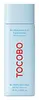
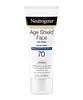
Tocobo Bio Watery Sun Cream SPF50+ PA++++ Versus Neutrogena Age Shield Face Oil-Free Sunscreen SPF 70
This chemical sunscreen covers the full UV range and blocks ~98% of UVB at SPF 50.
This chemical sunscreen covers most of the UV range, lighter on the deep UVA that drives aging, though its SPF isn't confirmed on file yet.


What's inside
What's inside
 Key Ingredients
Benefits
Concerns
Ingredients Side-by-side
Water
Skin ConditioningDibutyl Adipate
EmollientPropanediol
Solvent

Ethylhexyl Triazone
UV Absorber
Terephthalylidene Dicamphor Sulfonic Acid
UV Absorber
Polyglyceryl-3 Distearate
Emulsifying

Niacinamide
Smoothing










Tromethamine
BufferingCetearyl Alcohol
Emollient




1,2-Hexanediol
Skin Conditioning
Diethylamino Hydroxybenzoyl Hexyl Benzoate
UV Filter
Pentylene Glycol
Skin Conditioning
Polysilicone-15
UV Filter
Vigna Radiata Seed Extract
Skin ConditioningGossypium Herbaceum Extract
Skin ConditioningSophora Flavescens Root Extract
Antioxidant
Rheum Palmatum Root/Stalk Extract
AstringentScutellaria Baicalensis Root Extract
Astringent
Phellodendron Amurense Bark Extract
Skin ConditioningOenothera Biennis Flower Extract
AstringentUlmus Davidiana Root Extract
Skin Conditioning
Pinus Palustris Leaf Extract
TonicPueraria Lobata Root Extract
HumectantSodium Hyaluronate
Humectant
Gossypium Herbaceum Seed Oil
Skin Conditioning
Polymethylsilsesquioxane
Sodium Polyacryloyldimethyl Taurate
Emulsion StabilisingGlyceryl Stearate
Emollient
Bis-Ethylhexyloxyphenol Methoxyphenyl Triazine
UV Absorber
Potassium Cetyl Phosphate
EmulsifyingGlycerin
Humectant
Glyceryl Stearate Citrate
Emollient
Inulin Lauryl Carbamate
Emulsion StabilisingAmmonium Acryloyldimethyltaurate/Vp Copolymer
Ethylhexylglycerin
Skin ConditioningAdenosine
Skin Conditioning
Butylene Glycol
Humectant
Tocopherol
Antioxidant
Parfum
Masking


Water, Dibutyl Adipate, Propanediol, Ethylhexyl Triazone, Terephthalylidene Dicamphor Sulfonic Acid, Polyglyceryl-3 Distearate, Niacinamide, Tromethamine, Cetearyl Alcohol, 1,2-Hexanediol, Diethylamino Hydroxybenzoyl Hexyl Benzoate, Pentylene Glycol, Polysilicone-15, Vigna Radiata Seed Extract, Gossypium Herbaceum Extract, Sophora Flavescens Root Extract, Rheum Palmatum Root/Stalk Extract, Scutellaria Baicalensis Root Extract, Phellodendron Amurense Bark Extract, Oenothera Biennis Flower Extract, Ulmus Davidiana Root Extract, Pinus Palustris Leaf Extract, Pueraria Lobata Root Extract, Sodium Hyaluronate, Gossypium Herbaceum Seed Oil, Polymethylsilsesquioxane, Sodium Polyacryloyldimethyl Taurate, Glyceryl Stearate, Bis-Ethylhexyloxyphenol Methoxyphenyl Triazine, Potassium Cetyl Phosphate, Glycerin, Glyceryl Stearate Citrate, Inulin Lauryl Carbamate, Ammonium Acryloyldimethyltaurate/Vp Copolymer, Ethylhexylglycerin, Adenosine, Butylene Glycol, Tocopherol, Parfum
Butyl Methoxydibenzoylmethane 3%
UV Absorber
Homosalate 15%
Skin Conditioning
Ethylhexyl Salicylate 5%
UV Absorber
Octocrylene 10%
UV Absorber
Water
Skin ConditioningButyloctyl Salicylate
Skin Conditioning
Styrene/Acrylates Copolymer
Silica
Abrasive
Dimethicone
Emollient
Potassium Cetyl Phosphate
EmulsifyingBenzyl Alcohol
Perfuming


Beeswax
Emulsion Stabilising
Caprylyl Methicone
Skin Conditioning
Glyceryl Stearate
Emollient
PEG-100 Stearate
Surfactant
Cetyl Dimethicone
Emollient
Caprylyl Glycol
Emollient
Ethylhexylglycerin
Skin ConditioningAluminum Starch Octenylsuccinate
Absorbent
Behenyl Alcohol
Emollient
Acrylates/Dimethicone Copolymer
Skin Conditioning
Xanthan Gum
EmulsifyingChlorphenesin
Antimicrobial
Dimethicone/PEG-10/15 Crosspolymer
Sodium Polyacrylate
Absorbent
Hydrolyzed Jojoba Esters
Skin Conditioning
Chrysanthemum Parthenium Flower/Leaf/Stem Juice
Antioxidant
Parfum
Masking
Disodium EDTA
Ethylhexyl Stearate
Emollient
Glycine Soja Seed Extract
Skin Conditioning
Tocopheryl Acetate
Antioxidant
BHT
Antioxidant
Jojoba Esters
Emollient
Trideceth-6
EmulsifyingButyl Methoxydibenzoylmethane 3%, Homosalate 15%, Ethylhexyl Salicylate 5%, Octocrylene 10%, Water, Butyloctyl Salicylate, Styrene/Acrylates Copolymer, Silica, Dimethicone, Potassium Cetyl Phosphate, Benzyl Alcohol, Beeswax, Caprylyl Methicone, Glyceryl Stearate, PEG-100 Stearate, Cetyl Dimethicone, Caprylyl Glycol, Ethylhexylglycerin, Aluminum Starch Octenylsuccinate, Behenyl Alcohol, Acrylates/Dimethicone Copolymer, Xanthan Gum, Chlorphenesin, Dimethicone/PEG-10/15 Crosspolymer, Sodium Polyacrylate, Hydrolyzed Jojoba Esters, Chrysanthemum Parthenium Flower/Leaf/Stem Juice, Parfum, Disodium EDTA, Ethylhexyl Stearate, Glycine Soja Seed Extract, Tocopheryl Acetate, BHT, Jojoba Esters, Trideceth-6
Reviews
Ingredients Explained
These ingredients are found in both products.
Ingredients higher up in an ingredient list are typically present in a larger amount.
Ethylhexylglycerin is created from glycerin. It is a multitasker ingredient that:
The CIR Expert Panel found minimal skin absorption or sensitization of any kind in a safety assessment. Though this ingredient is considered well-tolerated, a small number of cases of allergic dermatitis have been published since 2002. Just be sure to patch test if you are unsure.
Industry-reported use ranges from 8% in rinse-off products and 2% in leave-on formulations.
Learn more about EthylhexylglycerinGlyceryl Stearate is made by reacting glycerin with stearic acid (typically sourced from plant oils like palm or coconut). It's an emulsifier, emollient, and mild occlusive.
Emulsifiers help ingredients like oil and water stay mixed so your formula stays nicely blended and uniform in texture.
This ingredient is typically used in concentrations between 1-10%. Studies have found it to be non-sensitizing, non-phototoxic, and non-photoallergenic.
A close cousin of this ingredient is Glyceryl Stearate SE ("self-emulsifying"). This just has a small amount of sodium or potassium stearate added so it can emulsify without a co-emulsifier.
Since this ingredient is an ester of a C18 fatty acid, it may not be fungal acne safe. The Malassezia yeast can potentially metabolize within the C11-C24 range.
Fun fact: The human body also creates Glyceryl Stearate naturally.
Learn more about Glyceryl StearateParfum is a catch-all term for an ingredient or more that is used to give a scent to products.
Also called "fragrance", this ingredient can be a blend of hundreds of chemicals or plant oils. This means every product with "fragrance" or "parfum" in the ingredients list is a different mixture.
For instance, Habanolide is a proprietary trade name for a specific aroma chemical. When used as a fragrance ingredient in cosmetics, most aroma chemicals fall under the broad labeling category of “FRAGRANCE” or “PARFUM” according to EU and US regulations.
The term 'parfum' or 'fragrance' is not regulated in many countries. In many cases, it is up to the brand to define this term.
For instance, many brands choose to label themselves as "fragrance-free" because they are not using synthetic fragrances. However, their products may still contain ingredients such as essential oils that are considered a fragrance by INCI standards.
One example is Calendula flower extract. Calendula is an essential oil that still imparts a scent or 'fragrance'.
Depending on the blend, the ingredients in the mixture can cause allergies and sensitivities on the skin. Some ingredients that are known EU allergens include linalool and citronellol.
Parfum can also be used to mask or cover an unpleasant scent.
The bottom line is: not all fragrances/parfum/ingredients are created equally. If you are worried about fragrances, we recommend taking a closer look at an ingredient. And of course, we always recommend speaking with a professional.
Learn more about ParfumPotassium Cetyl Phosphate is the potassium salt of a mixture. This mixture consists of the esters from phosphoricacid and cetyl alcohol.
Potassium Cetyl Phosphate is an emulsifier and cleansing agent. Emulsifiers help stabilize a product. It does this by preventing certain ingredients from separating.
As a cleansing agent, Potassium Cetyl Phosphate helps gather oils, dirts, and pollutants from your skin. This makes it easier to rinse them away with water.
Learn more about Potassium Cetyl PhosphateWater. It's the most common cosmetic ingredient of all. You'll usually see it at the top of ingredient lists, meaning that it makes up the largest part of the product.
So why is it so popular? Water most often acts as a solvent - this means that it helps dissolve other ingredients into the formulation.
You'll also recognize water as that liquid we all need to stay alive. If you see this, drink a glass of water. Remember to stay hydrated!
Learn more about Water

