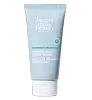
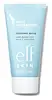
Thrive Causemetics Overnight Sensation Hydrating Sleep Mask Versus e.l.f. cosmetics Holy Hydration! Sleeping Mask
This hydrating overnight mask is formulated around Squalane and Panthenol to hydrate skin and strengthen the skin barrier.
This barrier-repair night moisturizer is formulated around Butyrospermum Parkii Butter and Palmitoyl Tripeptide-1 to strengthen the skin barrier and hydrate skin.

What's inside
What's inside
 Key Ingredients
Benefits
Concerns
Ingredients Side-by-side
Water
Skin ConditioningGlycerin
Humectant


Propanediol
Solvent
Butylene Glycol
Humectant
Squalane
Emollient
Sodium Acrylates Copolymer
Hydrogenated Polydecene
EmollientDimethicone
Emollient
Rosa Canina Seed Extract
EmollientGlycine Soja Seed Extract
Skin Conditioning

Panthenol
Skin Conditioning
Evodia Rutaecarpa Fruit Extract
Skin ConditioningAloe Barbadensis Leaf Extract
Emollient
Lactic Acid
Buffering







Lavandula Angustifolia Oil
Masking



Melatonin
Antioxidant
Sodium Hyaluronate
Humectant
Tetrahexyldecyl Ascorbate
Antioxidant
Tocopheryl Acetate
Antioxidant
Glycolic Acid
Buffering

Malic Acid
Buffering
Rosmarinus Officinalis Leaf Extract
AntimicrobialVaccinium Myrtillus Fruit Extract
Skin ConditioningAcer Saccharum Extract
Skin ConditioningCitrus Aurantium Dulcis Fruit Extract
MaskingCitrus Limon Fruit Extract
Masking
Saccharum Officinarum Extract
MoisturisingCitric Acid
Buffering
Citrus Aurantium Dulcis Peel Oil
Masking
Glycyrrhiza Glabra Root Extract
Bleaching
Menthone Glycerin Acetal
Refreshing
Lecithin
Emollient
Mica
Cosmetic ColorantPolyacrylate Crosspolymer-6
Emulsion StabilisingTartaric Acid
Buffering
Hydroxyacetophenone
Antioxidant
Ethylhexylglycerin
Skin ConditioningPhenoxyethanol
Preservative
Limonene
Perfuming
Linalool
Perfuming
CI 77891
Cosmetic ColorantWater, Glycerin, Propanediol, Butylene Glycol, Squalane, Sodium Acrylates Copolymer, Hydrogenated Polydecene, Dimethicone, Rosa Canina Seed Extract, Glycine Soja Seed Extract, Panthenol, Evodia Rutaecarpa Fruit Extract, Aloe Barbadensis Leaf Extract, Lactic Acid, Lavandula Angustifolia Oil, Melatonin, Sodium Hyaluronate, Tetrahexyldecyl Ascorbate, Tocopheryl Acetate, Glycolic Acid, Malic Acid, Rosmarinus Officinalis Leaf Extract, Vaccinium Myrtillus Fruit Extract, Acer Saccharum Extract, Citrus Aurantium Dulcis Fruit Extract, Citrus Limon Fruit Extract, Saccharum Officinarum Extract, Citric Acid, Citrus Aurantium Dulcis Peel Oil, Glycyrrhiza Glabra Root Extract, Menthone Glycerin Acetal, Lecithin, Mica, Polyacrylate Crosspolymer-6, Tartaric Acid, Hydroxyacetophenone, Ethylhexylglycerin, Phenoxyethanol, Limonene, Linalool, CI 77891
Water
Skin ConditioningGlycerin
Humectant
Cetyl Ethylhexanoate
EmollientCaprylic/Capric Triglyceride
Masking
Butyrospermum Parkii Butter
Skin Conditioning


Dimethicone
Emollient
Cetearyl Alcohol
Emollient
Glyceryl Stearate
Emollient
PEG-100 Stearate
Surfactant
PEG-8
HumectantGlycereth-26
Humectant
Trehalose
Humectant
Palmitoyl Tripeptide-1
Skin Conditioning
Palmitoyl Tetrapeptide-7
Skin Conditioning
Ceramide NP
Skin Conditioning
Ceramide AP
Skin Conditioning
Ceramide EOP
Skin Conditioning
Soluble Collagen
Humectant
Sodium Hyaluronate
Humectant
Phytosphingosine
Skin Conditioning
Helianthus Annuus Seed Oil
Emollient
Tocopherol
Antioxidant
Cholesterol
Emollient
Butylene Glycol
Humectant
1,2-Hexanediol
Skin Conditioning
Sorbitan Stearate
Emulsifying
Polysorbate 20
Emulsifying
Sodium Lauroyl Lactylate
EmulsifyingXanthan Gum
EmulsifyingAcrylates/C10-30 Alkyl Acrylate Crosspolymer
Emulsion StabilisingCarbomer
Emulsion StabilisingPhenoxyethanol
Preservative
Caprylyl Glycol
Emollient
Ethylhexylglycerin
Skin ConditioningParfum
Masking
Geraniol
Perfuming
Linalool
Perfuming
Disodium EDTA
ChelatingTromethamine
BufferingWater, Glycerin, Cetyl Ethylhexanoate, Caprylic/Capric Triglyceride, Butyrospermum Parkii Butter, Dimethicone, Cetearyl Alcohol, Glyceryl Stearate, PEG-100 Stearate, PEG-8, Glycereth-26, Trehalose, Palmitoyl Tripeptide-1, Palmitoyl Tetrapeptide-7, Ceramide NP, Ceramide AP, Ceramide EOP, Soluble Collagen, Sodium Hyaluronate, Phytosphingosine, Helianthus Annuus Seed Oil, Tocopherol, Cholesterol, Butylene Glycol, 1,2-Hexanediol, Sorbitan Stearate, Polysorbate 20, Sodium Lauroyl Lactylate, Xanthan Gum, Acrylates/C10-30 Alkyl Acrylate Crosspolymer, Carbomer, Phenoxyethanol, Caprylyl Glycol, Ethylhexylglycerin, Parfum, Geraniol, Linalool, Disodium EDTA, Tromethamine
Reviews
Ingredients Explained
These ingredients are found in both products.
Ingredients higher up in an ingredient list are typically present in a larger amount.
Butylene Glycol (or BG) is used within cosmetic products for a few different reasons:
Overall, Butylene Glycol is a safe and well-rounded ingredient that works well with other ingredients.
Though this ingredient works well with most skin types, some people with sensitive skin may experience a reaction such as allergic rashes, closed comedones, or itchiness.
Learn more about Butylene GlycolDimethicone is a type of synthetic silicone created from natural materials such as quartz. It is also known as polydimethylsiloxane.
What it does:
Dimethicone comes in different viscosities:
Depending on the viscosity, dimethicone has different properties.
Ingredients lists don't always show which type is used, so we recommend reaching out to the brand if you have questions about the viscosity.
This ingredient is unlikely to cause irritation because it does not get absorbed into skin. However, people with silicone allergies should be careful about using this ingredient.
Note: Dimethicone may contribute to pilling. This is because it is not oil or water soluble, so pilling may occur when layered with products. When mixed with heavy oils in a formula, the outcome is also quite greasy.
Learn more about DimethiconeEthylhexylglycerin is created from glycerin. It is a multitasker ingredient that:
The CIR Expert Panel found minimal skin absorption or sensitization of any kind in a safety assessment. Though this ingredient is considered well-tolerated, a small number of cases of allergic dermatitis have been published since 2002. Just be sure to patch test if you are unsure.
Industry-reported use ranges from 8% in rinse-off products and 2% in leave-on formulations.
Learn more about EthylhexylglycerinGlycerin (or glycerol) is a compound naturally found in your skin. It's a powerhouse humectant that pulls water into the stratum corneum.
Topically, glycerin does several things at once:
Your skin makes glycerin on its own (mostly from sebaceous oil breakdown) and shuttles it to your outermost layer of skin, or your epidermis, via aquaporin-3.
Aquaporin-3 is a transporter that is essential for normal skin hydration, elasticity, and repair. Interestingly, mice lacking in AQP3 have dry and less elastic skin that can be fully corrected with glycerin.
This ingredient is non-irritating, plays well with almost every ingredient, and works across all skin types. Typical use is anywhere between 3-10% but can go up to 79% in some leave-on products.
Just know very high concentrations (>40%) can feel tacky in low humidity.
Glycerin is the name for this ingredient in American English. British English uses Glycerol/Glycerine.
Learn more about GlycerinLinalool is a small, naturally occurring scent molecule found in plants like lavender, coriander, bergamot, and more.
It is one of the two most-used fragrance ingredients in cosmetics and added purely for smell. Since it's not used for a skin benefit, there's no "effective dose". Concentration depends on the fragrance load of the product.
The EU requires it to be named on the label above 0.001% in leave-on and 0.01% in rinse-off products.
Fresh linalool is a weak sensitizer but air exposure turns some of it into hydroperoxides, which are strong sensitizers. Those oxidation products are the actual allergy concern.
Patch-test clinics see positive reactions to linalool hydroperoxides in about 4% to 12% of dermatitis patients depending on country and test concentration.
Resassuringly, one analytical study found hydroperoxide levels in real fragranced products to be orders of magnitude below what induced sensitization in animal studies with no evidence of oxidation building up during normal storage.
The practical takeaway is that linalool is fine for most people but worth avoiding if you have a confirmed fragrance contact allergy or a badly compromised barrier.
Products stored a long time after opening are also the high-risk scenario since that is when oxidation happens.
The scent of linalool is described as floral, spicy tropical, and citrus-like.
Learn more about LinaloolPhenoxyethanol is one of the most widely used preservatives in skincare (and for good reason!).
It has a large spectrum of antimicrobial activity and especially effective bacteria, yeast, and mold while only having a weak effect on your skin's natural microbiome.
On a cellular level, it disrupts the cell membranes of microbes by poking holes that make the cell leak. This shuts down the chemical reactions the microbe needs to make energy so it can no longer survive.
Another perk of this ingredient is that it stays functional across a wide pH range (3-10).
You'll often see it paired with boosters like Ethylhexylglycerin; one study showed that a 1:9 ratio of Ethylhexylglycerin to Phenoxyethanol damages bacterial membranes as effectively as doubling the Phenoxyethanol concentration on its own.
Typical use concentrations range from 0.3-1% depending on the formula, and this ingredient is capped at 1% int the EU.
Safety-wise, the fear mongering does not hold up to the evidence. The EU's Scientific Committee on Consumer Safety and FDA consider it safe as a preservative at up to 1%, including for children of all ages.
Adverse systemic effects only showed up in animal studies at exposures roughly 200x higher than what people get from cosmetics. And despite its very widespread use, this ingredient is a rare sensitizer and allergic reactions are uncommon.
Learn more about PhenoxyethanolSodium Hyaluronate is the salt form of hyaluronic acid. It is a long sugar chain that is naturally found in your skin, joints, and connective tissue that maintains hydration and elasticity.
In skincare, it works as a humectant. It pulls water from the environment and deeper layers of skin and binds it to the surface.
Interestingly, the size of the molecule affects its behavior:
Some clinical evidence links low molecular weight versions to improved wrinkle depth, elasticity, anti-inflammatory effects, and barrier repair.
Many serums use a blend of both weights so you can get surface hydration plus longer-lasting and deeper effects.
You'll typically see concentrations between 0.1-2% for this ingredient.
Learn more about Sodium HyaluronateWater. It's the most common cosmetic ingredient of all. You'll usually see it at the top of ingredient lists, meaning that it makes up the largest part of the product.
So why is it so popular? Water most often acts as a solvent - this means that it helps dissolve other ingredients into the formulation.
You'll also recognize water as that liquid we all need to stay alive. If you see this, drink a glass of water. Remember to stay hydrated!
Learn more about Water

