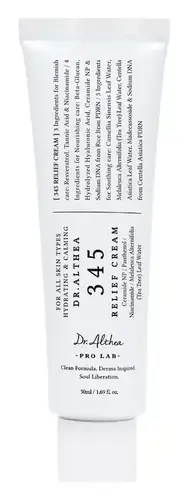
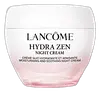
The Purest Solutions Hydration Booster Daily Moisturizing Cream Versus Lancôme Hydra Zen Moisturising And Soothing Night Cream
This barrier-repair moisturizer is formulated around Sodium Hyaluronate and Ceramide NP to strengthen the skin barrier and hydrate skin.
This calming night moisturizer is formulated around Butyrospermum Parkii Butter and Oryza Sativa Bran Oil to calm redness and hydrate skin.


What's inside
What's inside
 Key Ingredients
Benefits
Concerns
Ingredients Side-by-side
Water
Skin ConditioningGlycerin
Humectant


Glyceryl Stearate
Emollient

C12-15 Alkyl Benzoate
AntimicrobialCaprylic/Capric Triglyceride
Masking
Dimethicone
Emollient
Behenyl Alcohol
Emollient
PEG-100 Stearate
Surfactant
Cyclopentasiloxane
Emollient
Dimethiconol
Emollient
Butyrospermum Parkii Butter
Skin Conditioning


Sodium Acrylates Copolymer
Sodium Hyaluronate Crosspolymer
Humectant
Sodium Hyaluronate
Humectant

Sodium Acetylated Hyaluronate
Humectant
Hydrolyzed Sodium Hyaluronate
Skin Conditioning
Sodium PCA
Humectant
Cetearyl Alcohol
Emollient
Ribose
HumectantSaccharide Isomerate
Humectant
Hydrogenated Starch Hydrolysate
HumectantAscophyllum Nodosum Extract
Skin Conditioning
Asparagopsis Armata Extract
Skin Protecting
Erythritol
Humectant
Chondrus Crispus
Masking
Ceramide NP
Skin Conditioning
Squalane
Emollient
Phenethyl Alcohol
Masking1,2-Hexanediol
Skin Conditioning
Xanthan Gum
EmulsifyingBisabolol
Antioxidant
Sodium Citrate
BufferingPEG-7 Glyceryl Cocoate
Emulsifying
Niacinamide
Smoothing






Tocopheryl Acetate
Antioxidant
Lecithin
Emollient
Glycine Soja Sterols
Emollient
Parfum
Masking


Water, Glycerin, Glyceryl Stearate, C12-15 Alkyl Benzoate, Caprylic/Capric Triglyceride, Dimethicone, Behenyl Alcohol, PEG-100 Stearate, Cyclopentasiloxane, Dimethiconol, Butyrospermum Parkii Butter, Sodium Acrylates Copolymer, Sodium Hyaluronate Crosspolymer, Sodium Hyaluronate, Sodium Acetylated Hyaluronate, Hydrolyzed Sodium Hyaluronate, Sodium PCA, Cetearyl Alcohol, Ribose, Saccharide Isomerate, Hydrogenated Starch Hydrolysate, Ascophyllum Nodosum Extract, Asparagopsis Armata Extract, Erythritol, Chondrus Crispus, Ceramide NP, Squalane, Phenethyl Alcohol, 1,2-Hexanediol, Xanthan Gum, Bisabolol, Sodium Citrate, PEG-7 Glyceryl Cocoate, Niacinamide, Tocopheryl Acetate, Lecithin, Glycine Soja Sterols, Parfum
Water
Skin ConditioningGlycerin
Humectant
Propylene Glycol
Humectant
Butyrospermum Parkii Butter
Skin Conditioning
Dimethicone
Emollient
Oryza Sativa Bran Oil
Emollient
Silica
Abrasive
CI 14700
Cosmetic ColorantZea Mays Oil
Emulsifying
Lecithin
Emollient
Tocopherol
Antioxidant
Sodium Hyaluronate
Humectant
Sodium Hydroxide
BufferingHydroxypalmitoyl Sphinganine
Skin Conditioning
Phenoxyethanol
Preservative
Stearalkonium Hectorite
Gel FormingPaeonia Suffruticosa Extract
Skin ConditioningEugenol
Perfuming
Triticum Vulgare Germ Oil
Emollient
Triticum Vulgare Germ Extract
Skin ConditioningChlorphenesin
Antimicrobial
Polysorbate 20
Emulsifying
Polycaprolactone
StabilisingPoloxamer 188
EmulsifyingDimethiconol
Emollient
Ammonium Polyacryloyldimethyl Taurate
Emulsion StabilisingLimonene
Perfuming
Benzylalcohol Dha
Isohexadecane
EmollientPropylene Carbonate
Solvent2-Oleamido-1,3-Octadecanediol
Skin ConditioningAlpha-Isomethyl Ionone
Perfuming
Acrylamide
Acrylates/C10-30 Alkyl Acrylate Crosspolymer
Emulsion StabilisingCeramide NP
Skin Conditioning
Moringa Oleifera Seed Extract
Skin Conditioning
Sesamum Indicum Oil Unsaponifiables
Emollient
Disodium EDTA
ChelatingRosa Gallica Callus Extract
Antioxidant
Octyldodecanol
Emollient
Butylene Glycol
Humectant
Citronellol
Perfuming
Parfum
Masking
Water, Glycerin, Propylene Glycol, Butyrospermum Parkii Butter, Dimethicone, Oryza Sativa Bran Oil, Silica, CI 14700, Zea Mays Oil, Lecithin, Tocopherol, Sodium Hyaluronate, Sodium Hydroxide, Hydroxypalmitoyl Sphinganine, Phenoxyethanol, Stearalkonium Hectorite, Paeonia Suffruticosa Extract, Eugenol, Triticum Vulgare Germ Oil, Triticum Vulgare Germ Extract, Chlorphenesin, Polysorbate 20, Polycaprolactone, Poloxamer 188, Dimethiconol, Ammonium Polyacryloyldimethyl Taurate, Limonene, Benzylalcohol Dha, Isohexadecane, Propylene Carbonate, 2-Oleamido-1,3-Octadecanediol, Alpha-Isomethyl Ionone, Acrylamide, Acrylates/C10-30 Alkyl Acrylate Crosspolymer, Ceramide NP, Moringa Oleifera Seed Extract, Sesamum Indicum Oil Unsaponifiables, Disodium EDTA, Rosa Gallica Callus Extract, Octyldodecanol, Butylene Glycol, Citronellol, Parfum
Ingredients Explained
These ingredients are found in both products.
Ingredients higher up in an ingredient list are typically present in a larger amount.
This ingredient is also known as shea butter. It is a plant-derived extract from the nuts of the Africa shea tree and one of the most well-studied emollients.
Because it has a high concentration of fatty acids (primarily oleic, stearic, and linoleic) it is able to form a protective barrier on the skin's surface. This helps seal in moisture and prevents transepidermal water loss (TEWL).
In vitro research found an increase in skin hydration by 58% and a decrease in TEWL by 37.8% after 24 hours of applying this ingredient (pretty impressive for a single ingredient!).
Besides hydration, shea butter also contains triterpenes that have anti-inflammatory potential. In particule, lupeol cinnamate has shown the highest anti-inflammatory activity in vivo.
Shea butter also contains vitamins A and E which may contribute to antioxidant activity.
While Shea Butter has an SPF rating of about 3-4, it is not a sunscreen replacement.
This ingredient may not be fungal acne safe because its fatty acids fall within the C11-C24 range that the Malassezia yeast can metabolize.
This ingredient shows up on a lot of "pore-clogging" lists but there's no real evidence behind that. It doesn't even have a comedogenic rating from an actual study; the numbers you'll find online come from blogs citing other blogs.
Ratings for other ingredients mostly come from a 1980s rabbit ear test. This test doesn't translate well to human skin or to real products because the ingredient sits at a much lower percentage.
Some people still find it breaks them out. So if that's you, definitely trust your skin. Just know this one's based on experience and not evidence.
Learn more about Butyrospermum Parkii ButterCeramide NP (formerly known as Ceramide 3) is one of the skin's naturally occurring lipids.
Since ceramides are the major lipid components of the skin, they are crucial for maintaining skin barrier and hydration. Ceramide NP most closely mirrors the dominant kind in human skin amongst ceramide subtypes.
This ceramide works by slotting into gaps within the stratum corneum's lipid matrix to limit trans-epidermal water loss (TEWL) and shield the skin against external irritants.
A study with 312 patients found that using a ceramide-containing routine for 4 weeks reduced the severity of atopic dermatitis by over 61%.
Another clinical study in subjects aged 60 and older found that a ceramide body wash and moisturizer improved skin dryness and itchy skin in 15 days.
Overall, ceramides are considered non-irritating and safety tests have found little to no observable adverse effects from using this ingredient.
Ceramide NP is usually sourced from plants (like soybean or rice bran), or produced synthetically.
Learn more about Ceramide NPDimethicone is a type of synthetic silicone created from natural materials such as quartz. It is also known as polydimethylsiloxane.
What it does:
Dimethicone comes in different viscosities:
Depending on the viscosity, dimethicone has different properties.
Ingredients lists don't always show which type is used, so we recommend reaching out to the brand if you have questions about the viscosity.
This ingredient is unlikely to cause irritation because it does not get absorbed into skin. However, people with silicone allergies should be careful about using this ingredient.
Note: Dimethicone may contribute to pilling. This is because it is not oil or water soluble, so pilling may occur when layered with products. When mixed with heavy oils in a formula, the outcome is also quite greasy.
Learn more about DimethiconeDimethiconol is a silicone that resembles the popular dimethicone. Like other silicones, it is an emollient. Emollients create a thin film on skin to prevent moisture from escaping.
This ingredient helps to create a silky texture and improve spreadability. Due to its high molecular weight and thickness, it is often combined with cyclopentasiloxane.
Glycerin (or glycerol) is a compound naturally found in your skin. It's a powerhouse humectant that pulls water into the stratum corneum.
Topically, glycerin does several things at once:
Your skin makes glycerin on its own (mostly from sebaceous oil breakdown) and shuttles it to your outermost layer of skin, or your epidermis, via aquaporin-3.
Aquaporin-3 is a transporter that is essential for normal skin hydration, elasticity, and repair. Interestingly, mice lacking in AQP3 have dry and less elastic skin that can be fully corrected with glycerin.
This ingredient is non-irritating, plays well with almost every ingredient, and works across all skin types. Typical use is anywhere between 3-10% but can go up to 79% in some leave-on products.
Just know very high concentrations (>40%) can feel tacky in low humidity.
Glycerin is the name for this ingredient in American English. British English uses Glycerol/Glycerine.
Learn more about GlycerinLecithin is a term for a group of substances found in the cell membranes of plants, animals, and humans. They are made up of phospholipids.
Thanks to its amphiphilic structure (water-loving head and oil-loving tail), it is a true multitasker:
It plays well with most ingredients and is typically used at 0.1-1%. However, concentrations up to 50% have been reported in moisturizers.
Learn more about LecithinParfum is a catch-all term for an ingredient or more that is used to give a scent to products.
Also called "fragrance", this ingredient can be a blend of hundreds of chemicals or plant oils. This means every product with "fragrance" or "parfum" in the ingredients list is a different mixture.
For instance, Habanolide is a proprietary trade name for a specific aroma chemical. When used as a fragrance ingredient in cosmetics, most aroma chemicals fall under the broad labeling category of “FRAGRANCE” or “PARFUM” according to EU and US regulations.
The term 'parfum' or 'fragrance' is not regulated in many countries. In many cases, it is up to the brand to define this term.
For instance, many brands choose to label themselves as "fragrance-free" because they are not using synthetic fragrances. However, their products may still contain ingredients such as essential oils that are considered a fragrance by INCI standards.
One example is Calendula flower extract. Calendula is an essential oil that still imparts a scent or 'fragrance'.
Depending on the blend, the ingredients in the mixture can cause allergies and sensitivities on the skin. Some ingredients that are known EU allergens include linalool and citronellol.
Parfum can also be used to mask or cover an unpleasant scent.
The bottom line is: not all fragrances/parfum/ingredients are created equally. If you are worried about fragrances, we recommend taking a closer look at an ingredient. And of course, we always recommend speaking with a professional.
Learn more about ParfumSodium Hyaluronate is the salt form of hyaluronic acid. It is a long sugar chain that is naturally found in your skin, joints, and connective tissue that maintains hydration and elasticity.
In skincare, it works as a humectant. It pulls water from the environment and deeper layers of skin and binds it to the surface.
Interestingly, the size of the molecule affects its behavior:
Some clinical evidence links low molecular weight versions to improved wrinkle depth, elasticity, anti-inflammatory effects, and barrier repair.
Many serums use a blend of both weights so you can get surface hydration plus longer-lasting and deeper effects.
You'll typically see concentrations between 0.1-2% for this ingredient.
Learn more about Sodium HyaluronateWater. It's the most common cosmetic ingredient of all. You'll usually see it at the top of ingredient lists, meaning that it makes up the largest part of the product.
So why is it so popular? Water most often acts as a solvent - this means that it helps dissolve other ingredients into the formulation.
You'll also recognize water as that liquid we all need to stay alive. If you see this, drink a glass of water. Remember to stay hydrated!
Learn more about Water