
What's inside
What's inside
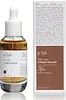 Key Ingredients
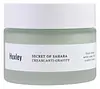
Benefits
Concerns
Ingredients Side-by-side
Portulaca Oleracea Extract 76%
Skin Conditioning


Butylene Glycol
Humectant
1,2-Hexanediol
Skin Conditioning
Water
Skin ConditioningGlycerin
Humectant
Tremella Fuciformis Extract
Humectant
Sodium Hyaluronate
Humectant

Beta-Glucan
Skin Conditioning
Artemisia Tridentata Extract
Skin ConditioningMusa Sapientum Fruit Extract
Skin ConditioningDipotassium Glycyrrhizate
Humectant
Diospyros Kaki Leaf Extract
Skin Protecting
Panthenol
Skin Conditioning
Centella Asiatica Extract
Cleansing
Terminalia Ferdinandiana Fruit Extract
Antioxidant
Aloe Barbadensis Leaf Extract
Emollient
Allantoin
Skin Conditioning
Acetyl Glutamine
Skin ConditioningSodium Polyacrylate
Absorbent
PPG-26-Buteth-26
Skin ConditioningC13-14 Isoparaffin
Emollient
Dextrin
AbsorbentPEG-40 Hydrogenated Castor Oil
Emulsifying

Ethylhexylglycerin
Skin ConditioningAdenosine
Skin Conditioning
Caramel
Cosmetic ColorantDisodium EDTA
Laureth-7
EmulsifyingEthyl Hexanediol
SolventMacadamia Integrifolia Seed Oil
Skin Conditioning
Retinyl Palmitate
Skin Conditioning


Palmitoyl Tripeptide-5
Skin Conditioning
Pantolactone
Humectant
Polyacrylamide
Hydrogenated Lecithin
Emulsifying
PEG-5 Soy Sterol
EmulsifyingCholesterol
Emollient
PEG-10 Rapeseed Sterol
CleansingTromethamine
BufferingCarbomer
Emulsion StabilisingCeteth-5
EmulsifyingCeteth-3
EmulsifyingTocopheryl Acetate
Antioxidant
Silica
Abrasive


Sodium Ascorbyl Phosphate
Antioxidant
Sodium Stearoyl Glutamate
CleansingPortulaca Oleracea Extract 76%, Butylene Glycol, 1,2-Hexanediol, Water, Glycerin, Tremella Fuciformis Extract, Sodium Hyaluronate, Beta-Glucan, Artemisia Tridentata Extract, Musa Sapientum Fruit Extract, Dipotassium Glycyrrhizate, Diospyros Kaki Leaf Extract, Panthenol, Centella Asiatica Extract, Terminalia Ferdinandiana Fruit Extract, Aloe Barbadensis Leaf Extract, Allantoin, Acetyl Glutamine, Sodium Polyacrylate, PPG-26-Buteth-26, C13-14 Isoparaffin, Dextrin, PEG-40 Hydrogenated Castor Oil, Ethylhexylglycerin, Adenosine, Caramel, Disodium EDTA, Laureth-7, Ethyl Hexanediol, Macadamia Integrifolia Seed Oil, Retinyl Palmitate, Palmitoyl Tripeptide-5, Pantolactone, Polyacrylamide, Hydrogenated Lecithin, PEG-5 Soy Sterol, Cholesterol, PEG-10 Rapeseed Sterol, Tromethamine, Carbomer, Ceteth-5, Ceteth-3, Tocopheryl Acetate, Silica, Sodium Ascorbyl Phosphate, Sodium Stearoyl Glutamate
Opuntia Ficus-Indica Stem Extract
Skin Conditioning
Glycerin
Humectant
Hydrogenated Olive Oil Lauryl Esters
Emulsion Stabilising
Squalene
Emollient
Butylene Glycol
Humectant
Dimethicone
Emollient
Pentaerythrityl Tetraethylhexanoate
Emollient
Diisostearyl Malate
EmollientButyrospermum Parkii Butter
Skin Conditioning
Jojoba Esters
Emollient
Water
Skin ConditioningBehenyl Alcohol
Emollient
Glyceryl Stearate
Emollient
1,2-Hexanediol
Skin Conditioning
Adenosine
Skin Conditioning
Opuntia Ficus-Indica Seed Oil
Emollient
Perilla Ocymoides Leaf Extract
TonicPaeonia Suffruticosa Root Extract
Skin ProtectingSalvia Officinalis Leaf Extract
CleansingCarthamus Tinctorius Flower Extract
Skin ConditioningGardenia Florida Fruit Extract
Skin ConditioningBetula Platyphylla Japonica Juice
Skin Conditioning
Sodium Hyaluronate
Humectant
Beta-Glucan
Skin Conditioning
Cyclopentasiloxane
Emollient
Trimethylsiloxysilicate
Emollient
Cetearyl Alcohol
Emollient
PEG-100 Stearate
Surfactant
Cetyl Alcohol
Emollient
Stearyl Alcohol
Emollient
Cetearyl Glucoside
Emulsifying
Hydroxyethyl Acrylate/Sodium Acryloyldimethyl Taurate Copolymer
Emulsion StabilisingPropanediol
Solvent
Carbomer
Emulsion StabilisingEthylhexylglycerin
Skin ConditioningPolyglyceryl-10 Pentastearate
Skin Conditioning
Alcohol
Antimicrobial




Caprylic/Capric Triglyceride
Masking
Dextrin
AbsorbentSodium Stearoyl Lactylate
EmulsifyingHydrogenated Lecithin
Emulsifying
Caprylyl Glycol
Emollient
Glyceryl Caprylate
EmollientTromethamine
BufferingDisodium EDTA
Phenoxyethanol
Preservative
Parfum
Masking

Opuntia Ficus-Indica Stem Extract, Glycerin, Hydrogenated Olive Oil Lauryl Esters, Squalene, Butylene Glycol, Dimethicone, Pentaerythrityl Tetraethylhexanoate, Diisostearyl Malate, Butyrospermum Parkii Butter, Jojoba Esters, Water, Behenyl Alcohol, Glyceryl Stearate, 1,2-Hexanediol, Adenosine, Opuntia Ficus-Indica Seed Oil, Perilla Ocymoides Leaf Extract, Paeonia Suffruticosa Root Extract, Salvia Officinalis Leaf Extract, Carthamus Tinctorius Flower Extract, Gardenia Florida Fruit Extract, Betula Platyphylla Japonica Juice, Sodium Hyaluronate, Beta-Glucan, Cyclopentasiloxane, Trimethylsiloxysilicate, Cetearyl Alcohol, PEG-100 Stearate, Cetyl Alcohol, Stearyl Alcohol, Cetearyl Glucoside, Hydroxyethyl Acrylate/Sodium Acryloyldimethyl Taurate Copolymer, Propanediol, Carbomer, Ethylhexylglycerin, Polyglyceryl-10 Pentastearate, Alcohol, Caprylic/Capric Triglyceride, Dextrin, Sodium Stearoyl Lactylate, Hydrogenated Lecithin, Caprylyl Glycol, Glyceryl Caprylate, Tromethamine, Disodium EDTA, Phenoxyethanol, Parfum
Reviews
Ingredients Explained
These ingredients are found in both products.
Ingredients higher up in an ingredient list are typically present in a larger amount.
1,2-Hexanediol is a synthetic liquid and another multi-functional powerhouse.
It is a:
- Humectant, drawing moisture into the skin
- Emollient, helping to soften skin
- Solvent, dispersing and stabilizing formulas
- Preservative booster, enhancing the antimicrobial activity of other preservatives
Adenosine is in every living organism. It is one of four components in nucleic acids that helps store our DNA.
Adenosine has many benefits when used. These benefits include hydrating the skin, smoothing skin, and reducing wrinkles. Once applied, adenosine increases collagen production. It also helps with improving firmness and tissue repair.
Studies have found adenosine may also help with wound healing.
In skincare products, Adenosine is usually derived from yeast.
Learn more about AdenosineBeta-Glucan is a soluble polysaccharide (a chain of glucose sugars) sourced from the cells walls of oats, baker's yeast, mushrooms, and seaweed.
It's a rare ingredient that pulls double-duty as a heavy-duty hydrator and skin-soothing repair agent.
On the surface, it acts as a humectant that holds water in place and reduces moisture loss for a plumper, smoother feel, while its anti-inflammatory and antioxidant properties make it a great pick for calming redness or sensitive skin
The more interesting story is underneath:
Despite its large molecular size, oat beta-glucan has been shown to penetrate the epidermis and reach the dermis by slipping between skin cells. Here, it interacts with fibroblasts and macrophages to nudge collagen synthesis and support wound repair.
A small 2005 split-face clinical study of 27 subjects found topical beta-glucan produced measurable reductions in wrinkle depth, height, and roughness after 8 weeks of use.
It is worth noting the trial was small and the penetration testing used frozen, irradiated skin so the anti-aging data is encouraging rather than definitive.
This ingredient gets along with pretty much everything and is typically used around 0.1-1%.
Fungal acne: This ingredient is not a food source for the Malassezia yeast because it is a glucose polysaccharide with no fatty acid or ester component.
Learn more about Beta-GlucanButylene Glycol (or BG) is used within cosmetic products for a few different reasons:
Overall, Butylene Glycol is a safe and well-rounded ingredient that works well with other ingredients.
Though this ingredient works well with most skin types, some people with sensitive skin may experience a reaction such as allergic rashes, closed comedones, or itchiness.
Learn more about Butylene GlycolCarbomer is a high-molecular weight polymer of acrylic acid. It is used to form gels and thicken formulas.
Due to its large molecular size, carbomer has minimal skin penetration and is considered an inert ingredient.
A high amount of carbomer can cause pilling or balling up of products. Don't worry, most products contain 1% or less of carbomer.
Learn more about CarbomerDextrin is used to thicken a product and helps bind ingredients together. It is created from starch and glycogen.
As an emulsifier, dextrin prevents ingredients from separating. This helps elongate a product's shelf life.
Studies show coating UV filters with dextrin prevents these ingredients from being absorbed. This helps UV ingredients last longer on the skin.
Learn more about DextrinDisodium EDTA is a chelating agent. It grabs onto and deactivates metal ions that sneak into your products from water, packaging, or air.
This ingredient mainly works behind the scenes and helps with:
On top of that, this ingredient can counteract the effects of hard water by binding to the minerals in it.
One thing worth knowing is that Disodium EDTA has been shown to be a mild penetration enhancer. It can help other ingredients absorb into skin more effectively which can be a double-edged sword (great for actives, but can also make the active too strong if you have sensitive skin).
Clinical patch testing showed no significant skin irritation at typical use concentrations and minimal dermal absorption.
You'll most likely see this ingredient near the end of an ingredient list. It's typically found in concentrations less than 1%.
Learn more about Disodium EDTAEthylhexylglycerin is created from glycerin. It is a multitasker ingredient that:
The CIR Expert Panel found minimal skin absorption or sensitization of any kind in a safety assessment. Though this ingredient is considered well-tolerated, a small number of cases of allergic dermatitis have been published since 2002. Just be sure to patch test if you are unsure.
Industry-reported use ranges from 8% in rinse-off products and 2% in leave-on formulations.
Learn more about EthylhexylglycerinGlycerin (or glycerol) is a compound naturally found in your skin. It's a powerhouse humectant that pulls water into the stratum corneum.
Topically, glycerin does several things at once:
Your skin makes glycerin on its own (mostly from sebaceous oil breakdown) and shuttles it to your outermost layer of skin, or your epidermis, via aquaporin-3.
Aquaporin-3 is a transporter that is essential for normal skin hydration, elasticity, and repair. Interestingly, mice lacking in AQP3 have dry and less elastic skin that can be fully corrected with glycerin.
This ingredient is non-irritating, plays well with almost every ingredient, and works across all skin types. Typical use is anywhere between 3-10% but can go up to 79% in some leave-on products.
Just know very high concentrations (>40%) can feel tacky in low humidity.
Glycerin is the name for this ingredient in American English. British English uses Glycerol/Glycerine.
Learn more about GlycerinHydrogenated Lecithin is a more stable version of lecithin.
It's made by taking lecithin (a phospholipid commonly found in soybeans and egg yolks) and hydrogenating it. This just means the unsaturated fatty acids are turned into saturated ones so they don't go bad as easily.
This ingredient is an emollient, emulsifier, and penetration enhancer. As an emollient, it helps soften and hydrate skin by trapping moisture within. As an emulsifier, it prevents oil and water ingredients from separating.
Hydrogenated Lecithin can form tiny spherical structures made of phospholipid bilayers called liposomes. These liposomes are able to capture compounds inside their structure and deliver them through the skin barrier.
Because phospholipids are a natural component of our cell membranes, this ingredient is inherently compatible with skin.
A 2021 study found lecithin-based surfactants were less harsh and more tolerable comared to Sodium Lauryl Sulfate (SLS).
Learn more about Hydrogenated LecithinSodium Hyaluronate is the salt form of hyaluronic acid. It is a long sugar chain that is naturally found in your skin, joints, and connective tissue that maintains hydration and elasticity.
In skincare, it works as a humectant. It pulls water from the environment and deeper layers of skin and binds it to the surface.
Interestingly, the size of the molecule affects its behavior:
Some clinical evidence links low molecular weight versions to improved wrinkle depth, elasticity, anti-inflammatory effects, and barrier repair.
Many serums use a blend of both weights so you can get surface hydration plus longer-lasting and deeper effects.
You'll typically see concentrations between 0.1-2% for this ingredient.
Learn more about Sodium HyaluronateTromethamine helps balance the pH and improve the texture of a product. It is synthetically created.
As an emulsifier, Tromethamine prevents oil and water ingredients from separating. This helps stabilize the product and elongate a product's shelf life. Tromethamine also makes a product thicker.
Tromethamine helps balance the pH level of a product. Normal pH level of skin is slightly acidic (~4.75-5.5). The acidity of our skin is maintained by our glands and skin biome. Being slightly acidic allows our skin to create an "acid mantle". This acid mantle is a thin barrier that protects our skin from bacteria and contaminants.
Oral Tromethanmine is an anti-inflammatory drug but plays the role of masking, adding fragrance, and/or balancing pH in skincare.
1,3-Propanediol, 2-amino-2-(hydroxymethyl)-
Learn more about TromethamineWater. It's the most common cosmetic ingredient of all. You'll usually see it at the top of ingredient lists, meaning that it makes up the largest part of the product.
So why is it so popular? Water most often acts as a solvent - this means that it helps dissolve other ingredients into the formulation.
You'll also recognize water as that liquid we all need to stay alive. If you see this, drink a glass of water. Remember to stay hydrated!
Learn more about Water
