

What's inside
What's inside
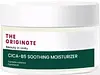 Key Ingredients
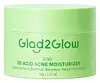
Benefits
Concerns
Ingredients Side-by-side
Centella Asiatica Leaf Extract
Skin Conditioning



Glycerin
Humectant

Butylene Glycol
Humectant
Water
Skin Conditioning1,2-Hexanediol
Skin Conditioning
Hydroxyacetophenone
Antioxidant
Acrylates/C10-30 Alkyl Acrylate Crosspolymer
Emulsion StabilisingTriethanolamine
BufferingDiglycerin
Humectant
Panthenol
Skin Conditioning
Propanediol
Solvent
Paeonia Suffruticosa Root Extract
Skin ProtectingAllantoin
Skin Conditioning
Adenosine
Skin Conditioning
Tremella Fuciformis Polysaccharide
Emulsion Stabilising
Glycyrrhiza Uralensis Root Extract
Skin Conditioning
Portulaca Oleracea Flower/Leaf/Stem Extract
Antioxidant
Paeonia Lactiflora Extract
AstringentChrysanthemum Parthenium Extract
Skin ConditioningCamellia Sinensis Extract
Antioxidant
Propylene Glycol
Humectant

Dianthus Chinensis Extract
HumectantPentylene Glycol
Skin Conditioning
Artemisia Argyi Leaf Extract
Skin ConditioningGlucose
Humectant
Centella Asiatica Extract
Cleansing
Sodium Hyaluronate
Humectant
Caprylhydroxamic Acid
Maltodextrin
Absorbent
Phenoxyethanol
Preservative
Caprylic/Capric Triglyceride
Masking
PEG-40 Hydrogenated Castor Oil
Emulsifying

Lecithin
Emollient
Magnolol
Antioxidant
Madecassoside
Antioxidant
Hydrogenated Lecithin
Emulsifying
Ethylhexylglycerin
Skin ConditioningAsiaticoside
Antioxidant
Hexylene Glycol
EmulsifyingStearic Acid
Cleansing
Cholesterol
Emollient
Ceramide NP
Skin Conditioning
Bisabolol
Antioxidant
Houttuynia Cordata Extract
Skin Conditioning
Centella Asiatica Leaf Extract, Glycerin, Butylene Glycol, Water, 1,2-Hexanediol, Hydroxyacetophenone, Acrylates/C10-30 Alkyl Acrylate Crosspolymer, Triethanolamine, Diglycerin, Panthenol, Propanediol, Paeonia Suffruticosa Root Extract, Allantoin, Adenosine, Tremella Fuciformis Polysaccharide, Glycyrrhiza Uralensis Root Extract, Portulaca Oleracea Flower/Leaf/Stem Extract, Paeonia Lactiflora Extract, Chrysanthemum Parthenium Extract, Camellia Sinensis Extract, Propylene Glycol, Dianthus Chinensis Extract, Pentylene Glycol, Artemisia Argyi Leaf Extract, Glucose, Centella Asiatica Extract, Sodium Hyaluronate, Caprylhydroxamic Acid, Maltodextrin, Phenoxyethanol, Caprylic/Capric Triglyceride, PEG-40 Hydrogenated Castor Oil, Lecithin, Magnolol, Madecassoside, Hydrogenated Lecithin, Ethylhexylglycerin, Asiaticoside, Hexylene Glycol, Stearic Acid, Cholesterol, Ceramide NP, Bisabolol, Houttuynia Cordata Extract
Water
Skin ConditioningButylene Glycol
Humectant
Cyclopentasiloxane
Emollient
Cyclohexasiloxane
Emollient
1,2-Hexanediol
Skin Conditioning
Hydroxyacetophenone
Antioxidant
Salicylic Acid
Masking




Carbomer
Emulsion StabilisingSuccinic Acid
BufferingGlycerin
Humectant
Mandelic Acid
Antimicrobial

Ammonium Acryloyldimethyltaurate/Vp Copolymer
Actinidia Deliciosa Fruit Extract
Skin ConditioningOpuntia Ficus-Indica Stem Extract
Skin Conditioning
Sophora Angustifolia Root Extract
Skin ConditioningOphiopogon Japonicus Root Extract
Skin ConditioningPentylene Glycol
Skin Conditioning
Dimethicone/Vinyl Dimethicone Crosspolymer
Skin Conditioning
Sodium Hydroxide
BufferingTrehalose
Humectant
Portulaca Oleracea Extract
Skin Conditioning
PPG-26-Buteth-26
Skin ConditioningDisodium EDTA
PEG-40 Hydrogenated Castor Oil
Emulsifying
Menthyl Lactate
Masking
Aroma

Dipropylene Glycol
HumectantCI 19140
Cosmetic ColorantEthylhexylglycerin
Skin ConditioningCI 42090
Cosmetic ColorantWater, Butylene Glycol, Cyclopentasiloxane, Cyclohexasiloxane, 1,2-Hexanediol, Hydroxyacetophenone, Salicylic Acid, Carbomer, Succinic Acid, Glycerin, Mandelic Acid, Ammonium Acryloyldimethyltaurate/Vp Copolymer, Actinidia Deliciosa Fruit Extract, Opuntia Ficus-Indica Stem Extract, Sophora Angustifolia Root Extract, Ophiopogon Japonicus Root Extract, Pentylene Glycol, Dimethicone/Vinyl Dimethicone Crosspolymer, Sodium Hydroxide, Trehalose, Portulaca Oleracea Extract, PPG-26-Buteth-26, Disodium EDTA, PEG-40 Hydrogenated Castor Oil, Menthyl Lactate, Aroma, Dipropylene Glycol, CI 19140, Ethylhexylglycerin, CI 42090
Reviews
Ingredients Explained
These ingredients are found in both products.
Ingredients higher up in an ingredient list are typically present in a larger amount.
1,2-Hexanediol is a synthetic liquid and another multi-functional powerhouse.
It is a:
- Humectant, drawing moisture into the skin
- Emollient, helping to soften skin
- Solvent, dispersing and stabilizing formulas
- Preservative booster, enhancing the antimicrobial activity of other preservatives
Butylene Glycol (or BG) is used within cosmetic products for a few different reasons:
Overall, Butylene Glycol is a safe and well-rounded ingredient that works well with other ingredients.
Though this ingredient works well with most skin types, some people with sensitive skin may experience a reaction such as allergic rashes, closed comedones, or itchiness.
Learn more about Butylene GlycolEthylhexylglycerin is created from glycerin. It is a multitasker ingredient that:
The CIR Expert Panel found minimal skin absorption or sensitization of any kind in a safety assessment. Though this ingredient is considered well-tolerated, a small number of cases of allergic dermatitis have been published since 2002. Just be sure to patch test if you are unsure.
Industry-reported use ranges from 8% in rinse-off products and 2% in leave-on formulations.
Learn more about EthylhexylglycerinGlycerin (or glycerol) is a compound naturally found in your skin. It's a powerhouse humectant that pulls water into the stratum corneum.
Topically, glycerin does several things at once:
Your skin makes glycerin on its own (mostly from sebaceous oil breakdown) and shuttles it to your outermost layer of skin, or your epidermis, via aquaporin-3.
Aquaporin-3 is a transporter that is essential for normal skin hydration, elasticity, and repair. Interestingly, mice lacking in AQP3 have dry and less elastic skin that can be fully corrected with glycerin.
This ingredient is non-irritating, plays well with almost every ingredient, and works across all skin types. Typical use is anywhere between 3-10% but can go up to 79% in some leave-on products.
Just know very high concentrations (>40%) can feel tacky in low humidity.
Glycerin is the name for this ingredient in American English. British English uses Glycerol/Glycerine.
Learn more about GlycerinHydroxyacetophenone is antioxidant with skin conditioning and soothing properties. It also boosts the efficiency of preservatives.
Though naturally occuring in Norwegian spruce needles, this ingredient is usually synthetically created.
This ingredient is not irritating or sensitizing. Recent research also suggests it may have skin-brightening effects through tyrosinase inhibition.
Learn more about HydroxyacetophenonePEG-40 Hydrogenated Castor Oil is an emulsifier derived from castor oil.
As an emulsifying agent, it helps other ingredients like fragrances and fat-soluble vitamins dissolve cohesively.
Due to its large molecule size, it doesn't penetrate beyond the skin's surface.
This ingredient has a solid regulatory track record; the CIR Expert Panel first concluded it was safe for use in cosmetics at concentrations up to 100% in 1997. A 2012 reassessment reaffirmed that finding. Safety studies have also found no irritation or evidence of toxicity.
A 2019 study did find this ingredient to grow Malassezia, so this ingredient may not be fungal acne safe.
Learn more about PEG-40 Hydrogenated Castor OilPentylene glycol is typically used within a product to thicken it. It also adds a smooth, soft, and moisturizing feel to the product. It is naturally found in plants such as sugar beets.
The hydrophilic trait of Pentylene Glycol makes it a humectant. As a humectant, Pentylene Glycol helps draw moisture from the air to your skin. This can help keep your skin hydrated.
This property also makes Pentylene Glycol a great texture enhancer. It can also help thicken or stabilize a product.
Pentylene Glycol also acts as a mild preservative and helps to keep a product microbe-free.
Some people may experience mild eye and skin irritation from Pentylene Glycol. We always recommend speaking with a professional about using this ingredient in your routine.
Pentylene Glycol has a low molecular weight and is part of the 1,2-glycol family.
Learn more about Pentylene GlycolWater. It's the most common cosmetic ingredient of all. You'll usually see it at the top of ingredient lists, meaning that it makes up the largest part of the product.
So why is it so popular? Water most often acts as a solvent - this means that it helps dissolve other ingredients into the formulation.
You'll also recognize water as that liquid we all need to stay alive. If you see this, drink a glass of water. Remember to stay hydrated!
Learn more about Water
