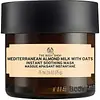
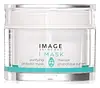
The Body Shop Mediterranean Almond Milk With Oats Instant Soothing Mask Versus IMAGE skincare I Mask Purifying Probiotic Mask
This wash off mask is made with Avena Sativa Kernel Flour and Lactobacillus Ferment Lysate for a rinse-off calming boost.
This wash off mask is made with Kaolin and Lactococcus Ferment Lysate for a rinse-off oil-control boost.


What's inside
What's inside
 Key Ingredients
Benefits
Concerns
Ingredients Side-by-side
Water
Skin ConditioningOlea Europaea Fruit Oil
Masking






Glycerin
Humectant

Propanediol
Solvent
Avena Sativa Kernel Flour
Abrasive

Cetearyl Alcohol
Emollient


Butyrospermum Parkii Butter
Skin Conditioning
Betaine
Humectant
Lactobacillus Ferment Lysate
Skin Conditioning
Sodium Polyacrylate
Absorbent
Carrageenan
Benzyl Alcohol
Perfuming




Jojoba Esters
Emollient
Levulinic Acid
Perfuming
Parfum
Masking
Sodium Dehydroacetate
Preservative
Sodium Stearoyl Glutamate
CleansingSodium Levulinate
Skin ConditioningTocopherol
Antioxidant




Bisabolol
Antioxidant
Aloe Barbadensis Leaf Juice Powder
Skin Conditioning
Trisodium Ethylenediamine Disuccinate
Leuconostoc/Radish Root Ferment Filtrate
Antimicrobial
Citric Acid
Buffering
Helianthus Annuus Seed Oil
Emollient
Prunus Amygdalus Dulcis Seed Extract
Skin ConditioningXanthan Gum
EmulsifyingSodium Hydroxide
BufferingDehydroacetic Acid
Preservative
Water, Olea Europaea Fruit Oil, Glycerin, Propanediol, Avena Sativa Kernel Flour, Cetearyl Alcohol, Butyrospermum Parkii Butter, Betaine, Lactobacillus Ferment Lysate, Sodium Polyacrylate, Carrageenan, Benzyl Alcohol, Jojoba Esters, Levulinic Acid, Parfum, Sodium Dehydroacetate, Sodium Stearoyl Glutamate, Sodium Levulinate, Tocopherol, Bisabolol, Aloe Barbadensis Leaf Juice Powder, Trisodium Ethylenediamine Disuccinate, Leuconostoc/Radish Root Ferment Filtrate, Citric Acid, Helianthus Annuus Seed Oil, Prunus Amygdalus Dulcis Seed Extract, Xanthan Gum, Sodium Hydroxide, Dehydroacetic Acid
Water
Skin ConditioningKaolin
Abrasive


Glycerin
Humectant
Propanediol
Solvent
Caprylic/Capric Triglyceride
Masking
Cetearyl Alcohol
Emollient
Brassica Campestris Seed Oil
Skin Conditioning
Hypnea Musciformis Extract
Skin Protecting
Cetyl Alcohol
Emollient
Stearic Acid
Cleansing
CI 77288
Cosmetic ColorantArachidyl Alcohol
Emollient
Ceteareth-20
Cleansing
Sargassum Filipendula Extract
Skin Protecting
Inulin
Skin Conditioning
Lactococcus Ferment Lysate
Skin Conditioning
Sorbitol
Humectant
Behenyl Alcohol
Emollient
Linum Usitatissimum Seed Oil
Perfuming
Carrageenan
Citrullus Lanatus Fruit Extract
Skin Conditioning
Arachidyl Glucoside
EmulsifyingGelidiella Acerosa Extract
Skin Protecting
Xanthan Gum
EmulsifyingLens Esculenta Fruit Extract
Skin ConditioningVitis Vinifera Seed Oil
Emollient
Yogurt
Skin ProtectingCitrus Aurantium Dulcis Peel Oil
Masking
Pyrus Malus Fruit Extract
Skin Conditioning
Ethylhexylglycerin
Skin ConditioningSodium Lactate
Buffering
Tocopherol
Antioxidant
Epilobium Angustifolium Flower/Leaf/Stem Extract
Skin ConditioningCharcoal Powder
Abrasive
Citrus Aurantium Dulcis Peel Extract
Emulsion Stabilising
Santalum Album Extract
CleansingCucumis Melo Cantalupensis Fruit Extract
AstringentPrunus Armeniaca Fruit Extract
Skin ConditioningSodium PCA
Humectant
Glucose
Humectant
Lactic Acid
Buffering
Coffea Arabica Seed Extract
Masking
Camellia Sinensis Leaf Extract
Antimicrobial
Lycium Barbarum Fruit Extract
Astringent
Passiflora Incarnata Fruit Extract
Skin ConditioningCitrus Grandis Fruit Extract
Astringent
Cocos Nucifera Fruit Extract
Emollient
Cucumis Sativus Fruit Extract
Emollient
Spirulina Maxima Extract
SmoothingVanilla Planifolia Fruit Extract
Skin Conditioning
Ananas Sativus Fruit Extract
Skin ConditioningEuterpe Oleracea Fruit Extract
Citrus Limon Peel Extract
EmollientMorinda Citrifolia Fruit Extract
Skin Conditioning
Rubus Idaeus Fruit Extract
AstringentPunica Granatum Juice Extract
Skin ConditioningRose Extract
Skin ConditioningButter Extract
Emollient
Cananga Odorata Flower Extract
Perfuming
Garcinia Mangostana Fruit Extract
Skin ConditioningPrunus Amygdalus Dulcis Seed Extract
Skin ConditioningSodium Chloride
MaskingSilybum Marianum Extract
Skin Conditioning
Phenoxyethanol
Preservative
Potassium Sorbate
Preservative
Sodium Benzoate
Masking
Sodium Metabisulfite
Antioxidant
Limonene
Perfuming
Hydroxycitronellal
Perfuming
Water, Kaolin, Glycerin, Propanediol, Caprylic/Capric Triglyceride, Cetearyl Alcohol, Brassica Campestris Seed Oil, Hypnea Musciformis Extract, Cetyl Alcohol, Stearic Acid, CI 77288, Arachidyl Alcohol, Ceteareth-20, Sargassum Filipendula Extract, Inulin, Lactococcus Ferment Lysate, Sorbitol, Behenyl Alcohol, Linum Usitatissimum Seed Oil, Carrageenan, Citrullus Lanatus Fruit Extract, Arachidyl Glucoside, Gelidiella Acerosa Extract, Xanthan Gum, Lens Esculenta Fruit Extract, Vitis Vinifera Seed Oil, Yogurt, Citrus Aurantium Dulcis Peel Oil, Pyrus Malus Fruit Extract, Ethylhexylglycerin, Sodium Lactate, Tocopherol, Epilobium Angustifolium Flower/Leaf/Stem Extract, Charcoal Powder, Citrus Aurantium Dulcis Peel Extract, Santalum Album Extract, Cucumis Melo Cantalupensis Fruit Extract, Prunus Armeniaca Fruit Extract, Sodium PCA, Glucose, Lactic Acid, Coffea Arabica Seed Extract, Camellia Sinensis Leaf Extract, Lycium Barbarum Fruit Extract, Passiflora Incarnata Fruit Extract, Citrus Grandis Fruit Extract, Cocos Nucifera Fruit Extract, Cucumis Sativus Fruit Extract, Spirulina Maxima Extract, Vanilla Planifolia Fruit Extract, Ananas Sativus Fruit Extract, Euterpe Oleracea Fruit Extract, Citrus Limon Peel Extract, Morinda Citrifolia Fruit Extract, Rubus Idaeus Fruit Extract, Punica Granatum Juice Extract, Rose Extract, Butter Extract, Cananga Odorata Flower Extract, Garcinia Mangostana Fruit Extract, Prunus Amygdalus Dulcis Seed Extract, Sodium Chloride, Silybum Marianum Extract, Phenoxyethanol, Potassium Sorbate, Sodium Benzoate, Sodium Metabisulfite, Limonene, Hydroxycitronellal
Ingredients Explained
These ingredients are found in both products.
Ingredients higher up in an ingredient list are typically present in a larger amount.
Carrageenan is a gel-forming sugar chain pulled out of red seaweed. In skincare, it's a texture ingredient rather than an active that:
Formulators typically use it around 0.1-2% but go up to 5% in thick gel masks or toothpaste-style products.
It's a very large molecule that doesn't meaningfully get through intact skin and the CIR Expert Panel has concluded it's safe at current use levels.
True allergy is rare and there are only two published cases from internal/mucosal exposure rather than anything topical. Most of the scary internet content about Carrageenan is actually about poligeenan (also called "degraded carrageenan").
Poligeenan is a deliberately acid-broken down version that isn't food or cosmetic grade.
Learn more about CarrageenanCetearyl alcohol is a waxy mixture of two fatty alcohols: cetyl alcohol and stearyl alcohol. It is an emollient and emulsifier.
Despite having "alcohol" in its name, it has nothing to do with drying solvent alcohols; the FDA also allows "alcohol-free" products to contain fatty alcohols like this ingredient.
It plays several roles in a formula:
Typical use levels for this ingredient sit around 1-10% and the Cosmetic Ingredient Review Expert Panel has affirmed safety at concentrations up to 25% in leave-on products.
Multiple assessments have found it to be non-irritating and non-sensitizing to most people.
However, there have been some cases of allergic contact dermatitis in patients with chronically compromised skin barriers.
Cetearyl alcohol has a comedogenic rating of 2 and irritancy rating of 1. Both of these numbers come from the 1989 study that used rabbit ears; a "2" means mildly comedogenic and a "1" means low irritancy.
Here's the catch: rabbit skin is more sensitive than human skin and throws a lot of false positives. A 1996 reappraisal found that ingredients rated 1-2 in the rabbit ear tests are generally safe for humans.
Remember comedogenic ratings are unable to assess the entire formula of a product or how it will react on your skin. Just be sure to patch test if you are unsure about certain ingredients.
This ingredient is not fungal acne safe. Cetearyl alcohol is a fatty alcohol with chain lengths that fall within the range that Malassezia can metabolize.
A 2019 study has also observed Malassezia growth in the presence of this ingredient, confirming it to be not-fungal acne safe.
Learn more about Cetearyl AlcoholGlycerin (or glycerol) is a compound naturally found in your skin. It's a powerhouse humectant that pulls water into the stratum corneum.
Topically, glycerin does several things at once:
Your skin makes glycerin on its own (mostly from sebaceous oil breakdown) and shuttles it to your outermost layer of skin, or your epidermis, via aquaporin-3.
Aquaporin-3 is a transporter that is essential for normal skin hydration, elasticity, and repair. Interestingly, mice lacking in AQP3 have dry and less elastic skin that can be fully corrected with glycerin.
This ingredient is non-irritating, plays well with almost every ingredient, and works across all skin types. Typical use is anywhere between 3-10% but can go up to 79% in some leave-on products.
Just know very high concentrations (>40%) can feel tacky in low humidity.
Glycerin is the name for this ingredient in American English. British English uses Glycerol/Glycerine.
Learn more about GlycerinPropanediol is an all-star ingredient. It softens, hydrates, and smooths the skin.
It’s often used to:
Propanediol is not likely to cause sensitivity and considered safe to use. It is derived from corn or petroleum with a clear color and no scent.
Learn more about PropanediolPrunus Amygdalus Dulcis Seed Extract is the extract from dried sweet almond seeds.
Almonds contain healthy fats, vitamins, and minerals. It is a rich source of Vitamin E, a great antioxidant and skin conditioning ingredient. Sweet almond oil contains fatty acids such as linolenic acid and triglycerides.
Prunus amygdalus dulcis is native to Iran.
Learn more about Prunus Amygdalus Dulcis Seed ExtractTocopherol is a fat-soluble antioxidant known as Vitamin E.
You'll find this ingredient in the vast majority of skincare (for good reason). It works to neutralize free radicals, or unstable molecules generated by UV exposure, pollution, and other environmental stressors, before they can cause oxidative damage to your skin cells.
Topically applied tocopherol has been shown to protect against UV damage by ramping up the skin's own natural defense enzymes.
It also acts as a skin conditioning agent; some studies show that regular topical use can improve the skin's water-binding capacity over 2-4 weeks.
This ingredient is especially loved for being a team player. When combined with Vitamin C, the photoprotective effect of both ingredients roughly doubles and the combo also helps reduce UV-induced DNA damage.
This ingredient has some brightening potential but it's more of a prevention ingredient than spot-fader. Cell studies show it can slow down melanin production but it's worth noting that it's not the most powerful brightener out there.
In formulations, it also serves as a stabilizer that helps protect other oxidation-prone ingredients from degrading.
Concentrations usually range from 0.1-1% in most leave-on products.
Learn more about TocopherolWater. It's the most common cosmetic ingredient of all. You'll usually see it at the top of ingredient lists, meaning that it makes up the largest part of the product.
So why is it so popular? Water most often acts as a solvent - this means that it helps dissolve other ingredients into the formulation.
You'll also recognize water as that liquid we all need to stay alive. If you see this, drink a glass of water. Remember to stay hydrated!
Learn more about WaterXanthan gum is used as a stabilizer and thickener within cosmetic products. It helps give products a sticky, thick feeling - preventing them from being too runny.
On the technical side of things, xanthan gum is a polysaccharide - a combination consisting of multiple sugar molecules bonded together.
Xanthan gum is a pretty common and great ingredient. It is a natural, non-toxic, non-irritating ingredient that is also commonly used in food products.
Learn more about Xanthan Gum

