

What's inside
What's inside
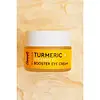 Key Ingredients
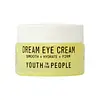
Benefits
Concerns
Ingredients Side-by-side
Water
Skin ConditioningGlycerin
Humectant



Caprylic/Capric Triglyceride
Masking
Polyglyceryl-3 Methylglucose Distearate
Emulsifying
Niacinamide
Smoothing







Pentylene Glycol
Skin ConditioningCetearyl Alcohol
Emollient


Diisostearyl Malate
Emollient1,2-Hexanediol
Skin Conditioning
Hydroxyethyl Acrylate/Sodium Acryloyldimethyl Taurate Copolymer
Emulsion StabilisingCurcuma Longa Root Extract
Masking
3-O-Ethyl Ascorbic Acid
Skin Conditioning

Lactobacillus Ferment
Skin Conditioning
Zingiber Officinale Root Extract
Masking
Panthenol
Skin Conditioning
Chlorella Vulgaris Extract
Skin Conditioning
Fructooligosaccharides
Humectant
Camellia Sinensis Seed Oil
Humectant
Cucurbita Pepo Seed Oil
Emollient
Sorbitan Isostearate
Emulsifying
Ethylhexylglycerin
Skin ConditioningTocopherol
Antioxidant

Eclipta Prostrata Extract
Skin ConditioningMelia Azadirachta Leaf Extract
Skin ConditioningMelia Azadirachta Flower Extract
Skin ConditioningOcimum Sanctum Leaf Extract
Skin Conditioning
Corallina Officinalis Extract
Skin Conditioning
Moringa Oleifera Seed Oil
Emollient
Cucurbita Maxima Fruit Extract
Skin ConditioningMorus Alba Fruit Extract
Antioxidant
Glucose
Humectant
Butylene Glycol
Humectant
Xanthan Gum
EmulsifyingHydrolyzed Corn Starch
HumectantSodium Phytate
Fructose
Humectant
Sucrose
Humectant
Water, Glycerin, Caprylic/Capric Triglyceride, Polyglyceryl-3 Methylglucose Distearate, Niacinamide, Pentylene Glycol, Cetearyl Alcohol, Diisostearyl Malate, 1,2-Hexanediol, Hydroxyethyl Acrylate/Sodium Acryloyldimethyl Taurate Copolymer, Curcuma Longa Root Extract, 3-O-Ethyl Ascorbic Acid, Lactobacillus Ferment, Zingiber Officinale Root Extract, Panthenol, Chlorella Vulgaris Extract, Fructooligosaccharides, Camellia Sinensis Seed Oil, Cucurbita Pepo Seed Oil, Sorbitan Isostearate, Ethylhexylglycerin, Tocopherol, Eclipta Prostrata Extract, Melia Azadirachta Leaf Extract, Melia Azadirachta Flower Extract, Ocimum Sanctum Leaf Extract, Corallina Officinalis Extract, Moringa Oleifera Seed Oil, Cucurbita Maxima Fruit Extract, Morus Alba Fruit Extract, Glucose, Butylene Glycol, Xanthan Gum, Hydrolyzed Corn Starch, Sodium Phytate, Fructose, Sucrose
Water
Skin ConditioningDicaprylyl Carbonate
EmollientButyrospermum Parkii Butter
Skin Conditioning
Cetearyl Alcohol
Emollient
Glycerin
Humectant
Squalane
Emollient
Glyceryl Stearate
Emollient
Avena Sativa Bran Extract
Abrasive
Citrus Aurantium Dulcis Peel Extract
Emulsion Stabilising
Moringa Oleifera Seed Oil
Emollient
Opuntia Ficus-Indica Seed Oil
Emollient
Lycium Barbarum Callus Culture Extract
Skin ConditioningGardenia Jasminoides Fruit Extract
Cosmetic ColorantSodium Stearoyl Glutamate
CleansingCarbomer
Emulsion StabilisingCetearyl Glucoside
EmulsifyingIsomalt
HumectantSodium Benzoate
Masking
Tetrahexyldecyl Ascorbate
Antioxidant
Tocopheryl Acetate
Antioxidant
Tetrasodium Glutamate Diacetate
Betaine
Humectant
Ceramide NP
Skin Conditioning
Phospholipids
Skin Conditioning
Sodium Hyaluronate
Humectant
Maltodextrin
Absorbent
Sodium Hydroxide
BufferingPhenoxyethanol
Preservative
Glucose
Humectant
Lecithin
Emollient
Tocopherol
Antioxidant
Sodium Glycolate
BufferingSodium Formate
Buffering
Ethylhexylglycerin
Skin ConditioningCitric Acid
Buffering

Water, Dicaprylyl Carbonate, Butyrospermum Parkii Butter, Cetearyl Alcohol, Glycerin, Squalane, Glyceryl Stearate, Avena Sativa Bran Extract, Citrus Aurantium Dulcis Peel Extract, Moringa Oleifera Seed Oil, Opuntia Ficus-Indica Seed Oil, Lycium Barbarum Callus Culture Extract, Gardenia Jasminoides Fruit Extract, Sodium Stearoyl Glutamate, Carbomer, Cetearyl Glucoside, Isomalt, Sodium Benzoate, Tetrahexyldecyl Ascorbate, Tocopheryl Acetate, Tetrasodium Glutamate Diacetate, Betaine, Ceramide NP, Phospholipids, Sodium Hyaluronate, Maltodextrin, Sodium Hydroxide, Phenoxyethanol, Glucose, Lecithin, Tocopherol, Sodium Glycolate, Sodium Formate, Ethylhexylglycerin, Citric Acid
Ingredients Explained
These ingredients are found in both products.
Ingredients higher up in an ingredient list are typically present in a larger amount.
Cetearyl alcohol is a mixture of two fatty alcohols: cetyl alcohol and stearyl alcohol. It is mainly used as an emulsifier. Emulsifiers help prevent the separation of oils and products. Due to its composition, it can also be used to thicken a product or help create foam.
Cetearyl alcohol is an emollient. Emollients help soothe and hydrate the skin by trapping moisture.
Studies show Cetearyl alcohol is non-toxic and non-irritating. The FDA allows products labeled "alcohol-free" to have fatty alcohols.
This ingredient is usually derived from plant oils such as palm, vegetable, or coconut oils. There is debate on whether this ingredient will cause acne.
Due to the fatty acid base, this ingredient may not be Malassezia folliculitis safe.
Learn more about Cetearyl AlcoholEthylhexylglycerin (we can't pronounce this either) is commonly used as a preservative and skin softener. It is derived from glyceryl.
You might see Ethylhexylglycerin often paired with other preservatives such as phenoxyethanol. Ethylhexylglycerin has been found to increase the effectiveness of these other preservatives.
Glucose is a simple sugar and is the most important source of energy in all organisms.
In skincare, glucose is used to hydrate the skin. It also acts as a prebiotic for our natural biome.
Glucose is hydrating due to its humectant property. As a humectant, glucose draws moisture from the air and from deeper levels in the skin.
Our skin contains many sugars that act as prebiotics and help strengthen our natural microbiome. Having a healthy microbiome helps protect our skin from harmful bacteria and other contaminants.
Studies show glucose may help with fading discoloration and pigmentation. This is because our skin metabolizes glucose into lactic acid. Lactic acid is an AHA that helps exfoliate the top layer of skin.
Learn more about GlucoseGlycerin is already naturally found in your skin. It helps moisturize and protect your skin.
A study from 2016 found glycerin to be more effective as a humectant than AHAs and hyaluronic acid.
As a humectant, it helps the skin stay hydrated by pulling moisture to your skin. The low molecular weight of glycerin allows it to pull moisture into the deeper layers of your skin.
Hydrated skin improves your skin barrier; Your skin barrier helps protect against irritants and bacteria.
Glycerin has also been found to have antimicrobial and antiviral properties. Due to these properties, glycerin is often used in wound and burn treatments.
In cosmetics, glycerin is usually derived from plants such as soybean or palm. However, it can also be sourced from animals, such as tallow or animal fat.
This ingredient is organic, colorless, odorless, and non-toxic.
Glycerin is the name for this ingredient in American English. British English uses Glycerol/Glycerine.
Learn more about GlycerinMoringa Oleifera Seed Oil is the oil expressed from the seeds of Moringa oleifera plant. It is more commonly known as Moringa seed oil.
Moringa seeds have antioxidant, anti-inflammatory, and skin hydrating properties. These seeds are rich in oils, proteins, monounsaturated fats, and tocopherols.
As an emollient, moringa seed oil helps trap moisture in the skin by creating a film on top. This helps keep your skin hydrated and soft.
Many compounds in moringa seed oil are antioxidant and anti-inflammatory. These compounds include Vitamin E. , catechins, ferulic acid, and more.
Another compound found in Moringa seed oil is oleic acid.
Moringa trees are native to the Himalayan mountains.
This ingredient may not be fungal-acne safe.
Learn more about Moringa Oleifera Seed OilTocopherol (also known as Vitamin E) is a common antioxidant used to help protect the skin from free-radicals and strengthen the skin barrier. It's also fat soluble - this means our skin is great at absorbing it.
Vitamin E also helps keep your natural skin lipids healthy. Your lipid skin barrier naturally consists of lipids, ceramides, and fatty acids. Vitamin E offers extra protection for your skin’s lipid barrier, keeping your skin healthy and nourished.
Another benefit is a bit of UV protection. Vitamin E helps reduce the damage caused by UVB rays. (It should not replace your sunscreen). Combining it with Vitamin C can decrease sunburned cells and hyperpigmentation after UV exposure.
You might have noticed Vitamin E + C often paired together. This is because it is great at stabilizing Vitamin C. Using the two together helps increase the effectiveness of both ingredients.
There are often claims that Vitamin E can reduce/prevent scarring, but these claims haven't been confirmed by scientific research.
Learn more about TocopherolWater. It's the most common cosmetic ingredient of all. You'll usually see it at the top of ingredient lists, meaning that it makes up the largest part of the product.
So why is it so popular? Water most often acts as a solvent - this means that it helps dissolve other ingredients into the formulation.
You'll also recognize water as that liquid we all need to stay alive. If you see this, drink a glass of water. Stay hydrated!
Learn more about Water
