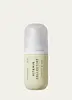
This brightening serum is formulated around Niacinamide and Astaxanthin to brighten dull-looking skin and fade the look of dark spots.
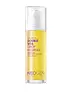
This brightening serum is formulated around Niacinamide and Sodium Ascorbyl Phosphate to brighten dull-looking skin and fade the look of dark spots.


What's inside
What's inside
 Key Ingredients
Benefits
Concerns
Ingredients Side-by-side
Water
Skin ConditioningGlycerin
Humectant


Niacinamide
Smoothing









Propanediol
Solvent
Methylpropanediol
SolventTocopheryl Acetate
Antioxidant

1,2-Hexanediol
Skin Conditioning
Butylene Glycol
Humectant
Panthenol
Skin Conditioning
Pentylene Glycol
Skin Conditioning
Chondrus Crispus Extract
Skin Conditioning
Astaxanthin
Skin Conditioning
Haematococcus Pluvialis Extract
Antioxidant
Tetrahexyldecyl Ascorbate
Antioxidant
Terminalia Ferdinandiana Fruit Extract
Antioxidant
Tremella Fuciformis Extract
Humectant
Ascorbic Acid
Antioxidant
Resveratrol
Antioxidant
4-Butylresorcinol
Antioxidant
Hippophae Rhamnoides Fruit Oil
Skin Protecting


Sodium Hyaluronate
Humectant
Tocopherol
Antioxidant
Pinus Pinaster Bark Extract
Antioxidant
Myrciaria Dubia Fruit Extract
Skin ConditioningCichorium Intybus Root Extract
MaskingHydrogenated Lecithin
Emulsifying
Menadione
MaskingGlycyrrhetinic Acid
Skin Conditioning
Glycine Soja Oil
Emollient


Borago Officinalis Seed Oil
Emollient
Beta-Glucan
Skin Conditioning
Adenosine
Skin Conditioning
Linolenic Acid
Cleansing

Crithmum Maritimum Extract
Skin ConditioningBeta-Carotene
Skin ConditioningDaucus Carota Sativa Root Extract
Skin Conditioning
Ferulic Acid
Antimicrobial
Xanthophylls
Skin ConditioningDiamond Powder
Abrasive
Saccharum Officinarum Extract
MoisturisingRosmarinus Officinalis Leaf Extract
AntimicrobialTrehalose
Humectant
Proline
Skin Conditioning
Phenylalanine
Masking
Glycine
Buffering
Lysine
Skin ConditioningSerine
Masking
Glutamic Acid
Humectant
Lecithin
Emollient
Aspartic Acid
Masking
Leucine
Skin ConditioningAlanine
Masking
Arginine
Masking
Tyrosine
MaskingThreonine
Valine
MaskingIsoleucine
Skin ConditioningHistidine
Humectant
Cysteine
Antioxidant
Methionine
Skin ConditioningTromethamine
BufferingDextrin
AbsorbentCarbomer
Emulsion StabilisingMaltodextrin
Absorbent
Glyceryl Acrylate/Acrylic Acid Copolymer
HumectantPolyglyceryl-10 Diisostearate
Emulsifying
Caprylic/Capric Triglyceride
Masking
Sodium Phytate
ChelatingEthylhexylglycerin
Skin ConditioningXanthan Gum
EmulsifyingCaprylyl Glycol
Emollient
Water, Glycerin, Niacinamide, Propanediol, Methylpropanediol, Tocopheryl Acetate, 1,2-Hexanediol, Butylene Glycol, Panthenol, Pentylene Glycol, Chondrus Crispus Extract, Astaxanthin, Haematococcus Pluvialis Extract, Tetrahexyldecyl Ascorbate, Terminalia Ferdinandiana Fruit Extract, Tremella Fuciformis Extract, Ascorbic Acid, Resveratrol, 4-Butylresorcinol, Hippophae Rhamnoides Fruit Oil, Sodium Hyaluronate, Tocopherol, Pinus Pinaster Bark Extract, Myrciaria Dubia Fruit Extract, Cichorium Intybus Root Extract, Hydrogenated Lecithin, Menadione, Glycyrrhetinic Acid, Glycine Soja Oil, Borago Officinalis Seed Oil, Beta-Glucan, Adenosine, Linolenic Acid, Crithmum Maritimum Extract, Beta-Carotene, Daucus Carota Sativa Root Extract, Ferulic Acid, Xanthophylls, Diamond Powder, Saccharum Officinarum Extract, Rosmarinus Officinalis Leaf Extract, Trehalose, Proline, Phenylalanine, Glycine, Lysine, Serine, Glutamic Acid, Lecithin, Aspartic Acid, Leucine, Alanine, Arginine, Tyrosine, Threonine, Valine, Isoleucine, Histidine, Cysteine, Methionine, Tromethamine, Dextrin, Carbomer, Maltodextrin, Glyceryl Acrylate/Acrylic Acid Copolymer, Polyglyceryl-10 Diisostearate, Caprylic/Capric Triglyceride, Sodium Phytate, Ethylhexylglycerin, Xanthan Gum, Caprylyl Glycol
Water
Skin ConditioningDimethicone
Emollient
Glycerin
Humectant
1,2-Hexanediol
Skin Conditioning
Niacinamide
Smoothing
Coptis Japonica Extract
AntimicrobialAcrylates/C10-30 Alkyl Acrylate Crosspolymer
Emulsion StabilisingButylene Glycol
Humectant
Tromethamine
BufferingXanthan Gum
EmulsifyingAdenosine
Skin Conditioning
Citrus Junos Fruit Extract
Skin ConditioningPoncirus Trifoliata Fruit Extract
Skin ConditioningCyanocobalamin
Skin ConditioningSodium Ascorbyl Phosphate
Antioxidant
Ascorbic Acid
Antioxidant
Tocopheryl Acetate
Antioxidant
Citrus Junos Fruit Oil
Masking

Caprylyl Glycol
Emollient
Glucose
Humectant
Sodium Hyaluronate
Humectant
Chondrus Crispus Extract
Skin Conditioning
Hydroxypropyltrimonium Hyaluronate
Hydrolyzed Hyaluronic Acid
Humectant
Sodium Acetylated Hyaluronate
Humectant
Hyaluronic Acid
Humectant
Sodium Hyaluronate Crosspolymer
Humectant
Hydrolyzed Sodium Hyaluronate
Skin Conditioning
Potassium Hyaluronate
Skin ConditioningWater, Dimethicone, Glycerin, 1,2-Hexanediol, Niacinamide, Coptis Japonica Extract, Acrylates/C10-30 Alkyl Acrylate Crosspolymer, Butylene Glycol, Tromethamine, Xanthan Gum, Adenosine, Citrus Junos Fruit Extract, Poncirus Trifoliata Fruit Extract, Cyanocobalamin, Sodium Ascorbyl Phosphate, Ascorbic Acid, Tocopheryl Acetate, Citrus Junos Fruit Oil, Caprylyl Glycol, Glucose, Sodium Hyaluronate, Chondrus Crispus Extract, Hydroxypropyltrimonium Hyaluronate, Hydrolyzed Hyaluronic Acid, Sodium Acetylated Hyaluronate, Hyaluronic Acid, Sodium Hyaluronate Crosspolymer, Hydrolyzed Sodium Hyaluronate, Potassium Hyaluronate
Ingredients Explained
These ingredients are found in both products.
Ingredients higher up in an ingredient list are typically present in a larger amount.
1,2-Hexanediol is a synthetic liquid and another multi-functional powerhouse.
It is a:
- Humectant, drawing moisture into the skin
- Emollient, helping to soften skin
- Solvent, dispersing and stabilizing formulas
- Preservative booster, enhancing the antimicrobial activity of other preservatives
Adenosine is a purine nucleoside that your body already makes in every cell. In skincare, it acts mainly as a skin conditioning and anti-aging agent.
The way it works is fairly well mapped out:
Your skin has cells called fibroblasts that build collagen (the stuff that keeps skin firm and smooth). Adenosine basically flips a switch on these cells that tells them to get to work making more collagen and other proteins. These cells slow down on their own as skin ages, so Adenosine helps give them a little nudge to keep going.
The clinical backing is pretty solid too.
A blind, randomized, placebo-controlled trial of 126 women aged 45-65 tested a 0.1% cream twice daily and found real improvements in crow's feet and frown lines using a precise 3D skin-mapping technique; these changes showed up by week 3 and held at 2 months.
A later study using Adenosine-loaded dissolving microneedle patches reported gains in wrinkle depth, dermal density, elasticity, and hydration.
On concentrations, South Korea's Ministry of Food and Drug Safety has set 0.04% as the approved functional anti-wrinkle level. You'll typically see this ingredient used somewhere in the 0.04-0.1% range since it works at low doses.
This ingredient has been found safe for cosmetics with the data showing no irritation or sensitization.
Overall, this is a great ingredient for any anti-aging routine and has no photosensitizing effect, so it suits both AM and PM use.
Learn more about AdenosineAscorbic Acid is is pure Vitamin C and is the biologically active form used directly by skin.
Not only is vitamin C great for your overall health and immune system, but it also has plenty of benefits for your skin. It is best supported by academic literature for:
Topical vitamin C has been shown to help neutralize oxidative stress from UV and pollution, helping to improve photoaging and hyperpigmentation when used consistently.
One clinical study found that using 5% topical vitamin C for six months improved signs of photodamaged skin, both on the surface and in the deeper structural layers of the skin.
While vitamin C doesn’t replace sunscreen, studies show it can boost photoprotection when combined with Vitamin E and ferulic acid. These two ingredients help improve stability and protective effects.
The big downside of this ingredient is formulation difficulty. Vitamin C is prone to oxidation and doesn't penetrate the skin unless formulated correctly. Research found that vitamin C absorbs into the skin best at a low pH (< 3.5) with about 20% being the upper limit for effective absorption.
Skin levels can saturate after repeated application; this means your skin won’t keep absorbing more once it’s full of vitamin C. This is why more isn’t always better with vitamin C and why very high concentrations don’t necessarily give extra benefits.
Ascorbic acid generally works well with many skincare ingredients but can be irritating when combined with other active ingredients. Strong oxidizing acne treatments like benzoyl peroxide can reduce the effectiveness of vitamin C if they are used at the same time; they are often recommended for use at different times of day.
Read more about other types of Vitamin C:
Foods rich with vitamin C include oranges, strawberries, broccoli, bell peppers, and more. When consuming Vitamin C, your skin receives a portion of the nutrients.
Learn more about Ascorbic AcidButylene Glycol (or BG) is used within cosmetic products for a few different reasons:
Overall, Butylene Glycol is a safe and well-rounded ingredient that works well with other ingredients.
Though this ingredient works well with most skin types, some people with sensitive skin may experience a reaction such as allergic rashes, closed comedones, or itchiness.
Learn more about Butylene GlycolCaprylyl Glycol is a humectant, skin conditioner, emollient, and preservative booster derived from either caprylic acid or synthetically created.
Typical use levels vary from 0.3-1% as a preservative booster and go up to 2% to condition skin.
Because it is not a free-fatty acid, this ingredient is fungal acne safe (there's nothing for Malassezia to feed on).
Learn more about Caprylyl GlycolChondrus Crispus Extract comes from a red algae native to the northern Atlantic coasts of Europe and North America. It helps hydrate the skin and is rich in antioxidants.
The antioxidants in chondrus crispus include lutein and zeaxanthin. Lutein has the ability to filter blue light from screens.
Other contents of chondrus crispus include polysaccharides, peptides, and amino acids. These help hydrate the skin.
What's the difference between algae and seaweed?
Algae is a broad term that includes seaweed. Not all algae is seaweed.
Glycerin (or glycerol) is a compound naturally found in your skin. It's a powerhouse humectant that pulls water into the stratum corneum.
Topically, glycerin does several things at once:
Your skin makes glycerin on its own (mostly from sebaceous oil breakdown) and shuttles it to your outermost layer of skin, or your epidermis, via aquaporin-3.
Aquaporin-3 is a transporter that is essential for normal skin hydration, elasticity, and repair. Interestingly, mice lacking in AQP3 have dry and less elastic skin that can be fully corrected with glycerin.
This ingredient is non-irritating, plays well with almost every ingredient, and works across all skin types. Typical use is anywhere between 3-10% but can go up to 79% in some leave-on products.
Just know very high concentrations (>40%) can feel tacky in low humidity.
Glycerin is the name for this ingredient in American English. British English uses Glycerol/Glycerine.
Learn more about GlycerinNiacinamide is a multitasking form of vitamin B3 that strengthens the skin barrier, reduces pores and dark spots, regulates oil, and improves signs of aging.
And the best part? It's gentle and well-tolerated by most skin types, including sensitive and reactive skin.
You might have heard of "niacin flush", or the reddening of skin that causes itchiness. Niacinamide has not been found to cause this.
In very rare cases, some individuals may not be able to tolerate niacinamide at all or experience an allergic reaction to it.
If you are experiencing flaking, irritation, and dryness with this ingredient, be sure to double check all your products as this ingredient can be found in all categories of skincare.
When incorporating niacinamide into your routine, look out for concentration amounts. Typically, 5% niacinamide provides benefits such as fading dark spots. However, if you have sensitive skin, it is better to begin with a smaller concentration.
When you apply niacinamide to your skin, your body converts it into nicotinamide adenine dinucleotide (NAD). NAD is an essential coenzyme that is already found in your cells as "fuel" and powers countless biological processes.
In your skin, NAD helps repair cell damage, produce new healthy cells, support collagen production, strengthen the skin barrier, and fight environmental stressors (like UV and pollution).
Our natural NAD levels start to decline with age, leading to slower skin repair, visible aging, and a weaker skin barrier. By providing your skin niacinamide, you're recharging your skin's NAD levels. This leads to stronger, healthier, and younger looking skin.
Another name for vitamin B3 is nicotinamide. This vitamin is water-soluble and our bodies don't store it. We obtain Vitamin B3 from either food or skincare. Meat, fish, wheat, yeast, and leafy greens contain vitamin B3.
The type of niacinamide used in skincare is synthetically created.
Learn more about NiacinamideSodium Hyaluronate is the salt form of hyaluronic acid. It is a long sugar chain that is naturally found in your skin, joints, and connective tissue that maintains hydration and elasticity.
In skincare, it works as a humectant. It pulls water from the environment and deeper layers of skin and binds it to the surface.
Interestingly, the size of the molecule affects its behavior:
Some clinical evidence links low molecular weight versions to improved wrinkle depth, elasticity, anti-inflammatory effects, and barrier repair.
Many serums use a blend of both weights so you can get surface hydration plus longer-lasting and deeper effects.
You'll typically see concentrations between 0.1-2% for this ingredient.
Learn more about Sodium HyaluronateTocopheryl Acetate is a stable, shelf-friendly form of vitamin E.
Formulators love it because plain vitamin E oxidizes quickly once it hits air. This acetate version stays stable and resists going off, helping to extend a product's shelf life.
It's actually inactive on its own and works like a slow-release "storage" form; the enzymes in your skin called esterases gradually convert it into active vitamin E over time.
One in vivo study showed 5% of the acetate in the living layer of the epidermis converted to vitamin E after 5 days of application. This study also found the skin gained protection against UV damage even though the conversion was slow and small.
Once converted, vitamin E acts as a skin's main fat-soluble antioxidant that fights free radicals to protect skin from damage.
Topical vitamin E generally boosts the skin's photoprotection, and it reduced UV-damage in animal models.
This ingredient has some brightening potential but it's more of a prevention ingredient than spot-fader. Cell studies show it can slow down melanin production but it's worth noting that it's not the most powerful brightener out there.
Overall, it has a pretty solid safety profile and has been found to be non-irritating and non-comedogenic. Allergic reactions may happen but stay rare due to how widely the ingredient gets used.
The concentration will vary depending on the formula; industry data shows 0.1% in baby lotions, 3% in lipsticks, and 5% in foot powders. You can also find this ingredient at 100% in a pure vitamin E oil.
Most leave-on skincare keeps it at the lower end, often between 0.5-1%.
Learn more about Tocopheryl AcetateTromethamine (aka THAM) is a synthetic amino acid that shows up in skincare as a helper ingredient.
It functions as a pH adjuster to help neutralize acidic ingredients and set a formula's pH to the right spot.
This matters a lot because a lot of actives (like vitamin C) needs a specific pH to work well and feel comfortable on skin.
Concentration use ranges from 0.1-1.0% depending on the formula.
Learn more about TromethamineWater. It's the most common cosmetic ingredient of all. You'll usually see it at the top of ingredient lists, meaning that it makes up the largest part of the product.
So why is it so popular? Water most often acts as a solvent - this means that it helps dissolve other ingredients into the formulation.
You'll also recognize water as that liquid we all need to stay alive. If you see this, drink a glass of water. Remember to stay hydrated!
Learn more about WaterXanthan gum is used as a stabilizer and thickener within cosmetic products. It helps give products a sticky, thick feeling - preventing them from being too runny.
On the technical side of things, xanthan gum is a polysaccharide - a combination consisting of multiple sugar molecules bonded together.
Xanthan gum is a pretty common and great ingredient. It is a natural, non-toxic, non-irritating ingredient that is also commonly used in food products.
Learn more about Xanthan Gum

