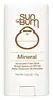
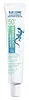
Sun Bum Mineral SPF 50 Sunscreen Face Stick Versus Blue Lizard Sheer Mineral Sunscreen Lotion for Face SPF 50+
This hybrid sunscreen covers the full UV range and blocks ~98% of UVB at SPF 50.
This mineral sunscreen covers the full UV range and blocks ~98% of UVB at SPF 50.

What's inside
What's inside
 Key Ingredients
Benefits
Concerns
Ingredients Side-by-side
Zinc Oxide 19.2%
Cosmetic Colorant


Cocos Nucifera Oil
Masking








Persea Gratissima Oil
Skin Conditioning
Limnanthes Alba Seed Oil
Skin Conditioning
Linum Usitatissimum Seed Oil
Perfuming
Oryza Sativa Bran Wax
Skin Conditioning
Euphorbia Cerifera Wax
Butyloctyl Salicylate
Skin Conditioning
Copernicia Cerifera Wax
Ozokerite
Emulsion StabilisingButyrospermum Parkii Butter
Skin Conditioning
Oryzanol
Skin ConditioningCarthamus Tinctorius Seed Oil
Masking
Theobroma Cacao Seed Butter
Emollient
Jojoba Esters
Emollient
Tocopherol
Antioxidant





Bisabolol
Antioxidant

Zinc Oxide 19.2%, Cocos Nucifera Oil, Persea Gratissima Oil, Limnanthes Alba Seed Oil, Linum Usitatissimum Seed Oil, Oryza Sativa Bran Wax, Euphorbia Cerifera Wax, Butyloctyl Salicylate, Copernicia Cerifera Wax, Ozokerite, Butyrospermum Parkii Butter, Oryzanol, Carthamus Tinctorius Seed Oil, Theobroma Cacao Seed Butter, Jojoba Esters, Tocopherol, Bisabolol
Titanium Dioxide 9%
Cosmetic Colorant
Zinc Oxide 6%
Cosmetic Colorant
Alanine
Masking
Aloe Barbadensis Leaf Juice
Skin Conditioning
Alumina
Abrasive
Aluminum Stearate
Cosmetic ColorantArginine
Masking
Aspartic Acid
Masking
Butyrospermum Parkii Butter
Skin Conditioning
C12-15 Alkyl Benzoate
AntimicrobialCaprylic/Capric Triglyceride
Masking
Carica Papaya Fruit Extract
Skin ConditioningCitric Acid
Buffering
Crithmum Maritimum Extract
Skin ConditioningCucumis Sativus Fruit Extract
Emollient
Diisopropyl Sebacate
EmollientDimethoxydiphenylsilane/Triethoxycaprylylsilane Crosspolymer
Ethylhexylglycerin
Skin ConditioningFucus Vesiculosus Extract
Emollient
Ginkgo Biloba Leaf Extract
Skin Conditioning
Glycerin
Humectant
Glycine
Buffering
Glycine Soja Oil
Emollient
Hamamelis Virginiana Leaf Extract
Skin Conditioning
Histidine
Humectant
Hydrogenated Vegetable Oil
Emollient
Isoleucine
Skin ConditioningIsostearyl Alcohol
Emollient
Isostearyl Isostearate
Emollient
Oryza Sativa Extract
Absorbent
Oryza Sativa Germ Extract
EmollientPCA
Humectant
Phenoxyethanol
Preservative
Phenylalanine
Masking
Polyglyceryl-3 Diisostearate
Emulsifying
Polyglyceryl-3 Polyricinoleate
Emulsifying
Polyhydroxystearic Acid
Emulsifying
Potassium Sorbate
Preservative
Proline
Skin Conditioning
Water
Skin ConditioningRosa Canina Fruit Oil
Emollient
Sclerocarya Birrea Seed Oil
Humectant
Serine
Masking
Sodium Benzoate
Masking
Sodium Chloride
MaskingSodium Hyaluronate
Humectant
Sodium Lactate
Buffering
Sodium PCA
Humectant
Sorbitan Isostearate
Emulsifying
Squalane
Emollient
Threonine
Tocopheryl Acetate
Antioxidant
Valine
MaskingXanthan Gum
EmulsifyingTitanium Dioxide 9%, Zinc Oxide 6%, Alanine, Aloe Barbadensis Leaf Juice, Alumina, Aluminum Stearate, Arginine, Aspartic Acid, Butyrospermum Parkii Butter, C12-15 Alkyl Benzoate, Caprylic/Capric Triglyceride, Carica Papaya Fruit Extract, Citric Acid, Crithmum Maritimum Extract, Cucumis Sativus Fruit Extract, Diisopropyl Sebacate, Dimethoxydiphenylsilane/Triethoxycaprylylsilane Crosspolymer, Ethylhexylglycerin, Fucus Vesiculosus Extract, Ginkgo Biloba Leaf Extract, Glycerin, Glycine, Glycine Soja Oil, Hamamelis Virginiana Leaf Extract, Histidine, Hydrogenated Vegetable Oil, Isoleucine, Isostearyl Alcohol, Isostearyl Isostearate, Oryza Sativa Extract, Oryza Sativa Germ Extract, PCA, Phenoxyethanol, Phenylalanine, Polyglyceryl-3 Diisostearate, Polyglyceryl-3 Polyricinoleate, Polyhydroxystearic Acid, Potassium Sorbate, Proline, Water, Rosa Canina Fruit Oil, Sclerocarya Birrea Seed Oil, Serine, Sodium Benzoate, Sodium Chloride, Sodium Hyaluronate, Sodium Lactate, Sodium PCA, Sorbitan Isostearate, Squalane, Threonine, Tocopheryl Acetate, Valine, Xanthan Gum
Ingredients Explained
These ingredients are found in both products.
Ingredients higher up in an ingredient list are typically present in a larger amount.
This ingredient is also known as shea butter. It is a plant-derived extract from the nuts of the Africa shea tree and one of the most well-studied emollients.
Because it has a high concentration of fatty acids (primarily oleic, stearic, and linoleic) it is able to form a protective barrier on the skin's surface. This helps seal in moisture and prevents transepidermal water loss (TEWL).
In vitro research found an increase in skin hydration by 58% and a decrease in TEWL by 37.8% after 24 hours of applying this ingredient (pretty impressive for a single ingredient!).
Besides hydration, shea butter also contains triterpenes that have anti-inflammatory potential. In particule, lupeol cinnamate has shown the highest anti-inflammatory activity in vivo.
Shea butter also contains vitamins A and E which may contribute to antioxidant activity.
While Shea Butter has an SPF rating of about 3-4, it is not a sunscreen replacement.
This ingredient may not be fungal acne safe because its fatty acids fall within the C11-C24 range that the Malassezia yeast can metabolize.
This ingredient shows up on a lot of "pore-clogging" lists but there's no real evidence behind that. It doesn't even have a comedogenic rating from an actual study; the numbers you'll find online come from blogs citing other blogs.
Ratings for other ingredients mostly come from a 1980s rabbit ear test. This test doesn't translate well to human skin or to real products because the ingredient sits at a much lower percentage.
Some people still find it breaks them out. So if that's you, definitely trust your skin. Just know this one's based on experience and not evidence.
Learn more about Butyrospermum Parkii ButterZinc Oxide (ZO) is a mineral broad-spectrum UV filter and the broadest-spectrum filter recognized by the FDA. It covers everything from UVB through to long-wave UVA.
On top of sun protection, it has skin protectant and skin-soothing properties too.
Here's a myth worth busting: mineral filters are usually described as working by "reflecting" or "bouncing" UV off your skin.
That's mostly not true: when researchers actually measured it, ZO and Titanium Dioxide reflect only about 4-5% of UV (less than SPF 2 worth of protection).
The vast majority of the work (~95%) is done by absorption, similar to chemical UV filters. ZO is a semiconductor that absorbs UV photos through its energy band gap.
So the old "physical blocker vs. chemical absorber" framing is really an oversimplification.
Zinc Oxide is one of the most effective broad-spectrum UV filters out there. It protects across UVB, UVA2, and UVA1 with a flat, even absorption curve across the whole UVA-UVB range.
That uniform UVA coverage is its standout feature; titanium dioxide skews more toward UVB as its particle size drops so ZO gives more consistent and extended UVA protection.
It's also very photostable. As an inorganic oxide, ZO doesn't break down in sunlight the way some organic filters can, so it holds up over a day of wear.
This ingredient is gentle and soothing, making it go-to for sunscreens aimed at sensitive skin, rosacea, or ecezma-prone skin, babies, and children.
It's also unlikely to cause the "eye sting" that some sunscreen ingredients are known for, and regulatory agencies broadly consider it non-toxic and safe for topical use.
Beyond sun protection, ZO is also a recognized OTC skin protectant. It forms a breathable barrier that shields skin from moisture and irritation while supporting healing. This is why you'll see it as a classic active in diaper rash creams.
The only downside to ZO is that it can leave a visible white cast, especially on deeper skin tones. This is the main reason mineral sunscreens have historically felt less cosmetically elegant than chemical or hybrid formulas.
Zinc Oxide comes in both non-nano and nano forms. The dividing line is 100nm and anything under is classified as a nanomaterial by the EU.
The nano version scatters less visible light which cuts down white case and gives a lighter, more wearable texture.
Another thing worth understanding about formulation:
Uncoated ZO has some inherent photocatalytic activity. This just means it can generate reactive oxygen species under UV. It's exactly why cosmetic-grade ZO is almost always surface-coated; this coating suppresses that reactivity and improves how the powder disperses and feels.
A well-formulated coated ZO largely sidesteps this issue.
Zinc Oxide is commonly used anywhere from 10% up to the regulatory maximum in sunscreens (25%).
Mineral-only broad-spectrum products often land in the 15-25% range to hit higher SPF and UVA values. Keep in mind SPF performance depends heavily on particle size, dispersion, and the rest of the formula, and not just the percentage.
As an OTC skin protectant like diaper creams, ZO typically runs higher at roughly 10-40%.
This ingredient is generally easy to work with and doesn't photodegrade.
The only thing to know is that uncoated ZO can be a bit reactive in a formula.
Under UV, it can break down sensitive ingredients like other actives or UV filters. This is another reason coated versions are standard. ZO can also react with very acidic ingredients or throw off stability of some creams. A good formula will get around this with the right coatings and dispersion.
The EU's Scientific Committee on Consumer Safety has concluded that ZO nanoparticles "can be considered to not pose any risk of adverse effects in humans after application on healthy, intact or sunburnt skin".
You might hear that ZO is "toxic"; this is because an in-vitro (test tube) study suggested micronized ZO had potential phototoxicity. In vivo (human) investigations have disputed this and the results have come back reassuring.
So does ZO penetrate skin? The short answer is no, not in any way that matters.
The most relevant evidence comes from real-world human studies: in one, volunteers applied ZO nanoparticle sunscreen hourly for six hours and daily for five days. The advanced imaging showed the particles stayed on the surface and never reached the living epidermis, and no cellular toxicity was found.
Other in-vivo and ex-vivo work agree; ZO nanoparticles don't cross the stratum corneum, even on flexed, massaged, or barrier-impaired skin.
A small amount of solubilized zinc ions can dissolve off the particles and enter the upper skin. But the quantities are tiny compared to the zinc already naturally present in your body, and studies haven't found this to cause local toxicity.
The sunscreen bans you've heard of (like Hawaii's) are aimed at two chemical filters, Oxybenzone and Octinoxate. ZO itself it not banned and is often recommended instead.
So far, there's no solid evidence that any form of ZO harms reefs. It is an ongoing and active area of study, and worth keeping an eye on.
If you're traveling somewhere with these rules, a non-nano mineral sunscreen is the safe bet.
Learn more about Zinc Oxide

