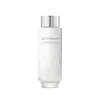
This anti-aging toner is formulated around Niacinamide and Adenosine to soften the look of wrinkles.
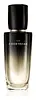
This anti-aging serum is formulated around Panthenol and Niacinamide to soften the look of wrinkles and strengthen the skin barrier.

What's inside
What's inside
 Key Ingredients
Benefits
Concerns
Ingredients Side-by-side
Water
Skin ConditioningButylene Glycol
Humectant

Glycerin
Humectant
Alcohol Denat.
Antimicrobial




1,2-Hexanediol
Skin Conditioning
Hydrogenated Poly(C6-14 Olefin)
EmollientPolyglyceryl-3 Methylglucose Distearate
Emulsifying
Squalane
Emollient
Glycereth-26
Humectant
Carbomer
Emulsion StabilisingNiacinamide
Smoothing








Dimethicone
Emollient
Butylene Glycol Dicaprylate/Dicaprate
EmollientCetyl Ethylhexanoate
EmollientPentaerythrityl Tetraisostearate
Emollient
Parfum
Masking

Ethylhexylglycerin
Skin ConditioningMethyl Glucose Sesquistearate
Emollient
Adenosine
Skin Conditioning
Propanediol
Solvent
Cetearyl Glucoside
Emulsifying
Methoxy PEG-114/Polyepsilon Caprolactone
BufferingXanthan Gum
EmulsifyingEctoin
Skin Conditioning
Bioflavonoids
Skin ConditioningBenzyl Salicylate
Perfuming
Hydrolyzed Ginseng Saponins
Skin ConditioningPhenoxyethanol
Preservative
Morus Alba Leaf Extract
Skin ConditioningRehmannia Glutinosa Root Extract
Skin ConditioningPaeonia Lactiflora Root Extract
Skin ConditioningPolygonatum Odoratum Rhizome Extract
Skin ConditioningCitronellol
Perfuming
Limonene
Perfuming
Nelumbo Nucifera Flower Extract
Skin ConditioningLilium Tigrinum Extract
Skin ConditioningPanax Ginseng Berry Extract
Skin Conditioning
Caprylyl Glycol
Emollient
Tocopherol
Antioxidant

Acetyl Heptapeptide-4
Humectant
Acetyl Hexapeptide-8
Humectant
Sodium Hydroxide
BufferingAcetyl Octapeptide-3
Humectant
Water, Butylene Glycol, Glycerin, Alcohol Denat., 1,2-Hexanediol, Hydrogenated Poly(C6-14 Olefin), Polyglyceryl-3 Methylglucose Distearate, Squalane, Glycereth-26, Carbomer, Niacinamide, Dimethicone, Butylene Glycol Dicaprylate/Dicaprate, Cetyl Ethylhexanoate, Pentaerythrityl Tetraisostearate, Parfum, Ethylhexylglycerin, Methyl Glucose Sesquistearate, Adenosine, Propanediol, Cetearyl Glucoside, Methoxy PEG-114/Polyepsilon Caprolactone, Xanthan Gum, Ectoin, Bioflavonoids, Benzyl Salicylate, Hydrolyzed Ginseng Saponins, Phenoxyethanol, Morus Alba Leaf Extract, Rehmannia Glutinosa Root Extract, Paeonia Lactiflora Root Extract, Polygonatum Odoratum Rhizome Extract, Citronellol, Limonene, Nelumbo Nucifera Flower Extract, Lilium Tigrinum Extract, Panax Ginseng Berry Extract, Caprylyl Glycol, Tocopherol, Acetyl Heptapeptide-4, Acetyl Hexapeptide-8, Sodium Hydroxide, Acetyl Octapeptide-3
Water
Skin ConditioningGlycerin
Humectant
Dimethicone
Emollient
1,2-Hexanediol
Skin Conditioning
Butylene Glycol
Humectant
Glyceryl Polymethacrylate
Propanediol
Solvent
Sorbitol
Humectant
Serine
Masking
Caprylic/Capric/Succinic Triglyceride
EmollientPanthenol
Skin Conditioning
PEG/PPG-17/6 Copolymer
SolventHydrogenated Lecithin
Emulsifying
Propylene Glycol
Humectant
Niacinamide
Smoothing
Carbomer
Emulsion StabilisingTromethamine
BufferingTrehalose
Humectant
Silica
Abrasive
Dipropylene Glycol
HumectantLactobacillus Ferment
Skin Conditioning
Curcuma Longa Root Extract
Antioxidant
Adenosine
Skin Conditioning
Dimethicone/Vinyl Dimethicone Crosspolymer
Skin Conditioning
Pentylene Glycol
Skin Conditioning
Natto Gum
Sodium Hyaluronate
Humectant
Trisodium EDTA
ChelatingEthylhexylglycerin
Skin ConditioningAmodimethicone
Disodium EDTA
ChelatingSodium Hydroxide
BufferingArginine
Masking
Allantoin
Skin Conditioning
Dextrin
AbsorbentTheobroma Cacao Seed Extract
Antioxidant
Citric Acid
Buffering
Biosaccharide Gum-1
Humectant
Glycyrrhiza Glabra Root Extract
Bleaching
Sodium Lactate
Buffering
Aureobasidium Pullulans Ferment
Skin ConditioningYeast Extract
Skin ConditioningHoney
Humectant
Polysorbate 20
Emulsifying
Beta-Glucan
Skin Conditioning
Angelica Gigas Extract
Skin ConditioningYeast Beta-Glucan
Skin ConditioningAtractylodes Japonica Rhizome Extract
Skin ConditioningPanax Ginseng Root Extract
Emollient
Astragalus Membranaceus Root Extract
Emollient
Pinus Densiflora Leaf Extract
Antimicrobial
Cornus Officinalis Fruit Extract
Skin ConditioningDioscorea Japonica Root Extract
Skin Conditioning
Lycium Chinense Fruit Extract
Antioxidant
Paeonia Lactiflora Root Extract
Skin ConditioningRehmannia Chinensis Root Extract
Skin ConditioningSchisandra Chinensis Fruit Extract
Skin Conditioning
Dipotassium Glycyrrhizate
Humectant
Ophiopogon Japonicus Root Extract
Skin ConditioningPhellodendron Amurense Bark Extract
Skin ConditioningZiziphus Jujuba Fruit Extract
Skin ConditioningPalmitoyl Tripeptide-1
Skin Conditioning
Sodium Chloride
MaskingMethionine
Skin ConditioningPalmitoyl Tetrapeptide-7
Skin Conditioning
Paeonol
Antioxidant
Disodium Phosphate
BufferingSodium Phosphate
BufferingParfum
Masking
Linalool
Perfuming
Limonene
Perfuming
Water, Glycerin, Dimethicone, 1,2-Hexanediol, Butylene Glycol, Glyceryl Polymethacrylate, Propanediol, Sorbitol, Serine, Caprylic/Capric/Succinic Triglyceride, Panthenol, PEG/PPG-17/6 Copolymer, Hydrogenated Lecithin, Propylene Glycol, Niacinamide, Carbomer, Tromethamine, Trehalose, Silica, Dipropylene Glycol, Lactobacillus Ferment, Curcuma Longa Root Extract, Adenosine, Dimethicone/Vinyl Dimethicone Crosspolymer, Pentylene Glycol, Natto Gum, Sodium Hyaluronate, Trisodium EDTA, Ethylhexylglycerin, Amodimethicone, Disodium EDTA, Sodium Hydroxide, Arginine, Allantoin, Dextrin, Theobroma Cacao Seed Extract, Citric Acid, Biosaccharide Gum-1, Glycyrrhiza Glabra Root Extract, Sodium Lactate, Aureobasidium Pullulans Ferment, Yeast Extract, Honey, Polysorbate 20, Beta-Glucan, Angelica Gigas Extract, Yeast Beta-Glucan, Atractylodes Japonica Rhizome Extract, Panax Ginseng Root Extract, Astragalus Membranaceus Root Extract, Pinus Densiflora Leaf Extract, Cornus Officinalis Fruit Extract, Dioscorea Japonica Root Extract, Lycium Chinense Fruit Extract, Paeonia Lactiflora Root Extract, Rehmannia Chinensis Root Extract, Schisandra Chinensis Fruit Extract, Dipotassium Glycyrrhizate, Ophiopogon Japonicus Root Extract, Phellodendron Amurense Bark Extract, Ziziphus Jujuba Fruit Extract, Palmitoyl Tripeptide-1, Sodium Chloride, Methionine, Palmitoyl Tetrapeptide-7, Paeonol, Disodium Phosphate, Sodium Phosphate, Parfum, Linalool, Limonene
Reviews
Ingredients Explained
These ingredients are found in both products.
Ingredients higher up in an ingredient list are typically present in a larger amount.
1,2-Hexanediol is a synthetic liquid and another multi-functional powerhouse.
It is a:
- Humectant, drawing moisture into the skin
- Emollient, helping to soften skin
- Solvent, dispersing and stabilizing formulas
- Preservative booster, enhancing the antimicrobial activity of other preservatives
Adenosine is a purine nucleoside that your body already makes in every cell. In skincare, it acts mainly as a skin conditioning and anti-aging agent.
The way it works is fairly well mapped out:
Your skin has cells called fibroblasts that build collagen (the stuff that keeps skin firm and smooth). Adenosine basically flips a switch on these cells that tells them to get to work making more collagen and other proteins. These cells slow down on their own as skin ages, so Adenosine helps give them a little nudge to keep going.
The clinical backing is pretty solid too.
A blind, randomized, placebo-controlled trial of 126 women aged 45-65 tested a 0.1% cream twice daily and found real improvements in crow's feet and frown lines using a precise 3D skin-mapping technique; these changes showed up by week 3 and held at 2 months.
A later study using Adenosine-loaded dissolving microneedle patches reported gains in wrinkle depth, dermal density, elasticity, and hydration.
On concentrations, South Korea's Ministry of Food and Drug Safety has set 0.04% as the approved functional anti-wrinkle level. You'll typically see this ingredient used somewhere in the 0.04-0.1% range since it works at low doses.
This ingredient has been found safe for cosmetics with the data showing no irritation or sensitization.
Overall, this is a great ingredient for any anti-aging routine and has no photosensitizing effect, so it suits both AM and PM use.
Learn more about AdenosineButylene Glycol (or BG) is used within cosmetic products for a few different reasons:
Overall, Butylene Glycol is a safe and well-rounded ingredient that works well with other ingredients.
Though this ingredient works well with most skin types, some people with sensitive skin may experience a reaction such as allergic rashes, closed comedones, or itchiness.
Learn more about Butylene GlycolCarbomer is a synthetic thickening and gelling agent. It's basically the ingredient that gives a lot of serums, gels, creams, and sunscreens their smooth, non-sticky texture.
Although legally permitted at very high levels, carbomers are normally used at concentrations below 1%.
It also needs to be neutralized to actually thicken, and because it is a large molecule, it doesn't really penetrate the skin barrier.
Allergy-wise, the risk is very low. Clinical studies show carbomers have low potential for skin irritation/sensitization even at concentrations up to 100%.
A 2024 UK study patch-tested 1,302 patients and found true allergy to the parent group of carbomer to be rare with no confirmed relevant reactions.
Learn more about CarbomerDimethicone is a type of synthetic silicone created from natural materials such as quartz. It is also known as polydimethylsiloxane.
What it does:
Dimethicone comes in different viscosities:
Depending on the viscosity, dimethicone has different properties.
Ingredients lists don't always show which type is used, so we recommend reaching out to the brand if you have questions about the viscosity.
This ingredient is unlikely to cause irritation because it does not get absorbed into skin. However, people with silicone allergies should be careful about using this ingredient.
Note: Dimethicone may contribute to pilling. This is because it is not oil or water soluble, so pilling may occur when layered with products. When mixed with heavy oils in a formula, the outcome is also quite greasy.
Learn more about DimethiconeEthylhexylglycerin is created from glycerin. It is a multitasker ingredient that:
The CIR Expert Panel found minimal skin absorption or sensitization of any kind in a safety assessment. Though this ingredient is considered well-tolerated, a small number of cases of allergic dermatitis have been published since 2002. Just be sure to patch test if you are unsure.
Industry-reported use ranges from 8% in rinse-off products and 2% in leave-on formulations.
Learn more about EthylhexylglycerinGlycerin (or glycerol) is a compound naturally found in your skin. It's a powerhouse humectant that pulls water into the stratum corneum.
Topically, glycerin does several things at once:
Your skin makes glycerin on its own (mostly from sebaceous oil breakdown) and shuttles it to your outermost layer of skin, or your epidermis, via aquaporin-3.
Aquaporin-3 is a transporter that is essential for normal skin hydration, elasticity, and repair. Interestingly, mice lacking in AQP3 have dry and less elastic skin that can be fully corrected with glycerin.
This ingredient is non-irritating, plays well with almost every ingredient, and works across all skin types. Typical use is anywhere between 3-10% but can go up to 79% in some leave-on products.
Just know very high concentrations (>40%) can feel tacky in low humidity.
Glycerin is the name for this ingredient in American English. British English uses Glycerol/Glycerine.
Learn more about GlycerinLimonene is the compound that gives citrus peel its smell.
In skincare, it shows up as a standalone fragrance ingredient or as a natural compound of citrus and other essential oils.
You'll typically see this ingredient used in very small amounts; anything above 0.001% in a leave-on product or 0.01% in a rinse-off has to be named on the label in the EU. The citrus oils that carry it sit around 0.5-1% in a finished formula.
Fresh limonene is a weak allergen; the real issue is that it slowly reacts with air and then breaks down from oxidation to create hydroperoxides (which are strong sensitizers). This is why suppliers are required to keep the peroxide value below 20 mmol.
Positive reactions in people being investigated for eczema vary:
It's worth skipping if you have a known fragrance allergy or a compromised barrier, but the risk is low for most people.
Older or long-opened products are also more likely to bother you than fresh ones due to oxidation.
Learn more about LimoneneNiacinamide is a multitasking form of vitamin B3 that strengthens the skin barrier, reduces pores and dark spots, regulates oil, and improves signs of aging.
And the best part? It's gentle and well-tolerated by most skin types, including sensitive and reactive skin.
You might have heard of "niacin flush", or the reddening of skin that causes itchiness. Niacinamide has not been found to cause this.
In very rare cases, some individuals may not be able to tolerate niacinamide at all or experience an allergic reaction to it.
If you are experiencing flaking, irritation, and dryness with this ingredient, be sure to double check all your products as this ingredient can be found in all categories of skincare.
When incorporating niacinamide into your routine, look out for concentration amounts. Typically, 5% niacinamide provides benefits such as fading dark spots. However, if you have sensitive skin, it is better to begin with a smaller concentration.
When you apply niacinamide to your skin, your body converts it into nicotinamide adenine dinucleotide (NAD). NAD is an essential coenzyme that is already found in your cells as "fuel" and powers countless biological processes.
In your skin, NAD helps repair cell damage, produce new healthy cells, support collagen production, strengthen the skin barrier, and fight environmental stressors (like UV and pollution).
Our natural NAD levels start to decline with age, leading to slower skin repair, visible aging, and a weaker skin barrier. By providing your skin niacinamide, you're recharging your skin's NAD levels. This leads to stronger, healthier, and younger looking skin.
Another name for vitamin B3 is nicotinamide. This vitamin is water-soluble and our bodies don't store it. We obtain Vitamin B3 from either food or skincare. Meat, fish, wheat, yeast, and leafy greens contain vitamin B3.
The type of niacinamide used in skincare is synthetically created.
Learn more about NiacinamidePaeonia Lactiflora Root Extract comes from the root of the peony plant and has a long history of being used in traditional herbal medicine. In cosmetics, it has skin conditioning properties.
This root is rich in paeoniflorin, polyphenols, and flavonoids. These compounds are known to help calm inflammatory signaling, reduce oxidative stress, and regular skin responses to irritation.
In lab and cell studies, this ingredient has been shoown to reduce pro-inflammatory mediators and protect skin cells from stress.
Some research even suggests mild involvement in pigment regulation pathways which is why you might see this ingredient in brightening products.
Learn more about Paeonia Lactiflora Root ExtractParfum is a catch-all term for an ingredient or more that is used to give a scent to products.
Also called "fragrance", this ingredient can be a blend of hundreds of chemicals or plant oils. This means every product with "fragrance" or "parfum" in the ingredients list is a different mixture.
For instance, Habanolide is a proprietary trade name for a specific aroma chemical. When used as a fragrance ingredient in cosmetics, most aroma chemicals fall under the broad labeling category of “FRAGRANCE” or “PARFUM” according to EU and US regulations.
The term 'parfum' or 'fragrance' is not regulated in many countries. In many cases, it is up to the brand to define this term.
For instance, many brands choose to label themselves as "fragrance-free" because they are not using synthetic fragrances. However, their products may still contain ingredients such as essential oils that are considered a fragrance by INCI standards.
One example is Calendula flower extract. Calendula is an essential oil that still imparts a scent or 'fragrance'.
Depending on the blend, the ingredients in the mixture can cause allergies and sensitivities on the skin. Some ingredients that are known EU allergens include linalool and citronellol.
Parfum can also be used to mask or cover an unpleasant scent.
The bottom line is: not all fragrances/parfum/ingredients are created equally. If you are worried about fragrances, we recommend taking a closer look at an ingredient. And of course, we always recommend speaking with a professional.
Learn more about ParfumPropanediol is an all-star ingredient. It softens, hydrates, and smooths the skin.
It’s often used to:
Propanediol is not likely to cause sensitivity and considered safe to use. It is derived from corn or petroleum with a clear color and no scent.
Learn more about PropanediolSodium Hydroxide is also known as lye or caustic soda. It is used to adjust the pH of products; many ingredients require a specific pH to be effective.
In small amounts, sodium hydroxide is considered safe to use. However, large amounts may cause chemical burns due to its high alkaline.
Your skin has a natural pH and acid mantle. This acid mantle helps prevent harmful bacteria from breaking through. The acid mantle also helps keep your skin hydrated.
"Alkaline" refers to a high pH level. A low pH level would be considered acidic.
Learn more about Sodium HydroxideWater. It's the most common cosmetic ingredient of all. You'll usually see it at the top of ingredient lists, meaning that it makes up the largest part of the product.
So why is it so popular? Water most often acts as a solvent - this means that it helps dissolve other ingredients into the formulation.
You'll also recognize water as that liquid we all need to stay alive. If you see this, drink a glass of water. Remember to stay hydrated!
Learn more about Water

