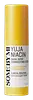
This brightening treatment is formulated around Niacinamide and Arbutin to fade the look of dark spots and brighten dull-looking skin.
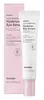
This anti-aging eye moisturizer is formulated around Sodium Hyaluronate and Madecassoside to soften the look of wrinkles and hydrate skin.

What's inside
What's inside
 Key Ingredients
Benefits
Concerns
Ingredients Side-by-side
Citrus Junos Fruit Extract 37%
Skin ConditioningButylene Glycol
Humectant

Bis-PEG-18 Methyl Ether Dimethyl Silane
EmollientGlycerin
Humectant
Niacinamide 5%
Smoothing









Sodium Stearate
CleansingPentylene Glycol
Skin Conditioning
1,2-Hexanediol
Skin Conditioning
Allantoin
Skin Conditioning
Ethylhexylglycerin
Skin ConditioningMelaleuca Alternifolia Leaf Extract
Perfuming
Centella Asiatica Extract
Cleansing
Polygonum Cuspidatum Root Extract
Antioxidant
Scutellaria Baicalensis Root Extract
Astringent
Camellia Sinensis Leaf Extract
Antimicrobial
Rosmarinus Officinalis Leaf Extract
AntimicrobialGlycyrrhiza Uralensis Root Extract
Skin Conditioning
Chamomilla Recutita Flower Extract
Masking
BHT
Antioxidant
Panthenol
Skin Conditioning
Arginine
Masking
Glutathione
Biotin
AntiseborrhoeicSodium Ascorbyl Phosphate
Antioxidant
Ascorbyl Tetraisopalmitate
Antioxidant

Arbutin
Antioxidant
Tocopheryl Acetate
Antioxidant
Folic Acid
Skin ConditioningPyridoxine Hcl
Skin ConditioningGlyceryl Linoleate
Emollient
Madecassoside
Antioxidant
CI 19140
Cosmetic ColorantCentella Asiatica Leaf Extract
Skin Conditioning
Asiaticoside
Antioxidant
Glyceryl Linolenate
Emollient
Glycyrrhiza Glabra Root Extract
Bleaching
Glyceryl Arachidonate
Emollient
Madecassic Acid
Skin Conditioning
Asiatic Acid
Skin Conditioning
Palmitoyl Dipeptide-10
Skin Conditioning
Palmitoyl Tetrapeptide-7
Skin Conditioning
Palmitoyl Tripeptide-1
Skin Conditioning
Ascorbyl Palmitate
Antioxidant
Parfum
Masking


Limonene
Perfuming
Citrus Junos Fruit Extract 37%, Butylene Glycol, Bis-PEG-18 Methyl Ether Dimethyl Silane, Glycerin, Niacinamide 5%, Sodium Stearate, Pentylene Glycol, 1,2-Hexanediol, Allantoin, Ethylhexylglycerin, Melaleuca Alternifolia Leaf Extract, Centella Asiatica Extract, Polygonum Cuspidatum Root Extract, Scutellaria Baicalensis Root Extract, Camellia Sinensis Leaf Extract, Rosmarinus Officinalis Leaf Extract, Glycyrrhiza Uralensis Root Extract, Chamomilla Recutita Flower Extract, BHT, Panthenol, Arginine, Glutathione, Biotin, Sodium Ascorbyl Phosphate, Ascorbyl Tetraisopalmitate, Arbutin, Tocopheryl Acetate, Folic Acid, Pyridoxine Hcl, Glyceryl Linoleate, Madecassoside, CI 19140, Centella Asiatica Leaf Extract, Asiaticoside, Glyceryl Linolenate, Glycyrrhiza Glabra Root Extract, Glyceryl Arachidonate, Madecassic Acid, Asiatic Acid, Palmitoyl Dipeptide-10, Palmitoyl Tetrapeptide-7, Palmitoyl Tripeptide-1, Ascorbyl Palmitate, Parfum, Limonene
Water
Skin ConditioningButylene Glycol
Humectant
Glycerin
Humectant
1,2-Hexanediol
Skin Conditioning
Dipropylene Glycol
HumectantGlycereth-26
Humectant
Xylitol
Humectant
Chondrus Crispus Extract
Skin Conditioning
C12-14 Pareth-12
EmulsifyingSodium Polyacryloyldimethyl Taurate
Emulsion StabilisingSaccharum Officinarum Extract
MoisturisingAcrylates/C10-30 Alkyl Acrylate Crosspolymer
Emulsion StabilisingHydrolyzed Jojoba Esters
Skin Conditioning
Tromethamine
BufferingSodium Hyaluronate
Humectant
Xanthan Gum
EmulsifyingEthylhexylglycerin
Skin ConditioningCitrus Aurantium Bergamia Fruit Oil
Masking

Citrus Aurantium Dulcis Peel Oil
Masking
Disodium EDTA
ChelatingBorago Officinalis Extract
Emollient
Centaurea Cyanus Flower Extract
Astringent
Chamomilla Recutita Flower/Leaf Extract
AntimicrobialHyacinthus Orientalis Extract
Skin ConditioningLavandula Angustifolia Flower Water
Skin Conditioning
Propanediol
Solvent
Salvia Sclarea Extract
AntiseborrhoeicMadecassoside
Antioxidant
Sodium Palmitoyl Proline
Skin ConditioningTocopherol
Antioxidant
Cucurbita Pepo Seed Oil
Emollient
Benzyl Glycol
SolventAsiaticoside
Antioxidant
Hydrolyzed Glycosaminoglycans
HumectantCentella Asiatica Leaf Extract
Skin Conditioning
Pentylene Glycol
Skin Conditioning
Sodium Hyaluronate Crosspolymer
Humectant
Hydrolyzed Hyaluronic Acid
Humectant
Nymphaea Alba Flower Extract
Skin ConditioningHydroxypropyltrimonium Hyaluronate
Cucurbita Pepo Fruit Extract
Skin Conditioning
Hyaluronic Acid
Humectant
Sodium Acetylated Hyaluronate
Humectant
Water, Butylene Glycol, Glycerin, 1,2-Hexanediol, Dipropylene Glycol, Glycereth-26, Xylitol, Chondrus Crispus Extract, C12-14 Pareth-12, Sodium Polyacryloyldimethyl Taurate, Saccharum Officinarum Extract, Acrylates/C10-30 Alkyl Acrylate Crosspolymer, Hydrolyzed Jojoba Esters, Tromethamine, Sodium Hyaluronate, Xanthan Gum, Ethylhexylglycerin, Citrus Aurantium Bergamia Fruit Oil, Citrus Aurantium Dulcis Peel Oil, Disodium EDTA, Borago Officinalis Extract, Centaurea Cyanus Flower Extract, Chamomilla Recutita Flower/Leaf Extract, Hyacinthus Orientalis Extract, Lavandula Angustifolia Flower Water, Propanediol, Salvia Sclarea Extract, Madecassoside, Sodium Palmitoyl Proline, Tocopherol, Cucurbita Pepo Seed Oil, Benzyl Glycol, Asiaticoside, Hydrolyzed Glycosaminoglycans, Centella Asiatica Leaf Extract, Pentylene Glycol, Sodium Hyaluronate Crosspolymer, Hydrolyzed Hyaluronic Acid, Nymphaea Alba Flower Extract, Hydroxypropyltrimonium Hyaluronate, Cucurbita Pepo Fruit Extract, Hyaluronic Acid, Sodium Acetylated Hyaluronate
Ingredients Explained
These ingredients are found in both products.
Ingredients higher up in an ingredient list are typically present in a larger amount.
1,2-Hexanediol is a synthetic liquid and another multi-functional powerhouse.
It is a:
- Humectant, drawing moisture into the skin
- Emollient, helping to soften skin
- Solvent, dispersing and stabilizing formulas
- Preservative booster, enhancing the antimicrobial activity of other preservatives
Asiaticoside comes from the super popular skin-soothing ingredient, Centella asiatica. It's the reason centella-based products have a strong reputation for repairing and calming skin, along with its sibling compound Madecassoside.
Research from 2016-2025 supports its role in:
You'll usually find this in concentrations between 0.2-5%.
Learn more about AsiaticosideButylene Glycol (or BG) is used within cosmetic products for a few different reasons:
Overall, Butylene Glycol is a safe and well-rounded ingredient that works well with other ingredients.
Though this ingredient works well with most skin types, some people with sensitive skin may experience a reaction such as allergic rashes, closed comedones, or itchiness.
Learn more about Butylene GlycolCentella Asiatica Leaf Extract comes from the leaves of an herb plant native to Southeast Asia. Centella Asiatica is rich in antioxidants and amino acids. It can help reduce irritation and soothe the skin.
Many active components found in centella asiatica, such as Madecassic Acid and Asiaticoside, encourage the skin to naturally produce hyaluronic acid. This helps keep our skin hydrated. Many of these components also show antioxidant activity and may help reduce the signs of aging.
Research shows centella asiatica can help increase Type I collagen production by increasing fibroblast production. Fibroblast helps form connective tissue.
The combination of all these properties makes centella asiatica leaf extract effective at soothing the skin.
Other components of centella asiatica leaf extract include Vitamin A, vitamin C, several B vitamins, and Asiatic Acid.
Recent studies found madecassoside may help prevent damage from UV rays by preventing UV-induced inflammation. Further research is needed.
This plant has been used as a medicine and in food for many centuries. As a medicine, it is used to treat burns, scratches, and wounds.
Learn more about Centella Asiatica Leaf ExtractEthylhexylglycerin is created from glycerin. It is a multitasker ingredient that:
The CIR Expert Panel found minimal skin absorption or sensitization of any kind in a safety assessment. Though this ingredient is considered well-tolerated, a small number of cases of allergic dermatitis have been published since 2002. Just be sure to patch test if you are unsure.
Industry-reported use ranges from 8% in rinse-off products and 2% in leave-on formulations.
Learn more about EthylhexylglycerinGlycerin (or glycerol) is a compound naturally found in your skin. It's a powerhouse humectant that pulls water into the stratum corneum.
Topically, glycerin does several things at once:
Your skin makes glycerin on its own (mostly from sebaceous oil breakdown) and shuttles it to your outermost layer of skin, or your epidermis, via aquaporin-3.
Aquaporin-3 is a transporter that is essential for normal skin hydration, elasticity, and repair. Interestingly, mice lacking in AQP3 have dry and less elastic skin that can be fully corrected with glycerin.
This ingredient is non-irritating, plays well with almost every ingredient, and works across all skin types. Typical use is anywhere between 3-10% but can go up to 79% in some leave-on products.
Just know very high concentrations (>40%) can feel tacky in low humidity.
Glycerin is the name for this ingredient in American English. British English uses Glycerol/Glycerine.
Learn more about GlycerinMadecassoside is one of four active compounds found in Centella asiatica and is one of the main reasons Centella is so effective at calming irritated skin and supporting the moisture barrier.
There's a solid body of peer-reviewed research backing Madecassoside for several skin benefits. Studies have found:
Madecassoside pairs well with other hydrating or antioxidant ingredients like Ascorbic Acid or Hyaluronic Acid.
Learn more about MadecassosidePentylene Glycol (1,2-pentanediol) is a multitasking little diol with three main roles in a formula:
Research on alkanediols (the family pentylene glycol belongs to) show they work by disrupting microbial cell membranes. This disruption helps the primary preservative system in a product work more effectively at lower doses.
On the safety side, the Cosmetic Ingredient Review Expert Panel has concluded this ingredient to be safe as used in current cosmetic practices + concentrations.
Typical use levels in a formula run about 1-5%.
Learn more about Pentylene Glycol

