Some By Mi Propolis B5 Glow Barrier Calming Mask Versus Beauty of Joseon Red Bean Refreshing Pore Mask
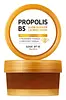
This wash off mask is made with Propolis Extract and Niacinamide for a rinse-off barrier-support boost.
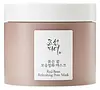
This wash off mask is made with Kaolin for a rinse-off pore-care boost.

What's inside
What's inside
 Key Ingredients
Benefits
Concerns
Ingredients Side-by-side
Propolis Extract 70%
Skin Conditioning




Honey Extract
Humectant
Butylene Glycol
Humectant
Glycerin
Humectant
Niacinamide
Smoothing






1,2-Hexanediol
Skin Conditioning
Centella Asiatica Extract
Cleansing
Panthenol 1%
Skin Conditioning
Phormium Tenax Leaf Water
Antioxidant
Lactobacillus Ferment Lysate
Skin Conditioning
Royal Jelly Extract
Skin Conditioning
Beeswax
Emulsion Stabilising




Centella Asiatica Leaf Extract
Skin Conditioning
Artemisia Vulgaris Extract
Skin Conditioning
Madecassoside
Antioxidant
Madecassic Acid
Skin Conditioning
Asiaticoside
Antioxidant
Asiatic Acid
Skin Conditioning
Ceramide NP
Skin Conditioning
Sodium Hyaluronate
Humectant
Hydrolyzed Hyaluronic Acid
Humectant
Sodium Acetylated Hyaluronate
Humectant
Hydrolyzed Glycosaminoglycans
HumectantSimmondsia Chinensis Seed Oil
Emollient
Malt Extract
Skin ProtectingTrehalose
Humectant
Arginine
Masking
Tocopherol
Antioxidant
Adenosine
Skin Conditioning
Diphenylsiloxy Phenyl Trimethicone
Skin Conditioning
Caprylyl Methicone
Skin Conditioning
Sorbitan Oleate
Emulsifying
Inulin Lauryl Carbamate
Emulsion StabilisingBehenyl Alcohol
Emollient
Sorbitan Isostearate
Emulsifying
Caprylyl/Capryl Glucoside
CleansingXanthan Gum
EmulsifyingCarbomer
Emulsion StabilisingDimethicone/Phenyl Vinyl Dimethicone Crosspolymer
Acrylates/C10-30 Alkyl Acrylate Crosspolymer
Emulsion StabilisingSodium Acrylate/Sodium Acryloyldimethyl Taurate Copolymer
Emulsion StabilisingPolyisobutene
Water
Skin ConditioningBenzyl Glycol
SolventEthylhexylglycerin
Skin ConditioningRaspberry Ketone
Masking

Disodium EDTA
ChelatingParfum
Masking
Benzyl Alcohol
Perfuming


Coumarin
Perfuming
Propolis Extract 70%, Honey Extract, Butylene Glycol, Glycerin, Niacinamide, 1,2-Hexanediol, Centella Asiatica Extract, Panthenol 1%, Phormium Tenax Leaf Water, Lactobacillus Ferment Lysate, Royal Jelly Extract, Beeswax, Centella Asiatica Leaf Extract, Artemisia Vulgaris Extract, Madecassoside, Madecassic Acid, Asiaticoside, Asiatic Acid, Ceramide NP, Sodium Hyaluronate, Hydrolyzed Hyaluronic Acid, Sodium Acetylated Hyaluronate, Hydrolyzed Glycosaminoglycans, Simmondsia Chinensis Seed Oil, Malt Extract, Trehalose, Arginine, Tocopherol, Adenosine, Diphenylsiloxy Phenyl Trimethicone, Caprylyl Methicone, Sorbitan Oleate, Inulin Lauryl Carbamate, Behenyl Alcohol, Sorbitan Isostearate, Caprylyl/Capryl Glucoside, Xanthan Gum, Carbomer, Dimethicone/Phenyl Vinyl Dimethicone Crosspolymer, Acrylates/C10-30 Alkyl Acrylate Crosspolymer, Sodium Acrylate/Sodium Acryloyldimethyl Taurate Copolymer, Polyisobutene, Water, Benzyl Glycol, Ethylhexylglycerin, Raspberry Ketone, Disodium EDTA, Parfum, Benzyl Alcohol, Coumarin
Water
Skin ConditioningGlycerin
Humectant
Kaolin
Abrasive
Caprylic/Capric Triglyceride
Masking
1,2-Hexanediol
Skin Conditioning
Phaseolus Angularis Seed Powder
Hectorite
AbsorbentCetyl Alcohol
Emollient
Glyceryl Stearate Se
Emulsifying
Cetearyl Olivate
Sorbitan Olivate
Emulsifying
Phaseolus Angularis Seed Extract
Antioxidant
Ultramarines
Pyrus Communis Fruit Extract
Skin ConditioningEthylhexylglycerin
Skin ConditioningSodium Acrylate/Sodium Acryloyldimethyl Taurate Copolymer
Emulsion StabilisingHedera Helix Leaf/Stem Extract
AntimicrobialPolyisobutene
Fragaria Chiloensis Fruit Extract
Skin Conditioning
Pyrus Malus Leaf Extract
Skin ConditioningCI 77491
Cosmetic ColorantCaprylyl/Capryl Glucoside
CleansingSorbitan Oleate
Emulsifying
Triethoxycaprylylsilane
Water, Glycerin, Kaolin, Caprylic/Capric Triglyceride, 1,2-Hexanediol, Phaseolus Angularis Seed Powder, Hectorite, Cetyl Alcohol, Glyceryl Stearate Se, Cetearyl Olivate, Sorbitan Olivate, Phaseolus Angularis Seed Extract, Ultramarines, Pyrus Communis Fruit Extract, Ethylhexylglycerin, Sodium Acrylate/Sodium Acryloyldimethyl Taurate Copolymer, Hedera Helix Leaf/Stem Extract, Polyisobutene, Fragaria Chiloensis Fruit Extract, Pyrus Malus Leaf Extract, CI 77491, Caprylyl/Capryl Glucoside, Sorbitan Oleate, Triethoxycaprylylsilane
Reviews
Ingredients Explained
These ingredients are found in both products.
Ingredients higher up in an ingredient list are typically present in a larger amount.
1,2-Hexanediol is a synthetic liquid and another multi-functional powerhouse.
It is a:
- Humectant, drawing moisture into the skin
- Emollient, helping to soften skin
- Solvent, dispersing and stabilizing formulas
- Preservative booster, enhancing the antimicrobial activity of other preservatives
This ingredient is a mild surfactant made by sticking glucose onto a blend of fatty acids.
It does two jobs because it has a sugar head that loves water and a fatty tail that loves oil:
Typical use levels range from 10-20% in cleansers and 15-30% in shower products.
Once on your skin, your skin's glucoside hydrolases breaks it down into glucose and the parent fatty alcohols.
This ingredient is considered fungal acne safe because its fatty alcohol portion sits outside the Malassezia yeast's metabolization range.
Learn more about Caprylyl/Capryl GlucosideEthylhexylglycerin is created from glycerin. It is a multitasker ingredient that:
The CIR Expert Panel found minimal skin absorption or sensitization of any kind in a safety assessment. Though this ingredient is considered well-tolerated, a small number of cases of allergic dermatitis have been published since 2002. Just be sure to patch test if you are unsure.
Industry-reported use ranges from 8% in rinse-off products and 2% in leave-on formulations.
Learn more about EthylhexylglycerinGlycerin (or glycerol) is a compound naturally found in your skin. It's a powerhouse humectant that pulls water into the stratum corneum.
Topically, glycerin does several things at once:
Your skin makes glycerin on its own (mostly from sebaceous oil breakdown) and shuttles it to your outermost layer of skin, or your epidermis, via aquaporin-3.
Aquaporin-3 is a transporter that is essential for normal skin hydration, elasticity, and repair. Interestingly, mice lacking in AQP3 have dry and less elastic skin that can be fully corrected with glycerin.
This ingredient is non-irritating, plays well with almost every ingredient, and works across all skin types. Typical use is anywhere between 3-10% but can go up to 79% in some leave-on products.
Just know very high concentrations (>40%) can feel tacky in low humidity.
Glycerin is the name for this ingredient in American English. British English uses Glycerol/Glycerine.
Learn more about GlycerinPolyisobutene is a synthetic polymer made from isobutene.
It is a film-forming agent and helps bind ingredients together.
Polyisobutene is not absorbed by the skin.
Learn more about PolyisobuteneThis long ingredient is a copolymer of sodium acrylate and sodium acryloyldimethyl taurate monomers.
It is used to help stabilize other ingredients and create a thicker gel-like texture.
Emulsifiers prevent oils and waters from separating.
Learn more about Sodium Acrylate/Sodium Acryloyldimethyl Taurate CopolymerSorbitan Oleate is a PEG-free emulsifier made by esterifying sorbitol with oleic acid.
You'll likely see it paired with Polysorbate 80 to create the right emulsification balance.
Typical use levels in formulas range from 2-10%.
The CIR Expert Panel has concluded this ingredient to be safe as a cosmetic ingredient.
Since this ingredient is an ester of oleic acid, it may not be fungal acne safe. Oleic acid is a fatty acid that falls into the C11-24 range that Malassezia can metabolize.
This ingredient does have a comedogenic rating of 3, but this doesn't mean a formula with this ingredient will clog pores. Human testing has proved that any finished product with a comedogenic ingredient won't automatically make you break out; it really comes down to concentration, formula, and your skin.
Learn more about Sorbitan OleateWater. It's the most common cosmetic ingredient of all. You'll usually see it at the top of ingredient lists, meaning that it makes up the largest part of the product.
So why is it so popular? Water most often acts as a solvent - this means that it helps dissolve other ingredients into the formulation.
You'll also recognize water as that liquid we all need to stay alive. If you see this, drink a glass of water. Remember to stay hydrated!
Learn more about Water

