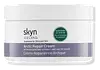
This barrier-repair moisturizer is formulated around Squalane and Avena Sativa Kernel Flour to strengthen the skin barrier and hydrate skin.
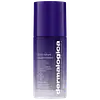
This anti-aging moisturizer is formulated around Simmondsia Chinensis Seed Oil and Squalane to soften the look of wrinkles and hydrate skin.

What's inside
What's inside
 Key Ingredients
Benefits
Concerns
Ingredients Side-by-side
Water
Skin ConditioningCaprylic/Capric Triglyceride
Masking


Glycerin
Humectant
Squalane
Emollient
Glyceryl Stearate Citrate
Emollient

Glyceryl Stearate Se
Emulsifying


Cetearyl Alcohol
Emollient
Propanediol
Solvent
Angelica Archangelica Root Water
Skin ConditioningAvena Sativa Kernel Flour
Abrasive

Chondrus Crispus Extract
Skin Conditioning
Jojoba Oil/Macadamia Seed Oil Esters
Skin Conditioning
Oxycoccus Palustris Seed Oil
Antioxidant
Rubus Chamaemorus Seed Oil
Skin Conditioning
Laminaria Saccharina Extract
Skin Protecting
Squalene
Emollient
Pentylene Glycol
Skin Conditioning
Emblica Officinalis Fruit Extract
Skin ConditioningLinoleic Acid
Cleansing

Linolenic Acid
Cleansing

Sodium PCA
Humectant
Vaccinium Myrtillus Seed Oil
Skin Conditioning
Sodium Hyaluronate
Humectant
Buddleja Davidii Extract
Skin ConditioningThymus Vulgaris Flower/Leaf Extract
MaskingSimmondsia Chinensis Seed Oil
Emollient
Ginkgo Biloba Leaf Extract
Skin Conditioning
Glycosphingolipids
EmollientRosmarinus Officinalis Leaf Extract
AntimicrobialHelianthus Annuus Seed Oil
Emollient
Ethylhexylglycerin
Skin ConditioningArginine
Masking
Phytosterols
Skin Conditioning
Tocopherol
Antioxidant

Tocopheryl Acetate
Antioxidant
Caprylyl Glycol
Emollient
Phenoxyethanol
Preservative
Xanthan Gum
EmulsifyingAcrylates/C10-30 Alkyl Acrylate Crosspolymer
Emulsion StabilisingPhytosteryl Macadamiate
Skin Conditioning
Perfluorodecalin
Skin ConditioningHydroxyphenyl Propamidobenzoic Acid
Skin ConditioningSorbic Acid
Preservative
Sucrose Palmitate
EmollientButylene Glycol
Humectant
Citric Acid
Buffering
Sodium Hydroxide
BufferingPotassium Sorbate
Preservative
Sodium Benzoate
Masking
Water, Caprylic/Capric Triglyceride, Glycerin, Squalane, Glyceryl Stearate Citrate, Glyceryl Stearate Se, Cetearyl Alcohol, Propanediol, Angelica Archangelica Root Water, Avena Sativa Kernel Flour, Chondrus Crispus Extract, Jojoba Oil/Macadamia Seed Oil Esters, Oxycoccus Palustris Seed Oil, Rubus Chamaemorus Seed Oil, Laminaria Saccharina Extract, Squalene, Pentylene Glycol, Emblica Officinalis Fruit Extract, Linoleic Acid, Linolenic Acid, Sodium PCA, Vaccinium Myrtillus Seed Oil, Sodium Hyaluronate, Buddleja Davidii Extract, Thymus Vulgaris Flower/Leaf Extract, Simmondsia Chinensis Seed Oil, Ginkgo Biloba Leaf Extract, Glycosphingolipids, Rosmarinus Officinalis Leaf Extract, Helianthus Annuus Seed Oil, Ethylhexylglycerin, Arginine, Phytosterols, Tocopherol, Tocopheryl Acetate, Caprylyl Glycol, Phenoxyethanol, Xanthan Gum, Acrylates/C10-30 Alkyl Acrylate Crosspolymer, Phytosteryl Macadamiate, Perfluorodecalin, Hydroxyphenyl Propamidobenzoic Acid, Sorbic Acid, Sucrose Palmitate, Butylene Glycol, Citric Acid, Sodium Hydroxide, Potassium Sorbate, Sodium Benzoate
Water
Skin ConditioningSimmondsia Chinensis Seed Oil
Emollient
Glycerin
Humectant
Neopentyl Glycol Diheptanoate
EmollientSqualane
Emollient
Hydrogenated Ethylhexyl Olivate
EmollientPropanediol
Solvent
Caprylic/Capric Triglyceride
Masking
Pentylene Glycol
Skin Conditioning
Camellia Japonica Seed Oil
Emollient
Butylene Glycol
Humectant
C12-15 Alkyl Benzoate
AntimicrobialSodium Hyaluronate
Humectant
Ubiquinone
Antioxidant
Glycine Soja Oil
Emollient
PEG-40 Hydrogenated Castor Oil
Emulsifying
Helianthus Annuus Seed Oil
Emollient
Citrus Aurantium Bergamia Fruit Oil
Masking

Citrus Limon Peel Oil
Masking

Rosmarinus Officinalis Leaf Extract
AntimicrobialViola Odorata Leaf Extract
MaskingCarthamus Tinctorius Seed Oil
Masking
Tropaeolum Majus Flower/Leaf/Stem Extract
Skin ConditioningAstragalus Membranaceus Root Extract
Emollient
Spilanthes Acmella Flower/Leaf/Stem Extract
AntimicrobialLavandula Spica Flower/Leaf/Stem Extract
Skin ConditioningLigustrum Lucidum Seed Extract
Skin ConditioningCitrus Aurantium Dulcis Oil
Masking
Rosmarinus Officinalis Flower/Leaf/Stem Extract
MaskingSalvia Sclarea Extract
AntiseborrhoeicLitsea Cubeba Fruit Oil
Masking
Mentha Piperita Flower/Leaf/Stem Extract
Masking
Luffa Cylindrica Root Extract
Skin ConditioningHydrogenated Olive Oil Unsaponifiables
Emollient
Tocopherol
Antioxidant
Phospholipids
Skin Conditioning
Glycogen
HumectantCaprylyl Glycol
Emollient
Glycolipids
Skin ConditioningAcrylates/C10-30 Alkyl Acrylate Crosspolymer
Emulsion StabilisingGlycine Soja Sterols
Emollient
Dicaprylyl Ether
Emollient
Xanthan Gum
EmulsifyingC15-19 Alkane
SolventEthylhexylglycerin
Skin ConditioningPolysorbate 20
Emulsifying
Tetrasodium Glutamate Diacetate
ChelatingPhytic Acid
Chelating
Lauryl Glucoside
CleansingSodium Hydroxide
BufferingSodium Acrylate/Sodium Acryloyldimethyl Taurate Copolymer
Emulsion StabilisingSodium Benzoate
Masking
Water, Simmondsia Chinensis Seed Oil, Glycerin, Neopentyl Glycol Diheptanoate, Squalane, Hydrogenated Ethylhexyl Olivate, Propanediol, Caprylic/Capric Triglyceride, Pentylene Glycol, Camellia Japonica Seed Oil, Butylene Glycol, C12-15 Alkyl Benzoate, Sodium Hyaluronate, Ubiquinone, Glycine Soja Oil, PEG-40 Hydrogenated Castor Oil, Helianthus Annuus Seed Oil, Citrus Aurantium Bergamia Fruit Oil, Citrus Limon Peel Oil, Rosmarinus Officinalis Leaf Extract, Viola Odorata Leaf Extract, Carthamus Tinctorius Seed Oil, Tropaeolum Majus Flower/Leaf/Stem Extract, Astragalus Membranaceus Root Extract, Spilanthes Acmella Flower/Leaf/Stem Extract, Lavandula Spica Flower/Leaf/Stem Extract, Ligustrum Lucidum Seed Extract, Citrus Aurantium Dulcis Oil, Rosmarinus Officinalis Flower/Leaf/Stem Extract, Salvia Sclarea Extract, Litsea Cubeba Fruit Oil, Mentha Piperita Flower/Leaf/Stem Extract, Luffa Cylindrica Root Extract, Hydrogenated Olive Oil Unsaponifiables, Tocopherol, Phospholipids, Glycogen, Caprylyl Glycol, Glycolipids, Acrylates/C10-30 Alkyl Acrylate Crosspolymer, Glycine Soja Sterols, Dicaprylyl Ether, Xanthan Gum, C15-19 Alkane, Ethylhexylglycerin, Polysorbate 20, Tetrasodium Glutamate Diacetate, Phytic Acid, Lauryl Glucoside, Sodium Hydroxide, Sodium Acrylate/Sodium Acryloyldimethyl Taurate Copolymer, Sodium Benzoate
Reviews
Ingredients Explained
These ingredients are found in both products.
Ingredients higher up in an ingredient list are typically present in a larger amount.
Acrylates/C10-30 Alkyl Acrylate Crosspolymer is a synthetic polymer. It is used to thicken, emulsify, and improve the texture of products.
As an emulsifier, it helps stabilize oil-in-water emulsions to give products an elegant feel when applied.
It can also form a thin protective film on skin. One study found that a formula using this polymer helped slow down how quickly other ingredients (like DEET) were absorbed through skin.
A 2024 study of over 1,300 patients confirmed that sensitization to this ingredient is rare. It is also non-mutagenic and has a clean track record.
Learn more about Acrylates/C10-30 Alkyl Acrylate CrosspolymerButylene Glycol (or BG) is used within cosmetic products for a few different reasons:
Overall, Butylene Glycol is a safe and well-rounded ingredient that works well with other ingredients.
Though this ingredient works well with most skin types, some people with sensitive skin may experience a reaction such as allergic rashes, closed comedones, or itchiness.
Learn more about Butylene GlycolCaprylic/Capric Triglyceride (aka MCT Oil) is a lightweight emollient, solvent, and texture enhancer. It is considered a skin-softener by helping to prevent moisture loss.
Though it behaves like an oil, it is not technically one due to its chemical composition. One perk of this ingredient is that it is very stable, resistant to oxidation, and unlikely to go rancid.
In practice, that translates to a long shelf life and a consistently elegant skin feel.
While there is an assumption Caprylic Triglyceride can clog pores due to it being derived from coconut oil, there is no research supporting this. Just patch test if you have concerns.
Fractionated coconut oil and MCT Oil are both listed as Caprylic/Capric Triglyceride according to INCI. This is because INCI names are based on the ingredient’s final chemical composition and not its marketing name or source.
This ingredient is treated as the gold standard fungal acne safe oil. Even though it is coconut derived, the problematic lauric acid is stripped out.
This leaves just caprylic (C8) and capric (C10) acid. These chain lengths actually trend antifungal; a 2020 study found caprylic acid was enough to disrupt Malassezia furfur cell membrane, with a caprylic acid derivative damaging membrane structures at concentrations as low as 0.2%.
Learn more about Caprylic/Capric TriglycerideCaprylyl Glycol is a humectant, skin conditioner, emollient, and preservative booster derived from either caprylic acid or synthetically created.
Typical use levels vary from 0.3-1% as a preservative booster and go up to 2% to condition skin.
Because it is not a free-fatty acid, this ingredient is fungal acne safe (there's nothing for Malassezia to feed on).
Learn more about Caprylyl GlycolEthylhexylglycerin is created from glycerin. It is a multitasker ingredient that:
The CIR Expert Panel found minimal skin absorption or sensitization of any kind in a safety assessment. Though this ingredient is considered well-tolerated, a small number of cases of allergic dermatitis have been published since 2002. Just be sure to patch test if you are unsure.
Industry-reported use ranges from 8% in rinse-off products and 2% in leave-on formulations.
Learn more about EthylhexylglycerinGlycerin (or glycerol) is a compound naturally found in your skin. It's a powerhouse humectant that pulls water into the stratum corneum.
Topically, glycerin does several things at once:
Your skin makes glycerin on its own (mostly from sebaceous oil breakdown) and shuttles it to your outermost layer of skin, or your epidermis, via aquaporin-3.
Aquaporin-3 is a transporter that is essential for normal skin hydration, elasticity, and repair. Interestingly, mice lacking in AQP3 have dry and less elastic skin that can be fully corrected with glycerin.
This ingredient is non-irritating, plays well with almost every ingredient, and works across all skin types. Typical use is anywhere between 3-10% but can go up to 79% in some leave-on products.
Just know very high concentrations (>40%) can feel tacky in low humidity.
Glycerin is the name for this ingredient in American English. British English uses Glycerol/Glycerine.
Learn more about GlycerinHelianthus Annuus Seed Oil is a plant oil derived from the seeds of a sunflower.
It is rich in fatty acids, primarily linoleic acid and oleic acid. This gives it emollient and skin conditioning properties.
The reason this ingredient is so effective is because it forms a thin film on the skin that reduces transepidermal water loss (TEWL) while supplying linoleic acid to the stratum corneum to improve barrier strength.
The high linoleic acid content is particularly noteworthy for acne-prone skin.
Research suggests that acne-prone skin tends to be deficient in linoleic acid in sebum. Topical application may help replenish this to support a healthier follicular environment and less comedone-promoting sebum.
One randomized study found sunflower seed oil preserved skin barrier integrity in adult volunteers with and without atopic dermatitis (outperforming olive oil).
This ingredient is well-studied, gentle, and an effective emollient suitable for most skin types.
On fungal acne: This ingredient may not be Fungal acne (Malassezia folliculitis) safe. This is because it contains fatty acids with carbon chain lengths in the C11-C24 range.
Learn more about Helianthus Annuus Seed OilPentylene Glycol (1,2-pentanediol) is a multitasking little diol with three main roles in a formula:
Research on alkanediols (the family pentylene glycol belongs to) show they work by disrupting microbial cell membranes. This disruption helps the primary preservative system in a product work more effectively at lower doses.
On the safety side, the Cosmetic Ingredient Review Expert Panel has concluded this ingredient to be safe as used in current cosmetic practices + concentrations.
Typical use levels in a formula run about 1-5%.
Learn more about Pentylene GlycolPropanediol is an all-star ingredient. It softens, hydrates, and smooths the skin.
It’s often used to:
Propanediol is not likely to cause sensitivity and considered safe to use. It is derived from corn or petroleum with a clear color and no scent.
Learn more about PropanediolThis is a botanical extract from the rosemary plant (the same one you cook with). In skincare, it mostly works as a skin conditioning agent.
Its activity comes from a handful of polyphenols, carnosic acid, carnosol, and rosmarinic acid. Almost 90% of the antioxidant activity of this ingredient can be attributed to canosol and carnosic acid.
These compounds protect your skin two ways:
1) They fight off free radicals, or the unstable molecules from things like sun and pollution that age and damage skin.
2) They help calm inflammation by switching off the chemical signals that tell skin to get red and irritated.
Lab studies also suggest that rosmarinic acid may help protect collagen and slow sugar-related damage to it.
The Cosmetic Ingredient Review has concluded rosemary-derived ingredients to be safe when formulated to be non-sensitizing.
Rosemary can occasionally cause allergic contact dermatitis (due to carnosol), so be sure to patch test if you have reactive or fragrance-sensitive skin.
Learn more about Rosmarinus Officinalis Leaf ExtractJojoba oil is one of the most well-studied plant-derived ingredients in cosmetics. It is an emollient with a special structure.
Because it is made up of 97-98% wax esters, it closely mirrors the linear monoesters found in human sebum. This makes it skin compatible, non-greasy, and lightweight.
Unlike other plant oils, jojoba wax doesn't easily penetrate skin. It mostly works in the uppermost layers as an emollient. This just means it forms a light barrier on the skin to help retain moisture.
Formulations with jojoba esters up to 90% reduced transepidermal water loss (TEWL) and increased barrier recovery by 81% (outperforming bisabolol at 47%).
Besides barrier support, the science also suggests jojoba to have anti-inflammatory effects and potential applications for skin infections, aging, and wound healing.
Fun fact: Indigenous cultures have used jojoba as a moisturizer and to help treat burns for centuries.
Fungal acne: The Malassezia yeast is known to metabolize fatty acids in the C11-24 range and jojoba's dominant fatty acid components fall into this range. This ingredient may not be fungal acne safe.
Learn more about Simmondsia Chinensis Seed OilSodium Benzoate is a preservative. It's used in both cosmetic and food products to inhibit the growth of mold and bacteria. It is typically produced synthetically.
Both the US FDA and EU Health Committee have approved the use of sodium benzoate. In the US, levels of 0.1% (of the total product) are allowed.
Sodium benzoate works as a preservative by inhibiting the growth of bacteria inside of cells. It prevents the cell from fermenting a type of sugar using an enzyme called phosphofructokinase.
It is the salt of benzoic acid. Foods containing sodium benzoate include soda, salad dressings, condiments, fruit juices, wines, and snack foods.
Studies for using ascorbic acid and sodium benzoate in cosmetics are lacking, especially in skincare routines with multiple steps.
We always recommend speaking with a professional, such as a dermatologist, if you have any concerns.
Learn more about Sodium BenzoateSodium Hyaluronate is the salt form of hyaluronic acid. It is a long sugar chain that is naturally found in your skin, joints, and connective tissue that maintains hydration and elasticity.
In skincare, it works as a humectant. It pulls water from the environment and deeper layers of skin and binds it to the surface.
Interestingly, the size of the molecule affects its behavior:
Some clinical evidence links low molecular weight versions to improved wrinkle depth, elasticity, anti-inflammatory effects, and barrier repair.
Many serums use a blend of both weights so you can get surface hydration plus longer-lasting and deeper effects.
You'll typically see concentrations between 0.1-2% for this ingredient.
Learn more about Sodium HyaluronateSodium Hydroxide is also known as lye or caustic soda. It is used to adjust the pH of products; many ingredients require a specific pH to be effective.
In small amounts, sodium hydroxide is considered safe to use. However, large amounts may cause chemical burns due to its high alkaline.
Your skin has a natural pH and acid mantle. This acid mantle helps prevent harmful bacteria from breaking through. The acid mantle also helps keep your skin hydrated.
"Alkaline" refers to a high pH level. A low pH level would be considered acidic.
Learn more about Sodium HydroxideSqualane is the hydrogenated and shelf-stable form of squalene (a lipid that naturally occurs in human sebum).
It is an emollient and skin conditioning agent that is able to integrate seamlessly into the skin's lipid barrier without clogging pores.
This is due to how structurally similar it is to what your skin already produces.
Though it is mostly an emollient that helps soften and hydrate skin, it also has some humectant and occlusive action. Humectants help the skin retain moisture while occlusives seal it in, making squalane a triple-threat moisturizer.
Research shows it has antioxidant capabilities that help protect against stressors like UV exposure, specifically UVA induced oxidative stress. This study also found that it supports collagen biosynthesis in human dermal fibroblasts.
No clinical study has reported significant adverse effects and irritation reactions are very rare from this ingredient (even at 100% concentration).
Overall, it's a fantastic ingredient for hydration and is suitable for all skin types.
This depends on the source. Squalane can be derived from both plants and animals. Most squalane used in skincare comes from plants.
Please note: the source of squalane is only known if disclosed by the brand. We recommend reaching out to the brand if you have any questions about their squalane.
Read more about squalene with an "e".
Though squalane is often called an oil, it’s technically not one. It is a hydrocarbon, meaning it is only made of carbon and hydrogen. True oils are triglycerides and made of fatty acids and glycerol.
The term “oil-free” isn’t regulated so companies can define it however they want. Some exclude all oils, while others just avoid mineral oil or comedogenic oils.
Squalane has a comedogenic rating of 1 from the original 1972 study that tested raw ingredients under occlusion on rabbit ears. This system is not standardized or peer-reviewed, and using the raw ingredients is very different from how diluted cosmetic formulations are used on human skin.
A comedogenic rating of 1 means it is "unlikely to clog pores" according to the original rating system.
The overall formula of a product matters more than the individual ingredients on whether or not it will cause clogged pores.
Learn more about SqualaneTocopherol is a fat-soluble antioxidant known as Vitamin E.
You'll find this ingredient in the vast majority of skincare (for good reason). It works to neutralize free radicals, or unstable molecules generated by UV exposure, pollution, and other environmental stressors, before they can cause oxidative damage to your skin cells.
Topically applied tocopherol has been shown to protect against UV damage by ramping up the skin's own natural defense enzymes.
It also acts as a skin conditioning agent; some studies show that regular topical use can improve the skin's water-binding capacity over 2-4 weeks.
This ingredient is especially loved for being a team player. When combined with Vitamin C, the photoprotective effect of both ingredients roughly doubles and the combo also helps reduce UV-induced DNA damage.
This ingredient has some brightening potential but it's more of a prevention ingredient than spot-fader. Cell studies show it can slow down melanin production but it's worth noting that it's not the most powerful brightener out there.
In formulations, it also serves as a stabilizer that helps protect other oxidation-prone ingredients from degrading.
Concentrations usually range from 0.1-1% in most leave-on products.
Learn more about TocopherolWater. It's the most common cosmetic ingredient of all. You'll usually see it at the top of ingredient lists, meaning that it makes up the largest part of the product.
So why is it so popular? Water most often acts as a solvent - this means that it helps dissolve other ingredients into the formulation.
You'll also recognize water as that liquid we all need to stay alive. If you see this, drink a glass of water. Remember to stay hydrated!
Learn more about WaterXanthan gum is used as a stabilizer and thickener within cosmetic products. It helps give products a sticky, thick feeling - preventing them from being too runny.
On the technical side of things, xanthan gum is a polysaccharide - a combination consisting of multiple sugar molecules bonded together.
Xanthan gum is a pretty common and great ingredient. It is a natural, non-toxic, non-irritating ingredient that is also commonly used in food products.
Learn more about Xanthan Gum

