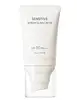
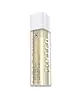
Skintific Sensitive Serum Sunscreen SPF 50 Versus Skinmade Skin Miracle Broad-Spectrum + Blue Light Sunscreen SPF 50+
This chemical sunscreen covers the full UV range and blocks ~98% of UVB at SPF 50.
This hybrid sunscreen covers the full UV range and blocks ~98% of UVB at SPF 50.


What's inside
What's inside
 Key Ingredients
Benefits
Concerns
Ingredients Side-by-side
Water
Skin ConditioningOctocrylene
UV Absorber



Ethylhexyl Salicylate
UV Absorber
Butyl Methoxydibenzoylmethane
UV Absorber
Dimethicone
Emollient

Phenylbenzimidazole Sulfonic Acid
UV Absorber
Polysilicone-15
UV Filter
Neopentyl Glycol Diheptanoate
EmollientVinyl Dimethicone/Methicone Silsesquioxane Crosspolymer

Silica
Abrasive

Tromethamine
BufferingMethylpropanediol
SolventSodium Stearoyl Glutamate
Cleansing1,2-Hexanediol
Skin Conditioning
Hydroxyacetophenone
Antioxidant
Bis-Ethylhexyloxyphenol Methoxyphenyl Triazine
Skin Conditioning
Acrylates/Steareth-20 Methacrylate Copolymer
Jojoba Esters
Emollient

Glyceryl Stearates
Emollient
Stearyl Alcohol
Emollient
Cetyl Alcohol
Emollient
Butylene Glycol
Humectant
Bisabolol
Antioxidant

Helianthus Annuus Seed Wax
Skin Conditioning
Niacinamide
Smoothing





Sodium Hydroxide
BufferingSphingomonas Ferment Extract
Skin Conditioning
Ethylhexylglycerin
Skin ConditioningDisodium EDTA
Hydroxypropyl Cyclodextrin
MaskingUndecylenoyl Phenylalanine
Skin Conditioning
Dipropylene Glycol
HumectantPolyglycerin-3
Humectant
Pinus Densiflora Leaf Extract
Antimicrobial
Lactobacillus Ferment
Skin Conditioning
Zingiber Officinale Root Extract
Masking
Tocopherol
Antioxidant
Water, Octocrylene, Ethylhexyl Salicylate, Butyl Methoxydibenzoylmethane, Dimethicone, Phenylbenzimidazole Sulfonic Acid, Polysilicone-15, Neopentyl Glycol Diheptanoate, Vinyl Dimethicone/Methicone Silsesquioxane Crosspolymer, Silica, Tromethamine, Methylpropanediol, Sodium Stearoyl Glutamate, 1,2-Hexanediol, Hydroxyacetophenone, Bis-Ethylhexyloxyphenol Methoxyphenyl Triazine, Acrylates/Steareth-20 Methacrylate Copolymer, Jojoba Esters, Glyceryl Stearates, Stearyl Alcohol, Cetyl Alcohol, Butylene Glycol, Bisabolol, Helianthus Annuus Seed Wax, Niacinamide, Sodium Hydroxide, Sphingomonas Ferment Extract, Ethylhexylglycerin, Disodium EDTA, Hydroxypropyl Cyclodextrin, Undecylenoyl Phenylalanine, Dipropylene Glycol, Polyglycerin-3, Pinus Densiflora Leaf Extract, Lactobacillus Ferment, Zingiber Officinale Root Extract, Tocopherol
Water
Skin ConditioningButylene Glycol
Humectant
Isononyl Isononanoate
EmollientDiethylamino Hydroxybenzoyl Hexyl Benzoate
UV Filter
C12-15 Alkyl Benzoate
AntimicrobialIsohexadecane
EmollientMethylene Bis-Benzotriazolyl Tetramethylbutylphenol
UV Filter
Zinc Oxide
Cosmetic Colorant
Bis-Ethylhexyloxyphenol Methoxyphenyl Triazine
Skin Conditioning
Terephthalylidene Dicamphor Sulfonic Acid
UV Absorber
Glycerin
Humectant
Titanium Dioxide
Cosmetic Colorant
Iron Oxides
Helianthus Annuus Sprout Extract
Skin ConditioningSilybum Marianum Fruit Extract
Skin Conditioning
Aspergillus Ferment
Skin ConditioningCopper Palmitoyl Heptapeptide-14
Skin Conditioning
Centella Asiatica Leaf Vesicles
Vitis Vinifera Fruit Cell Extract
Skin ConditioningPunica Granatum Seed Extract
Skin ConditioningMethylglucoside Phosphate
Skin ConditioningCopper Lysinate/Prolinate
Skin ConditioningGossypium Herbaceum Seed Extract
Skin ConditioningDimethicone
Emollient
Tocopherol
Antioxidant
Silica
Abrasive
Calcium Starch Octenylsuccinate
AbsorbentIsomalt
HumectantHydroxyacetophenone
Antioxidant
1,2-Hexanediol
Skin Conditioning
Inulin Lauryl Carbamate
Emulsion StabilisingSodium Acrylate/Sodium Acryloyldimethyl Taurate Copolymer
Emulsion StabilisingEicosapentaenoic Acid
Emollient
C14-22 Alcohols
Emulsion Stabilising
Decyl Glucoside
Cleansing
Phosphatidylcholine
EmulsifyingTrehalose
Humectant
Fructooligosaccharides
Humectant
Propanediol
Solvent
Phenoxyethanol
Preservative
Caesalpinia Spinosa Fruit Pod Extract
Lecithin
Emollient
Carnosine
Skin Conditioning
Docosahexaenoic Acid
Skin Conditioning
C12-20 Alkyl Glucoside
EmulsifyingPolyacrylate Crosspolymer-6
Emulsion StabilisingPolyhydroxystearic Acid
Emulsifying
Aluminum Hydroxide
EmollientPhytic Acid

Polyglyceryl-2 Oleate
Emulsifying
Sodium Benzoate
Masking
Dipotassium Glycyrrhizate
Humectant
Scutellaria Baicalensis Root Extract
Astringent
Xanthan Gum
EmulsifyingGlycyrrhiza Inflata Root Extract
Skin Conditioning
Sophora Flavescens Root Extract
Antioxidant
Lactic Acid/Glycolic Acid Copolymer
Skin ConditioningAdenosine Triphosphate
Skin ConditioningSodium Chondroitin Sulfate
Skin ConditioningTriethoxycaprylylsilane
Sorbitan Oleate
Emulsifying
Disodium EDTA
Pentylene Glycol
Skin Conditioning
Hydrolyzed Vegetable Protein
Skin ConditioningHeptapeptide-15 Palmitate
Skin Conditioning
Water, Butylene Glycol, Isononyl Isononanoate, Diethylamino Hydroxybenzoyl Hexyl Benzoate, C12-15 Alkyl Benzoate, Isohexadecane, Methylene Bis-Benzotriazolyl Tetramethylbutylphenol, Zinc Oxide, Bis-Ethylhexyloxyphenol Methoxyphenyl Triazine, Terephthalylidene Dicamphor Sulfonic Acid, Glycerin, Titanium Dioxide, Iron Oxides, Helianthus Annuus Sprout Extract, Silybum Marianum Fruit Extract, Aspergillus Ferment, Copper Palmitoyl Heptapeptide-14, Centella Asiatica Leaf Vesicles, Vitis Vinifera Fruit Cell Extract, Punica Granatum Seed Extract, Methylglucoside Phosphate, Copper Lysinate/Prolinate, Gossypium Herbaceum Seed Extract, Dimethicone, Tocopherol, Silica, Calcium Starch Octenylsuccinate, Isomalt, Hydroxyacetophenone, 1,2-Hexanediol, Inulin Lauryl Carbamate, Sodium Acrylate/Sodium Acryloyldimethyl Taurate Copolymer, Eicosapentaenoic Acid, C14-22 Alcohols, Decyl Glucoside, Phosphatidylcholine, Trehalose, Fructooligosaccharides, Propanediol, Phenoxyethanol, Caesalpinia Spinosa Fruit Pod Extract, Lecithin, Carnosine, Docosahexaenoic Acid, C12-20 Alkyl Glucoside, Polyacrylate Crosspolymer-6, Polyhydroxystearic Acid, Aluminum Hydroxide, Phytic Acid, Polyglyceryl-2 Oleate, Sodium Benzoate, Dipotassium Glycyrrhizate, Scutellaria Baicalensis Root Extract, Xanthan Gum, Glycyrrhiza Inflata Root Extract, Sophora Flavescens Root Extract, Lactic Acid/Glycolic Acid Copolymer, Adenosine Triphosphate, Sodium Chondroitin Sulfate, Triethoxycaprylylsilane, Sorbitan Oleate, Disodium EDTA, Pentylene Glycol, Hydrolyzed Vegetable Protein, Heptapeptide-15 Palmitate
Reviews
Ingredients Explained
These ingredients are found in both products.
Ingredients higher up in an ingredient list are typically present in a larger amount.
1,2-Hexanediol is a synthetic liquid and another multi-functional powerhouse.
It is a:
- Humectant, drawing moisture into the skin
- Emollient, helping to soften skin
- Solvent, dispersing and stabilizing formulas
- Preservative booster, enhancing the antimicrobial activity of other preservatives
This ingredient is better known as bemotrizinol or Tinosorb S and is one of the best broad-spectrum UV filters in modern sunscreen.
It works by absorbing UV light across a whole range (280-400 nm) with peaks around 310 nm (UVB) and 340-345 nm (UVA). This means it covers UVB plus the deeper UVA wavelengths that drive photoaging and pigmentation.
Another pro?
It's exceptionally photostable, barely degrades in sunlight, and acts as a "bodyguard" for less stable filters.
That's why you'll see it paired with avobenzone or octinoxate; this team up ensures they keep working through sun exposure.
Safety reviews have been reassuring across the board. This ingredient shows low absorption through the skin, rarely irritates, and lab studies found it doesn't act like a hormone in the body (a concern that's been raised about some older sunscreen filters).
On maximum concentrations:
In 2026, the US F.D.A finally added it as an OTC sunscreen ingredient at concentrations up to 6% for adults / children 6 months and older
Learn more about Bis-Ethylhexyloxyphenol Methoxyphenyl TriazineButylene Glycol (or BG) is used within cosmetic products for a few different reasons:
Overall, Butylene Glycol is a safe and well-rounded ingredient that works well with other ingredients.
Though this ingredient works well with most skin types, some people with sensitive skin may experience a reaction such as allergic rashes, closed comedones, or itchiness.
Learn more about Butylene GlycolDimethicone is a type of synthetic silicone created from natural materials such as quartz. It is also known as polydimethylsiloxane.
What it does:
Dimethicone comes in different viscosities:
Depending on the viscosity, dimethicone has different properties.
Ingredients lists don't always show which type is used, so we recommend reaching out to the brand if you have questions about the viscosity.
This ingredient is unlikely to cause irritation because it does not get absorbed into skin. However, people with silicone allergies should be careful about using this ingredient.
Note: Dimethicone may contribute to pilling. This is because it is not oil or water soluble, so pilling may occur when layered with products. When mixed with heavy oils in a formula, the outcome is also quite greasy.
Learn more about DimethiconeDisodium EDTA is a chelating agent. It grabs onto and deactivates metal ions that sneak into your products from water, packaging, or air.
This ingredient mainly works behind the scenes and helps with:
On top of that, this ingredient can counteract the effects of hard water by binding to the minerals in it.
One thing worth knowing is that Disodium EDTA has been shown to be a mild penetration enhancer. It can help other ingredients absorb into skin more effectively which can be a double-edged sword (great for actives, but can also make the active too strong if you have sensitive skin).
Clinical patch testing showed no significant skin irritation at typical use concentrations and minimal dermal absorption.
You'll most likely see this ingredient near the end of an ingredient list. It's typically found in concentrations less than 1%.
Learn more about Disodium EDTAHydroxyacetophenone is a small phenolic molecule that earns its place in a formulas as an antioxidant and preservative booster.
As a phenol, it is able to neutralize free radicals to protect both the product and the skin from oxidative stress.
Though it can't kill microbes on its own, it works as a good supporting agent when combined with other preservatives like Phenoxyethanol or 1,2-Hexanediol.
This ingredient naturally occurs as piceol in Norwegian spruce needles (~0.4-1.1% dry weight and in cloudberries). Though the cosmetic-grade material is synthesized for purity and consistency.
You'll usually see it used at low levels and suppliers recommend up to 1% added to a water phase.
Safety testing was done at concentrations like 0.05% in SPF products and 0.5% in a Human Repeated Insult Patch Test. The safety evidence is assuring; this ingredient is safe for cosmetics in current use and also holds safety status as a food flavoring as well.
An honest caveat: the "soothing" and "anti-inflammatory" claims come mostly from supplier marketing rather than published clinical trials. The Cosmetic Ingredient Review's own literature search found no useful efficacy studies on this ingredient.
So the antioxidant and preservative-boosting roles are the well supported ones while the calming benefit is plausible but thinly evidenced.
Overall, this is a well-tolerated, low-irritation multitasker that quietly helps a formula stay fresh and stable.
Learn more about HydroxyacetophenoneSilica, also known as silicon dioxide, is a naturally occurring mineral. It is used as a fine, spherical, and porous powder in cosmetics.
Though it has exfoliant properties, the function of silica varies depending on the product.
The unique structure of silica enhances the spreadability and adds smoothness, making it a great texture enhancer.
It is also used as an active carrier, emulsifier, and mattifier due to its ability to absorb excess oil.
In some products, tiny microneedles called spicules are made from silica or hydrolyzed sponge. When you rub them in, they lightly polish away dead skin layers and enhance the penetration of active ingredients.
Learn more about SilicaTocopherol is a fat-soluble antioxidant known as Vitamin E.
You'll find this ingredient in the vast majority of skincare (for good reason). It works to neutralize free radicals, or unstable molecules generated by UV exposure, pollution, and other environmental stressors, before they can cause oxidative damage to your skin cells.
Topically applied tocopherol has been shown to protect against UV damage by ramping up the skin's own natural defense enzymes.
It also acts as a skin conditioning agent; some studies show that regular topical use can improve the skin's water-binding capacity over 2-4 weeks.
This ingredient is especially loved for being a team player. When combined with Vitamin C, the photoprotective effect of both ingredients roughly doubles and the combo also helps reduce UV-induced DNA damage.
This ingredient has some brightening potential but it's more of a prevention ingredient than spot-fader. Cell studies show it can slow down melanin production but it's worth noting that it's not the most powerful brightener out there.
In formulations, it also serves as a stabilizer that helps protect other oxidation-prone ingredients from degrading.
Concentrations usually range from 0.1-1% in most leave-on products.
Learn more about TocopherolWater. It's the most common cosmetic ingredient of all. You'll usually see it at the top of ingredient lists, meaning that it makes up the largest part of the product.
So why is it so popular? Water most often acts as a solvent - this means that it helps dissolve other ingredients into the formulation.
You'll also recognize water as that liquid we all need to stay alive. If you see this, drink a glass of water. Remember to stay hydrated!
Learn more about Water

