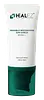
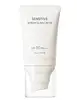
Healez Beauty Invisible Restorative Sun Shield SPF 50 Versus Skintific Sensitive Serum Sunscreen SPF 50
This hybrid sunscreen covers the full UV range and blocks ~98% of UVB at SPF 50.
This chemical sunscreen covers the full UV range and blocks ~98% of UVB at SPF 50.


What's inside
What's inside
 Key Ingredients
Benefits
Concerns
Ingredients Side-by-side
Dibutyl Adipate
EmollientTriethylhexanoin
MaskingZinc Oxide
Cosmetic Colorant


Caprylic Acid
CleansingPhenylbenzimidazole Sulfonic Acid
UV Absorber
Glycerin
Humectant


Diethylamino Hydroxybenzoyl Hexyl Benzoate
UV Filter
Diethylhexyl Butamido Triazone
UV Absorber
Methylene Bis-Benzotriazolyl Tetramethylbutylphenol
UV Filter
Triethanolamine
BufferingDisteardimonium Hectorite
StabilisingInositol
Humectant
Tocopheryl Acetate
Antioxidant


Avena Sativa Seed Extract
Skin ConditioningBisabolol
Antioxidant

Propylene Carbonate
SolventCamellia Sinensis Leaf Extract
Antimicrobial

Phenoxyethanol
Preservative
Cellulose
Absorbent
Decyl Glucoside
Cleansing
Propylene Glycol
Humectant

Xanthan Gum
EmulsifyingEthylhexylglycerin
Skin ConditioningDibutyl Adipate, Triethylhexanoin, Zinc Oxide, Caprylic Acid, Phenylbenzimidazole Sulfonic Acid, Glycerin, Diethylamino Hydroxybenzoyl Hexyl Benzoate, Diethylhexyl Butamido Triazone, Methylene Bis-Benzotriazolyl Tetramethylbutylphenol, Triethanolamine, Disteardimonium Hectorite, Inositol, Tocopheryl Acetate, Avena Sativa Seed Extract, Bisabolol, Propylene Carbonate, Camellia Sinensis Leaf Extract, Phenoxyethanol, Cellulose, Decyl Glucoside, Propylene Glycol, Xanthan Gum, Ethylhexylglycerin
Water
Skin ConditioningOctocrylene
UV Absorber
Ethylhexyl Salicylate
UV Absorber
Butyl Methoxydibenzoylmethane
UV Absorber
Dimethicone
Emollient
Phenylbenzimidazole Sulfonic Acid
UV Absorber
Polysilicone-15
UV Filter
Neopentyl Glycol Diheptanoate
EmollientVinyl Dimethicone/Methicone Silsesquioxane Crosspolymer
Silica
Abrasive
Tromethamine
BufferingMethylpropanediol
SolventSodium Stearoyl Glutamate
Cleansing1,2-Hexanediol
Skin Conditioning
Hydroxyacetophenone
Antioxidant
Bis-Ethylhexyloxyphenol Methoxyphenyl Triazine
UV Absorber
Acrylates/Steareth-20 Methacrylate Copolymer
Jojoba Esters
Emollient
Glyceryl Stearates
Emollient
Stearyl Alcohol
Emollient
Cetyl Alcohol
Emollient
Butylene Glycol
Humectant
Bisabolol
Antioxidant
Helianthus Annuus Seed Wax
Skin Conditioning
Niacinamide
Smoothing



Sodium Hydroxide
BufferingSphingomonas Ferment Extract
Skin Conditioning
Ethylhexylglycerin
Skin ConditioningDisodium EDTA
ChelatingHydroxypropyl Cyclodextrin
MaskingUndecylenoyl Phenylalanine
Skin Conditioning
Dipropylene Glycol
HumectantPolyglycerin-3
Humectant
Pinus Densiflora Leaf Extract
Antimicrobial
Lactobacillus Ferment
Skin Conditioning
Zingiber Officinale Root Extract
Masking
Tocopherol
Antioxidant
Water, Octocrylene, Ethylhexyl Salicylate, Butyl Methoxydibenzoylmethane, Dimethicone, Phenylbenzimidazole Sulfonic Acid, Polysilicone-15, Neopentyl Glycol Diheptanoate, Vinyl Dimethicone/Methicone Silsesquioxane Crosspolymer, Silica, Tromethamine, Methylpropanediol, Sodium Stearoyl Glutamate, 1,2-Hexanediol, Hydroxyacetophenone, Bis-Ethylhexyloxyphenol Methoxyphenyl Triazine, Acrylates/Steareth-20 Methacrylate Copolymer, Jojoba Esters, Glyceryl Stearates, Stearyl Alcohol, Cetyl Alcohol, Butylene Glycol, Bisabolol, Helianthus Annuus Seed Wax, Niacinamide, Sodium Hydroxide, Sphingomonas Ferment Extract, Ethylhexylglycerin, Disodium EDTA, Hydroxypropyl Cyclodextrin, Undecylenoyl Phenylalanine, Dipropylene Glycol, Polyglycerin-3, Pinus Densiflora Leaf Extract, Lactobacillus Ferment, Zingiber Officinale Root Extract, Tocopherol
Reviews
Ingredients Explained
These ingredients are found in both products.
Ingredients higher up in an ingredient list are typically present in a larger amount.
Bisabolol is a gentle skin conditioner, antioxidant, and soothing ingredient.
It's primary claim to fame is soothing and research shows topically applied bisabolol can quiet the chemical messengers that cause your skin to become inflamed, helping to sooth any irritation.
A clinical study found that applying 0.5% bisabolol daily for 8 weeks produced an average 9% decrease in skin pigmentation. Researchers found it can also suppress the process that leads to excess melanin production in skin.
In vitro studies found that bisabolol combined with propylene glycol significantly increased skin permeability by increasing lipid fluidity in the stratum corneum.
You'll likely see use concentrations quite low, usually 0.1-0.2%.
Overall, this is a well-tolerated ingredient that works well in formulas designed for sensitive, reactive, or post-procedure skin.
Learn more about BisabololEthylhexylglycerin is created from glycerin. It is a multitasker ingredient that:
The CIR Expert Panel found minimal skin absorption or sensitization of any kind in a safety assessment. Though this ingredient is considered well-tolerated, a small number of cases of allergic dermatitis have been published since 2002. Just be sure to patch test if you are unsure.
Industry-reported use ranges from 8% in rinse-off products and 2% in leave-on formulations.
Learn more about EthylhexylglycerinPhenylbenzimidazole Sulfonic Acid (aka Ensulizole) is a chemical UV filter that's a bit of a unicorn in the sunscreen world: it's water-soluble where most organic filters are oil-based.
Being water-solubility is the headline because it feels lightweight and non-greasy in formulations. This makes it suitable for oily or acne-prone skin in gel/water-based products.
Ensulizole primarily protects against UVB radiation (~290-320 nm) but offers some minimal UVA protection. You'll see it often paired with UVA filters to ensure broad-spectrum coverage.
Interestingly, it can help boost SPF and stabilize finicky filters when combined with other UVB absorbers.
The FDA has approved this ingredient for OTC sunscreens up to 4% and the EU's Scientific Committee on Consumer Products concluded that up to 8% is allowed in cosmetics.
In practice, you'll most likely see it formulated around 1-4%.
Safety-wise, it is neither irritating nor sensitizing, shows no photoallergenic potential, and in vivo tests show no mutagenic potential.
You might see discussion about the "double-edged sword" effect of this ingredient. This is because lab tests done on cells in a dish (not on humans) showed Ensulizole can create small amounts of unstable molecules called free radicals that can damage DNA when exposed to UV light. It sounds scary but this is just test-tube research. There hasn't been proof that this can happen when used in a sunscreen on skin.
Learn more about Phenylbenzimidazole Sulfonic Acid

