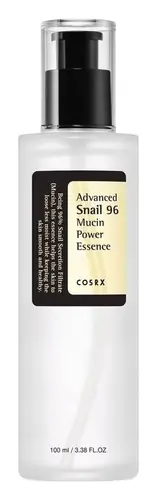
This barrier-repair toner is formulated around Bifida Ferment Lysate and Niacinamide to strengthen the skin barrier and calm redness.
This hydrating toner is formulated around Oryza Sativa Extract and Panthenol to hydrate skin and calm redness.


What's inside
What's inside
 Key Ingredients
Benefits
Concerns
Ingredients Side-by-side
Water
Skin ConditioningMethylpropanediol
SolventBifida Ferment Lysate
Skin Conditioning



Glycerin
Humectant
Niacinamide
Smoothing







Dimethicone
Emollient
Pentylene Glycol
Skin Conditioning
Dipropylene Glycol
HumectantGlycereth-26
Humectant
Centella Asiatica Extract
Cleansing
Propylene Glycol
Humectant

Maris Aqua
HumectantCeramide NP
Skin Conditioning
Panthenol
Skin Conditioning
Ceramide Ns
Skin Conditioning
Ceramide Ng
Skin Conditioning
Ceramide As
Skin Conditioning
Ceramide EOP
Skin Conditioning
Ceramide AP
Skin Conditioning
Sodium Hyaluronate
Humectant
PEG-60 Hydrogenated Castor Oil
Emulsifying

Hydroxyethyl Urea
Humectant
Bis-PEG-18 Methyl Ether Dimethyl Silane
Emollient4-T-Butylcyclohexanol
Masking

Ubiquinone
Antioxidant
PEG-10 Dimethicone
Skin Conditioning
Isononyl Isononanoate
EmollientAmmonium Acryloyldimethyltaurate/Beheneth-25 Methacrylate Crosspolymer
Emulsion StabilisingBisabolol
Antioxidant
Ectoin
Skin Conditioning
Ammonium Polyacryloyldimethyl Taurate
Emulsion StabilisingTocopherol
Antioxidant
Lactobacillus/Soymilk Ferment Filtrate
Skin ConditioningHydrogenated Lecithin
Emulsifying
Hamamelis Virginiana Extract
Antiseborrhoeic

Zingiber Officinale Root Extract
Masking
1,2-Hexanediol
Skin Conditioning
Polyacrylate Crosspolymer-6
Emulsion StabilisingC12-20 Alkyl Glucoside
EmulsifyingO-Cymen-5-Ol
Antimicrobial
Hydroxyacetophenone
Antioxidant
Dimethiconol
Emollient
Sodium Polyacrylate
Absorbent
Glucose
Humectant
Water, Methylpropanediol, Bifida Ferment Lysate, Glycerin, Niacinamide, Dimethicone, Pentylene Glycol, Dipropylene Glycol, Glycereth-26, Centella Asiatica Extract, Propylene Glycol, Maris Aqua, Ceramide NP, Panthenol, Ceramide Ns, Ceramide Ng, Ceramide As, Ceramide EOP, Ceramide AP, Sodium Hyaluronate, PEG-60 Hydrogenated Castor Oil, Hydroxyethyl Urea, Bis-PEG-18 Methyl Ether Dimethyl Silane, 4-T-Butylcyclohexanol, Ubiquinone, PEG-10 Dimethicone, Isononyl Isononanoate, Ammonium Acryloyldimethyltaurate/Beheneth-25 Methacrylate Crosspolymer, Bisabolol, Ectoin, Ammonium Polyacryloyldimethyl Taurate, Tocopherol, Lactobacillus/Soymilk Ferment Filtrate, Hydrogenated Lecithin, Hamamelis Virginiana Extract, Zingiber Officinale Root Extract, 1,2-Hexanediol, Polyacrylate Crosspolymer-6, C12-20 Alkyl Glucoside, O-Cymen-5-Ol, Hydroxyacetophenone, Dimethiconol, Sodium Polyacrylate, Glucose
Water
Skin ConditioningOryza Sativa Extract
Absorbent
Glycerin
Humectant
Butylene Glycol
Humectant
Oryza Sativa Bran Extract
Skin Conditioning
Panthenol
Skin Conditioning
Sodium PCA
Humectant
Polyglutamic Acid
Skin Conditioning
Hydroxyacetophenone
Antioxidant
Sphingolipids
Emollient
Acrylates/C10-30 Alkyl Acrylate Crosspolymer
Emulsion StabilisingPhytosteryl/Octyldodecyl Lauroyl Glutamate
Skin ConditioningPotassium PCA
Humectant
Magnesium PCA
Humectant
Calcium PCA
Humectant
Avena Sativa Kernel Extract
Abrasive
Glycyrrhiza Glabra Root Extract
Bleaching
Aloe Barbadensis Leaf Extract
Emollient
Beta-Glucan
Skin Conditioning
Lecithin
Emollient
Arginine
Masking
Quercetin
Antioxidant
Phytosphingosine
Skin Conditioning
Chondrus Crispus Extract
Skin Conditioning
Laminaria Ochroleuca Extract
Skin Conditioning
Xanthan Gum
Emulsifying1,2-Hexanediol
Skin Conditioning
Adenosine
Skin Conditioning
Sodium Lactate
Buffering
Phenoxyethanol
Preservative
Allantoin
Skin Conditioning
Hydrolyzed Sodium Hyaluronate
Skin Conditioning
Tocopherol
Antioxidant
PPG-13-Decyltetradeceth-24
EmulsifyingPelargonium Graveolens Extract
Masking
Sophora Angustifolia Root Extract
Skin ConditioningSodium Acetylated Hyaluronate
Humectant
Bisabolol
Antioxidant
Glycine
Buffering
Threonine
Alanine
Masking
Valine
MaskingLeucine
Skin ConditioningProline
Skin Conditioning
Lysine
Skin ConditioningHistidine
Humectant
Portulaca Oleracea Extract
Skin Conditioning
Chrysanthellum Indicum Extract
Skin Conditioning
Palmitoyl Tetrapeptide-7
Skin Conditioning
Palmitoyl Tripeptide-1
Skin Conditioning
Palmitoyl Hexapeptide-12
Skin Conditioning
Disodium EDTA
PEG-40 Hydrogenated Castor Oil
Emulsifying
Water, Oryza Sativa Extract, Glycerin, Butylene Glycol, Oryza Sativa Bran Extract, Panthenol, Sodium PCA, Polyglutamic Acid, Hydroxyacetophenone, Sphingolipids, Acrylates/C10-30 Alkyl Acrylate Crosspolymer, Phytosteryl/Octyldodecyl Lauroyl Glutamate, Potassium PCA, Magnesium PCA, Calcium PCA, Avena Sativa Kernel Extract, Glycyrrhiza Glabra Root Extract, Aloe Barbadensis Leaf Extract, Beta-Glucan, Lecithin, Arginine, Quercetin, Phytosphingosine, Chondrus Crispus Extract, Laminaria Ochroleuca Extract, Xanthan Gum, 1,2-Hexanediol, Adenosine, Sodium Lactate, Phenoxyethanol, Allantoin, Hydrolyzed Sodium Hyaluronate, Tocopherol, PPG-13-Decyltetradeceth-24, Pelargonium Graveolens Extract, Sophora Angustifolia Root Extract, Sodium Acetylated Hyaluronate, Bisabolol, Glycine, Threonine, Alanine, Valine, Leucine, Proline, Lysine, Histidine, Portulaca Oleracea Extract, Chrysanthellum Indicum Extract, Palmitoyl Tetrapeptide-7, Palmitoyl Tripeptide-1, Palmitoyl Hexapeptide-12, Disodium EDTA, PEG-40 Hydrogenated Castor Oil
Reviews
Ingredients Explained
These ingredients are found in both products.
Ingredients higher up in an ingredient list are typically present in a larger amount.
1,2-Hexanediol is a synthetic liquid and another multi-functional powerhouse.
It is a:
- Humectant, drawing moisture into the skin
- Emollient, helping to soften skin
- Solvent, dispersing and stabilizing formulas
- Preservative booster, enhancing the antimicrobial activity of other preservatives
Bisabolol is a gentle skin conditioner, antioxidant, and soothing ingredient.
It's primary claim to fame is soothing and research shows topically applied bisabolol can quiet the chemical messengers that cause your skin to become inflamed, helping to sooth any irritation.
A clinical study found that applying 0.5% bisabolol daily for 8 weeks produced an average 9% decrease in skin pigmentation. Researchers found it can also suppress the process that leads to excess melanin production in skin.
In vitro studies found that bisabolol combined with propylene glycol significantly increased skin permeability by increasing lipid fluidity in the stratum corneum.
You'll likely see use concentrations quite low, usually 0.1-0.2%.
Overall, this is a well-tolerated ingredient that works well in formulas designed for sensitive, reactive, or post-procedure skin.
Learn more about BisabololGlycerin (or glycerol) is a compound naturally found in your skin. It's a powerhouse humectant that pulls water into the stratum corneum.
Topically, glycerin does several things at once:
Your skin makes glycerin on its own (mostly from sebaceous oil breakdown) and shuttles it to your outermost layer of skin, or your epidermis, via aquaporin-3.
Aquaporin-3 is a transporter that is essential for normal skin hydration, elasticity, and repair. Interestingly, mice lacking in AQP3 have dry and less elastic skin that can be fully corrected with glycerin.
This ingredient is non-irritating, plays well with almost every ingredient, and works across all skin types. Typical use is anywhere between 3-10% but can go up to 79% in some leave-on products.
Just know very high concentrations (>40%) can feel tacky in low humidity.
Glycerin is the name for this ingredient in American English. British English uses Glycerol/Glycerine.
Learn more about GlycerinHydroxyacetophenone is a small phenolic molecule that earns its place in a formulas as an antioxidant and preservative booster.
As a phenol, it is able to neutralize free radicals to protect both the product and the skin from oxidative stress.
Though it can't kill microbes on its own, it works as a good supporting agent when combined with other preservatives like Phenoxyethanol or 1,2-Hexanediol.
This ingredient naturally occurs as piceol in Norwegian spruce needles (~0.4-1.1% dry weight and in cloudberries). Though the cosmetic-grade material is synthesized for purity and consistency.
You'll usually see it used at low levels and suppliers recommend up to 1% added to a water phase.
Safety testing was done at concentrations like 0.05% in SPF products and 0.5% in a Human Repeated Insult Patch Test. The safety evidence is assuring; this ingredient is safe for cosmetics in current use and also holds safety status as a food flavoring as well.
An honest caveat: the "soothing" and "anti-inflammatory" claims come mostly from supplier marketing rather than published clinical trials. The Cosmetic Ingredient Review's own literature search found no useful efficacy studies on this ingredient.
So the antioxidant and preservative-boosting roles are the well supported ones while the calming benefit is plausible but thinly evidenced.
Overall, this is a well-tolerated, low-irritation multitasker that quietly helps a formula stay fresh and stable.
Learn more about HydroxyacetophenonePanthenol is a common ingredient that helps hydrate and soothe the skin. It is found naturally in our skin and hair.
There are two forms of panthenol: D and L.
D-panthenol is also known as dexpanthenol. Most cosmetics use dexpanthenol or a mixture of D and L-panthenol.
Panthenol is famous due to its ability to go deeper into the skin's layers. Using this ingredient has numerous pros (and no cons):
Like hyaluronic acid, panthenol is a humectant. Humectants are able to bind and hold large amounts of water to keep skin hydrated.
This ingredient works well for wound healing. It works by increasing tissue in the wound and helps close open wounds.
Once oxidized, panthenol converts to pantothenic acid. Panthothenic acid is found in all living cells.
This ingredient is also referred to as pro-vitamin B5.
Learn more about PanthenolTocopherol is a fat-soluble antioxidant known as Vitamin E.
You'll find this ingredient in the vast majority of skincare (for good reason). It works to neutralize free radicals, or unstable molecules generated by UV exposure, pollution, and other environmental stressors, before they can cause oxidative damage to your skin cells.
Topically applied tocopherol has been shown to protect against UV damage by ramping up the skin's own natural defense enzymes.
It also acts as a skin conditioning agent; some studies show that regular topical use can improve the skin's water-binding capacity over 2-4 weeks.
This ingredient is especially loved for being a team player. When combined with Vitamin C, the photoprotective effect of both ingredients roughly doubles and the combo also helps reduce UV-induced DNA damage.
This ingredient has some brightening potential but it's more of a prevention ingredient than spot-fader. Cell studies show it can slow down melanin production but it's worth noting that it's not the most powerful brightener out there.
In formulations, it also serves as a stabilizer that helps protect other oxidation-prone ingredients from degrading.
Concentrations usually range from 0.1-1% in most leave-on products.
Learn more about TocopherolWater. It's the most common cosmetic ingredient of all. You'll usually see it at the top of ingredient lists, meaning that it makes up the largest part of the product.
So why is it so popular? Water most often acts as a solvent - this means that it helps dissolve other ingredients into the formulation.
You'll also recognize water as that liquid we all need to stay alive. If you see this, drink a glass of water. Remember to stay hydrated!
Learn more about Water