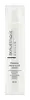
This barrier-repair moisturizer is formulated around Niacinamide and Lactobacillus Ferment Lysate to strengthen the skin barrier and soften the look of wrinkles.
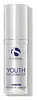
This anti-aging eye moisturizer is formulated around Sodium Hyaluronate and Acetyl Octapeptide-3 to soften the look of wrinkles and hydrate skin.


What's inside
What's inside
 Key Ingredients
Benefits
Concerns
Ingredients Side-by-side
Water
Skin ConditioningNiacinamide
Smoothing











Vitis Vinifera Seed Oil
Emollient



Caprylic/Capric Triglyceride
Masking
Lactobacillus Ferment Lysate
Skin Conditioning
Butyrospermum Parkii Butter
Skin Conditioning


Panthenol
Skin Conditioning
Isopentyldiol
Humectant
Glycerin
Humectant
Inulin
Skin Conditioning
Yogurt Powder
Cetearyl Alcohol
Emollient
Leuconostoc/Radish Root Ferment Filtrate
Antimicrobial
Dipeptide Diaminobutyroyl Benzylamide Diacetate
Skin Conditioning
Potassium Cetyl Phosphate
EmulsifyingTocopherol
Antioxidant

Beta-Sitosterol
Emulsion Stabilising
Squalene
Emollient
Glycine Soja Oil
Emollient
Hibiscus Sabdariffa Flower Extract
Skin ConditioningLaminaria Ochroleuca Extract
Skin Conditioning
Coffea Arabica Fruit Extract
Antioxidant
Fucus Vesiculosus Extract
Emollient
Aesculus Hippocastanum Extract
Antioxidant
Equisetum Arvense Extract
AstringentHedera Helix Extract
AntimicrobialAcrylates/C10-30 Alkyl Acrylate Crosspolymer
Emulsion StabilisingSodium Acrylate/Sodium Acryloyldimethyl Taurate Copolymer
Emulsion StabilisingOctenidine Hcl
AntimicrobialPropylene Glycol
Humectant
Silica
Abrasive
Sodium Hydroxide
BufferingSodium Benzoate
Masking
Potassium Sorbate
Preservative
Benzyl Alcohol
Perfuming




Benzoic Acid
Masking
Dehydroacetic Acid
Preservative
Ethylhexylglycerin
Skin ConditioningWater, Niacinamide, Vitis Vinifera Seed Oil, Caprylic/Capric Triglyceride, Lactobacillus Ferment Lysate, Butyrospermum Parkii Butter, Panthenol, Isopentyldiol, Glycerin, Inulin, Yogurt Powder, Cetearyl Alcohol, Leuconostoc/Radish Root Ferment Filtrate, Dipeptide Diaminobutyroyl Benzylamide Diacetate, Potassium Cetyl Phosphate, Tocopherol, Beta-Sitosterol, Squalene, Glycine Soja Oil, Hibiscus Sabdariffa Flower Extract, Laminaria Ochroleuca Extract, Coffea Arabica Fruit Extract, Fucus Vesiculosus Extract, Aesculus Hippocastanum Extract, Equisetum Arvense Extract, Hedera Helix Extract, Acrylates/C10-30 Alkyl Acrylate Crosspolymer, Sodium Acrylate/Sodium Acryloyldimethyl Taurate Copolymer, Octenidine Hcl, Propylene Glycol, Silica, Sodium Hydroxide, Sodium Benzoate, Potassium Sorbate, Benzyl Alcohol, Benzoic Acid, Dehydroacetic Acid, Ethylhexylglycerin
Water
Skin ConditioningSodium Hyaluronate
Humectant
Caprylic/Capric Triglyceride
Masking
Glycerin
Humectant
Acetyl Octapeptide-3
Humectant
Glyceryl Dilaurate
Emollient
Pseudoalteromonas Ferment Extract
Humectant
Glycosaminoglycans
EmollientHydrolyzed Wheat Protein
Skin ConditioningHydrolyzed Soy Protein
Humectant
Tripeptide-10
Skin Conditioning
Citrulline
Skin ConditioningTripeptide-1
Skin Conditioning
Lecithin
Emollient
Silica Dimethyl Silylate
EmollientDimethicone
Emollient
Cetyl Alcohol
Emollient
Cetearyl Alcohol
Emollient
Ceteareth-20
Cleansing
Glyceryl Stearate
Emollient
PEG-100 Stearate
Surfactant
Urea
Buffering
Glucose
Humectant
Guanidine Hcl
BufferingDipalmitoyl Hydroxyproline
Skin Conditioning
Panthenol
Skin Conditioning
Phospholipids
Skin Conditioning
Dipotassium Glycyrrhizate
Humectant
Butylene Glycol
Humectant
Xanthan Gum
EmulsifyingCarbomer
Emulsion StabilisingTriethanolamine
BufferingPvp
Emulsion StabilisingAsiaticoside
Antioxidant
Asiatic Acid
Skin Conditioning
Madecassic Acid
Skin Conditioning
Retinyl Palmitate
Skin Conditioning
Tocopheryl Acetate
Antioxidant
Ethylhexyl Palmitate
Emollient
Disodium EDTA
Chelating1,2-Hexanediol
Skin Conditioning
Caprylyl Glycol
Emollient
Ascorbyl Palmitate
Antioxidant
Pantothenic Acid
Skin ConditioningWater, Sodium Hyaluronate, Caprylic/Capric Triglyceride, Glycerin, Acetyl Octapeptide-3, Glyceryl Dilaurate, Pseudoalteromonas Ferment Extract, Glycosaminoglycans, Hydrolyzed Wheat Protein, Hydrolyzed Soy Protein, Tripeptide-10, Citrulline, Tripeptide-1, Lecithin, Silica Dimethyl Silylate, Dimethicone, Cetyl Alcohol, Cetearyl Alcohol, Ceteareth-20, Glyceryl Stearate, PEG-100 Stearate, Urea, Glucose, Guanidine Hcl, Dipalmitoyl Hydroxyproline, Panthenol, Phospholipids, Dipotassium Glycyrrhizate, Butylene Glycol, Xanthan Gum, Carbomer, Triethanolamine, Pvp, Asiaticoside, Asiatic Acid, Madecassic Acid, Retinyl Palmitate, Tocopheryl Acetate, Ethylhexyl Palmitate, Disodium EDTA, 1,2-Hexanediol, Caprylyl Glycol, Ascorbyl Palmitate, Pantothenic Acid
Ingredients Explained
These ingredients are found in both products.
Ingredients higher up in an ingredient list are typically present in a larger amount.
Caprylic/Capric Triglyceride (aka MCT Oil) is a lightweight emollient, solvent, and texture enhancer. It is considered a skin-softener by helping to prevent moisture loss.
Though it behaves like an oil, it is not technically one due to its chemical composition. One perk of this ingredient is that it is very stable, resistant to oxidation, and unlikely to go rancid.
In practice, that translates to a long shelf life and a consistently elegant skin feel.
While there is an assumption Caprylic Triglyceride can clog pores due to it being derived from coconut oil, there is no research supporting this. Just patch test if you have concerns.
Fractionated coconut oil and MCT Oil are both listed as Caprylic/Capric Triglyceride according to INCI. This is because INCI names are based on the ingredient’s final chemical composition and not its marketing name or source.
This ingredient is treated as the gold standard fungal acne safe oil. Even though it is coconut derived, the problematic lauric acid is stripped out.
This leaves just caprylic (C8) and capric (C10) acid. These chain lengths actually trend antifungal; a 2020 study found caprylic acid was enough to disrupt Malassezia furfur cell membrane, with a caprylic acid derivative damaging membrane structures at concentrations as low as 0.2%.
Learn more about Caprylic/Capric TriglycerideCetearyl alcohol is a waxy mixture of two fatty alcohols: cetyl alcohol and stearyl alcohol. It is an emollient and emulsifier.
Despite having "alcohol" in its name, it has nothing to do with drying solvent alcohols; the FDA also allows "alcohol-free" products to contain fatty alcohols like this ingredient.
It plays several roles in a formula:
Typical use levels for this ingredient sit around 1-10% and the Cosmetic Ingredient Review Expert Panel has affirmed safety at concentrations up to 25% in leave-on products.
Multiple assessments have found it to be non-irritating and non-sensitizing to most people.
However, there have been some cases of allergic contact dermatitis in patients with chronically compromised skin barriers.
Cetearyl alcohol has a comedogenic rating of 2 and irritancy rating of 1. Both of these numbers come from the 1989 study that used rabbit ears; a "2" means mildly comedogenic and a "1" means low irritancy.
Here's the catch: rabbit skin is more sensitive than human skin and throws a lot of false positives. A 1996 reappraisal found that ingredients rated 1-2 in the rabbit ear tests are generally safe for humans.
Remember comedogenic ratings are unable to assess the entire formula of a product or how it will react on your skin. Just be sure to patch test if you are unsure about certain ingredients.
This ingredient is not fungal acne safe. Cetearyl alcohol is a fatty alcohol with chain lengths that fall within the range that Malassezia can metabolize.
A 2019 study has also observed Malassezia growth in the presence of this ingredient, confirming it to be not-fungal acne safe.
Learn more about Cetearyl AlcoholGlycerin (or glycerol) is a compound naturally found in your skin. It's a powerhouse humectant that pulls water into the stratum corneum.
Topically, glycerin does several things at once:
Your skin makes glycerin on its own (mostly from sebaceous oil breakdown) and shuttles it to your outermost layer of skin, or your epidermis, via aquaporin-3.
Aquaporin-3 is a transporter that is essential for normal skin hydration, elasticity, and repair. Interestingly, mice lacking in AQP3 have dry and less elastic skin that can be fully corrected with glycerin.
This ingredient is non-irritating, plays well with almost every ingredient, and works across all skin types. Typical use is anywhere between 3-10% but can go up to 79% in some leave-on products.
Just know very high concentrations (>40%) can feel tacky in low humidity.
Glycerin is the name for this ingredient in American English. British English uses Glycerol/Glycerine.
Learn more about GlycerinPanthenol is a common ingredient that helps hydrate and soothe the skin. It is found naturally in our skin and hair.
There are two forms of panthenol: D and L.
D-panthenol is also known as dexpanthenol. Most cosmetics use dexpanthenol or a mixture of D and L-panthenol.
Panthenol is famous due to its ability to go deeper into the skin's layers. Using this ingredient has numerous pros (and no cons):
Like hyaluronic acid, panthenol is a humectant. Humectants are able to bind and hold large amounts of water to keep skin hydrated.
This ingredient works well for wound healing. It works by increasing tissue in the wound and helps close open wounds.
Once oxidized, panthenol converts to pantothenic acid. Panthothenic acid is found in all living cells.
This ingredient is also referred to as pro-vitamin B5.
Learn more about PanthenolWater. It's the most common cosmetic ingredient of all. You'll usually see it at the top of ingredient lists, meaning that it makes up the largest part of the product.
So why is it so popular? Water most often acts as a solvent - this means that it helps dissolve other ingredients into the formulation.
You'll also recognize water as that liquid we all need to stay alive. If you see this, drink a glass of water. Remember to stay hydrated!
Learn more about Water

