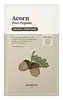
This pore-care sheet mask is formulated around Niacinamide and Palmitoyl Tripeptide-5 to refine the look of pores and refine skin texture.
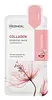
This anti-aging sheet mask is formulated around Adenosine to soften the look of wrinkles.

What's inside
What's inside
 Key Ingredients
Benefits
Concerns
Ingredients Side-by-side
Water
Skin ConditioningQuercus Acutissima Fruit Extract 20%
AstringentPropanediol
Solvent

Glycerin
Humectant
Dipropylene Glycol
HumectantMethylpropanediol
SolventNiacinamide
Smoothing









Diethoxyethyl Succinate
SolventHydroxyacetophenone
Antioxidant
Butylene Glycol
Humectant
1,2-Hexanediol
Skin Conditioning
Acrylates/C10-30 Alkyl Acrylate Crosspolymer
Emulsion StabilisingPPG-13-Decyltetradeceth-24
EmulsifyingPCA Dimethicone
Skin Conditioning
Tromethamine
BufferingAllantoin
Skin Conditioning
Trehalose
Humectant
Adenosine
Skin Conditioning
Hydroxyethylcellulose
Emulsion StabilisingDiospyros Kaki Fruit Extract
Skin ConditioningCamellia Sinensis Leaf Extract
Antimicrobial
Castanea Crenata Shell Extract
Skin ConditioningPolyglyceryl-4 Oleate
Emulsifying

Ethylhexylglycerin
Skin ConditioningSodium Phytate
Enantia Chlorantha Bark Extract
Skin ConditioningDextrin
AbsorbentTheobroma Cacao Extract
Skin ConditioningSodium Polyacryloyldimethyl Taurate
Emulsion StabilisingGlyceryl Acrylate/Acrylic Acid Copolymer
HumectantCollagen
Moisturising
Eucalyptus Globulus Leaf Oil
Perfuming




Rosmarinus Officinalis Leaf Oil
Masking
Amyris Balsamifera Bark Oil
Masking
Hydrolyzed Lupine Protein
Skin ConditioningLeuconostoc/Radish Root Ferment Filtrate
Antimicrobial
Salvia Officinalis Oil
Masking
Sodium Stearoyl Glutamate
CleansingCitrus Aurantium Bergamia Fruit Oil
Masking
Gluconolactone
Skin Conditioning
Helianthus Annuus Seed Oil
Emollient
Pueraria Lobata Root Extract
HumectantUlmus Davidiana Root Extract
Skin Conditioning
Oenothera Biennis Flower/Leaf/Stem Extract
Skin ConditioningPinus Palustris Leaf Extract
TonicBeta-Glucan
Skin Conditioning
Salvia Sclarea Oil
Masking
Palmitoyl Tripeptide-5
Skin Conditioning
Oleanolic Acid
Skin ConditioningCaprylyl Glycol
Emollient
Water, Quercus Acutissima Fruit Extract 20%, Propanediol, Glycerin, Dipropylene Glycol, Methylpropanediol, Niacinamide, Diethoxyethyl Succinate, Hydroxyacetophenone, Butylene Glycol, 1,2-Hexanediol, Acrylates/C10-30 Alkyl Acrylate Crosspolymer, PPG-13-Decyltetradeceth-24, PCA Dimethicone, Tromethamine, Allantoin, Trehalose, Adenosine, Hydroxyethylcellulose, Diospyros Kaki Fruit Extract, Camellia Sinensis Leaf Extract, Castanea Crenata Shell Extract, Polyglyceryl-4 Oleate, Ethylhexylglycerin, Sodium Phytate, Enantia Chlorantha Bark Extract, Dextrin, Theobroma Cacao Extract, Sodium Polyacryloyldimethyl Taurate, Glyceryl Acrylate/Acrylic Acid Copolymer, Collagen, Eucalyptus Globulus Leaf Oil, Rosmarinus Officinalis Leaf Oil, Amyris Balsamifera Bark Oil, Hydrolyzed Lupine Protein, Leuconostoc/Radish Root Ferment Filtrate, Salvia Officinalis Oil, Sodium Stearoyl Glutamate, Citrus Aurantium Bergamia Fruit Oil, Gluconolactone, Helianthus Annuus Seed Oil, Pueraria Lobata Root Extract, Ulmus Davidiana Root Extract, Oenothera Biennis Flower/Leaf/Stem Extract, Pinus Palustris Leaf Extract, Beta-Glucan, Salvia Sclarea Oil, Palmitoyl Tripeptide-5, Oleanolic Acid, Caprylyl Glycol
Water
Skin ConditioningGlycerin
Humectant
Methylpropanediol
SolventPropanediol
Solvent
1,2-Hexanediol
Skin Conditioning
Hydroxyacetophenone
Antioxidant
Hydrolyzed Extensin
Skin ConditioningPanthenol
Skin Conditioning
Betaine
Humectant
Trehalose
Humectant
Adenosine
Skin Conditioning
Disodium EDTA
Carbomer
Emulsion StabilisingArginine
Masking
Octyldodeceth-16
EmulsifyingXanthan Gum
EmulsifyingSodium Hyaluronate
Humectant
Sodium Polyacrylate
Absorbent
Glycine
Buffering
Glutamic Acid
Humectant
Aspartic Acid
Masking
Tremella Fuciformis Polysaccharide
Emulsion Stabilising
Sodium Chloride
MaskingSoluble Collagen
Humectant
Serine
Masking
Histidine
Humectant
Alanine
Masking
Threonine
Proline
Skin Conditioning
Acrylates/C10-30 Alkyl Acrylate Crosspolymer
Emulsion StabilisingHibiscus Rosa-Sinensis Flower Extract
HumectantChlorella Ferment
Skin Conditioning
Magnesium Chloride
Calcium Chloride
AstringentMannose
HumectantGlucose
Humectant
Parfum
Masking

Water, Glycerin, Methylpropanediol, Propanediol, 1,2-Hexanediol, Hydroxyacetophenone, Hydrolyzed Extensin, Panthenol, Betaine, Trehalose, Adenosine, Disodium EDTA, Carbomer, Arginine, Octyldodeceth-16, Xanthan Gum, Sodium Hyaluronate, Sodium Polyacrylate, Glycine, Glutamic Acid, Aspartic Acid, Tremella Fuciformis Polysaccharide, Sodium Chloride, Soluble Collagen, Serine, Histidine, Alanine, Threonine, Proline, Acrylates/C10-30 Alkyl Acrylate Crosspolymer, Hibiscus Rosa-Sinensis Flower Extract, Chlorella Ferment, Magnesium Chloride, Calcium Chloride, Mannose, Glucose, Parfum
Reviews
Ingredients Explained
These ingredients are found in both products.
Ingredients higher up in an ingredient list are typically present in a larger amount.
1,2-Hexanediol is a synthetic liquid and another multi-functional powerhouse.
It is a:
- Humectant, drawing moisture into the skin
- Emollient, helping to soften skin
- Solvent, dispersing and stabilizing formulas
- Preservative booster, enhancing the antimicrobial activity of other preservatives
Acrylates/C10-30 Alkyl Acrylate Crosspolymer is a synthetic polymer. It is used to thicken, emulsify, and improve the texture of products.
As an emulsifier, it helps stabilize oil-in-water emulsions to give products an elegant feel when applied.
It can also form a thin protective film on skin. One study found that a formula using this polymer helped slow down how quickly other ingredients (like DEET) were absorbed through skin.
A 2024 study of over 1,300 patients confirmed that sensitization to this ingredient is rare. It is also non-mutagenic and has a clean track record.
Learn more about Acrylates/C10-30 Alkyl Acrylate CrosspolymerAdenosine is a purine nucleoside that your body already makes in every cell. In skincare, it acts mainly as a skin conditioning and anti-aging agent.
The way it works is fairly well mapped out:
Your skin has cells called fibroblasts that build collagen (the stuff that keeps skin firm and smooth). Adenosine basically flips a switch on these cells that tells them to get to work making more collagen and other proteins. These cells slow down on their own as skin ages, so Adenosine helps give them a little nudge to keep going.
The clinical backing is pretty solid too.
A blind, randomized, placebo-controlled trial of 126 women aged 45-65 tested a 0.1% cream twice daily and found real improvements in crow's feet and frown lines using a precise 3D skin-mapping technique; these changes showed up by week 3 and held at 2 months.
A later study using Adenosine-loaded dissolving microneedle patches reported gains in wrinkle depth, dermal density, elasticity, and hydration.
On concentrations, South Korea's Ministry of Food and Drug Safety has set 0.04% as the approved functional anti-wrinkle level. You'll typically see this ingredient used somewhere in the 0.04-0.1% range since it works at low doses.
This ingredient has been found safe for cosmetics with the data showing no irritation or sensitization.
Overall, this is a great ingredient for any anti-aging routine and has no photosensitizing effect, so it suits both AM and PM use.
Learn more about AdenosineGlycerin (or glycerol) is a compound naturally found in your skin. It's a powerhouse humectant that pulls water into the stratum corneum.
Topically, glycerin does several things at once:
Your skin makes glycerin on its own (mostly from sebaceous oil breakdown) and shuttles it to your outermost layer of skin, or your epidermis, via aquaporin-3.
Aquaporin-3 is a transporter that is essential for normal skin hydration, elasticity, and repair. Interestingly, mice lacking in AQP3 have dry and less elastic skin that can be fully corrected with glycerin.
This ingredient is non-irritating, plays well with almost every ingredient, and works across all skin types. Typical use is anywhere between 3-10% but can go up to 79% in some leave-on products.
Just know very high concentrations (>40%) can feel tacky in low humidity.
Glycerin is the name for this ingredient in American English. British English uses Glycerol/Glycerine.
Learn more about GlycerinHydroxyacetophenone is a small phenolic molecule that earns its place in a formulas as an antioxidant and preservative booster.
As a phenol, it is able to neutralize free radicals to protect both the product and the skin from oxidative stress.
Though it can't kill microbes on its own, it works as a good supporting agent when combined with other preservatives like Phenoxyethanol or 1,2-Hexanediol.
This ingredient naturally occurs as piceol in Norwegian spruce needles (~0.4-1.1% dry weight and in cloudberries). Though the cosmetic-grade material is synthesized for purity and consistency.
You'll usually see it used at low levels and suppliers recommend up to 1% added to a water phase.
Safety testing was done at concentrations like 0.05% in SPF products and 0.5% in a Human Repeated Insult Patch Test. The safety evidence is assuring; this ingredient is safe for cosmetics in current use and also holds safety status as a food flavoring as well.
An honest caveat: the "soothing" and "anti-inflammatory" claims come mostly from supplier marketing rather than published clinical trials. The Cosmetic Ingredient Review's own literature search found no useful efficacy studies on this ingredient.
So the antioxidant and preservative-boosting roles are the well supported ones while the calming benefit is plausible but thinly evidenced.
Overall, this is a well-tolerated, low-irritation multitasker that quietly helps a formula stay fresh and stable.
Learn more about HydroxyacetophenoneMethylpropanediol is a synthetic solvent and humectant.
As a solvent, it helps dissolve other ingredients, helping to evenly distribute ingredients throughout the product. This ingredient has also been shown to have antimicrobial properties which makes it a preservative booster.
Methylpropanediol is able to add a bit of moisture to the skin. It also helps other ingredients be better absorbed into the skin, such as salicylic acid.
Learn more about MethylpropanediolPropanediol is an all-star ingredient. It softens, hydrates, and smooths the skin.
It’s often used to:
Propanediol is not likely to cause sensitivity and considered safe to use. It is derived from corn or petroleum with a clear color and no scent.
Learn more about PropanediolTrehalose is a disaccharide made of two glucose molecules (glucose is sugar!). Trehalose is used to help moisturize skin. It also has antioxidant properties.
As a humectant, trehalose helps draw moisture from the air to your skin. This helps keep your skin hydrated.
Due to its antioxidant properties, trehalose may help with signs of aging. Antioxidants help fight free-radical molecules, unstable molecules that may damage your skin.
In medicine, trehalose and hyaluronic acid are used to help treat dry eyes.
Some animals, plants, and bacteria create trehalose as a source of energy to survive freeze or lack of water.
Learn more about TrehaloseWater. It's the most common cosmetic ingredient of all. You'll usually see it at the top of ingredient lists, meaning that it makes up the largest part of the product.
So why is it so popular? Water most often acts as a solvent - this means that it helps dissolve other ingredients into the formulation.
You'll also recognize water as that liquid we all need to stay alive. If you see this, drink a glass of water. Remember to stay hydrated!
Learn more about Water

