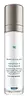
This anti-aging treatment is formulated around Retinol to soften the look of wrinkles and refine skin texture.
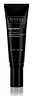
This anti-aging moisturizer is formulated around Palmitoyl Tripeptide-5 and Palmitoyl Tetrapeptide-7 to soften the look of wrinkles and refine skin texture.

What's inside
What's inside
 Key Ingredients
Benefits
Concerns
Ingredients Side-by-side
Water
Skin ConditioningGlycerin
Humectant


Dimethicone
Emollient
Hydrogenated Polyisobutene
EmollientVinyl Dimethicone/Methicone Silsesquioxane Crosspolymer

Methyl Methacrylate Crosspolymer
Ammonium Polyacryloyldimethyl Taurate
Emulsion StabilisingHelianthus Annuus Seed Oil Unsaponifiables
Emollient


Myristyl Myristate
Emollient


Allyl Methacrylates Crosspolymer
Emulsion StabilisingSodium Hydroxide
BufferingPotassium Cetyl Phosphate
EmulsifyingGlyceryl Stearate Se
Emulsifying
Capryloyl Glycine
CleansingCaprylyl Glycol
Emollient
Silica Silylate
Emollient
Pentylene Glycol
Skin Conditioning
Stearic Acid
Cleansing
Hydrolyzed Rice Protein
Skin ConditioningPalmitic Acid
Emollient
Retinol
Skin Conditioning







Polysorbate 20
Emulsifying
Coco-Glucoside
Cleansing
Magnesium Aluminum Silicate
Absorbent
Xanthan Gum
EmulsifyingAlcohol
Antimicrobial

BHT
Antioxidant
Sodium Citrate
BufferingMyristic Acid
Cleansing
Lavandula Angustifolia Oil
Masking


Rosmarinus Officinalis Leaf Oil
Masking
Mentha Piperita Oil
Masking
Glaucine
Skin ConditioningCitric Acid
Buffering
Linalool
Perfuming
Tetradecyl Aminobutyroylvalylaminobutyric Urea Trifluoroacetate
Skin ConditioningMagnesium Chloride
Tocopherol
Antioxidant

Propyl Gallate
Antioxidant
Biotin
AntiseborrhoeicWater, Glycerin, Dimethicone, Hydrogenated Polyisobutene, Vinyl Dimethicone/Methicone Silsesquioxane Crosspolymer, Methyl Methacrylate Crosspolymer, Ammonium Polyacryloyldimethyl Taurate, Helianthus Annuus Seed Oil Unsaponifiables, Myristyl Myristate, Allyl Methacrylates Crosspolymer, Sodium Hydroxide, Potassium Cetyl Phosphate, Glyceryl Stearate Se, Capryloyl Glycine, Caprylyl Glycol, Silica Silylate, Pentylene Glycol, Stearic Acid, Hydrolyzed Rice Protein, Palmitic Acid, Retinol, Polysorbate 20, Coco-Glucoside, Magnesium Aluminum Silicate, Xanthan Gum, Alcohol, BHT, Sodium Citrate, Myristic Acid, Lavandula Angustifolia Oil, Rosmarinus Officinalis Leaf Oil, Mentha Piperita Oil, Glaucine, Citric Acid, Linalool, Tetradecyl Aminobutyroylvalylaminobutyric Urea Trifluoroacetate, Magnesium Chloride, Tocopherol, Propyl Gallate, Biotin
Water
Skin ConditioningGlycerin
Humectant
Tricaprylin
Perfuming
Cetyl Esters
Emollient
Canarium Indicum Seed Oil
Skin Conditioning
Cocos Nucifera Fruit Extract
Emollient
C12-15 Alkyl Benzoate
AntimicrobialGlyceryl Stearate Citrate
Emollient
Cetearyl Alcohol
Emollient
Dimethicone
Emollient
Squalane
Emollient
Glyceryl Stearate
Emollient
PEG-100 Stearate
Surfactant
Methylsilanol Carboxymethyl Theophylline Alginate
Skin ConditioningHordeum Distichon Extract
Skin ProtectingYeast Extract
Skin ConditioningSantalum Album Extract
CleansingPrunus Amygdalus Dulcis Seed Extract
Skin ConditioningPhellodendron Amurense Bark Extract
Skin ConditioningPalmitoyl Tripeptide-5
Skin Conditioning
Lauryl Lactate
EmollientSteareth-10
Emulsifying
Ceramide Ng
Skin Conditioning

Dihydromyricetin
Skin ConditioningPalmitoyl Tetrapeptide-7
Skin Conditioning
Enteromorpha Compressa Extract
Skin Protecting
Tripleurospermum Maritimum Extract
Skin ProtectingPalmitoyl Dipeptide-5 Diaminobutyroyl Hydroxythreonine
Skin Conditioning
Bambusa Vulgaris Leaf/Stem Extract
HumectantSteareth-20
CleansingHydroxyethyl Acrylate/Sodium Acryloyldimethyl Taurate Copolymer
Emulsion StabilisingPalmitoyl Hexapeptide-12
Skin Conditioning
Pisum Sativum Extract
Skin ConditioningTocopherol
Antioxidant
Polysorbate 60
Emulsifying
Butylene Glycol
Humectant
Glucosamine Hcl
Tetrahexyldecyl Ascorbate
Antioxidant
PEG-10 Phytosterol
EmulsifyingTetradecyl Aminobutyroylvalylaminobutyric Urea Trifluoroacetate
Skin ConditioningTriethanolamine
BufferingCaprylyl Glycol
Emollient
Tribehenin
Emollient
Diazolidinyl Urea
Preservative
Carbomer
Emulsion StabilisingDisodium EDTA
ChelatingXanthan Gum
EmulsifyingIodopropynyl Butylcarbamate
Preservative
Potassium Sorbate
Preservative
Magnesium Chloride
Sodium Benzoate
Masking
Sorbic Acid
Preservative
Parfum
Masking
Water, Glycerin, Tricaprylin, Cetyl Esters, Canarium Indicum Seed Oil, Cocos Nucifera Fruit Extract, C12-15 Alkyl Benzoate, Glyceryl Stearate Citrate, Cetearyl Alcohol, Dimethicone, Squalane, Glyceryl Stearate, PEG-100 Stearate, Methylsilanol Carboxymethyl Theophylline Alginate, Hordeum Distichon Extract, Yeast Extract, Santalum Album Extract, Prunus Amygdalus Dulcis Seed Extract, Phellodendron Amurense Bark Extract, Palmitoyl Tripeptide-5, Lauryl Lactate, Steareth-10, Ceramide Ng, Dihydromyricetin, Palmitoyl Tetrapeptide-7, Enteromorpha Compressa Extract, Tripleurospermum Maritimum Extract, Palmitoyl Dipeptide-5 Diaminobutyroyl Hydroxythreonine, Bambusa Vulgaris Leaf/Stem Extract, Steareth-20, Hydroxyethyl Acrylate/Sodium Acryloyldimethyl Taurate Copolymer, Palmitoyl Hexapeptide-12, Pisum Sativum Extract, Tocopherol, Polysorbate 60, Butylene Glycol, Glucosamine Hcl, Tetrahexyldecyl Ascorbate, PEG-10 Phytosterol, Tetradecyl Aminobutyroylvalylaminobutyric Urea Trifluoroacetate, Triethanolamine, Caprylyl Glycol, Tribehenin, Diazolidinyl Urea, Carbomer, Disodium EDTA, Xanthan Gum, Iodopropynyl Butylcarbamate, Potassium Sorbate, Magnesium Chloride, Sodium Benzoate, Sorbic Acid, Parfum
Ingredients Explained
These ingredients are found in both products.
Ingredients higher up in an ingredient list are typically present in a larger amount.
Caprylyl Glycol is a humectant, skin conditioner, emollient, and preservative booster derived from either caprylic acid or synthetically created.
Typical use levels vary from 0.3-1% as a preservative booster and go up to 2% to condition skin.
Because it is not a free-fatty acid, this ingredient is fungal acne safe (there's nothing for Malassezia to feed on).
Learn more about Caprylyl GlycolDimethicone is a type of synthetic silicone created from natural materials such as quartz. It is also known as polydimethylsiloxane.
What it does:
Dimethicone comes in different viscosities:
Depending on the viscosity, dimethicone has different properties.
Ingredients lists don't always show which type is used, so we recommend reaching out to the brand if you have questions about the viscosity.
This ingredient is unlikely to cause irritation because it does not get absorbed into skin. However, people with silicone allergies should be careful about using this ingredient.
Note: Dimethicone may contribute to pilling. This is because it is not oil or water soluble, so pilling may occur when layered with products. When mixed with heavy oils in a formula, the outcome is also quite greasy.
Learn more about DimethiconeGlycerin (or glycerol) is a compound naturally found in your skin. It's a powerhouse humectant that pulls water into the stratum corneum.
Topically, glycerin does several things at once:
Your skin makes glycerin on its own (mostly from sebaceous oil breakdown) and shuttles it to your outermost layer of skin, or your epidermis, via aquaporin-3.
Aquaporin-3 is a transporter that is essential for normal skin hydration, elasticity, and repair. Interestingly, mice lacking in AQP3 have dry and less elastic skin that can be fully corrected with glycerin.
This ingredient is non-irritating, plays well with almost every ingredient, and works across all skin types. Typical use is anywhere between 3-10% but can go up to 79% in some leave-on products.
Just know very high concentrations (>40%) can feel tacky in low humidity.
Glycerin is the name for this ingredient in American English. British English uses Glycerol/Glycerine.
Learn more about GlycerinMagnesium chloride is a mineral salt made from magnesium and chloride. It is mainly used to control product stability and texture in cosmetics.
This ingredient can also play a role in soothing the skin and supporting normal skin function.
Magnesium chloride is water-soluble, generally well tolerated, and does not act as a strong “active” ingredient on its own.
Learn more about Magnesium ChlorideWe don't have a description for Tetradecyl Aminobutyroylvalylaminobutyric Urea Trifluoroacetate yet.
Tocopherol is a fat-soluble antioxidant known as Vitamin E.
You'll find this ingredient in the vast majority of skincare (for good reason). It works to neutralize free radicals, or unstable molecules generated by UV exposure, pollution, and other environmental stressors, before they can cause oxidative damage to your skin cells.
Topically applied tocopherol has been shown to protect against UV damage by ramping up the skin's own natural defense enzymes.
It also acts as a skin conditioning agent; some studies show that regular topical use can improve the skin's water-binding capacity over 2-4 weeks.
This ingredient is especially loved for being a team player. When combined with Vitamin C, the photoprotective effect of both ingredients roughly doubles and the combo also helps reduce UV-induced DNA damage.
This ingredient has some brightening potential but it's more of a prevention ingredient than spot-fader. Cell studies show it can slow down melanin production but it's worth noting that it's not the most powerful brightener out there.
In formulations, it also serves as a stabilizer that helps protect other oxidation-prone ingredients from degrading.
Concentrations usually range from 0.1-1% in most leave-on products.
Learn more about TocopherolWater. It's the most common cosmetic ingredient of all. You'll usually see it at the top of ingredient lists, meaning that it makes up the largest part of the product.
So why is it so popular? Water most often acts as a solvent - this means that it helps dissolve other ingredients into the formulation.
You'll also recognize water as that liquid we all need to stay alive. If you see this, drink a glass of water. Remember to stay hydrated!
Learn more about WaterXanthan gum is used as a stabilizer and thickener within cosmetic products. It helps give products a sticky, thick feeling - preventing them from being too runny.
On the technical side of things, xanthan gum is a polysaccharide - a combination consisting of multiple sugar molecules bonded together.
Xanthan gum is a pretty common and great ingredient. It is a natural, non-toxic, non-irritating ingredient that is also commonly used in food products.
Learn more about Xanthan Gum

