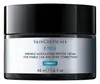
This anti-aging moisturizer is formulated around Niacinamide and Dipeptide Diaminobutyroyl Benzylamide Diacetate to soften the look of wrinkles and refine skin texture.


What's inside
What's inside
 Key Ingredients
Benefits
Concerns
Ingredients Side-by-side
Water
Skin ConditioningButylene Glycol
Humectant

Niacinamide
Smoothing










Glycerin
Humectant
Dicaprylyl Carbonate
EmollientPentylene Glycol
Skin Conditioning
Cetearyl Alcohol
Emollient






1,2-Hexanediol
Skin Conditioning
Isododecane
EmollientC14-22 Alcohols
Emulsion Stabilising
Caprylic/Capric Triglyceride
Masking
Vinyldimethicone

Macadamia Integrifolia Seed Oil
Skin Conditioning
Glyceryl Stearate Se
Emulsifying
C12-20 Alkyl Glucoside
EmulsifyingNymphaea Alba Flower Extract
Skin ConditioningAcrylates/C10-30 Alkyl Acrylate Crosspolymer
Emulsion StabilisingButyrospermum Parkii Butter
Skin Conditioning
C12-16 Alcohols
EmollientTromethamine
BufferingPsidium Guajava Fruit Extract
AstringentCamellia Sinensis Leaf Extract
Antimicrobial
Allium Sativum Bulb Extract
Skin ConditioningZinc PCA
Humectant
Capryloyl Salicylic Acid
Exfoliating
Psidium Guajava Leaf Extract
AstringentLuffa Cylindrica Fruit Extract
Skin ConditioningHydrogenated Lecithin
Emulsifying
Palmitic Acid
Emollient
Cetyl Palmitate
Emollient
Ethylhexylglycerin
Skin ConditioningAdenosine
Skin Conditioning
Sorbitan Stearate
Emulsifying
Polysorbate 80
Emulsifying
Tocopherol
Antioxidant
Ceramide NP
Skin Conditioning
Dipeptide Diaminobutyroyl Benzylamide Diacetate
Skin Conditioning
Sodium Benzoate
Masking
Citric Acid
Buffering
Palmitoyl Tetrapeptide-10
Skin Conditioning
Water, Butylene Glycol, Niacinamide, Glycerin, Dicaprylyl Carbonate, Pentylene Glycol, Cetearyl Alcohol, 1,2-Hexanediol, Isododecane, C14-22 Alcohols, Caprylic/Capric Triglyceride, Vinyldimethicone, Macadamia Integrifolia Seed Oil, Glyceryl Stearate Se, C12-20 Alkyl Glucoside, Nymphaea Alba Flower Extract, Acrylates/C10-30 Alkyl Acrylate Crosspolymer, Butyrospermum Parkii Butter, C12-16 Alcohols, Tromethamine, Psidium Guajava Fruit Extract, Camellia Sinensis Leaf Extract, Allium Sativum Bulb Extract, Zinc PCA, Capryloyl Salicylic Acid, Psidium Guajava Leaf Extract, Luffa Cylindrica Fruit Extract, Hydrogenated Lecithin, Palmitic Acid, Cetyl Palmitate, Ethylhexylglycerin, Adenosine, Sorbitan Stearate, Polysorbate 80, Tocopherol, Ceramide NP, Dipeptide Diaminobutyroyl Benzylamide Diacetate, Sodium Benzoate, Citric Acid, Palmitoyl Tetrapeptide-10
Water
Skin ConditioningGlycerin
Humectant
Propylheptyl Caprylate
EmollientSilica
Abrasive
Dicaprylyl Carbonate
EmollientSqualane
Emollient
Imperata Cylindrica Root Extract
Skin ConditioningHydroxyethyl Acrylate/Sodium Acryloyldimethyl Taurate Copolymer
Emulsion StabilisingZinc PCA
Humectant
Polyacrylate Crosspolymer-6
Emulsion StabilisingPhenoxyethanol
Preservative
Butylene Glycol
Humectant
Sucrose Palmitate
Emollient1,2-Hexanediol
Skin Conditioning
Parfum
Masking


Cetyl Alcohol
Emollient
Stearalkonium Hectorite
Gel FormingCaprylic/Capric Triglyceride
Masking
Glyceryl Linoleate
Emollient
Tocopheryl Acetate
Antioxidant
Propylene Carbonate
SolventPolysorbate 60
Emulsifying
Sorbitan Isostearate
Emulsifying
Biosaccharide Gum-1
Humectant
Carbomer
Emulsion StabilisingSodium Phytate
Hydrogenated Vegetable Oil
Emollient
Adenosine
Skin Conditioning
Anigozanthos Flavidus Extract
Skin ConditioningBenzyl Alcohol
Perfuming

Sodium Lactate
Buffering
Sodium Hydroxide
BufferingCaprylyl Glycol
Emollient
Dipeptide Diaminobutyroyl Benzylamide Diacetate
Skin Conditioning
Glyceryl Caprylate
EmollientLevulinic Acid
Perfuming
Citric Acid
Buffering
T-Butyl Alcohol
Perfuming
Polysorbate 20
Emulsifying
Potassium Sorbate
Preservative
Sodium Citrate
BufferingSodium Hyaluronate
Humectant
Crithmum Maritimum Extract
Skin ConditioningP-Anisic Acid
MaskingTocopherol
Antioxidant
Acrylates/C10-30 Alkyl Acrylate Crosspolymer
Emulsion StabilisingPalmitoyl Tripeptide-1
Skin Conditioning
Palmitoyl Tetrapeptide-7
Skin Conditioning
Water, Glycerin, Propylheptyl Caprylate, Silica, Dicaprylyl Carbonate, Squalane, Imperata Cylindrica Root Extract, Hydroxyethyl Acrylate/Sodium Acryloyldimethyl Taurate Copolymer, Zinc PCA, Polyacrylate Crosspolymer-6, Phenoxyethanol, Butylene Glycol, Sucrose Palmitate, 1,2-Hexanediol, Parfum, Cetyl Alcohol, Stearalkonium Hectorite, Caprylic/Capric Triglyceride, Glyceryl Linoleate, Tocopheryl Acetate, Propylene Carbonate, Polysorbate 60, Sorbitan Isostearate, Biosaccharide Gum-1, Carbomer, Sodium Phytate, Hydrogenated Vegetable Oil, Adenosine, Anigozanthos Flavidus Extract, Benzyl Alcohol, Sodium Lactate, Sodium Hydroxide, Caprylyl Glycol, Dipeptide Diaminobutyroyl Benzylamide Diacetate, Glyceryl Caprylate, Levulinic Acid, Citric Acid, T-Butyl Alcohol, Polysorbate 20, Potassium Sorbate, Sodium Citrate, Sodium Hyaluronate, Crithmum Maritimum Extract, P-Anisic Acid, Tocopherol, Acrylates/C10-30 Alkyl Acrylate Crosspolymer, Palmitoyl Tripeptide-1, Palmitoyl Tetrapeptide-7
Ingredients Explained
These ingredients are found in both products.
Ingredients higher up in an ingredient list are typically present in a larger amount.
1,2-Hexanediol is a synthetic liquid and another multi-functional powerhouse.
It is a:
- Humectant, drawing moisture into the skin
- Emollient, helping to soften skin
- Solvent, dispersing and stabilizing formulas
- Preservative booster, enhancing the antimicrobial activity of other preservatives
Acrylates/C10-30 Alkyl Acrylate Crosspolymer is a synthetic polymer. It is used to thicken, emulsify, and improve the texture of products.
As an emulsifier, it helps stabilize oil-in-water emulsions to give products an elegant feel when applied.
It can also form a thin protective film on skin. One study found that a formula using this polymer helped slow down how quickly other ingredients (like DEET) were absorbed through skin.
A 2024 study of over 1,300 patients confirmed that sensitization to this ingredient is rare. It is also non-mutagenic and has a clean track record.
Learn more about Acrylates/C10-30 Alkyl Acrylate CrosspolymerAdenosine is a purine nucleoside that your body already makes in every cell. In skincare, it acts mainly as a skin conditioning and anti-aging agent.
The way it works is fairly well mapped out:
Your skin has cells called fibroblasts that build collagen (the stuff that keeps skin firm and smooth). Adenosine basically flips a switch on these cells that tells them to get to work making more collagen and other proteins. These cells slow down on their own as skin ages, so Adenosine helps give them a little nudge to keep going.
The clinical backing is pretty solid too.
A blind, randomized, placebo-controlled trial of 126 women aged 45-65 tested a 0.1% cream twice daily and found real improvements in crow's feet and frown lines using a precise 3D skin-mapping technique; these changes showed up by week 3 and held at 2 months.
A later study using Adenosine-loaded dissolving microneedle patches reported gains in wrinkle depth, dermal density, elasticity, and hydration.
On concentrations, South Korea's Ministry of Food and Drug Safety has set 0.04% as the approved functional anti-wrinkle level. You'll typically see this ingredient used somewhere in the 0.04-0.1% range since it works at low doses.
This ingredient has been found safe for cosmetics with the data showing no irritation or sensitization.
Overall, this is a great ingredient for any anti-aging routine and has no photosensitizing effect, so it suits both AM and PM use.
Learn more about AdenosineButylene Glycol (or BG) is used within cosmetic products for a few different reasons:
Overall, Butylene Glycol is a safe and well-rounded ingredient that works well with other ingredients.
Though this ingredient works well with most skin types, some people with sensitive skin may experience a reaction such as allergic rashes, closed comedones, or itchiness.
Learn more about Butylene GlycolCaprylic/Capric Triglyceride (aka MCT Oil) is a lightweight emollient, solvent, and texture enhancer. It is considered a skin-softener by helping to prevent moisture loss.
Though it behaves like an oil, it is not technically one due to its chemical composition. One perk of this ingredient is that it is very stable, resistant to oxidation, and unlikely to go rancid.
In practice, that translates to a long shelf life and a consistently elegant skin feel.
While there is an assumption Caprylic Triglyceride can clog pores due to it being derived from coconut oil, there is no research supporting this. Just patch test if you have concerns.
Fractionated coconut oil and MCT Oil are both listed as Caprylic/Capric Triglyceride according to INCI. This is because INCI names are based on the ingredient’s final chemical composition and not its marketing name or source.
This ingredient is treated as the gold standard fungal acne safe oil. Even though it is coconut derived, the problematic lauric acid is stripped out.
This leaves just caprylic (C8) and capric (C10) acid. These chain lengths actually trend antifungal; a 2020 study found caprylic acid was enough to disrupt Malassezia furfur cell membrane, with a caprylic acid derivative damaging membrane structures at concentrations as low as 0.2%.
Learn more about Caprylic/Capric TriglycerideCitric Acid is an alpha hydroxy acid (AHA) naturally found in citrus fruits like oranges, lemons, and limes.
Like other AHAs, citric acid can exfoliate skin by breaking down the bonds that hold dead skin cells together. This helps reveal smoother and brighter skin underneath.
However, this exfoliating effect only happens at high concentrations (20%) which can be hard to find in cosmetic products.
Due to this, citric acid is usually included in small amounts as a pH adjuster. This helps keep products slightly more acidic and compatible with skin's natural pH.
In skincare formulas, citric acid can:
While it can provide some skin benefits, research shows lactic acid and glycolic acid are generally more effective and less irritating exfoliants.
Most citric acid used in skincare today is made by fermenting sugars (usually from molasses). This synthetic version is identical to the natural citrus form but easier to stabilize and use in formulations.
Rosacea skin has a lower threshold for acids generally, with 62.5% of rosacea subjects in one study reacting to lactic acid in a sting test. This is why we mark citric acid as a potential rosacea trigger.
However, this ingredient shows up as a pH adjuster or chelator at roughly 0.1-1% in many products. These low levels are unlikely to be an issue for rosacea skin and becomes a potential trigger at exfoliating concentrations (20%). Because everybody's skin is unique, we recommend a patch test if you are unsure.
Learn more about Citric AcidDicaprylyl Carbonate comes from carbonic acid and caprylyl alcohol, a fatty alcohol. It is an emollient and gives skin a velvet feel. The sources of Dicaprylyl Carbonate may be synthetic or from animals.
As an emollient, Dicaprylyl Carbonate creates a film on the skin. This film traps moisture in, keeping your skin soft and hydrated.
This small molecule peptide has similar benefits to Argireline, the "botox" peptide.
According to the manufacturer, this peptide mimics snake venom to freeze muscles. This prevents muscle movement and contractions to prohibit the formation of fine lines and wrinkles.
While this seems promising, research is lacking in proving this ingredient to be as effective as botox.
Learn more about Dipeptide Diaminobutyroyl Benzylamide DiacetateGlycerin (or glycerol) is a compound naturally found in your skin. It's a powerhouse humectant that pulls water into the stratum corneum.
Topically, glycerin does several things at once:
Your skin makes glycerin on its own (mostly from sebaceous oil breakdown) and shuttles it to your outermost layer of skin, or your epidermis, via aquaporin-3.
Aquaporin-3 is a transporter that is essential for normal skin hydration, elasticity, and repair. Interestingly, mice lacking in AQP3 have dry and less elastic skin that can be fully corrected with glycerin.
This ingredient is non-irritating, plays well with almost every ingredient, and works across all skin types. Typical use is anywhere between 3-10% but can go up to 79% in some leave-on products.
Just know very high concentrations (>40%) can feel tacky in low humidity.
Glycerin is the name for this ingredient in American English. British English uses Glycerol/Glycerine.
Learn more about GlycerinTocopherol is a fat-soluble antioxidant known as Vitamin E.
You'll find this ingredient in the vast majority of skincare (for good reason). It works to neutralize free radicals, or unstable molecules generated by UV exposure, pollution, and other environmental stressors, before they can cause oxidative damage to your skin cells.
Topically applied tocopherol has been shown to protect against UV damage by ramping up the skin's own natural defense enzymes.
It also acts as a skin conditioning agent; some studies show that regular topical use can improve the skin's water-binding capacity over 2-4 weeks.
This ingredient is especially loved for being a team player. When combined with Vitamin C, the photoprotective effect of both ingredients roughly doubles and the combo also helps reduce UV-induced DNA damage.
This ingredient has some brightening potential but it's more of a prevention ingredient than spot-fader. Cell studies show it can slow down melanin production but it's worth noting that it's not the most powerful brightener out there.
In formulations, it also serves as a stabilizer that helps protect other oxidation-prone ingredients from degrading.
Concentrations usually range from 0.1-1% in most leave-on products.
Learn more about TocopherolWater. It's the most common cosmetic ingredient of all. You'll usually see it at the top of ingredient lists, meaning that it makes up the largest part of the product.
So why is it so popular? Water most often acts as a solvent - this means that it helps dissolve other ingredients into the formulation.
You'll also recognize water as that liquid we all need to stay alive. If you see this, drink a glass of water. Remember to stay hydrated!
Learn more about WaterZinc PCA is a clever two-in-one molecule: the zinc salt of pyrrolidone carboxylic acid (PCA).
Think of it as two useful things bonded together; the PCA half is one of your skin's own natural moisturizing factors (NMF) so it helps hold water in the upper layers. On the other hand, the zinc half does the heavy lifting on oil and bacteria.
The zinc part slows down an enzyme that turns testosterone into DHT, the hormone that tells your oil glands to pump out more sebum. Less of that signal means less oil. It also gently fights acne-causing bacteria and soothes redness/irritation.
This is why Zinc PCA often shows up in products for oily, breakout-prone skin and greasy scalps.
One lab study also hinted it might have a small anti-aging perk because it seemed to protect collagen from UVA damage and even helped the skin make a bit more of it. That last bit is still early research done in a dish and not real skin, so take it as a nice bonus rather than a promise for now.
As for scar healing, the picture is more "maybe" than a firm yes. Zinc itself plays a real role in wound repair because it is a cofactor for the enzymes involved in collagen building, calming inflammation, and helping new skin cells cover a wound. Lower zinc levels are also linked to slower healing.
Most of the scar healing research is on zinc oxide or oral zinc rather than zinc PCA specifically, with a focus on healing fresh wounds instead of scars that are already there.
Direct evidence that zinc PCA improves the look of established scars is still limited at this time. Though it would be fair to say zinc PCA supports the general skin-repair environment thanks to its zinc content .
This ingredient is water-soluble and plays nicely with other actives like niacinamide and salicylic acid. It works best at mildly acidic formulas (~4-6 pH) and is effective at low levels. Around 0.1% is enough to be active and finished products commonly use it anywhere up to 4%.
Overall, this is a well-tolerated, low-drama multitasker that suits oily and acne-prone skin.
Learn more about Zinc PCA

