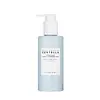
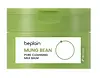
SKIN1004 Madagascar Centella Hyalu-Cica Gentle Cleansing Milk Versus Beplain Mung Bean Pore Cleansing Milk Balm
This mild cream makeup remover is made to dissolve makeup, sunscreen, and daily buildup.
This oil-based makeup remover is made to dissolve makeup, sunscreen, and daily buildup.

What's inside
What's inside
 Key Ingredients
Benefits
Concerns
Ingredients Side-by-side
Water
Skin ConditioningEthylhexyl Stearate
Emollient




Ethylhexyl Palmitate
Emollient
Propanediol
Solvent

Dicaprylyl Ether
Emollient
Polyglyceryl-6 Stearate
Emollient
Glycerin
Humectant
Methylpropanediol
SolventPentylene Glycol
Skin Conditioning
1,2-Hexanediol
Skin Conditioning
Panthenol
Skin Conditioning

Polyacrylate Crosspolymer-6
Emulsion StabilisingAcrylates/C10-30 Alkyl Acrylate Crosspolymer
Emulsion StabilisingCentella Asiatica Extract
Cleansing

Polyglyceryl-6 Behenate
Emulsion Stabilising
Musa Sapientum Flower Extract
Skin ConditioningRosa Damascena Flower Water
Masking
Butylene Glycol
Humectant
Allantoin
Skin Conditioning
Ectoin
Skin Conditioning
Xanthan Gum
EmulsifyingPyrus Communis Fruit Extract
Skin ConditioningSodium Dilauramidoglutamide Lysine
HumectantPrunus Domestica Fruit Extract
MoisturisingTocopherol
Antioxidant



Ethylhexylglycerin
Skin ConditioningCucumis Melo Fruit Extract
Skin ConditioningAminomethyl Propanediol
BufferingCitric Acid
Buffering
Hedera Helix Leaf/Stem Extract
AntimicrobialSodium Phytate
Candida Bombicola/Glucose/Methyl Rapeseedate Ferment
AntimicrobialCynanchum Atratum Extract
Skin ConditioningMacadamia Ternifolia Seed Oil
Emollient
Althaea Rosea Flower Extract
Skin ConditioningHydrolyzed Vegetable Protein
Skin ConditioningMaltodextrin
Absorbent
Sodium Cocoyl Apple Amino Acids
Skin Conditioning
Hydrolyzed Sodium Hyaluronate
Skin Conditioning
Moringa Oleifera Seed Oil
Emollient
Beta-Glucan
Skin Conditioning
Hexylene Glycol
EmulsifyingCeramide NP
Skin Conditioning
Phytosphingosine
Skin Conditioning
Hydrogenated Lecithin
Emulsifying
Tetrasodium Glutamate Diacetate
Water, Ethylhexyl Stearate, Ethylhexyl Palmitate, Propanediol, Dicaprylyl Ether, Polyglyceryl-6 Stearate, Glycerin, Methylpropanediol, Pentylene Glycol, 1,2-Hexanediol, Panthenol, Polyacrylate Crosspolymer-6, Acrylates/C10-30 Alkyl Acrylate Crosspolymer, Centella Asiatica Extract, Polyglyceryl-6 Behenate, Musa Sapientum Flower Extract, Rosa Damascena Flower Water, Butylene Glycol, Allantoin, Ectoin, Xanthan Gum, Pyrus Communis Fruit Extract, Sodium Dilauramidoglutamide Lysine, Prunus Domestica Fruit Extract, Tocopherol, Ethylhexylglycerin, Cucumis Melo Fruit Extract, Aminomethyl Propanediol, Citric Acid, Hedera Helix Leaf/Stem Extract, Sodium Phytate, Candida Bombicola/Glucose/Methyl Rapeseedate Ferment, Cynanchum Atratum Extract, Macadamia Ternifolia Seed Oil, Althaea Rosea Flower Extract, Hydrolyzed Vegetable Protein, Maltodextrin, Sodium Cocoyl Apple Amino Acids, Hydrolyzed Sodium Hyaluronate, Moringa Oleifera Seed Oil, Beta-Glucan, Hexylene Glycol, Ceramide NP, Phytosphingosine, Hydrogenated Lecithin, Tetrasodium Glutamate Diacetate
Ethylhexyl Palmitate
Emollient
Helianthus Annuus Seed Oil
Emollient
Polyglyceryl-10 Diisostearate
Emulsifying
Polyglyceryl-6 Dicaprate
EmulsifyingPolyethylene
Abrasive
Cetearyl Alcohol
Emollient
Dipropylene Glycol
HumectantCI 77891
Cosmetic ColorantCaprylic/Capric Triglyceride
Masking
Vigna Radiata Seed Extract
Skin ConditioningCamellia Sinensis Seed Oil
Humectant
Melia Azadirachta Leaf Extract
Skin ConditioningAluminum Hydroxide
EmollientCapryloyl Salicylic Acid
Exfoliating


Hippophae Rhamnoides Fruit Oil
Skin Protecting
Melia Azadirachta Flower Extract
Skin ConditioningCoccinia Indica Fruit Extract
Skin Conditioning
Water
Skin ConditioningSolanum Melongena Fruit Extract
Skin ConditioningAmber Powder
Ceramide NP
Skin Conditioning
Gluconolactone
Skin Conditioning
Curcuma Longa Root Extract
Antioxidant
Ocimum Sanctum Leaf Extract
Skin ConditioningGlycerin
Humectant
Corallina Officinalis Extract
Skin Conditioning
Moringa Oleifera Seed Oil
Emollient
Butylene Glycol
Humectant
1,2-Hexanediol
Skin Conditioning
Lactobacillus/Soymilk Ferment Filtrate
Skin ConditioningHydrogenated Lecithin
Emulsifying
Asiaticoside
Antioxidant
Madecassic Acid
Skin Conditioning
Asiatic Acid
Skin Conditioning
Cholesterol
Emollient
Ethylhexyl Palmitate, Helianthus Annuus Seed Oil, Polyglyceryl-10 Diisostearate, Polyglyceryl-6 Dicaprate, Polyethylene, Cetearyl Alcohol, Dipropylene Glycol, CI 77891, Caprylic/Capric Triglyceride, Vigna Radiata Seed Extract, Camellia Sinensis Seed Oil, Melia Azadirachta Leaf Extract, Aluminum Hydroxide, Capryloyl Salicylic Acid, Hippophae Rhamnoides Fruit Oil, Melia Azadirachta Flower Extract, Coccinia Indica Fruit Extract, Water, Solanum Melongena Fruit Extract, Amber Powder, Ceramide NP, Gluconolactone, Curcuma Longa Root Extract, Ocimum Sanctum Leaf Extract, Glycerin, Corallina Officinalis Extract, Moringa Oleifera Seed Oil, Butylene Glycol, 1,2-Hexanediol, Lactobacillus/Soymilk Ferment Filtrate, Hydrogenated Lecithin, Asiaticoside, Madecassic Acid, Asiatic Acid, Cholesterol
Reviews
Ingredients Explained
These ingredients are found in both products.
Ingredients higher up in an ingredient list are typically present in a larger amount.
1,2-Hexanediol is a synthetic liquid and another multi-functional powerhouse.
It is a:
- Humectant, drawing moisture into the skin
- Emollient, helping to soften skin
- Solvent, dispersing and stabilizing formulas
- Preservative booster, enhancing the antimicrobial activity of other preservatives
Butylene Glycol (or BG) is used within cosmetic products for a few different reasons:
Overall, Butylene Glycol is a safe and well-rounded ingredient that works well with other ingredients.
Though this ingredient works well with most skin types, some people with sensitive skin may experience a reaction such as allergic rashes, closed comedones, or itchiness.
Learn more about Butylene GlycolCeramide NP (formerly known as Ceramide 3) is one of the skin's naturally occurring lipids.
Since ceramides are the major lipid components of the skin, they are crucial for maintaining skin barrier and hydration. Ceramide NP most closely mirrors the dominant kind in human skin amongst ceramide subtypes.
This ceramide works by slotting into gaps within the stratum corneum's lipid matrix to limit trans-epidermal water loss (TEWL) and shield the skin against external irritants.
A study with 312 patients found that using a ceramide-containing routine for 4 weeks reduced the severity of atopic dermatitis by over 61%.
Another clinical study in subjects aged 60 and older found that a ceramide body wash and moisturizer improved skin dryness and itchy skin in 15 days.
Overall, ceramides are considered non-irritating and safety tests have found little to no observable adverse effects from using this ingredient.
Ceramide NP is usually sourced from plants (like soybean or rice bran), or produced synthetically.
Learn more about Ceramide NPEthylhexyl Palmitate, also known as octyl palmitate, is created from 2-ethylhexyl alcohol and palmitic acid.
In cosmetics, it plays many roles:
One thing worth noting: a controlled study found this ingredient applied under occlusion to acne-prone subjects increased microcomedones. Just keep in mind this was under occlusive conditions and don't reflect how most products are used day-to-day.
For most people, this is a well-tolerated and lightweight ingredient.
This ingredient may not be fungal acne safe because it is an ester of palmitic acid, a C16 fatty acid that falls within the C11-24 range that Malassezia can metabolize.
Learn more about Ethylhexyl PalmitateGlycerin (or glycerol) is a compound naturally found in your skin. It's a powerhouse humectant that pulls water into the stratum corneum.
Topically, glycerin does several things at once:
Your skin makes glycerin on its own (mostly from sebaceous oil breakdown) and shuttles it to your outermost layer of skin, or your epidermis, via aquaporin-3.
Aquaporin-3 is a transporter that is essential for normal skin hydration, elasticity, and repair. Interestingly, mice lacking in AQP3 have dry and less elastic skin that can be fully corrected with glycerin.
This ingredient is non-irritating, plays well with almost every ingredient, and works across all skin types. Typical use is anywhere between 3-10% but can go up to 79% in some leave-on products.
Just know very high concentrations (>40%) can feel tacky in low humidity.
Glycerin is the name for this ingredient in American English. British English uses Glycerol/Glycerine.
Learn more about GlycerinHydrogenated Lecithin is a more stable version of lecithin.
It's made by taking lecithin (a phospholipid commonly found in soybeans and egg yolks) and hydrogenating it. This just means the unsaturated fatty acids are turned into saturated ones so they don't go bad as easily.
This ingredient is an emollient, emulsifier, and penetration enhancer. As an emollient, it helps soften and hydrate skin by trapping moisture within. As an emulsifier, it prevents oil and water ingredients from separating.
Hydrogenated Lecithin can form tiny spherical structures made of phospholipid bilayers called liposomes. These liposomes are able to capture compounds inside their structure and deliver them through the skin barrier.
Because phospholipids are a natural component of our cell membranes, this ingredient is inherently compatible with skin.
A 2021 study found lecithin-based surfactants were less harsh and more tolerable comared to Sodium Lauryl Sulfate (SLS).
Learn more about Hydrogenated LecithinMoringa Oleifera Seed Oil is a lightweight oil from the seeds of the Moringa oleifera tree. In cosmetics, it's an emollient that forms a light film to slow water loss and soften skin.
Its fatty acid composition is dominated by oleic acid (70-78%), with smaller amounts of behenic, palmitic, and stearic acids (this profile is actually pretty similar to olive oil).
Notably, this ingredient is oxidatively stable for an oil and resists going rancid as fast as other oils.
A small, in vivo study on 32 participants found a cream with this ingredient increased skin hydration with no reported skin irritation. It also found the tocopherol content gave it some antioxidant activity as well.
One thing to flag for fungal acne:
Because this oil is so high in oleic acid, Malassezia can use it as a food source and this ingredient may not be fungal acne safe.
For everyone else, this ingredient is well-tolerated and nourishing with a good safety track record.
Learn more about Moringa Oleifera Seed OilWater. It's the most common cosmetic ingredient of all. You'll usually see it at the top of ingredient lists, meaning that it makes up the largest part of the product.
So why is it so popular? Water most often acts as a solvent - this means that it helps dissolve other ingredients into the formulation.
You'll also recognize water as that liquid we all need to stay alive. If you see this, drink a glass of water. Remember to stay hydrated!
Learn more about Water

