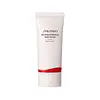
This calming day moisturizer is formulated around Laminaria Ochroleuca Extract and Laminaria Digitata Extract to calm redness and hydrate skin.


What's inside
What's inside
 Key Ingredients
Benefits
Concerns
Ingredients Side-by-side
Butyl Methoxydibenzoylmethane 2.5%
UV Absorber
Ethylhexyl Methoxycinnamate 4.9%
UV Absorber

Octocrylene 5%
UV Absorber
Water
Skin ConditioningAlcohol Denat.
Antimicrobial


Glycerin
Humectant


Butylene Glycol
Humectant
Niacinamide
Smoothing









Silica
Abrasive
Isodecyl Neopentanoate
EmollientTriethylhexanoin
MaskingGlyceryl Diisostearate
Emollient
PEG-60 Hydrogenated Castor Oil
Emulsifying
Lactobacillus/Rice Ferment
Skin Conditioning
Xanthan Gum
EmulsifyingTocopheryl Acetate
Antioxidant

Polyquaternium-51
Skin Conditioning
Lavandula Angustifolia Oil
Masking


Sanguisorba Officinalis Root Extract
CleansingSodium Acetylated Hyaluronate
Humectant
Citrus Junos Seed Extract
Antioxidant
Camellia Sinensis Leaf Extract
Antimicrobial
Behenyl Alcohol
Emollient
Batyl Alcohol
EmollientCarbomer
Emulsion StabilisingDimethylacrylamide/Sodium Acryloyldimethyltaurate Crosspolymer
Potassium Hydroxide
BufferingAlcohol
Antimicrobial
Acrylates/C10-30 Alkyl Acrylate Crosspolymer
Emulsion StabilisingTocopherol
Antioxidant
Trisodium EDTA
Sodium Metabisulfite
Antioxidant
Sodium Metaphosphate
BufferingBHT
Antioxidant
Linalool
Perfuming
Chlorphenesin
Antimicrobial
Phenoxyethanol
Preservative
CI 77491
Cosmetic ColorantCI 77492
Cosmetic ColorantButyl Methoxydibenzoylmethane 2.5%, Ethylhexyl Methoxycinnamate 4.9%, Octocrylene 5%, Water, Alcohol Denat., Glycerin, Butylene Glycol, Niacinamide, Silica, Isodecyl Neopentanoate, Triethylhexanoin, Glyceryl Diisostearate, PEG-60 Hydrogenated Castor Oil, Lactobacillus/Rice Ferment, Xanthan Gum, Tocopheryl Acetate, Polyquaternium-51, Lavandula Angustifolia Oil, Sanguisorba Officinalis Root Extract, Sodium Acetylated Hyaluronate, Citrus Junos Seed Extract, Camellia Sinensis Leaf Extract, Behenyl Alcohol, Batyl Alcohol, Carbomer, Dimethylacrylamide/Sodium Acryloyldimethyltaurate Crosspolymer, Potassium Hydroxide, Alcohol, Acrylates/C10-30 Alkyl Acrylate Crosspolymer, Tocopherol, Trisodium EDTA, Sodium Metabisulfite, Sodium Metaphosphate, BHT, Linalool, Chlorphenesin, Phenoxyethanol, CI 77491, CI 77492
Water
Skin ConditioningEthylhexyl Salicylate
UV Absorber
Homosalate
Skin Conditioning
Butyloctyl Salicylate
Skin Conditioning
Methyl Trimethicone
Skin Conditioning
Neopentyl Glycol Diheptanoate
EmollientButyl Methoxydibenzoylmethane
UV Absorber
Benzophenone-3
UV Absorber
Aleurites Moluccanus Seed Oil
Skin Conditioning
Octocrylene
UV Absorber
Lauryl PEG-9 Polydimethylsiloxyethyl Dimethicone
Skin Conditioning
PEG-100 Stearate
Surfactant
Butylene Glycol
Humectant
Glyceryl Stearate
Emollient
Dipentaerythrityl Tri-Polyhydroxystearate
Emollient
Laminaria Ochroleuca Extract
Skin Conditioning
Laminaria Digitata Extract
Skin Protecting
Algae Extract
Emollient
Lavandula Angustifolia Oil
Masking
Pelargonium Graveolens Flower Oil
Masking
Sodium Hyaluronate
Humectant
Caffeine
Skin Conditioning
Ergothioneine
Antioxidant
Sorbitol
Humectant
Ethylhexylglycerin
Skin ConditioningPotassium Cetyl Phosphate
EmulsifyingCetyl Alcohol
Emollient
Vp/Eicosene Copolymer
Saccharide Isomerate
Humectant
Caprylic/Capric Triglyceride
Masking
Caprylyl Glycol
Emollient
Ammonium Acryloyldimethyltaurate/Vp Copolymer
Stearic Acid
Cleansing
Dehydroxanthan Gum
Emulsion StabilisingSodium Dehydroacetate
Preservative
Disodium EDTA
Phenoxyethanol
Preservative
Citric Acid
Buffering
Citronellol
Perfuming
Geraniol
Perfuming
Linalool
Perfuming
Mica
Cosmetic ColorantWater, Ethylhexyl Salicylate, Homosalate, Butyloctyl Salicylate, Methyl Trimethicone, Neopentyl Glycol Diheptanoate, Butyl Methoxydibenzoylmethane, Benzophenone-3, Aleurites Moluccanus Seed Oil, Octocrylene, Lauryl PEG-9 Polydimethylsiloxyethyl Dimethicone, PEG-100 Stearate, Butylene Glycol, Glyceryl Stearate, Dipentaerythrityl Tri-Polyhydroxystearate, Laminaria Ochroleuca Extract, Laminaria Digitata Extract, Algae Extract, Lavandula Angustifolia Oil, Pelargonium Graveolens Flower Oil, Sodium Hyaluronate, Caffeine, Ergothioneine, Sorbitol, Ethylhexylglycerin, Potassium Cetyl Phosphate, Cetyl Alcohol, Vp/Eicosene Copolymer, Saccharide Isomerate, Caprylic/Capric Triglyceride, Caprylyl Glycol, Ammonium Acryloyldimethyltaurate/Vp Copolymer, Stearic Acid, Dehydroxanthan Gum, Sodium Dehydroacetate, Disodium EDTA, Phenoxyethanol, Citric Acid, Citronellol, Geraniol, Linalool, Mica
Ingredients Explained
These ingredients are found in both products.
Ingredients higher up in an ingredient list are typically present in a larger amount.
Also known as Avobenzone, this ingredient is an oil-soluble used to absorb the full spectrum of UVA rays (peak 357 nm).
It's one of the most effective UVA filters available but has a major caveat of photostability: avobenzone is susceptible to photodegradation.
This means it can lose efficacy when exposed to sunlight without the help of a stabilizing agent.
Studies show antioxidants (like vitamin E or vitamin C) and some UV filters (like octocrylene and Tinosorb S) can meaningfully improve its stability in a formulation.
The maximum allowable concentration according to regulation is 3% in the US + Canada, and 5% in the EU, Australia, China, Korea, and ASEAN countries.
It has a well-support safety profile: a comprehensive 2025 review found minimal toxicity with no evidence of carcinogenicity.
Overall, avobenzone is a safe and regulated ingredient used in sunscreen for over 40 years.
Learn more about Butyl MethoxydibenzoylmethaneButylene Glycol (or BG) is used within cosmetic products for a few different reasons:
Overall, Butylene Glycol is a safe and well-rounded ingredient that works well with other ingredients.
Though this ingredient works well with most skin types, some people with sensitive skin may experience a reaction such as allergic rashes, closed comedones, or itchiness.
Learn more about Butylene GlycolLavandula Angustifolia Oil is more commonly known as lavender essential oil. It is considered a fragrancing ingredient.
Lavender imparts a famous scent. While the smell is lovely, this ingredient and may sensitize skin in topical products. This is because about 85% of the oil is made up of linalool and linalyl acetate.
When exposed to air, these two compounds become strong allergens. This ingredient exhibits cytotoxicity at low concentrations; amounts of 0.25% have been shown to damage skin cells.
A study from Japan found this ingredient caused lavender sensitivity after widespread exposure.
Lavender essential oil has some antimicrobial, antibacterial, and anti-inflammatory properties. However, the cons of this ingredient may outweight the pros.
More research is needed to confirm lavender essential oil's effects when used in aromatherapy.
Lavandula Angustifolia is known as the English Lavender and famous for creating purple fields in Provence, France.
Learn more about Lavandula Angustifolia OilLinalool is a fragrance and helps add scent to products. It's derived from common plants such as cinnamon, mint, citrus, and lavender.
Like Limonene, this ingredient oxidizes when exposed to air. Oxidized linalool can cause allergies and skin sensitivity.
This ingredient has a scent that is floral, spicy tropical, and citrus-like.
Learn more about LinaloolOctocrylene is an oil-soluble organic UV filter that mainly absorbs UVB and short wave UVA II light.
Its real superpower is teamwork: octocrylene is remarkably photostable and is most famous for stabilizing avobenzone (the workhorse UVA filter).
This ingredient is commonly used to enhance both UVB and UVA protection due to its unique property in stabilizing avobenzone. It also pulls double duty by boosting water resistance and giving formulas a smooth, spreadable feel.
The EU's Scientific Committee on Consumer Safety (SCCS) has deemed octocrylene to be safe as a UV-filter at concentrations up to 10% (capped at 9% in propellant sprays). The US also permits it up to 10%.
Two things worth knowing:
You'll usually see this ingredient used in concentrations between 2-10% (higher amounts when used as a stabilizer for avobenzone).
Learn more about OctocrylenePhenoxyethanol is one of the most widely used preservatives in skincare (and for good reason!).
It has a large spectrum of antimicrobial activity and especially effective bacteria, yeast, and mold while only having a weak effect on your skin's natural microbiome.
On a cellular level, it disrupts the cell membranes of microbes by poking holes that make the cell leak. This shuts down the chemical reactions the microbe needs to make energy so it can no longer survive.
Another perk of this ingredient is that it stays functional across a wide pH range (3-10).
You'll often see it paired with boosters like Ethylhexylglycerin; one study showed that a 1:9 ratio of Ethylhexylglycerin to Phenoxyethanol damages bacterial membranes as effectively as doubling the Phenoxyethanol concentration on its own.
Typical use concentrations range from 0.3-1% depending on the formula, and this ingredient is capped at 1% int the EU.
Safety-wise, the fear mongering does not hold up to the evidence. The EU's Scientific Committee on Consumer Safety and FDA consider it safe as a preservative at up to 1%, including for children of all ages.
Adverse systemic effects only showed up in animal studies at exposures roughly 200x higher than what people get from cosmetics. And despite its very widespread use, this ingredient is a rare sensitizer and allergic reactions are uncommon.
Learn more about PhenoxyethanolWater. It's the most common cosmetic ingredient of all. You'll usually see it at the top of ingredient lists, meaning that it makes up the largest part of the product.
So why is it so popular? Water most often acts as a solvent - this means that it helps dissolve other ingredients into the formulation.
You'll also recognize water as that liquid we all need to stay alive. If you see this, drink a glass of water. Remember to stay hydrated!
Learn more about Water

