Bobbi Brown Primer Plus Protection SPF 50 Versus Estée Lauder Idealist Pore Minimizing Skin Refinisher
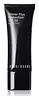
This calming day moisturizer is formulated around Laminaria Ochroleuca Extract and Laminaria Digitata Extract to calm redness and hydrate skin.
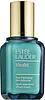
This pore-care serum is formulated around Acetyl Glucosamine and Serenoa Serrulata Fruit Extract to refine the look of pores.

What's inside
What's inside
 Key Ingredients
Benefits
Concerns
Ingredients Side-by-side
Water
Skin ConditioningEthylhexyl Salicylate
UV Absorber

Homosalate
Skin Conditioning
Butyloctyl Salicylate
Skin Conditioning
Methyl Trimethicone
Skin Conditioning
Neopentyl Glycol Diheptanoate
EmollientButyl Methoxydibenzoylmethane
UV Absorber
Benzophenone-3
UV Absorber

Aleurites Moluccanus Seed Oil
Skin Conditioning

Octocrylene
UV Absorber
Lauryl PEG-9 Polydimethylsiloxyethyl Dimethicone
Skin Conditioning
PEG-100 Stearate
Surfactant
Butylene Glycol
Humectant

Glyceryl Stearate
Emollient
Dipentaerythrityl Tri-Polyhydroxystearate
Emollient
Laminaria Ochroleuca Extract
Skin Conditioning

Laminaria Digitata Extract
Skin Protecting
Algae Extract
Emollient
Lavandula Angustifolia Oil
Masking


Pelargonium Graveolens Flower Oil
Masking
Sodium Hyaluronate
Humectant

Caffeine
Skin Conditioning
Ergothioneine
Antioxidant

Sorbitol
Humectant
Ethylhexylglycerin
Skin ConditioningPotassium Cetyl Phosphate
EmulsifyingCetyl Alcohol
Emollient

Vp/Eicosene Copolymer
Saccharide Isomerate
Humectant
Caprylic/Capric Triglyceride
Masking
Caprylyl Glycol
Emollient
Ammonium Acryloyldimethyltaurate/Vp Copolymer
Stearic Acid
Cleansing
Dehydroxanthan Gum
Emulsion StabilisingSodium Dehydroacetate
Preservative
Disodium EDTA
Phenoxyethanol
Preservative
Citric Acid
Buffering

Citronellol
Perfuming
Geraniol
Perfuming
Linalool
Perfuming
Mica
Cosmetic ColorantWater, Ethylhexyl Salicylate, Homosalate, Butyloctyl Salicylate, Methyl Trimethicone, Neopentyl Glycol Diheptanoate, Butyl Methoxydibenzoylmethane, Benzophenone-3, Aleurites Moluccanus Seed Oil, Octocrylene, Lauryl PEG-9 Polydimethylsiloxyethyl Dimethicone, PEG-100 Stearate, Butylene Glycol, Glyceryl Stearate, Dipentaerythrityl Tri-Polyhydroxystearate, Laminaria Ochroleuca Extract, Laminaria Digitata Extract, Algae Extract, Lavandula Angustifolia Oil, Pelargonium Graveolens Flower Oil, Sodium Hyaluronate, Caffeine, Ergothioneine, Sorbitol, Ethylhexylglycerin, Potassium Cetyl Phosphate, Cetyl Alcohol, Vp/Eicosene Copolymer, Saccharide Isomerate, Caprylic/Capric Triglyceride, Caprylyl Glycol, Ammonium Acryloyldimethyltaurate/Vp Copolymer, Stearic Acid, Dehydroxanthan Gum, Sodium Dehydroacetate, Disodium EDTA, Phenoxyethanol, Citric Acid, Citronellol, Geraniol, Linalool, Mica
Water
Skin ConditioningCyclopentasiloxane
Emollient
Dimethicone
Emollient
Polysilicone-11

Acetyl Glucosamine
Skin Conditioning
Sodium Lactate
Buffering
Morus Nigra Root Extract
Skin ConditioningFaex Extract
Skin ConditioningSerenoa Serrulata Fruit Extract
Skin Conditioning
Triticum Vulgare Germ Extract
Skin ConditioningVitis Vinifera Fruit Extract
Skin ConditioningScutellaria Baicalensis Extract
AntimicrobialCastanea Sativa Seed Extract
Skin ConditioningCamellia Sinensis Leaf Extract
Antimicrobial
Hordeum Vulgare Extract
EmollientLavandula Angustifolia Oil
Masking
Amorphophallus Konjac Root Powder
Abrasive
Caffeine
Skin Conditioning
Laminaria Saccharina Extract
Skin Protecting
Tocopheryl Acetate
Antioxidant
Salvia Sclarea Extract
AntiseborrhoeicSodium Hyaluronate
Humectant
Coriandrum Sativum Oil
Masking
Citrus Grandis
Cholesterol
Emollient
Glycerin
Humectant
Ethylhexylglycerin
Skin ConditioningSqualane
Emollient
Polyethylene
Abrasive
Isopentyldiol
Humectant
Phenyl Trimethicone
Skin Conditioning
Isohexadecane
EmollientPolysorbate 20
Emulsifying
Pantethine
EmollientMethyldihydrojasmonate
MaskingAcrylamide/Sodium Acryloyldimethyltaurate Copolymer
Emulsion StabilisingAmmonium Acryloyldimethyltaurate/Vp Copolymer
Polysorbate 80
Emulsifying
PEG-8
HumectantEthyl 2,2-Dimethylhydrocinnamal
Masking
Phospholipids
Skin Conditioning
Palmitoyl Oligopeptide
Cleansing
Butylene Glycol
Humectant
Magnesium Ascorbyl Phosphate
Antioxidant

Glyceryl Polymethacrylate
Sodium Glycinate
Skin ConditioningNordihydroguaiaretic Acid
Antioxidant
Chlorphenesin
Antimicrobial
Phenoxyethanol
Preservative
Limonene
Perfuming
Linalool
Perfuming
CI 77491
Cosmetic ColorantCI 77492
Cosmetic ColorantCI 77499
Cosmetic ColorantMica
Cosmetic ColorantCI 77891
Cosmetic ColorantWater, Cyclopentasiloxane, Dimethicone, Polysilicone-11, Acetyl Glucosamine, Sodium Lactate, Morus Nigra Root Extract, Faex Extract, Serenoa Serrulata Fruit Extract, Triticum Vulgare Germ Extract, Vitis Vinifera Fruit Extract, Scutellaria Baicalensis Extract, Castanea Sativa Seed Extract, Camellia Sinensis Leaf Extract, Hordeum Vulgare Extract, Lavandula Angustifolia Oil, Amorphophallus Konjac Root Powder, Caffeine, Laminaria Saccharina Extract, Tocopheryl Acetate, Salvia Sclarea Extract, Sodium Hyaluronate, Coriandrum Sativum Oil, Citrus Grandis, Cholesterol, Glycerin, Ethylhexylglycerin, Squalane, Polyethylene, Isopentyldiol, Phenyl Trimethicone, Isohexadecane, Polysorbate 20, Pantethine, Methyldihydrojasmonate, Acrylamide/Sodium Acryloyldimethyltaurate Copolymer, Ammonium Acryloyldimethyltaurate/Vp Copolymer, Polysorbate 80, PEG-8, Ethyl 2,2-Dimethylhydrocinnamal, Phospholipids, Palmitoyl Oligopeptide, Butylene Glycol, Magnesium Ascorbyl Phosphate, Glyceryl Polymethacrylate, Sodium Glycinate, Nordihydroguaiaretic Acid, Chlorphenesin, Phenoxyethanol, Limonene, Linalool, CI 77491, CI 77492, CI 77499, Mica, CI 77891
Reviews
Ingredients Explained
These ingredients are found in both products.
Ingredients higher up in an ingredient list are typically present in a larger amount.
Ammonium Acryloyldimethyltaurate/Vp Copolymer is a synthetically created polymer. It's used as a film-forming agent and used to thicken the consistency of products.
Think of it as a supportive ingredient that helps your gel-creams feel silky, "cloud cream-like", and spread evenly without being greasy.
The Cosmetic Ingredient Review (CIR) Expert Panel evaluated it (along with 22 other acryloyldimethyltaurate polymers) and concluded it's:
Due to its large molecular size, it sits on the surface of skin rather than penetrating it.
Learn more about Ammonium Acryloyldimethyltaurate/Vp CopolymerButylene Glycol (or BG) is used within cosmetic products for a few different reasons:
Overall, Butylene Glycol is a safe and well-rounded ingredient that works well with other ingredients.
Though this ingredient works well with most skin types, some people with sensitive skin may experience a reaction such as allergic rashes, closed comedones, or itchiness.
Learn more about Butylene GlycolCaffeine is a naturally occurring plant compound found in coffee beans, tea leaves, cocoa pods, and guarana.
As an antioxidant, caffeine protects your skin from free radical damage caused by UV exposure and envionrmnetal stressors.
Early research also shows that caffeine can help calm redness, soothe irritated skin, and support hair growth by stimulating microcirculation in the scalp.
You might have seen eye creams marketing caffeine as a depuffing ingredient. This is because it is a vasoconstrictor meaning it can temporarily constrict blood vessels, though clinical evidence for this specific use is still limited.
Most skincare products contain this ingredient at concentrations between 1-6%. It is able to penetrate skin easily regardless of skin type or thickness.
Just so you know, a very small number of case reports describe caffeine-induced allergy. This ingredient is generally well-tolerated, non-irritating, and non-sensitizing for the majority of people.
Learn more about CaffeineEthylhexylglycerin is created from glycerin. It is a multitasker ingredient that:
The CIR Expert Panel found minimal skin absorption or sensitization of any kind in a safety assessment. Though this ingredient is considered well-tolerated, a small number of cases of allergic dermatitis have been published since 2002. Just be sure to patch test if you are unsure.
Industry-reported use ranges from 8% in rinse-off products and 2% in leave-on formulations.
Learn more about EthylhexylglycerinLavandula Angustifolia Oil is more commonly known as lavender essential oil. It is considered a fragrancing ingredient.
Lavender imparts a famous scent. While the smell is lovely, this ingredient and may sensitize skin in topical products. This is because about 85% of the oil is made up of linalool and linalyl acetate.
When exposed to air, these two compounds become strong allergens. This ingredient exhibits cytotoxicity at low concentrations; amounts of 0.25% have been shown to damage skin cells.
A study from Japan found this ingredient caused lavender sensitivity after widespread exposure.
Lavender essential oil has some antimicrobial, antibacterial, and anti-inflammatory properties. However, the cons of this ingredient may outweight the pros.
More research is needed to confirm lavender essential oil's effects when used in aromatherapy.
Lavandula Angustifolia is known as the English Lavender and famous for creating purple fields in Provence, France.
Learn more about Lavandula Angustifolia OilLinalool is a fragrance and helps add scent to products. It's derived from common plants such as cinnamon, mint, citrus, and lavender.
Like Limonene, this ingredient oxidizes when exposed to air. Oxidized linalool can cause allergies and skin sensitivity.
This ingredient has a scent that is floral, spicy tropical, and citrus-like.
Learn more about LinaloolMica is a naturally occurring mineral used to add shimmer and color in cosmetics. It can also help improve the texture of a product or give it an opaque, white/silver color.
Serecite is the name for very fine but ragged grains of mica.
This ingredient is often coated with metal oxides like titanium dioxide. Trace amounts of heavy metals may be found in mica, but these metals are not harmful in our personal products.
Mica has been used since prehistoric times throughout the world. Ancient Egyptian, Indian, Greek, Roman, Aztec, and Chinese civilizations have used mica.
Learn more about MicaPhenoxyethanol is one of the most widely used preservatives in skincare (and for good reason!).
It has a large spectrum of antimicrobial activity and especially effective bacteria, yeast, and mold while only having a weak effect on your skin's natural microbiome.
On a cellular level, it disrupts the cell membranes of microbes by poking holes that make the cell leak. This shuts down the chemical reactions the microbe needs to make energy so it can no longer survive.
Another perk of this ingredient is that it stays functional across a wide pH range (3-10).
You'll often see it paired with boosters like Ethylhexylglycerin; one study showed that a 1:9 ratio of Ethylhexylglycerin to Phenoxyethanol damages bacterial membranes as effectively as doubling the Phenoxyethanol concentration on its own.
Typical use concentrations range from 0.3-1% depending on the formula, and this ingredient is capped at 1% int the EU.
Safety-wise, the fear mongering does not hold up to the evidence. The EU's Scientific Committee on Consumer Safety and FDA consider it safe as a preservative at up to 1%, including for children of all ages.
Adverse systemic effects only showed up in animal studies at exposures roughly 200x higher than what people get from cosmetics. And despite its very widespread use, this ingredient is a rare sensitizer and allergic reactions are uncommon.
Learn more about PhenoxyethanolSodium Hyaluronate is the salt form of hyaluronic acid. It is a long sugar chain that is naturally found in your skin, joints, and connective tissue that maintains hydration and elasticity.
In skincare, it works as a humectant. It pulls water from the environment and deeper layers of skin and binds it to the surface.
Interestingly, the size of the molecule affects its behavior:
Some clinical evidence links low molecular weight versions to improved wrinkle depth, elasticity, anti-inflammatory effects, and barrier repair.
Many serums use a blend of both weights so you can get surface hydration plus longer-lasting and deeper effects.
You'll typically see concentrations between 0.1-2% for this ingredient.
Learn more about Sodium HyaluronateWater. It's the most common cosmetic ingredient of all. You'll usually see it at the top of ingredient lists, meaning that it makes up the largest part of the product.
So why is it so popular? Water most often acts as a solvent - this means that it helps dissolve other ingredients into the formulation.
You'll also recognize water as that liquid we all need to stay alive. If you see this, drink a glass of water. Remember to stay hydrated!
Learn more about Water

