Estée Lauder Idealist Pore Minimizing Skin Refinisher Versus Lancôme Energie De Vie Liquid Care Moisturizer
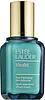
This pore-care serum is formulated around Acetyl Glucosamine and Serenoa Serrulata Fruit Extract to refine the look of pores.
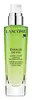
This barrier-repair moisturizer is formulated around Bifida Ferment Lysate and Lycium Barbarum Fruit Extract to strengthen the skin barrier and hydrate skin.


What's inside
What's inside
 Key Ingredients
Benefits
Concerns
Ingredients Side-by-side
Water
Skin ConditioningCyclopentasiloxane
Emollient
Dimethicone
Emollient
Polysilicone-11

Acetyl Glucosamine
Skin Conditioning


Sodium Lactate
Buffering
Morus Nigra Root Extract
Skin ConditioningFaex Extract
Skin ConditioningSerenoa Serrulata Fruit Extract
Skin Conditioning
Triticum Vulgare Germ Extract
Skin ConditioningVitis Vinifera Fruit Extract
Skin ConditioningScutellaria Baicalensis Extract
AntimicrobialCastanea Sativa Seed Extract
Skin ConditioningCamellia Sinensis Leaf Extract
Antimicrobial



Hordeum Vulgare Extract
EmollientLavandula Angustifolia Oil
Masking




Amorphophallus Konjac Root Powder
Abrasive
Caffeine
Skin Conditioning
Laminaria Saccharina Extract
Skin Protecting

Tocopheryl Acetate
Antioxidant
Salvia Sclarea Extract
AntiseborrhoeicSodium Hyaluronate
Humectant

Coriandrum Sativum Oil
Masking
Citrus Grandis
Cholesterol
Emollient
Glycerin
Humectant
Ethylhexylglycerin
Skin ConditioningSqualane
Emollient
Polyethylene
Abrasive
Isopentyldiol
Humectant
Phenyl Trimethicone
Skin Conditioning
Isohexadecane
EmollientPolysorbate 20
Emulsifying

Pantethine
EmollientMethyldihydrojasmonate
MaskingAcrylamide/Sodium Acryloyldimethyltaurate Copolymer
Emulsion StabilisingAmmonium Acryloyldimethyltaurate/Vp Copolymer
Polysorbate 80
Emulsifying
PEG-8
HumectantEthyl 2,2-Dimethylhydrocinnamal
Masking
Phospholipids
Skin Conditioning
Palmitoyl Oligopeptide
Cleansing
Butylene Glycol
Humectant
Magnesium Ascorbyl Phosphate
Antioxidant

Glyceryl Polymethacrylate
Sodium Glycinate
Skin ConditioningNordihydroguaiaretic Acid
Antioxidant
Chlorphenesin
Antimicrobial
Phenoxyethanol
Preservative
Limonene
Perfuming
Linalool
Perfuming
CI 77491
Cosmetic ColorantCI 77492
Cosmetic ColorantCI 77499
Cosmetic ColorantMica
Cosmetic ColorantCI 77891
Cosmetic ColorantWater, Cyclopentasiloxane, Dimethicone, Polysilicone-11, Acetyl Glucosamine, Sodium Lactate, Morus Nigra Root Extract, Faex Extract, Serenoa Serrulata Fruit Extract, Triticum Vulgare Germ Extract, Vitis Vinifera Fruit Extract, Scutellaria Baicalensis Extract, Castanea Sativa Seed Extract, Camellia Sinensis Leaf Extract, Hordeum Vulgare Extract, Lavandula Angustifolia Oil, Amorphophallus Konjac Root Powder, Caffeine, Laminaria Saccharina Extract, Tocopheryl Acetate, Salvia Sclarea Extract, Sodium Hyaluronate, Coriandrum Sativum Oil, Citrus Grandis, Cholesterol, Glycerin, Ethylhexylglycerin, Squalane, Polyethylene, Isopentyldiol, Phenyl Trimethicone, Isohexadecane, Polysorbate 20, Pantethine, Methyldihydrojasmonate, Acrylamide/Sodium Acryloyldimethyltaurate Copolymer, Ammonium Acryloyldimethyltaurate/Vp Copolymer, Polysorbate 80, PEG-8, Ethyl 2,2-Dimethylhydrocinnamal, Phospholipids, Palmitoyl Oligopeptide, Butylene Glycol, Magnesium Ascorbyl Phosphate, Glyceryl Polymethacrylate, Sodium Glycinate, Nordihydroguaiaretic Acid, Chlorphenesin, Phenoxyethanol, Limonene, Linalool, CI 77491, CI 77492, CI 77499, Mica, CI 77891
Water
Skin ConditioningGlycerin
Humectant
Bifida Ferment Lysate
Skin Conditioning
Alcohol Denat.
Antimicrobial

Propylene Glycol
Humectant
Dimethicone
Emollient
PEG-6 Caprylic/Capric Glycerides
EmulsifyingCI 19140
Cosmetic ColorantT-Butyl Alcohol
Perfuming
Tocopherol
Antioxidant
Lycium Barbarum Fruit Extract
Astringent
Lactic Acid
Buffering
Sodium Benzoate
Masking
Sodium Hyaluronate
Humectant
Phenoxyethanol
Preservative
Caffeine
Skin Conditioning
PPG-6-Decyltetradeceth-30
EmulsifyingMelissa Officinalis Leaf Oil
Masking
Ammonium Polyacryloyldimethyl Taurate
Emulsion StabilisingTamarindus Indica Seed Gum
Emulsion Stabilising
Limonene
Perfuming
Xanthan Gum
EmulsifyingPentylene Glycol
Skin Conditioning
Gentiana Lutea Root Extract
Skin ConditioningDioscorea Villosa Root Extract
Skin Conditioning
Caprylyl Glycol
Emollient
Disodium EDTA
ChelatingButylene Glycol
Humectant
Citric Acid
Buffering
Potassium Sorbate
Preservative
Citral
Perfuming
Hexyldecanol
Emollient
Glyceryl Isostearate
Emollient
Parfum
Masking
Water, Glycerin, Bifida Ferment Lysate, Alcohol Denat., Propylene Glycol, Dimethicone, PEG-6 Caprylic/Capric Glycerides, CI 19140, T-Butyl Alcohol, Tocopherol, Lycium Barbarum Fruit Extract, Lactic Acid, Sodium Benzoate, Sodium Hyaluronate, Phenoxyethanol, Caffeine, PPG-6-Decyltetradeceth-30, Melissa Officinalis Leaf Oil, Ammonium Polyacryloyldimethyl Taurate, Tamarindus Indica Seed Gum, Limonene, Xanthan Gum, Pentylene Glycol, Gentiana Lutea Root Extract, Dioscorea Villosa Root Extract, Caprylyl Glycol, Disodium EDTA, Butylene Glycol, Citric Acid, Potassium Sorbate, Citral, Hexyldecanol, Glyceryl Isostearate, Parfum
Reviews
Ingredients Explained
These ingredients are found in both products.
Ingredients higher up in an ingredient list are typically present in a larger amount.
Butylene Glycol (or BG) is used within cosmetic products for a few different reasons:
Overall, Butylene Glycol is a safe and well-rounded ingredient that works well with other ingredients.
Though this ingredient works well with most skin types, some people with sensitive skin may experience a reaction such as allergic rashes, closed comedones, or itchiness.
Learn more about Butylene GlycolCaffeine is a naturally occurring plant compound found in coffee beans, tea leaves, cocoa pods, and guarana.
As an antioxidant, caffeine protects your skin from free radical damage caused by UV exposure and envionrmnetal stressors.
Early research also shows that caffeine can help calm redness, soothe irritated skin, and support hair growth by stimulating microcirculation in the scalp.
You might have seen eye creams marketing caffeine as a depuffing ingredient. This is because it is a vasoconstrictor meaning it can temporarily constrict blood vessels, though clinical evidence for this specific use is still limited.
Most skincare products contain this ingredient at concentrations between 1-6%. It is able to penetrate skin easily regardless of skin type or thickness.
Just so you know, a very small number of case reports describe caffeine-induced allergy. This ingredient is generally well-tolerated, non-irritating, and non-sensitizing for the majority of people.
Learn more about CaffeineDimethicone is a type of synthetic silicone created from natural materials such as quartz. It is also known as polydimethylsiloxane.
What it does:
Dimethicone comes in different viscosities:
Depending on the viscosity, dimethicone has different properties.
Ingredients lists don't always show which type is used, so we recommend reaching out to the brand if you have questions about the viscosity.
This ingredient is unlikely to cause irritation because it does not get absorbed into skin. However, people with silicone allergies should be careful about using this ingredient.
Note: Dimethicone may contribute to pilling. This is because it is not oil or water soluble, so pilling may occur when layered with products. When mixed with heavy oils in a formula, the outcome is also quite greasy.
Learn more about DimethiconeGlycerin (or glycerol) is a compound naturally found in your skin. It's a powerhouse humectant that pulls water into the stratum corneum.
Topically, glycerin does several things at once:
Your skin makes glycerin on its own (mostly from sebaceous oil breakdown) and shuttles it to your outermost layer of skin, or your epidermis, via aquaporin-3.
Aquaporin-3 is a transporter that is essential for normal skin hydration, elasticity, and repair. Interestingly, mice lacking in AQP3 have dry and less elastic skin that can be fully corrected with glycerin.
This ingredient is non-irritating, plays well with almost every ingredient, and works across all skin types. Typical use is anywhere between 3-10% but can go up to 79% in some leave-on products.
Just know very high concentrations (>40%) can feel tacky in low humidity.
Glycerin is the name for this ingredient in American English. British English uses Glycerol/Glycerine.
Learn more about GlycerinLimonene is the compound that gives citrus peel its smell.
In skincare, it shows up as a standalone fragrance ingredient or as a natural compound of citrus and other essential oils.
You'll typically see this ingredient used in very small amounts; anything above 0.001% in a leave-on product or 0.01% in a rinse-off has to be named on the label in the EU. The citrus oils that carry it sit around 0.5-1% in a finished formula.
Fresh limonene is a weak allergen; the real issue is that it slowly reacts with air and then breaks down from oxidation to create hydroperoxides (which are strong sensitizers). This is why suppliers are required to keep the peroxide value below 20 mmol.
Positive reactions in people being investigated for eczema vary:
It's worth skipping if you have a known fragrance allergy or a compromised barrier, but the risk is low for most people.
Older or long-opened products are also more likely to bother you than fresh ones due to oxidation.
Learn more about LimonenePhenoxyethanol is one of the most widely used preservatives in skincare (and for good reason!).
It has a large spectrum of antimicrobial activity and especially effective bacteria, yeast, and mold while only having a weak effect on your skin's natural microbiome.
On a cellular level, it disrupts the cell membranes of microbes by poking holes that make the cell leak. This shuts down the chemical reactions the microbe needs to make energy so it can no longer survive.
Another perk of this ingredient is that it stays functional across a wide pH range (3-10).
You'll often see it paired with boosters like Ethylhexylglycerin; one study showed that a 1:9 ratio of Ethylhexylglycerin to Phenoxyethanol damages bacterial membranes as effectively as doubling the Phenoxyethanol concentration on its own.
Typical use concentrations range from 0.3-1% depending on the formula, and this ingredient is capped at 1% int the EU.
Safety-wise, the fear mongering does not hold up to the evidence. The EU's Scientific Committee on Consumer Safety and FDA consider it safe as a preservative at up to 1%, including for children of all ages.
Adverse systemic effects only showed up in animal studies at exposures roughly 200x higher than what people get from cosmetics. And despite its very widespread use, this ingredient is a rare sensitizer and allergic reactions are uncommon.
Learn more about PhenoxyethanolSodium Hyaluronate is the salt form of hyaluronic acid. It is a long sugar chain that is naturally found in your skin, joints, and connective tissue that maintains hydration and elasticity.
In skincare, it works as a humectant. It pulls water from the environment and deeper layers of skin and binds it to the surface.
Interestingly, the size of the molecule affects its behavior:
Some clinical evidence links low molecular weight versions to improved wrinkle depth, elasticity, anti-inflammatory effects, and barrier repair.
Many serums use a blend of both weights so you can get surface hydration plus longer-lasting and deeper effects.
You'll typically see concentrations between 0.1-2% for this ingredient.
Learn more about Sodium HyaluronateWater. It's the most common cosmetic ingredient of all. You'll usually see it at the top of ingredient lists, meaning that it makes up the largest part of the product.
So why is it so popular? Water most often acts as a solvent - this means that it helps dissolve other ingredients into the formulation.
You'll also recognize water as that liquid we all need to stay alive. If you see this, drink a glass of water. Remember to stay hydrated!
Learn more about Water

