

What's inside
What's inside
 Key Ingredients
Benefits
Concerns
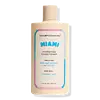
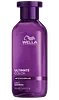
Ingredients Side-by-side
Water
Skin ConditioningCetearyl Alcohol
Emollient






Behentrimonium Chloride
Preservative
Isododecane
EmollientCoconut Alkanes
Emollient
Parfum
Masking


Stearamidopropyl Dimethylamine
EmulsifyingDiheptyl Succinate
EmollientButyrospermum Parkii Butter
Skin Conditioning

Sodium Hyaluronate
Humectant


Argania Spinosa Kernel Oil
Emollient



Olea Europaea Fruit Oil
Masking
Helianthus Annuus Seed Oil
Emollient
Citrullus Lanatus Seed Oil
Emollient
Helianthus Annuus Seed Extract
Skin Conditioning
Glycyrrhiza Uralensis Root Extract
Skin Conditioning
Angelica Gigas Root Extract
Skin ConditioningLithospermum Erythrorhizon Root Extract
Skin ConditioningSqualane
Emollient
Wheat Amino Acids
Skin ConditioningCandida Bombicola/Glucose/Methyl Rapeseedate Ferment
AntimicrobialPanthenol
Skin Conditioning
Glycerin
Humectant
Hydroxyproline
Skin ConditioningSodium PCA
Humectant
C9-12 Alkane
SolventPropylene Glycol Dicaprylate/Dicaprate
EmollientCoco-Caprylate/Caprate
Emollient
Capryloyl Glycerin/Sebacic Acid Copolymer
Skin ConditioningPolysorbate 20
Emulsifying
Hydroxyethylcellulose
Emulsion StabilisingPolyquaternium-37
Amodimethicone

Citric Acid
Buffering

Sodium Acetate
BufferingSodium Phytate
ChelatingGlyceryl Stearate
Emollient
PEG-100 Stearate
Surfactant
Cetrimonium Chloride
Antimicrobial
Didecyldimonium Chloride
EmulsifyingMethylpropanediol
SolventTrideceth-15
EmulsifyingTrideceth-3
EmulsifyingPPG-1 Trideceth-6
Skin ConditioningC11-13 Isoparaffin
Solvent
Caprylyl Glycol
Emollient
Isopropyl Alcohol
Solvent

Acetic Acid
BufferingAlpha-Isomethyl Ionone
Perfuming
Benzyl Salicylate
Perfuming
Hydroxycitronellal
Perfuming
Limonene
Perfuming
Water, Cetearyl Alcohol, Behentrimonium Chloride, Isododecane, Coconut Alkanes, Parfum, Stearamidopropyl Dimethylamine, Diheptyl Succinate, Butyrospermum Parkii Butter, Sodium Hyaluronate, Argania Spinosa Kernel Oil, Olea Europaea Fruit Oil, Helianthus Annuus Seed Oil, Citrullus Lanatus Seed Oil, Helianthus Annuus Seed Extract, Glycyrrhiza Uralensis Root Extract, Angelica Gigas Root Extract, Lithospermum Erythrorhizon Root Extract, Squalane, Wheat Amino Acids, Candida Bombicola/Glucose/Methyl Rapeseedate Ferment, Panthenol, Glycerin, Hydroxyproline, Sodium PCA, C9-12 Alkane, Propylene Glycol Dicaprylate/Dicaprate, Coco-Caprylate/Caprate, Capryloyl Glycerin/Sebacic Acid Copolymer, Polysorbate 20, Hydroxyethylcellulose, Polyquaternium-37, Amodimethicone, Citric Acid, Sodium Acetate, Sodium Phytate, Glyceryl Stearate, PEG-100 Stearate, Cetrimonium Chloride, Didecyldimonium Chloride, Methylpropanediol, Trideceth-15, Trideceth-3, PPG-1 Trideceth-6, C11-13 Isoparaffin, Caprylyl Glycol, Isopropyl Alcohol, Acetic Acid, Alpha-Isomethyl Ionone, Benzyl Salicylate, Hydroxycitronellal, Limonene
Water
Skin ConditioningSodium Cocoyl Methyl Isethionate
Surfactant
Cocamidopropyl Betaine
Cleansing
Sodium Methyl Oleoyl Taurate
CleansingSodium Lauroyl Sarcosinate
CleansingParfum
Masking
Panthenol
Skin Conditioning
Sodium Benzoate
Masking
Sodium Chloride
MaskingPolyquaternium-10
Citric Acid
Buffering
Allantoin
Skin Conditioning
Glycine
Buffering
Sodium Citrate
BufferingSodium Cocoate
Cleansing
Trisodium Ethylenediamine Disuccinate
ChelatingEDTA
ChelatingGlyceryl Oleate
Emollient
Aloe Barbadensis Leaf Juice
Skin Conditioning
Tetramethyl Acetyloctahydronaphthalenes
Masking
Malic Acid
Buffering
Linalool
Perfuming
Limonene
Perfuming
Hydroxycitronellal
Perfuming
Vanillin
Masking
Linalyl Acetate
Masking
Histidine
Humectant
Coumarin
Perfuming
Citrus Aurantium Peel Oil
Oleic Acid
Emollient
Squalane
Emollient
Ascorbic Acid
Antioxidant


Potassium Sorbate
Preservative
Sodium Sulfite
Preservative
Lecithin
Emollient
Ascorbyl Palmitate
Antioxidant
Tocopherol
Antioxidant
Hydrogenated Palm Glycerides Citrate
Emollient
Sodium Xylenesulfonate
Water, Sodium Cocoyl Methyl Isethionate, Cocamidopropyl Betaine, Sodium Methyl Oleoyl Taurate, Sodium Lauroyl Sarcosinate, Parfum, Panthenol, Sodium Benzoate, Sodium Chloride, Polyquaternium-10, Citric Acid, Allantoin, Glycine, Sodium Citrate, Sodium Cocoate, Trisodium Ethylenediamine Disuccinate, EDTA, Glyceryl Oleate, Aloe Barbadensis Leaf Juice, Tetramethyl Acetyloctahydronaphthalenes, Malic Acid, Linalool, Limonene, Hydroxycitronellal, Vanillin, Linalyl Acetate, Histidine, Coumarin, Citrus Aurantium Peel Oil, Oleic Acid, Squalane, Ascorbic Acid, Potassium Sorbate, Sodium Sulfite, Lecithin, Ascorbyl Palmitate, Tocopherol, Hydrogenated Palm Glycerides Citrate, Sodium Xylenesulfonate
Ingredients Explained
These ingredients are found in both products.
Ingredients higher up in an ingredient list are typically present in a larger amount.
Citric Acid is an alpha hydroxy acid (AHA) naturally found in citrus fruits like oranges, lemons, and limes.
Like other AHAs, citric acid can exfoliate skin by breaking down the bonds that hold dead skin cells together. This helps reveal smoother and brighter skin underneath.
However, this exfoliating effect only happens at high concentrations (20%) which can be hard to find in cosmetic products.
Due to this, citric acid is usually included in small amounts as a pH adjuster. This helps keep products slightly more acidic and compatible with skin's natural pH.
In skincare formulas, citric acid can:
While it can provide some skin benefits, research shows lactic acid and glycolic acid are generally more effective and less irritating exfoliants.
Most citric acid used in skincare today is made by fermenting sugars (usually from molasses). This synthetic version is identical to the natural citrus form but easier to stabilize and use in formulations.
Rosacea skin has a lower threshold for acids generally, with 62.5% of rosacea subjects in one study reacting to lactic acid in a sting test. This is why we mark citric acid as a potential rosacea trigger.
However, this ingredient shows up as a pH adjuster or chelator at roughly 0.1-1% in many products. These low levels are unlikely to be an issue for rosacea skin and becomes a potential trigger at exfoliating concentrations (20%). Because everybody's skin is unique, we recommend a patch test if you are unsure.
Learn more about Citric AcidHydroxycitronellal is a fragrance created from citronellal. The smell of hydroxycitronellal is often described as "citrus-like" or "melon-like".
Hydroxycitronellal is a known EU allergen and may cause irritation when applied to the skin.
Limonene is the compound that gives citrus peel its smell.
In skincare, it shows up as a standalone fragrance ingredient or as a natural compound of citrus and other essential oils.
You'll typically see this ingredient used in very small amounts; anything above 0.001% in a leave-on product or 0.01% in a rinse-off has to be named on the label in the EU. The citrus oils that carry it sit around 0.5-1% in a finished formula.
Fresh limonene is a weak allergen; the real issue is that it slowly reacts with air and then breaks down from oxidation to create hydroperoxides (which are strong sensitizers). This is why suppliers are required to keep the peroxide value below 20 mmol.
Positive reactions in people being investigated for eczema vary:
It's worth skipping if you have a known fragrance allergy or a compromised barrier, but the risk is low for most people.
Older or long-opened products are also more likely to bother you than fresh ones due to oxidation.
Learn more about LimonenePanthenol is a common ingredient that helps hydrate and soothe the skin. It is found naturally in our skin and hair.
There are two forms of panthenol: D and L.
D-panthenol is also known as dexpanthenol. Most cosmetics use dexpanthenol or a mixture of D and L-panthenol.
Panthenol is famous due to its ability to go deeper into the skin's layers. Using this ingredient has numerous pros (and no cons):
Like hyaluronic acid, panthenol is a humectant. Humectants are able to bind and hold large amounts of water to keep skin hydrated.
This ingredient works well for wound healing. It works by increasing tissue in the wound and helps close open wounds.
Once oxidized, panthenol converts to pantothenic acid. Panthothenic acid is found in all living cells.
This ingredient is also referred to as pro-vitamin B5.
Learn more about PanthenolParfum is a catch-all term for an ingredient or more that is used to give a scent to products.
Also called "fragrance", this ingredient can be a blend of hundreds of chemicals or plant oils. This means every product with "fragrance" or "parfum" in the ingredients list is a different mixture.
For instance, Habanolide is a proprietary trade name for a specific aroma chemical. When used as a fragrance ingredient in cosmetics, most aroma chemicals fall under the broad labeling category of “FRAGRANCE” or “PARFUM” according to EU and US regulations.
The term 'parfum' or 'fragrance' is not regulated in many countries. In many cases, it is up to the brand to define this term.
For instance, many brands choose to label themselves as "fragrance-free" because they are not using synthetic fragrances. However, their products may still contain ingredients such as essential oils that are considered a fragrance by INCI standards.
One example is Calendula flower extract. Calendula is an essential oil that still imparts a scent or 'fragrance'.
Depending on the blend, the ingredients in the mixture can cause allergies and sensitivities on the skin. Some ingredients that are known EU allergens include linalool and citronellol.
Parfum can also be used to mask or cover an unpleasant scent.
The bottom line is: not all fragrances/parfum/ingredients are created equally. If you are worried about fragrances, we recommend taking a closer look at an ingredient. And of course, we always recommend speaking with a professional.
Learn more about ParfumSqualane is the hydrogenated and shelf-stable form of squalene (a lipid that naturally occurs in human sebum).
It is an emollient and skin conditioning agent that is able to integrate seamlessly into the skin's lipid barrier without clogging pores.
This is due to how structurally similar it is to what your skin already produces.
Though it is mostly an emollient that helps soften and hydrate skin, it also has some humectant and occlusive action. Humectants help the skin retain moisture while occlusives seal it in, making squalane a triple-threat moisturizer.
Research shows it has antioxidant capabilities that help protect against stressors like UV exposure, specifically UVA induced oxidative stress. This study also found that it supports collagen biosynthesis in human dermal fibroblasts.
No clinical study has reported significant adverse effects and irritation reactions are very rare from this ingredient (even at 100% concentration).
Overall, it's a fantastic ingredient for hydration and is suitable for all skin types.
This depends on the source. Squalane can be derived from both plants and animals. Most squalane used in skincare comes from plants.
Please note: the source of squalane is only known if disclosed by the brand. We recommend reaching out to the brand if you have any questions about their squalane.
Read more about squalene with an "e".
Though squalane is often called an oil, it’s technically not one. It is a hydrocarbon, meaning it is only made of carbon and hydrogen. True oils are triglycerides and made of fatty acids and glycerol.
The term “oil-free” isn’t regulated so companies can define it however they want. Some exclude all oils, while others just avoid mineral oil or comedogenic oils.
Squalane has a comedogenic rating of 1 from the original 1972 study that tested raw ingredients under occlusion on rabbit ears. This system is not standardized or peer-reviewed, and using the raw ingredients is very different from how diluted cosmetic formulations are used on human skin.
A comedogenic rating of 1 means it is "unlikely to clog pores" according to the original rating system.
The overall formula of a product matters more than the individual ingredients on whether or not it will cause clogged pores.
Learn more about SqualaneWater. It's the most common cosmetic ingredient of all. You'll usually see it at the top of ingredient lists, meaning that it makes up the largest part of the product.
So why is it so popular? Water most often acts as a solvent - this means that it helps dissolve other ingredients into the formulation.
You'll also recognize water as that liquid we all need to stay alive. If you see this, drink a glass of water. Remember to stay hydrated!
Learn more about Water

