
What's inside
What's inside
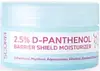 Key Ingredients
Benefits
Concerns
Ingredients Side-by-side
Water
Skin ConditioningCyclopentasiloxane
Emollient
Panthenol
Skin Conditioning




Butylene Glycol
Humectant
Sodium PCA
Humectant
Caprylic/Capric Triglyceride
Masking
Glycerin
Humectant
Carbomer
Emulsion StabilisingPolysorbate 20
Emulsifying
Allantoin
Skin Conditioning
Urea
Buffering

Triethanolamine
BufferingHydroxyethyl Acrylate/Sodium Acryloyldimethyl Taurate Copolymer
Emulsion StabilisingDMDM Hydantoin
Preservative


Isohexadecane
EmollientPolyacrylate-13
Styrene
Perfuming
BHT
Antioxidant
Disodium EDTA
PPG-26-Buteth-26
Skin ConditioningPolyisobutene
Phenoxyethanol
Preservative
Bisabolol
Antioxidant
Tocopheryl Acetate
Antioxidant

Ziziphus Jujuba Fruit Extract
Skin ConditioningPEG-40 Hydrogenated Castor Oil
Emulsifying
Paeonia Lactiflora Root Extract
Skin ConditioningScutellaria Baicalensis Root Extract
Astringent
Ethylhexyl Methoxycinnamate
UV Absorber

Polysorbate 60
Emulsifying
Sorbitan Isostearate
Emulsifying
Glycyrrhiza Glabra Root Extract
Bleaching
Sodium Benzoate
Masking
Butyl Methoxydibenzoylmethane
UV Absorber
Ethylhexyl Salicylate
UV Absorber
Opuntia Ficus-Indica Stem Extract
Skin Conditioning
Citric Acid
Buffering

Water, Cyclopentasiloxane, Panthenol, Butylene Glycol, Sodium PCA, Caprylic/Capric Triglyceride, Glycerin, Carbomer, Polysorbate 20, Allantoin, Urea, Triethanolamine, Hydroxyethyl Acrylate/Sodium Acryloyldimethyl Taurate Copolymer, DMDM Hydantoin, Isohexadecane, Polyacrylate-13, Styrene, BHT, Disodium EDTA, PPG-26-Buteth-26, Polyisobutene, Phenoxyethanol, Bisabolol, Tocopheryl Acetate, Ziziphus Jujuba Fruit Extract, PEG-40 Hydrogenated Castor Oil, Paeonia Lactiflora Root Extract, Scutellaria Baicalensis Root Extract, Ethylhexyl Methoxycinnamate, Polysorbate 60, Sorbitan Isostearate, Glycyrrhiza Glabra Root Extract, Sodium Benzoate, Butyl Methoxydibenzoylmethane, Ethylhexyl Salicylate, Opuntia Ficus-Indica Stem Extract, Citric Acid
Water
Skin ConditioningGlycerin
Humectant
Dimethicone
Emollient
Propylene Glycol
Humectant
Butylene Glycol
Humectant
Cetearyl Alcohol
Emollient


Cetyl Alcohol
Emollient
Lactobacillus/Collagen/Mesembryanthemum Crystallinum Leaf Extract Ferment Lysate
Skin Conditioning
Hydrolyzed Collagen
Emollient
Oryza Sativa Germ Extract
EmollientAloe Barbadensis Leaf Extract
Emollient
Squalane
Emollient
Allantoin
Skin Conditioning
Tocopheryl Acetate
Antioxidant
BHT
Antioxidant
Polyglutamic Acid
Skin Conditioning
Glycine Soja Seed Extract
Skin Conditioning
Terminalia Ferdinandiana Fruit Extract
Antioxidant
Sodium Hyaluronate
Humectant
Hydrolyzed Hyaluronic Acid
Humectant
Hydroxypropyltrimonium Hyaluronate
Sodium Acetylated Hyaluronate
Humectant
1,2-Hexanediol
Skin Conditioning
Ethylhexylglycerin
Skin ConditioningCeramide NP
Skin Conditioning
Phenoxyethanol
Preservative
Tromethamine
BufferingPEG-7 Glyceryl Cocoate
Emulsifying
Acrylates/C10-30 Alkyl Acrylate Crosspolymer
Emulsion StabilisingDisodium EDTA
Sodium Lauroyl Lactylate
EmulsifyingCholesterol
Emollient
Ceramide AP
Skin Conditioning
Phytosphingosine
Skin Conditioning
Ceramide EOP
Skin Conditioning
Xanthan Gum
EmulsifyingCarbomer
Emulsion StabilisingPotassium Sorbate
Preservative
Sodium Benzoate
Masking
Citric Acid
Buffering
Cyclohexane
SolventAcrylic Acid
Water, Glycerin, Dimethicone, Propylene Glycol, Butylene Glycol, Cetearyl Alcohol, Cetyl Alcohol, Lactobacillus/Collagen/Mesembryanthemum Crystallinum Leaf Extract Ferment Lysate, Hydrolyzed Collagen, Oryza Sativa Germ Extract, Aloe Barbadensis Leaf Extract, Squalane, Allantoin, Tocopheryl Acetate, BHT, Polyglutamic Acid, Glycine Soja Seed Extract, Terminalia Ferdinandiana Fruit Extract, Sodium Hyaluronate, Hydrolyzed Hyaluronic Acid, Hydroxypropyltrimonium Hyaluronate, Sodium Acetylated Hyaluronate, 1,2-Hexanediol, Ethylhexylglycerin, Ceramide NP, Phenoxyethanol, Tromethamine, PEG-7 Glyceryl Cocoate, Acrylates/C10-30 Alkyl Acrylate Crosspolymer, Disodium EDTA, Sodium Lauroyl Lactylate, Cholesterol, Ceramide AP, Phytosphingosine, Ceramide EOP, Xanthan Gum, Carbomer, Potassium Sorbate, Sodium Benzoate, Citric Acid, Cyclohexane, Acrylic Acid
Reviews
Ingredients Explained
These ingredients are found in both products.
Ingredients higher up in an ingredient list are typically present in a larger amount.
Allantoin is a soothing ingredient known for its protective and moisturizing properties; it's basically a quiet workhorse ingredient you can find in a huge range of cosmetics.
Though it can be derived from the comfrey plant, allantoin is produced synthetically for cosmetic products to ensure purity.
Research shows it can encourage your skin cells to turn over and renew by stimulating keratinocyte and fibroblast proliferation.
It also has mild keratolytic properties to help loosen and shed dead skin cells without being harsh.
Studies also suggest allantoin can help calm inflammation by dialing down some of the chemical signals your skin sends out when it is irritated.
This ingredient is typically used in the 0.1-0.5% range, and the FDA recognizes it as a skin protectant in OTC products up to 2%.
Overall, allantoin is a wonderful addition to most routines; it is stable across a wide pH range (~4-8), works well with other ingredients, and is considered non-sensitizing/non-irritating.
Fun fact: Allantoin is naturally occurring in comfrey root, beets, chamomile, and wheat sprouts. Our bodies even produce it as a byproduct of uric acid metabolism.
Learn more about AllantoinBHT is a synthetic antioxidant and preservative.
As an antioxidant, it helps your body fight off free-radicals. Free-radicals are molecules that may damage your skin cells.
As a preservative, it is used to stabilize products and prevent them from degrading. Specifically, BHT prevents degradation from oxidation.
The concerns related to BHT come from oral studies; this ingredient is currently allowed for use by both the FDA and EU.
However, it was recently restricted for use in the UK as of April 2024.
Learn more about BHTButylene Glycol (or BG) is used within cosmetic products for a few different reasons:
Overall, Butylene Glycol is a safe and well-rounded ingredient that works well with other ingredients.
Though this ingredient works well with most skin types, some people with sensitive skin may experience a reaction such as allergic rashes, closed comedones, or itchiness.
Learn more about Butylene GlycolCarbomer is a high-molecular weight polymer of acrylic acid. It is used to form gels and thicken formulas.
Due to its large molecular size, carbomer has minimal skin penetration and is considered an inert ingredient.
A high amount of carbomer can cause pilling or balling up of products. Don't worry, most products contain 1% or less of carbomer.
Learn more about CarbomerCitric Acid is an alpha hydroxy acid (AHA) naturally found in citrus fruits like oranges, lemons, and limes.
Like other AHAs, citric acid can exfoliate skin by breaking down the bonds that hold dead skin cells together. This helps reveal smoother and brighter skin underneath.
However, this exfoliating effect only happens at high concentrations (20%) which can be hard to find in cosmetic products.
Due to this, citric acid is usually included in small amounts as a pH adjuster. This helps keep products slightly more acidic and compatible with skin's natural pH.
In skincare formulas, citric acid can:
While it can provide some skin benefits, research shows lactic acid and glycolic acid are generally more effective and less irritating exfoliants.
Most citric acid used in skincare today is made by fermenting sugars (usually from molasses). This synthetic version is identical to the natural citrus form but easier to stabilize and use in formulations.
Read more about some other popular AHA's here:
Learn more about Citric AcidDisodium EDTA is a chelating agent. It grabs onto and deactivates metal ions that sneak into your products from water, packaging, or air.
This ingredient mainly works behind the scenes and helps with:
On top of that, this ingredient can counteract the effects of hard water by binding to the minerals in it.
One thing worth knowing is that Disodium EDTA has been shown to be a mild penetration enhancer. It can help other ingredients absorb into skin more effectively which can be a double-edged sword (great for actives, but can also make the active too strong if you have sensitive skin).
Clinical patch testing showed no significant skin irritation at typical use concentrations and minimal dermal absorption.
You'll most likely see this ingredient near the end of an ingredient list. It's typically found in concentrations less than 1%.
Learn more about Disodium EDTAGlycerin (or glycerol) is a compound naturally found in your skin. It's a powerhouse humectant that pulls water into the stratum corneum.
Topically, glycerin does several things at once:
Your skin makes glycerin on its own (mostly from sebaceous oil breakdown) and shuttles it to your outermost layer of skin, or your epidermis, via aquaporin-3.
Aquaporin-3 is a transporter that is essential for normal skin hydration, elasticity, and repair. Interestingly, mice lacking in AQP3 have dry and less elastic skin that can be fully corrected with glycerin.
This ingredient is non-irritating, plays well with almost every ingredient, and works across all skin types. Typical use is anywhere between 3-10% but can go up to 79% in some leave-on products.
Just know very high concentrations (>40%) can feel tacky in low humidity.
Glycerin is the name for this ingredient in American English. British English uses Glycerol/Glycerine.
Learn more about GlycerinPhenoxyethanol is a preservative that has germicide, antimicrobial, and aromatic properties. Studies show that phenoxyethanol can prevent microbial growth. By itself, it has a scent that is similar to that of a rose.
It's often used in formulations along with Caprylyl Glycol to preserve the shelf life of products.
Sodium Benzoate is a preservative. It's used in both cosmetic and food products to inhibit the growth of mold and bacteria. It is typically produced synthetically.
Both the US FDA and EU Health Committee have approved the use of sodium benzoate. In the US, levels of 0.1% (of the total product) are allowed.
Sodium benzoate works as a preservative by inhibiting the growth of bacteria inside of cells. It prevents the cell from fermenting a type of sugar using an enzyme called phosphofructokinase.
It is the salt of benzoic acid. Foods containing sodium benzoate include soda, salad dressings, condiments, fruit juices, wines, and snack foods.
Studies for using ascorbic acid and sodium benzoate in cosmetics are lacking, especially in skincare routines with multiple steps.
We always recommend speaking with a professional, such as a dermatologist, if you have any concerns.
Learn more about Sodium BenzoateTocopheryl Acetate is AKA Vitamin E. It is an antioxidant and protects your skin from free radicals. Free radicals damage the skin by breaking down collagen.
One study found using Tocopheryl Acetate with Vitamin C decreased the number of sunburned cells.
Tocopheryl Acetate is commonly found in both skincare and dietary supplements.
Learn more about Tocopheryl AcetateWater. It's the most common cosmetic ingredient of all. You'll usually see it at the top of ingredient lists, meaning that it makes up the largest part of the product.
So why is it so popular? Water most often acts as a solvent - this means that it helps dissolve other ingredients into the formulation.
You'll also recognize water as that liquid we all need to stay alive. If you see this, drink a glass of water. Remember to stay hydrated!
Learn more about Water
