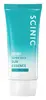
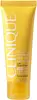
SCINIC Enjoy Super Mild Sun Essence SPF50+ PA++++ Versus Clinique Broad Spectrum SPF 50 Sunscreen Face Cream
This chemical sunscreen covers the full UV range and blocks ~98% of UVB at SPF 50.
This chemical sunscreen covers most of the UV range, lighter on the deep UVA that drives aging.


What's inside
What's inside
 Key Ingredients
Benefits
Concerns
Ingredients Side-by-side
Water
Skin ConditioningDibutyl Adipate
EmollientPropanediol
Solvent

Diethylamino Hydroxybenzoyl Hexyl Benzoate
UV Filter
Bis-Ethylhexyloxyphenol Methoxyphenyl Triazine
UV Absorber
Polymethylsilsesquioxane

Polysilicone-15
UV Filter
Methylene Bis-Benzotriazolyl Tetramethylbutylphenol
UV Filter
Ethylhexyl Triazone
UV Absorber
Niacinamide
Smoothing










Diethylhexyl Butamido Triazone
UV Absorber
Glycerin
Humectant
Butylene Glycol
Humectant
1,2-Hexanediol
Skin Conditioning
Sodium Hyaluronate
Humectant
Camellia Sinensis Leaf Extract
Antimicrobial
Vanilla Tahitensis Fruit Extract
Skin ConditioningBambusa Vulgaris Water
Skin ConditioningCentella Asiatica Extract
Cleansing
Caprylyl Methicone
Skin Conditioning
Coco-Caprylate/Caprate
Emollient
Silica
Abrasive
Poly C10-30 Alkyl Acrylate
Emulsion StabilisingPolyglyceryl-3 Methylglucose Distearate
Emulsifying

Sodium Acrylates Crosspolymer-2
AbsorbentDecyl Glucoside
Cleansing
Acrylates/C10-30 Alkyl Acrylate Crosspolymer
Emulsion StabilisingTromethamine
BufferingPolyacrylate Crosspolymer-6
Emulsion StabilisingAdenosine
Skin Conditioning
Panthenol
Skin Conditioning
Dipropylene Glycol
HumectantPentylene Glycol
Skin Conditioning
Behenyl Alcohol
Emollient
Xanthan Gum
EmulsifyingWater, Dibutyl Adipate, Propanediol, Diethylamino Hydroxybenzoyl Hexyl Benzoate, Bis-Ethylhexyloxyphenol Methoxyphenyl Triazine, Polymethylsilsesquioxane, Polysilicone-15, Methylene Bis-Benzotriazolyl Tetramethylbutylphenol, Ethylhexyl Triazone, Niacinamide, Diethylhexyl Butamido Triazone, Glycerin, Butylene Glycol, 1,2-Hexanediol, Sodium Hyaluronate, Camellia Sinensis Leaf Extract, Vanilla Tahitensis Fruit Extract, Bambusa Vulgaris Water, Centella Asiatica Extract, Caprylyl Methicone, Coco-Caprylate/Caprate, Silica, Poly C10-30 Alkyl Acrylate, Polyglyceryl-3 Methylglucose Distearate, Sodium Acrylates Crosspolymer-2, Decyl Glucoside, Acrylates/C10-30 Alkyl Acrylate Crosspolymer, Tromethamine, Polyacrylate Crosspolymer-6, Adenosine, Panthenol, Dipropylene Glycol, Pentylene Glycol, Behenyl Alcohol, Xanthan Gum
Benzophenone-3 5%
UV Absorber

Ethylhexyl Salicylate 5%
UV Absorber
Homosalate 5%
Skin Conditioning
Butyl Methoxydibenzoylmethane 3%
UV Absorber
Octocrylene 2.7%
UV Absorber
Water
Skin ConditioningMethyl Trimethicone
Skin Conditioning
Butylene Glycol
Humectant
Butyloctyl Salicylate
Skin Conditioning
Neopentyl Glycol Diheptanoate
EmollientButyrospermum Parkii Butter
Skin Conditioning

PEG-100 Stearate
Surfactant
Silica
Abrasive
Dipentaerythrityl Tri-Polyhydroxystearate
Emollient
Lauryl PEG-9 Polydimethylsiloxyethyl Dimethicone
Skin Conditioning
Dimethicone
Emollient
Glyceryl Stearate
Emollient
Laurdimonium Hydroxypropyl Hydrolyzed Soy Protein
Rosmarinus Officinalis Extract
AntimicrobialPerilla Ocymoides Leaf Extract
TonicPlankton Extract
Skin ConditioningCaffeine
Skin Conditioning
Potassium Cetyl Phosphate
EmulsifyingSucrose
Humectant
Styrene/Acrylates Copolymer
C30-38 Olefin/Isopropyl Maleate/Ma Copolymer
EmulsifyingCetyl Alcohol
Emollient
Vp/Eicosene Copolymer
Ethylhexylglycerin
Skin ConditioningAmmonium Acryloyldimethyltaurate/Vp Copolymer
PEG-8 Laurate
Emulsifying
Sodium Rna
Skin ConditioningLecithin
Emollient
Propyl Gallate
Antioxidant

Arginine Ferulate
Skin ConditioningTocopheryl Acetate
Antioxidant
Caprylyl Glycol
Emollient
Ascorbyl Tocopheryl Maleate
Antioxidant
Stearic Acid
Cleansing
Xanthan Gum
EmulsifyingHexylene Glycol
EmulsifyingNordihydroguaiaretic Acid
Antioxidant
Disodium EDTA
ChelatingPhenoxyethanol
Preservative
Mica
Cosmetic ColorantSodium Dehydroacetate
Preservative
Benzophenone-3 5%, Ethylhexyl Salicylate 5%, Homosalate 5%, Butyl Methoxydibenzoylmethane 3%, Octocrylene 2.7%, Water, Methyl Trimethicone, Butylene Glycol, Butyloctyl Salicylate, Neopentyl Glycol Diheptanoate, Butyrospermum Parkii Butter, PEG-100 Stearate, Silica, Dipentaerythrityl Tri-Polyhydroxystearate, Lauryl PEG-9 Polydimethylsiloxyethyl Dimethicone, Dimethicone, Glyceryl Stearate, Laurdimonium Hydroxypropyl Hydrolyzed Soy Protein, Rosmarinus Officinalis Extract, Perilla Ocymoides Leaf Extract, Plankton Extract, Caffeine, Potassium Cetyl Phosphate, Sucrose, Styrene/Acrylates Copolymer, C30-38 Olefin/Isopropyl Maleate/Ma Copolymer, Cetyl Alcohol, Vp/Eicosene Copolymer, Ethylhexylglycerin, Ammonium Acryloyldimethyltaurate/Vp Copolymer, PEG-8 Laurate, Sodium Rna, Lecithin, Propyl Gallate, Arginine Ferulate, Tocopheryl Acetate, Caprylyl Glycol, Ascorbyl Tocopheryl Maleate, Stearic Acid, Xanthan Gum, Hexylene Glycol, Nordihydroguaiaretic Acid, Disodium EDTA, Phenoxyethanol, Mica, Sodium Dehydroacetate
Reviews
Ingredients Explained
These ingredients are found in both products.
Ingredients higher up in an ingredient list are typically present in a larger amount.
Butylene Glycol (or BG) is used within cosmetic products for a few different reasons:
Overall, Butylene Glycol is a safe and well-rounded ingredient that works well with other ingredients.
Though this ingredient works well with most skin types, some people with sensitive skin may experience a reaction such as allergic rashes, closed comedones, or itchiness.
Learn more about Butylene GlycolSilica, also known as silicon dioxide, is a naturally occurring mineral. It is used as a fine, spherical, and porous powder in cosmetics.
Though it has exfoliant properties, the function of silica varies depending on the product.
The unique structure of silica enhances the spreadability and adds smoothness, making it a great texture enhancer.
It is also used as an active carrier, emulsifier, and mattifier due to its ability to absorb excess oil.
In some products, tiny microneedles called spicules are made from silica or hydrolyzed sponge. When you rub them in, they lightly polish away dead skin layers and enhance the penetration of active ingredients.
Learn more about SilicaWater. It's the most common cosmetic ingredient of all. You'll usually see it at the top of ingredient lists, meaning that it makes up the largest part of the product.
So why is it so popular? Water most often acts as a solvent - this means that it helps dissolve other ingredients into the formulation.
You'll also recognize water as that liquid we all need to stay alive. If you see this, drink a glass of water. Remember to stay hydrated!
Learn more about WaterXanthan gum is used as a stabilizer and thickener within cosmetic products. It helps give products a sticky, thick feeling - preventing them from being too runny.
On the technical side of things, xanthan gum is a polysaccharide - a combination consisting of multiple sugar molecules bonded together.
Xanthan gum is a pretty common and great ingredient. It is a natural, non-toxic, non-irritating ingredient that is also commonly used in food products.
Learn more about Xanthan Gum

