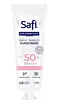
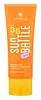
Safi Sun Essentials Daily Shield Sunscreen SPF 50+ Versus Emina Sun Battle Bright Glow Sunscreen Serum SPF 35 PA+++
This chemical sunscreen covers the full UV range and blocks ~98% of UVB at SPF 50.
This chemical sunscreen covers most of the UV range, lighter on the deep UVA that drives aging, though its SPF isn't confirmed on file yet.


What's inside
What's inside
 Key Ingredients
Benefits
Concerns
Ingredients Side-by-side
Water
Skin ConditioningDibutyl Adipate
EmollientPropanediol
Solvent

Ethylhexyl Salicylate
UV Absorber

Diethylamino Hydroxybenzoyl Hexyl Benzoate
UV Filter
Ethylhexyl Methoxycinnamate
UV Absorber
Methylene Bis-Benzotriazolyl Tetramethylbutylphenol
UV Filter
Ethylhexyl Triazone
UV Absorber
Silica
Abrasive


Phenylbenzimidazole Sulfonic Acid
UV Absorber
Butylene Glycol
Humectant
Bis-Ethylhexyloxyphenol Methoxyphenyl Triazine
UV Absorber
Caprylyl Methicone
Skin Conditioning
Arachidyl Alcohol
Emollient
Cetyl Alcohol
Emollient


Behenyl Alcohol
Emollient
Aminomethyl Propanol
BufferingPotassium Cetyl Phosphate
EmulsifyingSodium Acrylate/Sodium Acryloyldimethyl Taurate Copolymer
Emulsion StabilisingDecyl Glucoside
Cleansing
Polyacrylate Crosspolymer-6
Emulsion StabilisingArachidyl Glucoside
EmulsifyingIsohexadecane
EmollientHydrogenated Palm Glycerides
Emollient
PEG-60 Hydrogenated Castor Oil
Emulsifying
Polysorbate 80
Emulsifying
Disodium EDTA
Propylene Glycol
Humectant
Sorbitan Oleate
Emulsifying
Xanthan Gum
EmulsifyingSodium Hyaluronate
Humectant


Lithothamnion Calcareum Powder
Abrasive
Citric Acid
Buffering

Mannitol
Humectant
Diatomaceous Earth
Abrasive
Centella Asiatica Leaf Extract
Skin Conditioning
Anthemis Nobilis Flower Extract
Masking
Zinc Sulfate
Antimicrobial
Phenoxyethanol
Preservative
Water, Dibutyl Adipate, Propanediol, Ethylhexyl Salicylate, Diethylamino Hydroxybenzoyl Hexyl Benzoate, Ethylhexyl Methoxycinnamate, Methylene Bis-Benzotriazolyl Tetramethylbutylphenol, Ethylhexyl Triazone, Silica, Phenylbenzimidazole Sulfonic Acid, Butylene Glycol, Bis-Ethylhexyloxyphenol Methoxyphenyl Triazine, Caprylyl Methicone, Arachidyl Alcohol, Cetyl Alcohol, Behenyl Alcohol, Aminomethyl Propanol, Potassium Cetyl Phosphate, Sodium Acrylate/Sodium Acryloyldimethyl Taurate Copolymer, Decyl Glucoside, Polyacrylate Crosspolymer-6, Arachidyl Glucoside, Isohexadecane, Hydrogenated Palm Glycerides, PEG-60 Hydrogenated Castor Oil, Polysorbate 80, Disodium EDTA, Propylene Glycol, Sorbitan Oleate, Xanthan Gum, Sodium Hyaluronate, Lithothamnion Calcareum Powder, Citric Acid, Mannitol, Diatomaceous Earth, Centella Asiatica Leaf Extract, Anthemis Nobilis Flower Extract, Zinc Sulfate, Phenoxyethanol
Water
Skin ConditioningEthylhexyl Methoxycinnamate
UV Absorber
Niacinamide
Smoothing




Cetearyl Olivate
Butyl Methoxydibenzoylmethane
UV Absorber
Phenoxyethanol
Preservative
Dipropylene Glycol
HumectantHydroxyethyl Acrylate/Sodium Acryloyldimethyl Taurate Copolymer
Emulsion StabilisingPPG-3 Benzyl Ether Myristate
EmollientButyrospermum Parkii Butter
Skin Conditioning
Butylene Glycol
Humectant
Sorbitan Olivate
Emulsifying
Aluminum Starch Octenylsuccinate
Absorbent
Octocrylene
UV Absorber
Acrylates/C10-30 Alkyl Acrylate Crosspolymer
Emulsion StabilisingChlorphenesin
Antimicrobial
Propylene Glycol
Humectant
Aminomethyl Propanol
BufferingParfum
Masking
Allantoin
Skin Conditioning
Tetrasodium EDTA
Glycyrrhiza Glabra Root Extract
Bleaching
Glycerin
Humectant
Lecithin
Emollient
Mentha Piperita Leaf Extract
Skin ConditioningPolysorbate 60
Emulsifying
Dimethicone
Emollient
Dimethicone/Vinyl Dimethicone Crosspolymer
Skin Conditioning
Glycereth-20
HumectantPentylene Glycol
Skin Conditioning
Amodimethicone
Carbomer
Emulsion StabilisingDisodium EDTA
Sodium Hydroxide
BufferingBHT
Antioxidant
Potassium Sorbate
Preservative
Sodium Benzoate
Masking
Arbutin
Antioxidant
Citric Acid
Buffering
Sodium Sulfite
Preservative
Acetyl Tyrosine
Skin ConditioningSaxifraga Sarmentosa Extract
Skin ConditioningPaeonia Suffruticosa Root Extract
Skin ProtectingAminopropyl Ascorbyl Phosphate
Antioxidant
Scutellaria Baicalensis Root Extract
Astringent
Glutathione
Water, Ethylhexyl Methoxycinnamate, Niacinamide, Cetearyl Olivate, Butyl Methoxydibenzoylmethane, Phenoxyethanol, Dipropylene Glycol, Hydroxyethyl Acrylate/Sodium Acryloyldimethyl Taurate Copolymer, PPG-3 Benzyl Ether Myristate, Butyrospermum Parkii Butter, Butylene Glycol, Sorbitan Olivate, Aluminum Starch Octenylsuccinate, Octocrylene, Acrylates/C10-30 Alkyl Acrylate Crosspolymer, Chlorphenesin, Propylene Glycol, Aminomethyl Propanol, Parfum, Allantoin, Tetrasodium EDTA, Glycyrrhiza Glabra Root Extract, Glycerin, Lecithin, Mentha Piperita Leaf Extract, Polysorbate 60, Dimethicone, Dimethicone/Vinyl Dimethicone Crosspolymer, Glycereth-20, Pentylene Glycol, Amodimethicone, Carbomer, Disodium EDTA, Sodium Hydroxide, BHT, Potassium Sorbate, Sodium Benzoate, Arbutin, Citric Acid, Sodium Sulfite, Acetyl Tyrosine, Saxifraga Sarmentosa Extract, Paeonia Suffruticosa Root Extract, Aminopropyl Ascorbyl Phosphate, Scutellaria Baicalensis Root Extract, Glutathione
Ingredients Explained
These ingredients are found in both products.
Ingredients higher up in an ingredient list are typically present in a larger amount.
Aminomethyl Propanol is used to adjust the pH of products. It is also used as a base to create other organic compounds. Having a balanced pH is important for protecting your skin.
Aminomethyl propanol is safe to use in cosmetics up to 1%. It is soluble in water.
Butylene Glycol (or BG) is used within cosmetic products for a few different reasons:
Overall, Butylene Glycol is a safe and well-rounded ingredient that works well with other ingredients.
Though this ingredient works well with most skin types, some people with sensitive skin may experience a reaction such as allergic rashes, closed comedones, or itchiness.
Learn more about Butylene GlycolCitric Acid is an alpha hydroxy acid (AHA) naturally found in citrus fruits like oranges, lemons, and limes.
Like other AHAs, citric acid can exfoliate skin by breaking down the bonds that hold dead skin cells together. This helps reveal smoother and brighter skin underneath.
However, this exfoliating effect only happens at high concentrations (20%) which can be hard to find in cosmetic products.
Due to this, citric acid is usually included in small amounts as a pH adjuster. This helps keep products slightly more acidic and compatible with skin's natural pH.
In skincare formulas, citric acid can:
While it can provide some skin benefits, research shows lactic acid and glycolic acid are generally more effective and less irritating exfoliants.
Most citric acid used in skincare today is made by fermenting sugars (usually from molasses). This synthetic version is identical to the natural citrus form but easier to stabilize and use in formulations.
Rosacea skin has a lower threshold for acids generally, with 62.5% of rosacea subjects in one study reacting to lactic acid in a sting test. This is why we mark citric acid as a potential rosacea trigger.
However, this ingredient shows up as a pH adjuster or chelator at roughly 0.1-1% in many products. These low levels are unlikely to be an issue for rosacea skin and becomes a potential trigger at exfoliating concentrations (20%). Because everybody's skin is unique, we recommend a patch test if you are unsure.
Learn more about Citric AcidDisodium EDTA is a chelating agent. It grabs onto and deactivates metal ions that sneak into your products from water, packaging, or air.
This ingredient mainly works behind the scenes and helps with:
On top of that, this ingredient can counteract the effects of hard water by binding to the minerals in it.
One thing worth knowing is that Disodium EDTA has been shown to be a mild penetration enhancer. It can help other ingredients absorb into skin more effectively which can be a double-edged sword (great for actives, but can also make the active too strong if you have sensitive skin).
Clinical patch testing showed no significant skin irritation at typical use concentrations and minimal dermal absorption.
You'll most likely see this ingredient near the end of an ingredient list. It's typically found in concentrations less than 1%.
Learn more about Disodium EDTAThis ingredient is also known as Octinoxate and is one of the oldest and most widely used chemical UV filters in skincare.
It has a simple job: soap up UVB radiation (290-320 nm), the wavelengths responsible for sunburn and a big chunk of long-term sun damage.
In formulas, it's always paired with a separate UVA filter because octinoxate solely protects skin from UVB.
Because it's an oil-soluble liquid, it's easy to blend into the oil phase of lotions/creams and gives a cosmetically elegant feel.
The one quirk about formulating this ingredient is photostability; the molecule slowly changes shape into a less effective version when sunlight hits it. So the longer you're in the sun, the weaker its protection gets. The drop can be more than 30% in some formulas.
It also doesn't play nice with Avobenzone (the common UVA filter) since avobenzone destabilizes octinoxate and the two degrade each other. But don't worry: brands have solved this issue by adding photostabilizers like Tinosorb S to prevent degradation and keep SPF stable under heavy UV exposure.
The maximum allowed level is 10% in the EU and Australia, 7.5% in the US and Canada, and 20% in Japan.
The Cosmetic Ingredient Review Panel has concluded this ingredient to be safe in cosmetics up to 10%.
One last thing worth knowing for context:
Octinoxate has been the subject of ongoing review in Europe where the Scientific Committee on Consumer Safety's (SCCS) 2025 final opinion is that this ingredient is an endocrine-active substance.
Lab and animal studies suggest it can act a bit like a hormone in the body (mildly mimicking estrogen and slightly blocking male hormones). It's important to know this hasn't really been shown to happen in everyday human use.
This ingredient is also banned in Hawaii over coral reef concerns.
Learn more about Ethylhexyl MethoxycinnamatePhenoxyethanol is one of the most widely used preservatives in skincare (and for good reason!).
It has a large spectrum of antimicrobial activity and especially effective bacteria, yeast, and mold while only having a weak effect on your skin's natural microbiome.
On a cellular level, it disrupts the cell membranes of microbes by poking holes that make the cell leak. This shuts down the chemical reactions the microbe needs to make energy so it can no longer survive.
Another perk of this ingredient is that it stays functional across a wide pH range (3-10).
You'll often see it paired with boosters like Ethylhexylglycerin; one study showed that a 1:9 ratio of Ethylhexylglycerin to Phenoxyethanol damages bacterial membranes as effectively as doubling the Phenoxyethanol concentration on its own.
Typical use concentrations range from 0.3-1% depending on the formula, and this ingredient is capped at 1% int the EU.
Safety-wise, the fear mongering does not hold up to the evidence. The EU's Scientific Committee on Consumer Safety and FDA consider it safe as a preservative at up to 1%, including for children of all ages.
Adverse systemic effects only showed up in animal studies at exposures roughly 200x higher than what people get from cosmetics. And despite its very widespread use, this ingredient is a rare sensitizer and allergic reactions are uncommon.
Learn more about PhenoxyethanolPropylene Glycol is a synthetic, colorless, odorless liquid that has been a staple in cosmetics for decades. It is a skin conditioning agent, humectant, and solvent.
As a humectant, it draw water to the skin to reduce flaking and restore suppleness. It's also a solvent that helps dissolve other actives and keeps formulas stable across temperature changes.
The CIR Expert Panel has confirmed this ingredient to be nontoxic and clinical studies show no sensitization at cosmetic use concentrations.
True allergic reactions are quite rare: a 15-year retrospective study of 6,751 patients found only 0.31% had a positive reaction (and less than half were considered clinically relevant).
It seemed that when sensitization does occur, it's most commonly linked to topical medication (like corticosteroids) and not cosmetics. Allergic contact dermatitis also appears largely limited to individuals with underlying skin conditions.
Overall, propylene glycol is a well-studied ingredient that most people can tolerate without issue.
Learn more about Propylene GlycolWater. It's the most common cosmetic ingredient of all. You'll usually see it at the top of ingredient lists, meaning that it makes up the largest part of the product.
So why is it so popular? Water most often acts as a solvent - this means that it helps dissolve other ingredients into the formulation.
You'll also recognize water as that liquid we all need to stay alive. If you see this, drink a glass of water. Remember to stay hydrated!
Learn more about Water

