
What's inside
What's inside
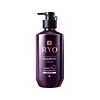 Key Ingredients
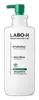
Benefits
Concerns
Ingredients Side-by-side
Water
Skin ConditioningSodium Laureth Sulfate
Cleansing



Ammonium Lauryl Sulfate
Cleansing
Dimethicone
Emollient

Glycyrrhiza Glabra Root Extract
Bleaching





Lycium Chinense Fruit Extract
Antioxidant
Pinus Sylvestris Leaf Oil
Masking
Camellia Sinensis Leaf Extract
Antimicrobial


Camellia Japonica Seed Oil
Emollient
Malt Extract
Skin ProtectingZingiber Officinale Root Extract
Masking
Coix Lacryma-Jobi Ma-Yuen Seed Extract
Skin ConditioningPanax Ginseng Root Extract
Emollient
Acorus Calamus Root Extract
Perfuming
Cnidium Officinale Root Extract
Skin ConditioningScutellaria Baicalensis Root Extract
Astringent
Guar Hydroxypropyltrimonium Chloride
Skin ConditioningDextrin
AbsorbentDisodium EDTA
ChelatingLaureth-23
Cleansing
Laureth-3
EmulsifyingLauric Acid
Cleansing
Menthol
Masking
Salicylic Acid
Masking



Cetyl Alcohol
Emollient

Sodium Citrate
BufferingSodium Chloride
MaskingSodium Hydroxide
BufferingCitric Acid
Buffering
Alcohol Denat.
Antimicrobial
Xanthan Gum
EmulsifyingCocamide Mea
Emulsifying
Trihydroxystearin
Skin Conditioning
Panthenol
Skin Conditioning
Hydrolyzed Corn Starch
HumectantEthylhexylglycerin
Skin ConditioningCaprylyl Glycol
Emollient
Sodium Benzoate
Masking
Phenoxyethanol
Preservative
Parfum
Masking
Butylphenyl Methylpropional
Perfuming
Benzyl Benzoate
Antimicrobial
Linalool
Perfuming
Geraniol
Perfuming
Hexyl Cinnamal
Perfuming
Alpha-Isomethyl Ionone
Perfuming
Water, Sodium Laureth Sulfate, Ammonium Lauryl Sulfate, Dimethicone, Glycyrrhiza Glabra Root Extract, Lycium Chinense Fruit Extract, Pinus Sylvestris Leaf Oil, Camellia Sinensis Leaf Extract, Camellia Japonica Seed Oil, Malt Extract, Zingiber Officinale Root Extract, Coix Lacryma-Jobi Ma-Yuen Seed Extract, Panax Ginseng Root Extract, Acorus Calamus Root Extract, Cnidium Officinale Root Extract, Scutellaria Baicalensis Root Extract, Guar Hydroxypropyltrimonium Chloride, Dextrin, Disodium EDTA, Laureth-23, Laureth-3, Lauric Acid, Menthol, Salicylic Acid, Cetyl Alcohol, Sodium Citrate, Sodium Chloride, Sodium Hydroxide, Citric Acid, Alcohol Denat., Xanthan Gum, Cocamide Mea, Trihydroxystearin, Panthenol, Hydrolyzed Corn Starch, Ethylhexylglycerin, Caprylyl Glycol, Sodium Benzoate, Phenoxyethanol, Parfum, Butylphenyl Methylpropional, Benzyl Benzoate, Linalool, Geraniol, Hexyl Cinnamal, Alpha-Isomethyl Ionone
Water
Skin ConditioningSodium Cocoyl Isethionate
Cleansing
Disodium Laureth Sulfosuccinate
CleansingLauryl Betaine
CleansingGlyceryl Stearate
Emollient
Trihydroxystearin
Skin Conditioning
Polyquaternium-10
Caffeine
Skin Conditioning
Cetyl Alcohol
Emollient
Dicaprylyl Ether
Emollient
Sodium Benzoate
Masking
Sodium Salicylate
Preservative
Mentha Piperita Oil
Masking
Menthol
Masking
Citric Acid
Buffering
Caprylic/Capric Triglyceride
Masking
Caprylyl Glycol
Emollient
Illicium Verum Fruit/Seed Oil
Masking
Rosmarinus Officinalis Leaf Oil
Masking
Dextrin
AbsorbentJuniperus Virginiana Oil
Masking
Tetrasodium EDTA
ChelatingMentha Arvensis Leaf Oil
Masking
Eucalyptus Globulus Leaf Oil
Perfuming
Ocimum Basilicum Oil
Masking
Anthemis Nobilis Flower Oil
Masking
Viola Odorata Leaf Extract
MaskingLactobacillus Ferment Lysate
Skin Conditioning
Glycerin
Humectant
Camellia Sinensis Seed Extract
Humectant
Tocopherol
Antioxidant
Ceramide NP
Skin Conditioning
Hydrogenated Lecithin
Emulsifying
Phytosphingosine
Skin Conditioning
Biotin
AntiseborrhoeicWater, Sodium Cocoyl Isethionate, Disodium Laureth Sulfosuccinate, Lauryl Betaine, Glyceryl Stearate, Trihydroxystearin, Polyquaternium-10, Caffeine, Cetyl Alcohol, Dicaprylyl Ether, Sodium Benzoate, Sodium Salicylate, Mentha Piperita Oil, Menthol, Citric Acid, Caprylic/Capric Triglyceride, Caprylyl Glycol, Illicium Verum Fruit/Seed Oil, Rosmarinus Officinalis Leaf Oil, Dextrin, Juniperus Virginiana Oil, Tetrasodium EDTA, Mentha Arvensis Leaf Oil, Eucalyptus Globulus Leaf Oil, Ocimum Basilicum Oil, Anthemis Nobilis Flower Oil, Viola Odorata Leaf Extract, Lactobacillus Ferment Lysate, Glycerin, Camellia Sinensis Seed Extract, Tocopherol, Ceramide NP, Hydrogenated Lecithin, Phytosphingosine, Biotin
Reviews
Ingredients Explained
These ingredients are found in both products.
Ingredients higher up in an ingredient list are typically present in a larger amount.
Caprylyl Glycol is a humectant, skin conditioner, emollient, and preservative booster derived from either caprylic acid or synthetically created.
Typical use levels vary from 0.3-1% as a preservative booster and go up to 2% to condition skin.
Because it is not a free-fatty acid, this ingredient is fungal acne safe (there's nothing for Malassezia to feed on).
Learn more about Caprylyl GlycolCetyl Alcohol is a fatty alcohol. Fatty Alcohols are most often used as an emollient or to thicken a product.
Its main roles are:
Though it has "alcohol" in the name, it is not related to denatured alcohol or ethyl alcohol.
The FDA allows products labeled "alcohol-free" to have fatty alcohols.
This ingredient may not be fungal acne safe. It is a primary fatty alcohol with a chain length above 12 carbons. A study from 2019 show Malassezia can feed on fatty alcohols in this range, so it may trigger fungal acne in those prone to it.
Learn more about Cetyl AlcoholCitric Acid is an alpha hydroxy acid (AHA) naturally found in citrus fruits like oranges, lemons, and limes.
Like other AHAs, citric acid can exfoliate skin by breaking down the bonds that hold dead skin cells together. This helps reveal smoother and brighter skin underneath.
However, this exfoliating effect only happens at high concentrations (20%) which can be hard to find in cosmetic products.
Due to this, citric acid is usually included in small amounts as a pH adjuster. This helps keep products slightly more acidic and compatible with skin's natural pH.
In skincare formulas, citric acid can:
While it can provide some skin benefits, research shows lactic acid and glycolic acid are generally more effective and less irritating exfoliants.
Most citric acid used in skincare today is made by fermenting sugars (usually from molasses). This synthetic version is identical to the natural citrus form but easier to stabilize and use in formulations.
Rosacea skin has a lower threshold for acids generally, with 62.5% of rosacea subjects in one study reacting to lactic acid in a sting test. This is why we mark citric acid as a potential rosacea trigger.
However, this ingredient shows up as a pH adjuster or chelator at roughly 0.1-1% in many products. These low levels are unlikely to be an issue for rosacea skin and becomes a potential trigger at exfoliating concentrations (20%). Because everybody's skin is unique, we recommend a patch test if you are unsure.
Learn more about Citric AcidDextrin is a starch-derived polysaccharide. It's made by partially breaking down corn, potato, or other plant starches.
Think of it as "half-processed" starch; it's less complex than the original but not fully broken down into sugar like maltodextrin.
In cosmetics, it mainly functions as a bulking agent, viscosity controller, binder, and absorbent. It helps thicken products, stabilize powders, and get certain textures a less "wet" feel.
This ingredient has a pretty solid safety profile; it's recognized as a safe food additive and its large molecular size means it doesn't meaningfully penetrate skin.
Human repeat insult patch tests using a rinse-off facial product containing 42.69% dextrin found no skin irritation or sensitization in 54 subjects.
Typical real-world usage is much lower: usually under 1% as a texture modifier and up to 40% in masks (rinse off products use less).
Learn more about DextrinMenthol is a compound found in mint plants, such as peppermint. In its pure form, it is a clear crystalline substance.
Menthol is known for its cooling sensation; however, the cooling is actually from your skin being sensitized. Menthol can worsen rosacea. We recommend speaking with a professional if you have concerns.
Menthol also has antimicrobial properties.
Learn more about MentholSodium Benzoate is a preservative. It's used in both cosmetic and food products to inhibit the growth of mold and bacteria. It is typically produced synthetically.
Both the US FDA and EU Health Committee have approved the use of sodium benzoate. In the US, levels of 0.1% (of the total product) are allowed.
Sodium benzoate works as a preservative by inhibiting the growth of bacteria inside of cells. It prevents the cell from fermenting a type of sugar using an enzyme called phosphofructokinase.
It is the salt of benzoic acid. Foods containing sodium benzoate include soda, salad dressings, condiments, fruit juices, wines, and snack foods.
Studies for using ascorbic acid and sodium benzoate in cosmetics are lacking, especially in skincare routines with multiple steps.
We always recommend speaking with a professional, such as a dermatologist, if you have any concerns.
Learn more about Sodium BenzoateTrihydroxystearin is what you get when you fully hydrogenate castor oil into a waxy, fine powder.
It's mostly a behind-the-scenes texture enhancer that's especially good at "thixotropic" thing where the product stays thick but applies nicely.
Because of its structure, it also acts as a mild skin conditioning emollient that helps soften skin while preventing moisture loss.
Safety studies show it to be safe and non-irritation in clinical tests. It's typically used in concentrations up to 5%.
Since its an ester of a C18 fatty acid, it falls into the C11-24 range that Malassezia can potentially feed on. This makes it not fungal-acne safe.
Learn more about TrihydroxystearinWater. It's the most common cosmetic ingredient of all. You'll usually see it at the top of ingredient lists, meaning that it makes up the largest part of the product.
So why is it so popular? Water most often acts as a solvent - this means that it helps dissolve other ingredients into the formulation.
You'll also recognize water as that liquid we all need to stay alive. If you see this, drink a glass of water. Remember to stay hydrated!
Learn more about Water

