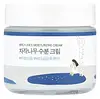
This barrier-repair moisturizer is formulated around Betula Platyphylla Japonica Juice and Panthenol to strengthen the skin barrier and hydrate skin.
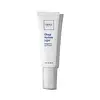
This barrier-repair moisturizer is formulated around Niacinamide and Saccharide Isomerate to strengthen the skin barrier and hydrate skin.


What's inside
What's inside
 Key Ingredients
Benefits
Concerns
Ingredients Side-by-side
Water
Skin ConditioningGlycerin
Humectant


Isononyl Isononanoate
EmollientIsododecane
Emollient1,2-Hexanediol
Skin Conditioning
Pentylene Glycol
Skin Conditioning
Polydecene
Skin ConditioningBetula Platyphylla Japonica Juice
Skin Conditioning
Jojoba Esters
Emollient

Panthenol
Skin Conditioning

Glyceryl Glucoside
Humectant
Acacia Senegal Gum
MaskingHydrolyzed Hibiscus Esculentus Extract
Skin ConditioningSodium Hyaluronate
Humectant

Hyaluronic Acid
Humectant
Lupinus Albus Seed Extract
Skin ConditioningMoringa Oleifera Seed Extract
Skin Conditioning
Melia Azadirachta Leaf Extract
Skin ConditioningCoccinia Indica Fruit Extract
Skin Conditioning
Aloe Barbadensis Flower Extract
EmollientSolanum Melongena Fruit Extract
Skin ConditioningOcimum Sanctum Leaf Extract
Skin ConditioningCorallina Officinalis Extract
Skin Conditioning

Curcuma Longa Root Extract
Antioxidant

Ascorbic Acid
Antioxidant



Pentaerythrityl Tetraethylhexanoate
Emollient
Ammonium Acryloyldimethyltaurate/Vp Copolymer
Polyglyceryl-3 Methylglucose Distearate
Emulsifying
Acrylates/C10-30 Alkyl Acrylate Crosspolymer
Emulsion StabilisingTromethamine
BufferingGlyceryl Acrylate/Acrylic Acid Copolymer
HumectantEthylhexylglycerin
Skin ConditioningAgar
MaskingDipotassium Glycyrrhizate
Humectant
Glyceryl Caprylate
EmollientButylene Glycol
Humectant
Disodium EDTA
Water, Glycerin, Isononyl Isononanoate, Isododecane, 1,2-Hexanediol, Pentylene Glycol, Polydecene, Betula Platyphylla Japonica Juice, Jojoba Esters, Panthenol, Glyceryl Glucoside, Acacia Senegal Gum, Hydrolyzed Hibiscus Esculentus Extract, Sodium Hyaluronate, Hyaluronic Acid, Lupinus Albus Seed Extract, Moringa Oleifera Seed Extract, Melia Azadirachta Leaf Extract, Coccinia Indica Fruit Extract, Aloe Barbadensis Flower Extract, Solanum Melongena Fruit Extract, Ocimum Sanctum Leaf Extract, Corallina Officinalis Extract, Curcuma Longa Root Extract, Ascorbic Acid, Pentaerythrityl Tetraethylhexanoate, Ammonium Acryloyldimethyltaurate/Vp Copolymer, Polyglyceryl-3 Methylglucose Distearate, Acrylates/C10-30 Alkyl Acrylate Crosspolymer, Tromethamine, Glyceryl Acrylate/Acrylic Acid Copolymer, Ethylhexylglycerin, Agar, Dipotassium Glycyrrhizate, Glyceryl Caprylate, Butylene Glycol, Disodium EDTA
Water
Skin ConditioningDimethicone
Emollient
Dimethyl Isosorbide
SolventGlycerin
Humectant
Isododecane
EmollientIsononyl Isononanoate
EmollientNiacinamide
Smoothing



Cetearyl Alcohol
Emollient


Jojoba Esters
Emollient
Saccharide Isomerate
Humectant
Coco-Glucoside
Cleansing
Hydroxyethyl Acrylate/Sodium Acryloyldimethyl Taurate Copolymer
Emulsion StabilisingIsohexadecane
EmollientHelianthus Annuus Seed Wax
Skin Conditioning
Propanediol
Solvent
Hydrolyzed Caesalpinia Spinosa Gum
AbsorbentPanthenol
Skin Conditioning
Xanthan Gum
EmulsifyingGlycine Soja Seed Extract
Skin Conditioning
Polysorbate 60
Emulsifying
Saccharomyces Lysate Extract
Humectant
Wine Extract
Antioxidant
Sclerotium Gum
Emulsion StabilisingBisabolol
Antioxidant
Lecithin
Emollient
Pullulan
Caesalpinia Spinosa Gum
Skin ConditioningDimethicone Crosspolymer
Emulsion Stabilising
Dimethicone/Vinyl Dimethicone Crosspolymer
Skin Conditioning
Sodium Lauroyl Lactylate
EmulsifyingPolyglutamic Acid
Skin Conditioning
Silica
Abrasive
Ceramide NP
Skin Conditioning
Ceramide AP
Skin Conditioning
Phytosphingosine
Skin Conditioning
Cholesterol
Emollient
Carbomer
Emulsion StabilisingCeramide EOP
Skin Conditioning
Ethylhexylglycerin
Skin ConditioningPhenoxyethanol
Preservative
Citric Acid
Buffering
Sodium Citrate
BufferingPotassium Sorbate
Preservative
Water, Dimethicone, Dimethyl Isosorbide, Glycerin, Isododecane, Isononyl Isononanoate, Niacinamide, Cetearyl Alcohol, Jojoba Esters, Saccharide Isomerate, Coco-Glucoside, Hydroxyethyl Acrylate/Sodium Acryloyldimethyl Taurate Copolymer, Isohexadecane, Helianthus Annuus Seed Wax, Propanediol, Hydrolyzed Caesalpinia Spinosa Gum, Panthenol, Xanthan Gum, Glycine Soja Seed Extract, Polysorbate 60, Saccharomyces Lysate Extract, Wine Extract, Sclerotium Gum, Bisabolol, Lecithin, Pullulan, Caesalpinia Spinosa Gum, Dimethicone Crosspolymer, Dimethicone/Vinyl Dimethicone Crosspolymer, Sodium Lauroyl Lactylate, Polyglutamic Acid, Silica, Ceramide NP, Ceramide AP, Phytosphingosine, Cholesterol, Carbomer, Ceramide EOP, Ethylhexylglycerin, Phenoxyethanol, Citric Acid, Sodium Citrate, Potassium Sorbate
Reviews
Ingredients Explained
These ingredients are found in both products.
Ingredients higher up in an ingredient list are typically present in a larger amount.
Ethylhexylglycerin is created from glycerin. It is a multitasker ingredient that:
The CIR Expert Panel found minimal skin absorption or sensitization of any kind in a safety assessment. Though this ingredient is considered well-tolerated, a small number of cases of allergic dermatitis have been published since 2002. Just be sure to patch test if you are unsure.
Industry-reported use ranges from 8% in rinse-off products and 2% in leave-on formulations.
Learn more about EthylhexylglycerinGlycerin (or glycerol) is a compound naturally found in your skin. It's a powerhouse humectant that pulls water into the stratum corneum.
Topically, glycerin does several things at once:
Your skin makes glycerin on its own (mostly from sebaceous oil breakdown) and shuttles it to your outermost layer of skin, or your epidermis, via aquaporin-3.
Aquaporin-3 is a transporter that is essential for normal skin hydration, elasticity, and repair. Interestingly, mice lacking in AQP3 have dry and less elastic skin that can be fully corrected with glycerin.
This ingredient is non-irritating, plays well with almost every ingredient, and works across all skin types. Typical use is anywhere between 3-10% but can go up to 79% in some leave-on products.
Just know very high concentrations (>40%) can feel tacky in low humidity.
Glycerin is the name for this ingredient in American English. British English uses Glycerol/Glycerine.
Learn more about GlycerinIsododecane is a fragrance, emollient, and solvent.
As an emollient, it helps your skin stay soft and hydrated. Emollients help trap moisture into your skin.
Isododecane's role as a solvent makes it a great texture enhancer. It spreads smoothly on skin and does not leave a sticky feeling behind. Isododecane also helps prevent color transfer in makeup products.
Isododecane is not absorbed into skin.
The chemical name for this ingredient is 2,2,4,6,6-PENTAMETHYLHEPTANE.
Learn more about IsododecaneIsononyl Isononanoate is a synthetic skin-conditioner and texture enhancer. It is created from nonanoic acid, a fatty acid found in cocoa and lavender oil.
As an emollient, Isononyl Isononanoate helps keep your skin soft and smooth. This is because emollients create a barrier on the skin to trap moisture in.
Isononyl Isononanoate helps give products a velvet feel and improves spreadability.
Learn more about Isononyl IsononanoateJojoba Esters is a wax created from Jojoba oil. It is an emollient and film-forming ingredient. In bead form, it is an exfoliator.
This ingredient has high oxidative stability, meaning it doesn't break down when exposed to oxygen.
Its similarity to our skin's natural oils makes it a great emollient. Emollients help soften and soothe our skin by creating a barrier on top. This barrier helps trap moisture in, keeping skin hydrated.
It is created using either the hydrogenation or transesterification processes on jojoba oil.
Learn more about Jojoba EstersPanthenol is a common ingredient that helps hydrate and soothe the skin. It is found naturally in our skin and hair.
There are two forms of panthenol: D and L.
D-panthenol is also known as dexpanthenol. Most cosmetics use dexpanthenol or a mixture of D and L-panthenol.
Panthenol is famous due to its ability to go deeper into the skin's layers. Using this ingredient has numerous pros (and no cons):
Like hyaluronic acid, panthenol is a humectant. Humectants are able to bind and hold large amounts of water to keep skin hydrated.
This ingredient works well for wound healing. It works by increasing tissue in the wound and helps close open wounds.
Once oxidized, panthenol converts to pantothenic acid. Panthothenic acid is found in all living cells.
This ingredient is also referred to as pro-vitamin B5.
Learn more about PanthenolWater. It's the most common cosmetic ingredient of all. You'll usually see it at the top of ingredient lists, meaning that it makes up the largest part of the product.
So why is it so popular? Water most often acts as a solvent - this means that it helps dissolve other ingredients into the formulation.
You'll also recognize water as that liquid we all need to stay alive. If you see this, drink a glass of water. Remember to stay hydrated!
Learn more about Water

