ROSE Ingleton MD Futurebright Dark Spot Vitamin C Serum Versus Abib Glutathiosome Dark Spot Serum Vita Drop
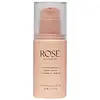
This brightening serum is formulated around Tetrahexyldecyl Ascorbate and Tranexamic Acid to fade the look of dark spots and brighten dull-looking skin.
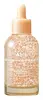
This brightening serum is formulated around Niacinamide and Glutathione to fade the look of dark spots and brighten dull-looking skin.


What's inside
What's inside
 Key Ingredients
Benefits
Concerns
Ingredients Side-by-side
Water
Skin ConditioningTetrahexyldecyl Ascorbate
Antioxidant






Glycerin
Humectant

Simmondsia Chinensis Seed Oil
Emollient


Tranexamic Acid
Astringent


Polyglyceryl-10 Myristate
Skin Conditioning
Distarch Phosphate
AbsorbentButylene Glycol
Humectant
Cetearyl Alcohol
Emollient




Diheptyl Succinate
EmollientCapryloyl Glycerin/Sebacic Acid Copolymer
Skin ConditioningPropanediol
Solvent
Vaccinium Myrtillus Fruit Extract
Skin ConditioningPhenethyl Alcohol
MaskingCetearyl Glucoside
Emulsifying
Pectin
Emulsion StabilisingSaccharum Officinarum Extract
MoisturisingCaprylhydroxamic Acid
ChelatingCitrus Aurantium Dulcis Fruit Extract
MaskingCitrus Limon Fruit Extract
Masking
Xanthan Gum
EmulsifyingHydroxyethylcellulose
Emulsion StabilisingDisodium EDTA
ChelatingAcer Saccharum Extract
Skin ConditioningCarica Papaya Fruit Extract
Skin ConditioningPhenoxyethanol
Preservative
Annona Muricata Bark Extract
Skin ConditioningZingiber Officinale Root Extract
Masking
Biosaccharide Gum-1
Humectant
Carbomer
Emulsion StabilisingPolysorbate 20
Emulsifying
Sodium Lactate
Buffering
Glucose
Humectant
Sodium Hydroxide
BufferingPalmitoyl Tripeptide-1
Skin Conditioning

Palmitoyl Tetrapeptide-7
Skin Conditioning
Water, Tetrahexyldecyl Ascorbate, Glycerin, Simmondsia Chinensis Seed Oil, Tranexamic Acid, Polyglyceryl-10 Myristate, Distarch Phosphate, Butylene Glycol, Cetearyl Alcohol, Diheptyl Succinate, Capryloyl Glycerin/Sebacic Acid Copolymer, Propanediol, Vaccinium Myrtillus Fruit Extract, Phenethyl Alcohol, Cetearyl Glucoside, Pectin, Saccharum Officinarum Extract, Caprylhydroxamic Acid, Citrus Aurantium Dulcis Fruit Extract, Citrus Limon Fruit Extract, Xanthan Gum, Hydroxyethylcellulose, Disodium EDTA, Acer Saccharum Extract, Carica Papaya Fruit Extract, Phenoxyethanol, Annona Muricata Bark Extract, Zingiber Officinale Root Extract, Biosaccharide Gum-1, Carbomer, Polysorbate 20, Sodium Lactate, Glucose, Sodium Hydroxide, Palmitoyl Tripeptide-1, Palmitoyl Tetrapeptide-7
Water
Skin ConditioningButylene Glycol
Humectant
Niacinamide
Smoothing


1,2-Hexanediol
Skin Conditioning
Zea Mays Starch
Absorbent
Chondrus Crispus Extract
Skin Conditioning
Chlorella Vulgaris Extract
Skin ConditioningSaccharum Officinarum Extract
MoisturisingCentella Asiatica Leaf Extract
Skin Conditioning
Chitosan
Malus Domestica Fruit Cell Culture Extract
Skin ConditioningPolyacrylate Crosspolymer-6
Emulsion StabilisingBetaine
Humectant
Glucose
Humectant
Acrylates/C10-30 Alkyl Acrylate Crosspolymer
Emulsion StabilisingTromethamine
BufferingAcetyl Glucosamine
Skin Conditioning
Fructooligosaccharides
Humectant
Fructose
Humectant
Glycerin
Humectant
Pentylene Glycol
Skin Conditioning
Ethylhexylglycerin
Skin ConditioningAllantoin
Skin Conditioning
Dipropylene Glycol
HumectantAdenosine
Skin Conditioning
Glutathione
Madecassoside
Antioxidant
Hydroxypropyl Methylcellulose
Emulsion StabilisingHydrogenated Lecithin
Emulsifying
Beta-Glucan
Skin Conditioning
Cholesterol
Emollient
Asiaticoside
Antioxidant
Ascorbic Acid
Antioxidant
3-O-Ethyl Ascorbic Acid
Skin Conditioning
Ascorbyl Glucoside
Antioxidant
Ceramide NP
Skin Conditioning
Tocopherol
Antioxidant
Ferulic Acid
Antimicrobial
Lactic Acid
Buffering
Disodium EDTA
ChelatingCarbomer
Emulsion StabilisingCI 77491
Cosmetic ColorantWater, Butylene Glycol, Niacinamide, 1,2-Hexanediol, Zea Mays Starch, Chondrus Crispus Extract, Chlorella Vulgaris Extract, Saccharum Officinarum Extract, Centella Asiatica Leaf Extract, Chitosan, Malus Domestica Fruit Cell Culture Extract, Polyacrylate Crosspolymer-6, Betaine, Glucose, Acrylates/C10-30 Alkyl Acrylate Crosspolymer, Tromethamine, Acetyl Glucosamine, Fructooligosaccharides, Fructose, Glycerin, Pentylene Glycol, Ethylhexylglycerin, Allantoin, Dipropylene Glycol, Adenosine, Glutathione, Madecassoside, Hydroxypropyl Methylcellulose, Hydrogenated Lecithin, Beta-Glucan, Cholesterol, Asiaticoside, Ascorbic Acid, 3-O-Ethyl Ascorbic Acid, Ascorbyl Glucoside, Ceramide NP, Tocopherol, Ferulic Acid, Lactic Acid, Disodium EDTA, Carbomer, CI 77491
Reviews
Ingredients Explained
These ingredients are found in both products.
Ingredients higher up in an ingredient list are typically present in a larger amount.
Butylene Glycol (or BG) is used within cosmetic products for a few different reasons:
Overall, Butylene Glycol is a safe and well-rounded ingredient that works well with other ingredients.
Though this ingredient works well with most skin types, some people with sensitive skin may experience a reaction such as allergic rashes, closed comedones, or itchiness.
Learn more about Butylene GlycolCarbomer is a synthetic thickening and gelling agent. It's basically the ingredient that gives a lot of serums, gels, creams, and sunscreens their smooth, non-sticky texture.
Although legally permitted at very high levels, carbomers are normally used at concentrations below 1%.
It also needs to be neutralized to actually thicken, and because it is a large molecule, it doesn't really penetrate the skin barrier.
Allergy-wise, the risk is very low. Clinical studies show carbomers have low potential for skin irritation/sensitization even at concentrations up to 100%.
A 2024 UK study patch-tested 1,302 patients and found true allergy to the parent group of carbomer to be rare with no confirmed relevant reactions.
Learn more about CarbomerDisodium EDTA is a chelating agent. It grabs onto and deactivates metal ions that sneak into your products from water, packaging, or air.
This ingredient mainly works behind the scenes and helps with:
On top of that, this ingredient can counteract the effects of hard water by binding to the minerals in it.
One thing worth knowing is that Disodium EDTA has been shown to be a mild penetration enhancer. It can help other ingredients absorb into skin more effectively which can be a double-edged sword (great for actives, but can also make the active too strong if you have sensitive skin).
Clinical patch testing showed no significant skin irritation at typical use concentrations and minimal dermal absorption.
You'll most likely see this ingredient near the end of an ingredient list. It's typically found in concentrations less than 1%.
Learn more about Disodium EDTAGlucose is a simple sugar (a monosaccharide). In skincare, it is mostly a humectant and skin conditioning agent.
Mechanistically, it has multiple hydroxyl groups that hydrogen-bond to water. This pulls moisture into the upper layers of skin to keep the surface soft and hydrated.
It's worth knowing sugars are already a natural component of the skin's NMF (natural moisturizing factor) so it's a molecule that your stratum corneum is well-acquainted with.
Just so you know, glucose is hydrophilic (water-loving) and the stratum corneum is a strong barrier to hydrophilic compounds. This just means penetration is slow and most of the action is happening on the surface.
Gram-to-gram, glucose is not as efficient as a humectant as glycerin. This is why you'll likely see glycose paired with stronger humectants for a bigger hydration payoff.
In skincare, glucose is typically derived from corn or other starch sources.
Learn more about GlucoseGlycerin (or glycerol) is a compound naturally found in your skin. It's a powerhouse humectant that pulls water into the stratum corneum.
Topically, glycerin does several things at once:
Your skin makes glycerin on its own (mostly from sebaceous oil breakdown) and shuttles it to your outermost layer of skin, or your epidermis, via aquaporin-3.
Aquaporin-3 is a transporter that is essential for normal skin hydration, elasticity, and repair. Interestingly, mice lacking in AQP3 have dry and less elastic skin that can be fully corrected with glycerin.
This ingredient is non-irritating, plays well with almost every ingredient, and works across all skin types. Typical use is anywhere between 3-10% but can go up to 79% in some leave-on products.
Just know very high concentrations (>40%) can feel tacky in low humidity.
Glycerin is the name for this ingredient in American English. British English uses Glycerol/Glycerine.
Learn more about GlycerinThis ingredient is also called sugarcane extract. It is a moisturizing humectant and has skin soothing properties.
Similar to hyaluronic acid, sugarcane can attract moisture to your skin.
Glycolic acid is a derivative of sugarcane. While glycolic acid is an AHA with exfoliating properties, sugarcane is not an AHA.
A study from 2021 found the compounds in sugarcane extract to have antioxidant, antimicrobial, and anti-inflammatory activity. The study also suggests these compounds can inhibit skin ageing enzymes and promote collagen synthesis.
Learn more about Saccharum Officinarum ExtractWater. It's the most common cosmetic ingredient of all. You'll usually see it at the top of ingredient lists, meaning that it makes up the largest part of the product.
So why is it so popular? Water most often acts as a solvent - this means that it helps dissolve other ingredients into the formulation.
You'll also recognize water as that liquid we all need to stay alive. If you see this, drink a glass of water. Remember to stay hydrated!
Learn more about Water

