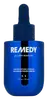
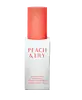
Remedy For Skin Elasticity Copper Peptide Complex Advanced Firming Serum Versus Peach & Lily MiniProtein Exosome Bioactive Ampoule
This anti-aging serum is formulated around Ectoin and Copper Tripeptide-1 to soften the look of wrinkles and strengthen the skin barrier.
This anti-aging ampoule is formulated around Copper Tripeptide-1 to soften the look of wrinkles and strengthen the skin barrier.


What's inside
What's inside
 Key Ingredients
Benefits
Concerns
Ingredients Side-by-side
Water
Skin ConditioningPentylene Glycol
Skin Conditioning
Isopentyldiol
Humectant
1,2-Hexanediol
Skin Conditioning
Glycerin
Humectant
Ectoin
Skin Conditioning



Copper Tripeptide-1
Skin Conditioning
Polyglutamic Acid
Skin Conditioning
Allantoin
Skin Conditioning
Biosaccharide Gum-1
Humectant
Butylene Glycol
Humectant
Caprylyl Glycol
Emollient
Centella Asiatica Extract
Cleansing
Citric Acid
Buffering


Curcuma Longa Root Extract
Antioxidant

Ethylhexylglycerin
Skin ConditioningAcetyl Hexapeptide-8
Humectant
Hydroxyacetophenone
Antioxidant
Tea-Acrylates/Acrylonitrogens Copolymer
Lactobacillus Ferment
Skin Conditioning
Palmitoyl Tripeptide-5
Skin Conditioning
Phenoxyethanol
Preservative
Polyacrylate Crosspolymer-5
SurfactantPolysorbate 60
Emulsifying
Sodium Citrate
BufferingSodium Hyaluronate
Humectant
Sorbitan Isostearate
Emulsifying
Superoxide Dismutase
Antioxidant
Tocopherol
Antioxidant

Trisodium Ethylenediamine Disuccinate
Tromethamine
BufferingWater, Pentylene Glycol, Isopentyldiol, 1,2-Hexanediol, Glycerin, Ectoin, Copper Tripeptide-1, Polyglutamic Acid, Allantoin, Biosaccharide Gum-1, Butylene Glycol, Caprylyl Glycol, Centella Asiatica Extract, Citric Acid, Curcuma Longa Root Extract, Ethylhexylglycerin, Acetyl Hexapeptide-8, Hydroxyacetophenone, Tea-Acrylates/Acrylonitrogens Copolymer, Lactobacillus Ferment, Palmitoyl Tripeptide-5, Phenoxyethanol, Polyacrylate Crosspolymer-5, Polysorbate 60, Sodium Citrate, Sodium Hyaluronate, Sorbitan Isostearate, Superoxide Dismutase, Tocopherol, Trisodium Ethylenediamine Disuccinate, Tromethamine
Water
Skin ConditioningDicaprylyl Ether
Emollient
Butylene Glycol
Humectant
Coco-Caprylate/Caprate
Emollient
Glycerin
Humectant
Pentaerythrityl Tetraisostearate
Emollient
Dicaprylyl Carbonate
Emollient1,2-Hexanediol
Skin Conditioning
Caprylic/Capric Triglyceride
Masking
Diisostearoyl Polyglyceryl-3 Dimer Dilinoleate
Emollient
Hydrolyzed Rice Protein
Skin ConditioningGlycine Soja Protein
EmulsifyingAcetyl Sh-Hexapeptide-5 Amide Acetate
Skin Conditioning
Centella Asiatica Leaf Extract
Skin Conditioning
Linoleic Acid
Cleansing
Linolenic Acid
Cleansing
Swertia Chirata Extract
HumectantGlycine
Buffering
Serine
Masking
Glutamic Acid
Humectant
Leucine
Skin ConditioningAlanine
Masking
Lysine
Skin ConditioningArginine
Masking
Tyrosine
MaskingHexapeptide-9
Skin Conditioning
Acetyl Tetrapeptide-5
Humectant
Acetyl Tetrapeptide-2
Skin Conditioning
Palmitoyl Pentapeptide-4
Skin Conditioning
Tripeptide-1
Skin Conditioning
Hexapeptide-11
Skin Conditioning
Acetyl Hexapeptide-8
Humectant
Copper Tripeptide-1
Skin Conditioning
Alanine/Histidine/Lysine Polypeptide Copper Hcl
Skin Conditioning
Argania Spinosa Kernel Oil
Emollient

Tripeptide-32
Skin Conditioning
Palmitoyl Tetrapeptide-7
Skin Conditioning
Scutellaria Baicalensis Root Extract
Astringent
Polygonum Multiflorum Root Extract
Skin ConditioningSophora Flavescens Root Extract
Antioxidant
Cimicifuga Racemosa Root Extract
Antimicrobial
Phenylalanine
Masking
Valine
MaskingProline
Skin Conditioning
Threonine
Aspartic Acid
Masking
Isoleucine
Skin ConditioningHistidine
Humectant
Methionine
Skin ConditioningCysteine
Antioxidant
Dextrin Palmitate
Emulsifying
Superoxide Dismutase
Antioxidant
Glycyrrhiza Glabra Root Extract
Bleaching
Angelica Gigas Root Extract
Skin ConditioningAdenosine
Skin Conditioning
Morus Alba Bark Extract
Skin ConditioningPhellinus Linteus Extract
Skin ConditioningDioscorea Opposita Root Extract
Skin ConditioningPaeonia Albiflora Root Extract
Skin ConditioningSesamum Indicum Seed Extract
Skin Conditioning
Sodium Dextran Sulfate
Gel FormingPolyglyceryl-4 Oleate
Emulsifying
Disteardimonium Hectorite
StabilisingPolyglyceryl-6 Oleate
Emulsifying
Polyhydroxystearic Acid
Emulsifying
Propylene Carbonate
SolventCellulose Gum
Emulsion StabilisingPolyglyceryl-10 Laurate
Skin Conditioning
Ethylhexylglycerin
Skin ConditioningTocopherol
Antioxidant
Sodium Phytate
Caprylyl Glycol
Emollient
Pentylene Glycol
Skin Conditioning
Sodium Benzoate
Masking
Maltodextrin
Absorbent
Sodium Chloride
MaskingWater, Dicaprylyl Ether, Butylene Glycol, Coco-Caprylate/Caprate, Glycerin, Pentaerythrityl Tetraisostearate, Dicaprylyl Carbonate, 1,2-Hexanediol, Caprylic/Capric Triglyceride, Diisostearoyl Polyglyceryl-3 Dimer Dilinoleate, Hydrolyzed Rice Protein, Glycine Soja Protein, Acetyl Sh-Hexapeptide-5 Amide Acetate, Centella Asiatica Leaf Extract, Linoleic Acid, Linolenic Acid, Swertia Chirata Extract, Glycine, Serine, Glutamic Acid, Leucine, Alanine, Lysine, Arginine, Tyrosine, Hexapeptide-9, Acetyl Tetrapeptide-5, Acetyl Tetrapeptide-2, Palmitoyl Pentapeptide-4, Tripeptide-1, Hexapeptide-11, Acetyl Hexapeptide-8, Copper Tripeptide-1, Alanine/Histidine/Lysine Polypeptide Copper Hcl, Argania Spinosa Kernel Oil, Tripeptide-32, Palmitoyl Tetrapeptide-7, Scutellaria Baicalensis Root Extract, Polygonum Multiflorum Root Extract, Sophora Flavescens Root Extract, Cimicifuga Racemosa Root Extract, Phenylalanine, Valine, Proline, Threonine, Aspartic Acid, Isoleucine, Histidine, Methionine, Cysteine, Dextrin Palmitate, Superoxide Dismutase, Glycyrrhiza Glabra Root Extract, Angelica Gigas Root Extract, Adenosine, Morus Alba Bark Extract, Phellinus Linteus Extract, Dioscorea Opposita Root Extract, Paeonia Albiflora Root Extract, Sesamum Indicum Seed Extract, Sodium Dextran Sulfate, Polyglyceryl-4 Oleate, Disteardimonium Hectorite, Polyglyceryl-6 Oleate, Polyhydroxystearic Acid, Propylene Carbonate, Cellulose Gum, Polyglyceryl-10 Laurate, Ethylhexylglycerin, Tocopherol, Sodium Phytate, Caprylyl Glycol, Pentylene Glycol, Sodium Benzoate, Maltodextrin, Sodium Chloride
Reviews
Ingredients Explained
These ingredients are found in both products.
Ingredients higher up in an ingredient list are typically present in a larger amount.
1,2-Hexanediol is a synthetic liquid and another multi-functional powerhouse.
It is a:
- Humectant, drawing moisture into the skin
- Emollient, helping to soften skin
- Solvent, dispersing and stabilizing formulas
- Preservative booster, enhancing the antimicrobial activity of other preservatives
Acetyl Hexapeptide-8 (also known as Argireline) is a synthetic hexapeptide that is often called a "topical Botox alternative".
It works by mimicking how Botox relaxes muscles; it interferes with the signaling process that tells your facial muscles to contract. This can help soften expression lines like forehead wrinkles or crow's feet over time.
The comparison to Botox does have limits because the molecule is water-loving and relatively large.
Acetyl Hexapeptide-8 has a hard time absorbing deeply enough through the skin's outer barrier to actually reach the muscles.
So whether it truly works the way Botox does at a biological level is still up for debate, but early clinical outcomes are fairly encouraging.
A 12 week human study of a multi-ingredient regimen containing this ingredient saw:
While some studies have observed improvements in wrinkle appearance, it is important to note that more consistent results are seen in multi-ingredient formulations (vs just Acetyl Hexapeptide-8 alone).
Some research studies also used higher concentrations (up to 10%) while this ingredient is usually found in concentrations up to 0.005% in leave-on formulations.
Learn more about Acetyl Hexapeptide-8Butylene Glycol (or BG) is used within cosmetic products for a few different reasons:
Overall, Butylene Glycol is a safe and well-rounded ingredient that works well with other ingredients.
Though this ingredient works well with most skin types, some people with sensitive skin may experience a reaction such as allergic rashes, closed comedones, or itchiness.
Learn more about Butylene GlycolCaprylyl Glycol is a humectant, skin conditioner, emollient, and preservative booster derived from either caprylic acid or synthetically created.
Typical use levels vary from 0.3-1% as a preservative booster and go up to 2% to condition skin.
Because it is not a free-fatty acid, this ingredient is fungal acne safe (there's nothing for Malassezia to feed on).
Learn more about Caprylyl GlycolCopper Tripeptide-1 (GHK-Cu) is a skin repairing ingredient known for its ability to boost collagen, improve firmness, and support skin regeneration.
It is a complex made up of a naturally occurring peptide (glycine-histidine-lysine) and copper, an essential trace element.
While studying wound healing, researchers noticed GHK-Cu stimulated hair follicle enlargement and growth by keeping hair in its active growth phase longer. This has made it a promising ingredient for hair regrowth treatments.
Some people have reported increased facial hair. While GHK-Cu can make your hair follicles bigger, it usually doesn’t turn soft, barely-visible facial hairs into thick, dark ones.
Anecdotal reports suggest that overusing copper peptides might lead to premature aging due to excess free copper or enzyme imbalances. This claim isn’t backed by large-scale studies.
Unfortunately, there are limited human studies for this ingredient. While early results are promising, many studies are either small, in-vitro, or not rigorously controlled.
For example, there is a 1998 study that explored the effects of copper tripeptide, vitamin C, tretinoin, and melatonin on skin repair and collagen synthesis.
After one month, increased procollagen production was seen in 7 out of 10 participants using copper tripeptide (more than those using vitamin C, melatonin, or tretinoin.
While the study was exploratory, it offers early evidence that copper tripeptide may support collagen production. Larger, well-designed trials are still needed to confirm its potential and understand individual responses.
Read more about other common types of peptides here:
Learn more about Copper Tripeptide-1Ethylhexylglycerin is created from glycerin. It is a multitasker ingredient that:
The CIR Expert Panel found minimal skin absorption or sensitization of any kind in a safety assessment. Though this ingredient is considered well-tolerated, a small number of cases of allergic dermatitis have been published since 2002. Just be sure to patch test if you are unsure.
Industry-reported use ranges from 8% in rinse-off products and 2% in leave-on formulations.
Learn more about EthylhexylglycerinGlycerin (or glycerol) is a compound naturally found in your skin. It's a powerhouse humectant that pulls water into the stratum corneum.
Topically, glycerin does several things at once:
Your skin makes glycerin on its own (mostly from sebaceous oil breakdown) and shuttles it to your outermost layer of skin, or your epidermis, via aquaporin-3.
Aquaporin-3 is a transporter that is essential for normal skin hydration, elasticity, and repair. Interestingly, mice lacking in AQP3 have dry and less elastic skin that can be fully corrected with glycerin.
This ingredient is non-irritating, plays well with almost every ingredient, and works across all skin types. Typical use is anywhere between 3-10% but can go up to 79% in some leave-on products.
Just know very high concentrations (>40%) can feel tacky in low humidity.
Glycerin is the name for this ingredient in American English. British English uses Glycerol/Glycerine.
Learn more about GlycerinPentylene Glycol (1,2-pentanediol) is a multitasking little diol with three main roles in a formula:
Research on alkanediols (the family pentylene glycol belongs to) show they work by disrupting microbial cell membranes. This disruption helps the primary preservative system in a product work more effectively at lower doses.
On the safety side, the Cosmetic Ingredient Review Expert Panel has concluded this ingredient to be safe as used in current cosmetic practices + concentrations.
Typical use levels in a formula run about 1-5%.
Learn more about Pentylene GlycolSuperoxide Dismutase is found in all living cells. This ingredient is AKA as 'SOD'.
SOD is a strong antioxidant. It protects living cells against oxidative damage by breaking down radical molecules into regular oxygen and hydrogen peroxide.
Antioxidants help fight free-radical molecules that may damage your skin's DNA. This may help with the signs of aging. Due to its antioxidant property, it is used to help treat chronic inflammation.
In cosmetics, SOD is usually obtained from marine phytoplankton, bovine liver, horseradish, cantaloupe, and certain bacteria.
The three major families of SOD include: Copper/Zinc, Iron/Manganese, and Nickel.
When eating SOD-rich foods, our bodies break it down into amino acids before absorption. Foods that contain SOD include: melons, citrus, spinach, broccoli, kale, almonds, sunflower seeds, and blue-green algae.
Learn more about Superoxide DismutaseTocopherol is a fat-soluble antioxidant known as Vitamin E.
You'll find this ingredient in the vast majority of skincare (for good reason). It works to neutralize free radicals, or unstable molecules generated by UV exposure, pollution, and other environmental stressors, before they can cause oxidative damage to your skin cells.
Topically applied tocopherol has been shown to protect against UV damage by ramping up the skin's own natural defense enzymes.
It also acts as a skin conditioning agent; some studies show that regular topical use can improve the skin's water-binding capacity over 2-4 weeks.
This ingredient is especially loved for being a team player. When combined with Vitamin C, the photoprotective effect of both ingredients roughly doubles and the combo also helps reduce UV-induced DNA damage.
This ingredient has some brightening potential but it's more of a prevention ingredient than spot-fader. Cell studies show it can slow down melanin production but it's worth noting that it's not the most powerful brightener out there.
In formulations, it also serves as a stabilizer that helps protect other oxidation-prone ingredients from degrading.
Concentrations usually range from 0.1-1% in most leave-on products.
Learn more about TocopherolWater. It's the most common cosmetic ingredient of all. You'll usually see it at the top of ingredient lists, meaning that it makes up the largest part of the product.
So why is it so popular? Water most often acts as a solvent - this means that it helps dissolve other ingredients into the formulation.
You'll also recognize water as that liquid we all need to stay alive. If you see this, drink a glass of water. Remember to stay hydrated!
Learn more about Water

