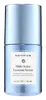
This barrier-repair serum is formulated around Squalane to strengthen the skin barrier and soften the look of wrinkles.
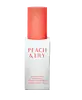
This anti-aging ampoule is formulated around Copper Tripeptide-1 to soften the look of wrinkles and strengthen the skin barrier.


What's inside
What's inside
 Key Ingredients
Benefits
Concerns
No concerns
Ingredients Side-by-side
Water
Skin ConditioningSqualane
Emollient


Propanediol
Solvent
Caprylic/Capric Triglyceride
Masking
Saccharide Isomerate
Humectant
C14-22 Alcohols
Emulsion Stabilising
Glycerin
Humectant
1,2-Hexanediol
Skin Conditioning
Caprylyl Glycol
Emollient
Hydroxyacetophenone
Antioxidant
Acrylates/C10-30 Alkyl Acrylate Crosspolymer
Emulsion StabilisingC12-20 Alkyl Glucoside
EmulsifyingMaltodextrin
Absorbent
Xanthan Gum
EmulsifyingChlamydomonas Reinhardtii Extract
HumectantPotassium Hydroxide
BufferingCirsium Flower/Leaf/Stem Extract
Skin ConditioningSodium Phytate
ChelatingSodium Dilauramidoglutamide Lysine
HumectantPentylene Glycol
Skin Conditioning
Ilex Paraguariensis Leaf Extract
Perfuming
Citric Acid
Buffering


Sodium Citrate
BufferingGlucose
Humectant
Polyglyceryl-4 Caprate
EmulsifyingHexapeptide-9
Skin Conditioning
Water, Squalane, Propanediol, Caprylic/Capric Triglyceride, Saccharide Isomerate, C14-22 Alcohols, Glycerin, 1,2-Hexanediol, Caprylyl Glycol, Hydroxyacetophenone, Acrylates/C10-30 Alkyl Acrylate Crosspolymer, C12-20 Alkyl Glucoside, Maltodextrin, Xanthan Gum, Chlamydomonas Reinhardtii Extract, Potassium Hydroxide, Cirsium Flower/Leaf/Stem Extract, Sodium Phytate, Sodium Dilauramidoglutamide Lysine, Pentylene Glycol, Ilex Paraguariensis Leaf Extract, Citric Acid, Sodium Citrate, Glucose, Polyglyceryl-4 Caprate, Hexapeptide-9
Water
Skin ConditioningDicaprylyl Ether
Emollient
Butylene Glycol
Humectant
Coco-Caprylate/Caprate
Emollient
Glycerin
Humectant
Pentaerythrityl Tetraisostearate
Emollient
Dicaprylyl Carbonate
Emollient1,2-Hexanediol
Skin Conditioning
Caprylic/Capric Triglyceride
Masking
Diisostearoyl Polyglyceryl-3 Dimer Dilinoleate
Emollient
Hydrolyzed Rice Protein
Skin ConditioningGlycine Soja Protein
EmulsifyingAcetyl Sh-Hexapeptide-5 Amide Acetate
Skin Conditioning
Centella Asiatica Leaf Extract
Skin Conditioning
Linoleic Acid
Cleansing
Linolenic Acid
Cleansing
Swertia Chirata Extract
HumectantGlycine
Buffering
Serine
Masking
Glutamic Acid
Humectant
Leucine
Skin ConditioningAlanine
Masking
Lysine
Skin ConditioningArginine
Masking
Tyrosine
MaskingHexapeptide-9
Skin Conditioning
Acetyl Tetrapeptide-5
Humectant
Acetyl Tetrapeptide-2
Skin Conditioning
Palmitoyl Pentapeptide-4
Skin Conditioning
Tripeptide-1
Skin Conditioning
Hexapeptide-11
Skin Conditioning
Acetyl Hexapeptide-8
Humectant
Copper Tripeptide-1
Skin Conditioning
Alanine/Histidine/Lysine Polypeptide Copper Hcl
Skin Conditioning
Argania Spinosa Kernel Oil
Emollient

Tripeptide-32
Skin Conditioning
Palmitoyl Tetrapeptide-7
Skin Conditioning
Scutellaria Baicalensis Root Extract
Astringent
Polygonum Multiflorum Root Extract
Skin ConditioningSophora Flavescens Root Extract
Antioxidant
Cimicifuga Racemosa Root Extract
Antimicrobial
Phenylalanine
Masking
Valine
MaskingProline
Skin Conditioning
Threonine
Aspartic Acid
Masking
Isoleucine
Skin ConditioningHistidine
Humectant
Methionine
Skin ConditioningCysteine
Antioxidant
Dextrin Palmitate
Emulsifying
Superoxide Dismutase
Antioxidant
Glycyrrhiza Glabra Root Extract
Bleaching
Angelica Gigas Root Extract
Skin ConditioningAdenosine
Skin Conditioning
Morus Alba Bark Extract
Skin ConditioningPhellinus Linteus Extract
Skin ConditioningDioscorea Opposita Root Extract
Skin ConditioningPaeonia Albiflora Root Extract
Skin ConditioningSesamum Indicum Seed Extract
Skin Conditioning
Sodium Dextran Sulfate
Gel FormingPolyglyceryl-4 Oleate
Emulsifying
Disteardimonium Hectorite
StabilisingPolyglyceryl-6 Oleate
Emulsifying
Polyhydroxystearic Acid
Emulsifying
Propylene Carbonate
SolventCellulose Gum
Emulsion StabilisingPolyglyceryl-10 Laurate
Skin Conditioning
Ethylhexylglycerin
Skin ConditioningTocopherol
Antioxidant
Sodium Phytate
ChelatingCaprylyl Glycol
Emollient
Pentylene Glycol
Skin Conditioning
Sodium Benzoate
Masking
Maltodextrin
Absorbent
Sodium Chloride
MaskingWater, Dicaprylyl Ether, Butylene Glycol, Coco-Caprylate/Caprate, Glycerin, Pentaerythrityl Tetraisostearate, Dicaprylyl Carbonate, 1,2-Hexanediol, Caprylic/Capric Triglyceride, Diisostearoyl Polyglyceryl-3 Dimer Dilinoleate, Hydrolyzed Rice Protein, Glycine Soja Protein, Acetyl Sh-Hexapeptide-5 Amide Acetate, Centella Asiatica Leaf Extract, Linoleic Acid, Linolenic Acid, Swertia Chirata Extract, Glycine, Serine, Glutamic Acid, Leucine, Alanine, Lysine, Arginine, Tyrosine, Hexapeptide-9, Acetyl Tetrapeptide-5, Acetyl Tetrapeptide-2, Palmitoyl Pentapeptide-4, Tripeptide-1, Hexapeptide-11, Acetyl Hexapeptide-8, Copper Tripeptide-1, Alanine/Histidine/Lysine Polypeptide Copper Hcl, Argania Spinosa Kernel Oil, Tripeptide-32, Palmitoyl Tetrapeptide-7, Scutellaria Baicalensis Root Extract, Polygonum Multiflorum Root Extract, Sophora Flavescens Root Extract, Cimicifuga Racemosa Root Extract, Phenylalanine, Valine, Proline, Threonine, Aspartic Acid, Isoleucine, Histidine, Methionine, Cysteine, Dextrin Palmitate, Superoxide Dismutase, Glycyrrhiza Glabra Root Extract, Angelica Gigas Root Extract, Adenosine, Morus Alba Bark Extract, Phellinus Linteus Extract, Dioscorea Opposita Root Extract, Paeonia Albiflora Root Extract, Sesamum Indicum Seed Extract, Sodium Dextran Sulfate, Polyglyceryl-4 Oleate, Disteardimonium Hectorite, Polyglyceryl-6 Oleate, Polyhydroxystearic Acid, Propylene Carbonate, Cellulose Gum, Polyglyceryl-10 Laurate, Ethylhexylglycerin, Tocopherol, Sodium Phytate, Caprylyl Glycol, Pentylene Glycol, Sodium Benzoate, Maltodextrin, Sodium Chloride
Reviews
Ingredients Explained
These ingredients are found in both products.
Ingredients higher up in an ingredient list are typically present in a larger amount.
1,2-Hexanediol is a synthetic liquid and another multi-functional powerhouse.
It is a:
- Humectant, drawing moisture into the skin
- Emollient, helping to soften skin
- Solvent, dispersing and stabilizing formulas
- Preservative booster, enhancing the antimicrobial activity of other preservatives
Caprylic/Capric Triglyceride (aka MCT Oil) is a lightweight emollient, solvent, and texture enhancer. It is considered a skin-softener by helping to prevent moisture loss.
Though it behaves like an oil, it is not technically one due to its chemical composition. One perk of this ingredient is that it is very stable, resistant to oxidation, and unlikely to go rancid.
In practice, that translates to a long shelf life and a consistently elegant skin feel.
While there is an assumption Caprylic Triglyceride can clog pores due to it being derived from coconut oil, there is no research supporting this. Just patch test if you have concerns.
Fractionated coconut oil and MCT Oil are both listed as Caprylic/Capric Triglyceride according to INCI. This is because INCI names are based on the ingredient’s final chemical composition and not its marketing name or source.
This ingredient is treated as the gold standard fungal acne safe oil. Even though it is coconut derived, the problematic lauric acid is stripped out.
This leaves just caprylic (C8) and capric (C10) acid. These chain lengths actually trend antifungal; a 2020 study found caprylic acid was enough to disrupt Malassezia furfur cell membrane, with a caprylic acid derivative damaging membrane structures at concentrations as low as 0.2%.
Learn more about Caprylic/Capric TriglycerideCaprylyl Glycol is a humectant, skin conditioner, emollient, and preservative booster derived from either caprylic acid or synthetically created.
Typical use levels vary from 0.3-1% as a preservative booster and go up to 2% to condition skin.
Because it is not a free-fatty acid, this ingredient is fungal acne safe (there's nothing for Malassezia to feed on).
Learn more about Caprylyl GlycolGlycerin (or glycerol) is a compound naturally found in your skin. It's a powerhouse humectant that pulls water into the stratum corneum.
Topically, glycerin does several things at once:
Your skin makes glycerin on its own (mostly from sebaceous oil breakdown) and shuttles it to your outermost layer of skin, or your epidermis, via aquaporin-3.
Aquaporin-3 is a transporter that is essential for normal skin hydration, elasticity, and repair. Interestingly, mice lacking in AQP3 have dry and less elastic skin that can be fully corrected with glycerin.
This ingredient is non-irritating, plays well with almost every ingredient, and works across all skin types. Typical use is anywhere between 3-10% but can go up to 79% in some leave-on products.
Just know very high concentrations (>40%) can feel tacky in low humidity.
Glycerin is the name for this ingredient in American English. British English uses Glycerol/Glycerine.
Learn more about GlycerinHexapeptide-9 is a signaling peptide that is made to mimic a fragment found naturally in collagen IV and XVII.
It is classified as a matrikine peptide and works by telling your skin cells (especially fibroblasts) to ramp up collagen and hyaluronic acid production.
In-vitro studies show it can enhance epidermal regeneration, boost synthesis of collagen types I, III, and IV, and improved markers of skin differentiation.
Think of skin differentiation like this: your skin cells are born at the bottom and slowly travel up to the surface as they "grow up". As they move up, they start producing specific proteins that make your skin do its job well. Two of these proteins are keratin (it makes your skin tough) and filaggrin (it breaks apart into tiny molecules to keep your skin hydrated). So Hexapeptide-9 has shown to help skin cells grow up properly and make stronger, more hydrated skin.
A manufacturer also reports increased collagen production by 117% and hyaluronic acid production by 267%.
Just know much of the published data comes from manufacturer-sponsored studies. There is a recent clinical trial showing promising anti-aging results but the evidence base is still growing.
Generally, this ingredient is well-tolerated and there's no harm in using it as a supportive ingredient in your routine.
Learn more about Hexapeptide-9Maltodextrin is a plant-derived carbohydrate made by breaking down starch (usually from corn, potato, or rice). In cosmetic formulas, it's a multitasking absorbent, emulsion stabilizer, and skin conditioner.
This ingredient is mostly used to stabilize emulsions and improve the powdery, non-greasy feel of products (like dry shampoos).
Safety-wise, this ingredient is pretty solid; it's even recognized as a food additive. Both animal and clinical studies found no adverse effects at the levels used in cosmetics.
Industry data shows this ingredient is used up to 45.7% in spray products and up to 33% in powder products.
Learn more about MaltodextrinPentylene Glycol (1,2-pentanediol) is a multitasking little diol with three main roles in a formula:
Research on alkanediols (the family pentylene glycol belongs to) show they work by disrupting microbial cell membranes. This disruption helps the primary preservative system in a product work more effectively at lower doses.
On the safety side, the Cosmetic Ingredient Review Expert Panel has concluded this ingredient to be safe as used in current cosmetic practices + concentrations.
Typical use levels in a formula run about 1-5%.
Learn more about Pentylene GlycolSodium Phytate is the sodium salt of Phytic acid, a compound that plants store phosphorus in. It's the plant-derived alternative to ingredients like Disodium EDTA.
In skincare, this ingredient is a chelator that grabs onto trace metal ions like iron and copper that sneak into formulas through water/raw materials.
Those metals speed up oxidation so binding them keeps oils, fragrance, and actives from going off, stops color changes, and helps the preservative system work harder.
Survey data shows usage levels range from 0.0099%-0.5% in leave-on products, 0.025%-0.3% in rinse-off, and up to 0.05% in eye-area products. Suppliers typically recommend a range between 0.05-0.5%.
Learn more about Sodium PhytateWater. It's the most common cosmetic ingredient of all. You'll usually see it at the top of ingredient lists, meaning that it makes up the largest part of the product.
So why is it so popular? Water most often acts as a solvent - this means that it helps dissolve other ingredients into the formulation.
You'll also recognize water as that liquid we all need to stay alive. If you see this, drink a glass of water. Remember to stay hydrated!
Learn more about Water

