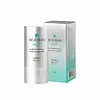
This chemical sunscreen covers the full UV range and blocks ~98% of UVB at SPF 50.
This chemical sunscreen covers the full UV range and blocks ~98% of UVB at SPF 50.

What's inside
What's inside
 Key Ingredients
Benefits
Concerns
Ingredients Side-by-side
Methyl Methacrylate Crosspolymer

Synthetic Wax
Abrasive

Coco-Caprylate/Caprate
Emollient
Isopropyl Palmitate
Emollient



Caprylyl Methicone
Skin Conditioning
Homosalate
Skin Conditioning

Ethylhexyl Methoxycinnamate
UV Absorber
Butylene Glycol Dicaprylate/Dicaprate
EmollientSynthetic Fluorphlogopite
Ethylhexyl Salicylate
UV Absorber
Vinyl Dimethicone/Methicone Silsesquioxane Crosspolymer
Tocopheryl Acetate
Antioxidant


Ozokerite
Emulsion StabilisingDiethylamino Hydroxybenzoyl Hexyl Benzoate
UV Filter
Bis-Ethylhexyloxyphenol Methoxyphenyl Triazine
UV Absorber
Dimethicone
Emollient
Gossypium Herbaceum Seed Extract
Skin ConditioningSoluble Collagen
Humectant

Caprylyl Glycol
Emollient
Bisabolol
Antioxidant


Polyglyceryl-4 Diisostearate/Polyhydroxystearate/Sebacate
Emulsifying
Triethoxycaprylylsilane
Tocopherol
Antioxidant
Hydrolyzed DNA
Skin ConditioningWater
Skin ConditioningHydrolyzed Lupine Protein
Skin ConditioningHyaluronic Acid
Humectant
Glycerin
Humectant
Butylene Glycol
Humectant
1,2-Hexanediol
Skin Conditioning
Gluconolactone
Chelating



Sodium Starch Octenylsuccinate
AbsorbentCalcium Gluconate
HumectantParfum
Masking

Sodium Benzoate
Masking
Methyl Methacrylate Crosspolymer, Synthetic Wax, Coco-Caprylate/Caprate, Isopropyl Palmitate, Caprylyl Methicone, Homosalate, Ethylhexyl Methoxycinnamate, Butylene Glycol Dicaprylate/Dicaprate, Synthetic Fluorphlogopite, Ethylhexyl Salicylate, Vinyl Dimethicone/Methicone Silsesquioxane Crosspolymer, Tocopheryl Acetate, Ozokerite, Diethylamino Hydroxybenzoyl Hexyl Benzoate, Bis-Ethylhexyloxyphenol Methoxyphenyl Triazine, Dimethicone, Gossypium Herbaceum Seed Extract, Soluble Collagen, Caprylyl Glycol, Bisabolol, Polyglyceryl-4 Diisostearate/Polyhydroxystearate/Sebacate, Triethoxycaprylylsilane, Tocopherol, Hydrolyzed DNA, Water, Hydrolyzed Lupine Protein, Hyaluronic Acid, Glycerin, Butylene Glycol, 1,2-Hexanediol, Gluconolactone, Sodium Starch Octenylsuccinate, Calcium Gluconate, Parfum, Sodium Benzoate
Water
Skin ConditioningButylene Glycol
Humectant
Alcohol
Antimicrobial

Ethylhexyl Salicylate
UV Absorber
Homosalate
Skin Conditioning
Dibutyl Adipate
EmollientBis-Ethylhexyloxyphenol Methoxyphenyl Triazine
UV Absorber
Cyclopentasiloxane
Emollient
Methylene Bis-Benzotriazolyl Tetramethylbutylphenol
UV Filter
Polysilicone-15
UV Filter
Diethylamino Hydroxybenzoyl Hexyl Benzoate
UV Filter
Hexyl Benzoate
Perfuming
Centella Asiatica Extract
Cleansing
Portulaca Oleracea Extract
Skin Conditioning
Houttuynia Cordata Extract
Skin Conditioning
Pearl Extract
Antioxidant
Caulerpa Lentillifera Extract
Sea Water
HumectantUndaria Pinnatifida Extract
Skin ConditioningEcklonia Cava Extract
Skin Conditioning
Enteromorpha Compressa Extract
Skin Protecting
Laminaria Japonica Extract
Skin Protecting
Codium Fragile Extract
Skin Conditioning
Ceteth-10
EmulsifyingTromethamine
BufferingDecyl Glucoside
Cleansing
Acrylates/C10-30 Alkyl Acrylate Crosspolymer
Emulsion StabilisingCarbomer
Emulsion StabilisingCaprylic/Capric Triglyceride
Masking
Cetyl PEG/PPG-10/1 Dimethicone
Emulsifying
Propanediol
Solvent
Propylene Glycol
Humectant
1,2-Hexanediol
Skin Conditioning
Xanthan Gum
EmulsifyingSodium Hyaluronate
Humectant
Sodium Acetylated Hyaluronate
Humectant
Ethylhexylglycerin
Skin ConditioningHydrolyzed Hyaluronic Acid
Humectant
Parfum
Masking
Phenoxyethanol
Preservative
Butylphenyl Methylpropional
Perfuming
Linalool
Perfuming
Water, Butylene Glycol, Alcohol, Ethylhexyl Salicylate, Homosalate, Dibutyl Adipate, Bis-Ethylhexyloxyphenol Methoxyphenyl Triazine, Cyclopentasiloxane, Methylene Bis-Benzotriazolyl Tetramethylbutylphenol, Polysilicone-15, Diethylamino Hydroxybenzoyl Hexyl Benzoate, Hexyl Benzoate, Centella Asiatica Extract, Portulaca Oleracea Extract, Houttuynia Cordata Extract, Pearl Extract, Caulerpa Lentillifera Extract, Sea Water, Undaria Pinnatifida Extract, Ecklonia Cava Extract, Enteromorpha Compressa Extract, Laminaria Japonica Extract, Codium Fragile Extract, Ceteth-10, Tromethamine, Decyl Glucoside, Acrylates/C10-30 Alkyl Acrylate Crosspolymer, Carbomer, Caprylic/Capric Triglyceride, Cetyl PEG/PPG-10/1 Dimethicone, Propanediol, Propylene Glycol, 1,2-Hexanediol, Xanthan Gum, Sodium Hyaluronate, Sodium Acetylated Hyaluronate, Ethylhexylglycerin, Hydrolyzed Hyaluronic Acid, Parfum, Phenoxyethanol, Butylphenyl Methylpropional, Linalool
Reviews
Ingredients Explained
These ingredients are found in both products.
Ingredients higher up in an ingredient list are typically present in a larger amount.
1,2-Hexanediol is a synthetic liquid and another multi-functional powerhouse.
It is a:
- Humectant, drawing moisture into the skin
- Emollient, helping to soften skin
- Solvent, dispersing and stabilizing formulas
- Preservative booster, enhancing the antimicrobial activity of other preservatives
This ingredient is better known as bemotrizinol or Tinosorb S and is one of the best broad-spectrum UV filters in modern sunscreen.
It works by absorbing UV light across a whole range (280-400 nm) with peaks around 310 nm (UVB) and 340-345 nm (UVA). This means it covers UVB plus the deeper UVA wavelengths that drive photoaging and pigmentation.
Another pro?
It's exceptionally photostable, barely degrades in sunlight, and acts as a "bodyguard" for less stable filters.
That's why you'll see it paired with avobenzone or octinoxate; this team up ensures they keep working through sun exposure.
Safety reviews have been reassuring across the board. This ingredient shows low absorption through the skin, rarely irritates, and lab studies found it doesn't act like a hormone in the body (a concern that's been raised about some older sunscreen filters).
On maximum concentrations:
In 2026, the US F.D.A finally added it as an OTC sunscreen ingredient at concentrations up to 6% for adults / children 6 months and older
Learn more about Bis-Ethylhexyloxyphenol Methoxyphenyl TriazineButylene Glycol (or BG) is used within cosmetic products for a few different reasons:
Overall, Butylene Glycol is a safe and well-rounded ingredient that works well with other ingredients.
Though this ingredient works well with most skin types, some people with sensitive skin may experience a reaction such as allergic rashes, closed comedones, or itchiness.
Learn more about Butylene GlycolDiethylamino Hydroxybenzoyl Hexyl Benzoate (DHHB) is a chemical UV-A absorber. It is formulated for high UVA protection (320-400 nm).
DHHB is well-liked for:
DHHB has been approved by the EU, Japan, Taiwan, and South America for use up to 10%. Unfortunately, it has not been approved for use in the US or Canada due to slow regulatory processes.
This ingredient is soluble in oils, fats, and lipids.
Learn more about Diethylamino Hydroxybenzoyl Hexyl BenzoateEthylhexyl Salicylate (also called Octisalate or Octyl Salicylate) is an oil-soluble organic UV filter that's been used in sunscreen since the 1950's.
It absorbs UVB light in the 280-320 nm range with a peak absorbance around 306 nm.
You'll often see it paired with other UV filters to boost overall SPF because octisalate is a fairly week filter on its own.
The reason you'll see it so often is because it can help solubilize and stabilize the trickier filters like oxybenzone and avobenzone.
Unlike these filters, octisalate has pretty good photostability and doesn't create skin-damaging free radicals when exposed to sunlight.
The fatty-alcohol part of the molecule also gives it a light, emollient feel so it doubles as a nice texture enhancer.
Usage levels vary around the world:
Safety-wise, this ingredient has a pretty reassuring track record. The EU's Scientific Committee on Consumer Products (SCCP) found very low skin penetration in human skin tests and negative results for irritation, phototoxicity, and photoallergy.
The real-world allergy risk is pretty low too; a 2012 European study of 1,031 people recorded only 2 reactions to it (a rate of 0.19%).
You might have seen scary headlines about sunscreen getting into your blood.
In 2019, the FDA found that several chemical filters can absorb through the skin and show up in the bloodstream at small but measurable levels.
Here's the important part: these tiny levels are just a cutoff the FDA uses to decide which ingredients need more testing and doesn't mean anything harmful was found.
The researchers were clear that the results are no reason to stop wearing sunscreen.
Learn more about Ethylhexyl SalicylateHomosalate is an oil-soluble organic UVB filter that has been a sunscreen staple for decades. Its job is to absorb UVB rays (~295-315 nm) and protect your skin against sunburn,
This is one of the more photostable organic UV filters; it holds up pretty well under UV and a 2022 quantum-chemistry study found it stays stable in sunlight.
It's actually so reliable that formulators often pair it with shakier ingredients like oxybenzone and avobenzone. Formulators also use it to help dissolve the other UV filters into the oil phase.
One thing to keep in mind: "stable" isn't the same as "strong". On its own, homosalate is actually a pretty weak UV filter so it's better off as a helpful team player that helps boost overall SPF protection.
The safety picture is a bit nuanced but not scary.
This ingredient has a long track record of being gentle and regulators agree it isn't an irritant; EU's Scientific Committee on Consumer Safety found that homosalate is not considered a skin irritant and doesn't raise eye-irritation flags either.
There's talk about homosalate because your skin absorbs a little bit of it into your bloodstream. A 2020 FDA-backed study found homosalate showed up in people's blood levels at the level where the FDA decides to double check.
The EU's Scientific Committee on Consumer Safety (SCCS) also found small amounts in blood and breast milk. They estimated that about 5% of what you apply gets absorbed through the skin.
Due to the debate about whether it might mess with hormones, the SCCS recommended a maximum limit of 0.5% in most products of 7.3% in face creams/pump sprays.
One important thing to keep in mind: in the US, Homosalate is currently labeled "non-GRASE" by the FDA. This sounds alarming but really just means the FDA wants more data to confirm it's safe. It's not confidently saying this ingredient is harmful.
As of now, homosalate is still completely legal and widely used while that research gets done.
The current maximum limits are:
Learn more about HomosalateParfum is a catch-all term for an ingredient or more that is used to give a scent to products.
Also called "fragrance", this ingredient can be a blend of hundreds of chemicals or plant oils. This means every product with "fragrance" or "parfum" in the ingredients list is a different mixture.
For instance, Habanolide is a proprietary trade name for a specific aroma chemical. When used as a fragrance ingredient in cosmetics, most aroma chemicals fall under the broad labeling category of “FRAGRANCE” or “PARFUM” according to EU and US regulations.
The term 'parfum' or 'fragrance' is not regulated in many countries. In many cases, it is up to the brand to define this term.
For instance, many brands choose to label themselves as "fragrance-free" because they are not using synthetic fragrances. However, their products may still contain ingredients such as essential oils that are considered a fragrance by INCI standards.
One example is Calendula flower extract. Calendula is an essential oil that still imparts a scent or 'fragrance'.
Depending on the blend, the ingredients in the mixture can cause allergies and sensitivities on the skin. Some ingredients that are known EU allergens include linalool and citronellol.
Parfum can also be used to mask or cover an unpleasant scent.
The bottom line is: not all fragrances/parfum/ingredients are created equally. If you are worried about fragrances, we recommend taking a closer look at an ingredient. And of course, we always recommend speaking with a professional.
Learn more about ParfumWater. It's the most common cosmetic ingredient of all. You'll usually see it at the top of ingredient lists, meaning that it makes up the largest part of the product.
So why is it so popular? Water most often acts as a solvent - this means that it helps dissolve other ingredients into the formulation.
You'll also recognize water as that liquid we all need to stay alive. If you see this, drink a glass of water. Remember to stay hydrated!
Learn more about Water

