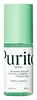
This calming serum is formulated around Centella Asiatica Extract and Niacinamide to calm redness and strengthen the skin barrier.
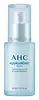
This hydrating serum is formulated around Niacinamide and Sodium Hyaluronate to hydrate skin and strengthen the skin barrier.

What's inside
What's inside
 Key Ingredients
Benefits
Concerns
Ingredients Side-by-side
Water
Skin ConditioningGlycerin
Humectant


Dipropylene Glycol
HumectantPropanediol
Solvent
Centella Asiatica Extract
Cleansing



Butylene Glycol
Humectant
Niacinamide
Smoothing





1,2-Hexanediol
Skin Conditioning
Sodium Hyaluronate
Humectant
Panthenol
Skin Conditioning
Madecassoside
Antioxidant
Asiaticoside
Antioxidant
Madecassic Acid
Skin Conditioning
Asiatic Acid
Skin Conditioning
Allantoin
Skin Conditioning
Centella Asiatica Callus Extracellular Vesicles
Palmitoyl Tetrapeptide-7
Skin Conditioning
Palmitoyl Hexapeptide-12
Skin Conditioning
Palmitoyl Tripeptide-1
Skin Conditioning
Palmitoyl Dipeptide-10
Skin Conditioning
Carbomer
Emulsion StabilisingPolyglyceryl-10 Laurate
Skin Conditioning

Polyglyceryl-10 Myristate
Skin Conditioning
Hydrolyzed Jojoba Esters
Skin Conditioning
Tromethamine
BufferingEthylhexylglycerin
Skin ConditioningXanthan Gum
EmulsifyingDipotassium Glycyrrhizate
Humectant
Adenosine
Skin Conditioning
Disodium EDTA
ChelatingSucrose Stearate
EmollientGlyceryl Stearate
Emollient
Hydrogenated Lecithin
Emulsifying
Polyglyceryl-10 Stearate
Skin Conditioning
Ceramide NP
Skin Conditioning
Camellia Sinensis Leaf Extract
Antimicrobial
Pancratium Maritimum Extract
BleachingWater, Glycerin, Dipropylene Glycol, Propanediol, Centella Asiatica Extract, Butylene Glycol, Niacinamide, 1,2-Hexanediol, Sodium Hyaluronate, Panthenol, Madecassoside, Asiaticoside, Madecassic Acid, Asiatic Acid, Allantoin, Centella Asiatica Callus Extracellular Vesicles, Palmitoyl Tetrapeptide-7, Palmitoyl Hexapeptide-12, Palmitoyl Tripeptide-1, Palmitoyl Dipeptide-10, Carbomer, Polyglyceryl-10 Laurate, Polyglyceryl-10 Myristate, Hydrolyzed Jojoba Esters, Tromethamine, Ethylhexylglycerin, Xanthan Gum, Dipotassium Glycyrrhizate, Adenosine, Disodium EDTA, Sucrose Stearate, Glyceryl Stearate, Hydrogenated Lecithin, Polyglyceryl-10 Stearate, Ceramide NP, Camellia Sinensis Leaf Extract, Pancratium Maritimum Extract
Butylene Glycol
Humectant
Glycerin
Humectant
Dipropylene Glycol
HumectantNiacinamide
Smoothing
Codium Tomentosum Extract
Skin ProtectingEnteromorpha Compressa Extract
Skin Protecting

Undaria Pinnatifida Extract
Skin ConditioningGlycereth-25 PCA Isostearate
Emulsifying
Ethylhexyl Palmitate
Emollient
Artemisia Princeps Leaf Extract
Skin ConditioningCarbomer
Emulsion StabilisingTromethamine
BufferingXanthan Gum
EmulsifyingCetyl Ethylhexanoate
EmollientHydroxyethylcellulose
Emulsion StabilisingEthylhexylglycerin
Skin ConditioningMaris Aqua
HumectantParfum
Masking


Adenosine
Skin Conditioning
Polyglyceryl-10 Oleate
Skin Conditioning
Biosaccharide Gum-1
Humectant
Disodium EDTA
ChelatingTrehalose
Humectant
Sodium Hyaluronate
Humectant
Hydrogenated Lecithin
Emulsifying
Propanediol
Solvent
Caprylic/Capric Triglyceride
Masking
Zinc PCA
Humectant
Butyrospermum Parkii Butter
Skin Conditioning
Myrothamnus Flabellifolia Leaf/Stem Extract
HumectantCeramide NP
Skin Conditioning
Cholesterol
Emollient
Ceramide As
Skin Conditioning
Ceramide Ns
Skin Conditioning
Ascorbic Acid
Antioxidant
Citric Acid
Buffering
Ceramide AP
Skin Conditioning
Eucalyptus Globulus Leaf Extract
Perfuming
Asiaticoside
Antioxidant
Asiatic Acid
Skin Conditioning
Phytosphingosine
Skin Conditioning
Madecassic Acid
Skin Conditioning
Magnesium PCA
Humectant
Sodium Lactate
Buffering
Copper Tripeptide-1
Skin Conditioning
Serine
Masking
Sucrose
Humectant
Urea
Buffering
Glycine
Buffering
Calcium Chloride
AstringentPotassium Hydroxide
BufferingOrnithine
Skin ConditioningMaris Sal
Skin ConditioningAlanine
Masking
Magnesium Chloride
Threonine
Histidine
Humectant
Aspartic Acid
Masking
Butylene Glycol, Glycerin, Dipropylene Glycol, Niacinamide, Codium Tomentosum Extract, Enteromorpha Compressa Extract, Undaria Pinnatifida Extract, Glycereth-25 PCA Isostearate, Ethylhexyl Palmitate, Artemisia Princeps Leaf Extract, Carbomer, Tromethamine, Xanthan Gum, Cetyl Ethylhexanoate, Hydroxyethylcellulose, Ethylhexylglycerin, Maris Aqua, Parfum, Adenosine, Polyglyceryl-10 Oleate, Biosaccharide Gum-1, Disodium EDTA, Trehalose, Sodium Hyaluronate, Hydrogenated Lecithin, Propanediol, Caprylic/Capric Triglyceride, Zinc PCA, Butyrospermum Parkii Butter, Myrothamnus Flabellifolia Leaf/Stem Extract, Ceramide NP, Cholesterol, Ceramide As, Ceramide Ns, Ascorbic Acid, Citric Acid, Ceramide AP, Eucalyptus Globulus Leaf Extract, Asiaticoside, Asiatic Acid, Phytosphingosine, Madecassic Acid, Magnesium PCA, Sodium Lactate, Copper Tripeptide-1, Serine, Sucrose, Urea, Glycine, Calcium Chloride, Potassium Hydroxide, Ornithine, Maris Sal, Alanine, Magnesium Chloride, Threonine, Histidine, Aspartic Acid
Reviews
Ingredients Explained
These ingredients are found in both products.
Ingredients higher up in an ingredient list are typically present in a larger amount.
Adenosine is a purine nucleoside that your body already makes in every cell. In skincare, it acts mainly as a skin conditioning and anti-aging agent.
The way it works is fairly well mapped out:
Your skin has cells called fibroblasts that build collagen (the stuff that keeps skin firm and smooth). Adenosine basically flips a switch on these cells that tells them to get to work making more collagen and other proteins. These cells slow down on their own as skin ages, so Adenosine helps give them a little nudge to keep going.
The clinical backing is pretty solid too.
A blind, randomized, placebo-controlled trial of 126 women aged 45-65 tested a 0.1% cream twice daily and found real improvements in crow's feet and frown lines using a precise 3D skin-mapping technique; these changes showed up by week 3 and held at 2 months.
A later study using Adenosine-loaded dissolving microneedle patches reported gains in wrinkle depth, dermal density, elasticity, and hydration.
On concentrations, South Korea's Ministry of Food and Drug Safety has set 0.04% as the approved functional anti-wrinkle level. You'll typically see this ingredient used somewhere in the 0.04-0.1% range since it works at low doses.
This ingredient has been found safe for cosmetics with the data showing no irritation or sensitization.
Overall, this is a great ingredient for any anti-aging routine and has no photosensitizing effect, so it suits both AM and PM use.
Learn more about AdenosineAsiatic Acid is one of the four main actives found in Centella Asiatica. Its headline job is stimulating collagen.
Lab tests on human skin cells show Asiatic Acid tells your skin to make more collagen, the protein that keeps skin firm and bouncy.
It also calms inflammation and acts as an antioxidant so it can help skin heal faster, rebuild itself, and repair a damaged barrier.
And on naming, even though "acid" is in the name, it's nothing like an AHA or BHA exfoliant. It's a gentle firming and soothing ingredient that supports your skin barrier.
Concentration-wise, Asiatic Acid is potent at very low doses and usually shows up as a small fraction of a broader centella extract.
Analyses of centella material put Asiatic Acid reported in the range of 0.2-3% of the extract.
This ingredient is non-sensitizing and guinea pig sensitization testing also found it to be a weak sensitizer. That means the risk of acquiring contact sensitivty is quite low.
Allergic contact dermatitis does exist but is also very rare; documented cases tend to involve prolonged use on broken skin plus co-sensitization to fragrance ingredients.
Learn more about Asiatic AcidAsiaticoside comes from the super popular skin-soothing ingredient, Centella asiatica. It's the reason centella-based products have a strong reputation for repairing and calming skin, along with its sibling compound Madecassoside.
Research from 2016-2025 supports its role in:
You'll usually find this in concentrations between 0.2-5%.
Learn more about AsiaticosideButylene Glycol (or BG) is used within cosmetic products for a few different reasons:
Overall, Butylene Glycol is a safe and well-rounded ingredient that works well with other ingredients.
Though this ingredient works well with most skin types, some people with sensitive skin may experience a reaction such as allergic rashes, closed comedones, or itchiness.
Learn more about Butylene GlycolCarbomer is a synthetic thickening and gelling agent. It's basically the ingredient that gives a lot of serums, gels, creams, and sunscreens their smooth, non-sticky texture.
Although legally permitted at very high levels, carbomers are normally used at concentrations below 1%.
It also needs to be neutralized to actually thicken, and because it is a large molecule, it doesn't really penetrate the skin barrier.
Allergy-wise, the risk is very low. Clinical studies show carbomers have low potential for skin irritation/sensitization even at concentrations up to 100%.
A 2024 UK study patch-tested 1,302 patients and found true allergy to the parent group of carbomer to be rare with no confirmed relevant reactions.
Learn more about CarbomerCeramide NP (formerly known as Ceramide 3) is one of the skin's naturally occurring lipids.
Since ceramides are the major lipid components of the skin, they are crucial for maintaining skin barrier and hydration. Ceramide NP most closely mirrors the dominant kind in human skin amongst ceramide subtypes.
This ceramide works by slotting into gaps within the stratum corneum's lipid matrix to limit trans-epidermal water loss (TEWL) and shield the skin against external irritants.
A study with 312 patients found that using a ceramide-containing routine for 4 weeks reduced the severity of atopic dermatitis by over 61%.
Another clinical study in subjects aged 60 and older found that a ceramide body wash and moisturizer improved skin dryness and itchy skin in 15 days.
Overall, ceramides are considered non-irritating and safety tests have found little to no observable adverse effects from using this ingredient.
Ceramide NP is usually sourced from plants (like soybean or rice bran), or produced synthetically.
Learn more about Ceramide NPDipropylene Glycol is a synthetically created humectant, stabilizer, and solvent.
This ingredient helps:
Dipropylene glycol is technically an alcohol, but it belongs to the glycol family (often considered part of the ‘good’ alcohols). This means it is hydrating and gentle on skin unlike drying solvent alcohols like denatured alcohol.
As a masking agent, Dipropylene Glycol can be used to cover the smell of other ingredients. However, it does not have a scent.
Studies show Dipropylene Glycol is considered safe to use in skincare.
Learn more about Dipropylene GlycolDisodium EDTA is a chelating agent. It grabs onto and deactivates metal ions that sneak into your products from water, packaging, or air.
This ingredient mainly works behind the scenes and helps with:
On top of that, this ingredient can counteract the effects of hard water by binding to the minerals in it.
One thing worth knowing is that Disodium EDTA has been shown to be a mild penetration enhancer. It can help other ingredients absorb into skin more effectively which can be a double-edged sword (great for actives, but can also make the active too strong if you have sensitive skin).
Clinical patch testing showed no significant skin irritation at typical use concentrations and minimal dermal absorption.
You'll most likely see this ingredient near the end of an ingredient list. It's typically found in concentrations less than 1%.
Learn more about Disodium EDTAEthylhexylglycerin is created from glycerin. It is a multitasker ingredient that:
The CIR Expert Panel found minimal skin absorption or sensitization of any kind in a safety assessment. Though this ingredient is considered well-tolerated, a small number of cases of allergic dermatitis have been published since 2002. Just be sure to patch test if you are unsure.
Industry-reported use ranges from 8% in rinse-off products and 2% in leave-on formulations.
Learn more about EthylhexylglycerinGlycerin (or glycerol) is a compound naturally found in your skin. It's a powerhouse humectant that pulls water into the stratum corneum.
Topically, glycerin does several things at once:
Your skin makes glycerin on its own (mostly from sebaceous oil breakdown) and shuttles it to your outermost layer of skin, or your epidermis, via aquaporin-3.
Aquaporin-3 is a transporter that is essential for normal skin hydration, elasticity, and repair. Interestingly, mice lacking in AQP3 have dry and less elastic skin that can be fully corrected with glycerin.
This ingredient is non-irritating, plays well with almost every ingredient, and works across all skin types. Typical use is anywhere between 3-10% but can go up to 79% in some leave-on products.
Just know very high concentrations (>40%) can feel tacky in low humidity.
Glycerin is the name for this ingredient in American English. British English uses Glycerol/Glycerine.
Learn more about GlycerinHydrogenated Lecithin is a more stable version of lecithin.
It's made by taking lecithin (a phospholipid commonly found in soybeans and egg yolks) and hydrogenating it. This just means the unsaturated fatty acids are turned into saturated ones so they don't go bad as easily.
This ingredient is an emollient, emulsifier, and penetration enhancer. As an emollient, it helps soften and hydrate skin by trapping moisture within. As an emulsifier, it prevents oil and water ingredients from separating.
Hydrogenated Lecithin can form tiny spherical structures made of phospholipid bilayers called liposomes. These liposomes are able to capture compounds inside their structure and deliver them through the skin barrier.
Because phospholipids are a natural component of our cell membranes, this ingredient is inherently compatible with skin.
A 2021 study found lecithin-based surfactants were less harsh and more tolerable comared to Sodium Lauryl Sulfate (SLS).
Learn more about Hydrogenated LecithinMadecassic Acid is one of the four star actives in Centella Asiatica. In skincare, it earns its keep as a calming and repairing ingredient.
It works through the same core pathways as the rest of the centella family.
First, it turns down inflammation so it helps with things like redness and general upset skin.
Second, it acts as an antioxidant which means it helps protect skin from daily stress and damage.
And third, it nudges the skin to make more collagen and rebuild its support structure.
That combination is why the whole Centella family is known for calming skin, strengthening the barrier, fading redness, and giving anti-aging benefits.
It's worth being honest about the evidence here; a lot of the strongest data is on the full extract or a Madecassoside/Asiaticoside rather than Madecassic Acid alone. Reviewers also note more long-term clinical trials are needed to confirm the full potential.
Concentration-wise, this ingredient is rarely used pure and usually shows up as part of a standardized centella extract where reported content ranges from 0.02-3.06%.
Finished products typically run somewhere in the 0.1-10% range depending on the format.
In real-world tolerance tests, a repeat-insult patch test on an eye lotion with 0.2% Centella extract showed no irritation or allergic contact dermatitis in 54 subjects. And a mascara with 0.5% Madecassoside caused neither irritation nor sensitization in 109 subjects.
Allergy risk is very low, but not zero. Centella and its constituents are classified as weak contact sensitizers and some rare cases of allergic contact dermatitis exist.
Learn more about Madecassic AcidNiacinamide is a multitasking form of vitamin B3 that strengthens the skin barrier, reduces pores and dark spots, regulates oil, and improves signs of aging.
And the best part? It's gentle and well-tolerated by most skin types, including sensitive and reactive skin.
You might have heard of "niacin flush", or the reddening of skin that causes itchiness. Niacinamide has not been found to cause this.
In very rare cases, some individuals may not be able to tolerate niacinamide at all or experience an allergic reaction to it.
If you are experiencing flaking, irritation, and dryness with this ingredient, be sure to double check all your products as this ingredient can be found in all categories of skincare.
When incorporating niacinamide into your routine, look out for concentration amounts. Typically, 5% niacinamide provides benefits such as fading dark spots. However, if you have sensitive skin, it is better to begin with a smaller concentration.
When you apply niacinamide to your skin, your body converts it into nicotinamide adenine dinucleotide (NAD). NAD is an essential coenzyme that is already found in your cells as "fuel" and powers countless biological processes.
In your skin, NAD helps repair cell damage, produce new healthy cells, support collagen production, strengthen the skin barrier, and fight environmental stressors (like UV and pollution).
Our natural NAD levels start to decline with age, leading to slower skin repair, visible aging, and a weaker skin barrier. By providing your skin niacinamide, you're recharging your skin's NAD levels. This leads to stronger, healthier, and younger looking skin.
Another name for vitamin B3 is nicotinamide. This vitamin is water-soluble and our bodies don't store it. We obtain Vitamin B3 from either food or skincare. Meat, fish, wheat, yeast, and leafy greens contain vitamin B3.
The type of niacinamide used in skincare is synthetically created.
Learn more about NiacinamidePropanediol is an all-star ingredient. It softens, hydrates, and smooths the skin.
It’s often used to:
Propanediol is not likely to cause sensitivity and considered safe to use. It is derived from corn or petroleum with a clear color and no scent.
Learn more about PropanediolSodium Hyaluronate is the salt form of hyaluronic acid. It is a long sugar chain that is naturally found in your skin, joints, and connective tissue that maintains hydration and elasticity.
In skincare, it works as a humectant. It pulls water from the environment and deeper layers of skin and binds it to the surface.
Interestingly, the size of the molecule affects its behavior:
Some clinical evidence links low molecular weight versions to improved wrinkle depth, elasticity, anti-inflammatory effects, and barrier repair.
Many serums use a blend of both weights so you can get surface hydration plus longer-lasting and deeper effects.
You'll typically see concentrations between 0.1-2% for this ingredient.
Learn more about Sodium HyaluronateTromethamine (aka THAM) is a synthetic amino acid that shows up in skincare as a helper ingredient.
It functions as a pH adjuster to help neutralize acidic ingredients and set a formula's pH to the right spot.
This matters a lot because a lot of actives (like vitamin C) needs a specific pH to work well and feel comfortable on skin.
Concentration use ranges from 0.1-1.0% depending on the formula.
Learn more about TromethamineXanthan gum is used as a stabilizer and thickener within cosmetic products. It helps give products a sticky, thick feeling - preventing them from being too runny.
On the technical side of things, xanthan gum is a polysaccharide - a combination consisting of multiple sugar molecules bonded together.
Xanthan gum is a pretty common and great ingredient. It is a natural, non-toxic, non-irritating ingredient that is also commonly used in food products.
Learn more about Xanthan Gum

