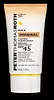
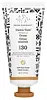
Peter Thomas Roth Max Mineral Tinted Sunscreen Broad Spectrum SPF 45 Versus Drunk Elephant Umbra Tinte Mineral Cream SPF 30
This hybrid sunscreen covers the full UV range and blocks ~98% of UVB at SPF 45.
This mineral sunscreen covers the full UV range and blocks ~97% of UVB at SPF 30.

What's inside
What's inside
 Key Ingredients
Benefits
Concerns
Ingredients Side-by-side
Titanium Dioxide 1.93%
Cosmetic Colorant

Zinc Oxide 19.24%
Cosmetic Colorant
Water
Skin ConditioningButyloctyl Salicylate
Skin Conditioning
C9-12 Alkane
SolventCarthamus Tinctorius Oleosomes
Emollient

Isodecyl Neopentanoate
EmollientDicaprylyl Carbonate
EmollientCetyl Alcohol
Emollient

Coco-Caprylate/Caprate
Emollient
Propanediol
Solvent

Ethylhexyl Olivate
Skin Conditioning
Glyceryl Stearate
Emollient
PEG-100 Stearate
Surfactant
Cetearyl Olivate
Stearyl Phosphate
Emulsifying
Triethoxycaprylylsilane

Phenoxyethanol
Preservative
Oleth-3 Phosphate
SurfactantSorbitan Olivate
Emulsifying
Hdi/Trimethylol Hexyllactone Crosspolymer
Alumina
Abrasive
Xanthan Gum
EmulsifyingPolymethylsilsesquioxane
Polyhydroxystearic Acid
Emulsifying
Squalane
Emollient
Gluconolactone
Chelating





Sodium Phytate
ChelatingIsopropyl Titanium Triisostearate
Emollient
Sodium Benzoate
Masking
Hydrogen Dimethicone
Potassium Sorbate
Preservative
Silica
Abrasive
Tocopheryl Acetate
Antioxidant

Ascorbic Acid
Antioxidant

Diamond Powder
Abrasive
Iron Oxides
Mica
Cosmetic ColorantTitanium Dioxide 1.93%, Zinc Oxide 19.24%, Water, Butyloctyl Salicylate, C9-12 Alkane, Carthamus Tinctorius Oleosomes, Isodecyl Neopentanoate, Dicaprylyl Carbonate, Cetyl Alcohol, Coco-Caprylate/Caprate, Propanediol, Ethylhexyl Olivate, Glyceryl Stearate, PEG-100 Stearate, Cetearyl Olivate, Stearyl Phosphate, Triethoxycaprylylsilane, Phenoxyethanol, Oleth-3 Phosphate, Sorbitan Olivate, Hdi/Trimethylol Hexyllactone Crosspolymer, Alumina, Xanthan Gum, Polymethylsilsesquioxane, Polyhydroxystearic Acid, Squalane, Gluconolactone, Sodium Phytate, Isopropyl Titanium Triisostearate, Sodium Benzoate, Hydrogen Dimethicone, Potassium Sorbate, Silica, Tocopheryl Acetate, Ascorbic Acid, Diamond Powder, Iron Oxides, Mica
Zinc Oxide 20%
Cosmetic Colorant
Water
Skin ConditioningEthylhexyl Olivate
Skin Conditioning
Squalane
Emollient
C9-12 Alkane
SolventPropanediol
Solvent
Polyglyceryl-3 Diisostearate
Emulsifying


Glycerin
Humectant
Polyglyceryl-6 Polyricinoleate
Emulsifying
Silica
Abrasive
Disteardimonium Hectorite
StabilisingLauroyl Lysine
Skin Conditioning
Kaolin
Abrasive
Sclerocarya Birrea Seed Oil
Humectant
Camellia Sinensis Seed Oil
Humectant
Coco-Caprylate/Caprate
Emollient
Rubus Idaeus Seed Oil
Emollient
Simmondsia Chinensis Seed Oil
Emollient
Acacia Senegal Gum
MaskingSilybum Marianum Fruit Extract
Skin Conditioning
Tetrahexyldecyl Ascorbate
Antioxidant
Vitis Vinifera Juice Extract
Antioxidant
C12-15 Alkyl Benzoate
AntimicrobialHaematococcus Pluvialis Extract
Antioxidant
Ubiquinone
Antioxidant
Astaxanthin
Skin Conditioning
Dextrin
AbsorbentSea Water
HumectantBrassica Campestris Seed Oil
Skin Conditioning
Tocopheryl Acetate
Antioxidant
Potassium Sorbate
Preservative
Chlorphenesin
Antimicrobial
Sea Salt
Abrasive
Sodium Benzoate
Masking
Tetrasodium Glutamate Diacetate
ChelatingPhenoxyethanol
Preservative
Sodium Hydroxide
BufferingTocopherol
Antioxidant
Iron Oxides
Zinc Oxide 20%, Water, Ethylhexyl Olivate, Squalane, C9-12 Alkane, Propanediol, Polyglyceryl-3 Diisostearate, Glycerin, Polyglyceryl-6 Polyricinoleate, Silica, Disteardimonium Hectorite, Lauroyl Lysine, Kaolin, Sclerocarya Birrea Seed Oil, Camellia Sinensis Seed Oil, Coco-Caprylate/Caprate, Rubus Idaeus Seed Oil, Simmondsia Chinensis Seed Oil, Acacia Senegal Gum, Silybum Marianum Fruit Extract, Tetrahexyldecyl Ascorbate, Vitis Vinifera Juice Extract, C12-15 Alkyl Benzoate, Haematococcus Pluvialis Extract, Ubiquinone, Astaxanthin, Dextrin, Sea Water, Brassica Campestris Seed Oil, Tocopheryl Acetate, Potassium Sorbate, Chlorphenesin, Sea Salt, Sodium Benzoate, Tetrasodium Glutamate Diacetate, Phenoxyethanol, Sodium Hydroxide, Tocopherol, Iron Oxides
Reviews
Ingredients Explained
These ingredients are found in both products.
Ingredients higher up in an ingredient list are typically present in a larger amount.
C9-12 Alkane is synethically created using alkanes, or paraffins. It is added to products as a solvent. This means its main purpose is to help dissolve ingredients and create even texture.
Coco-Caprylate/Caprate is a lightweight ester created from coconut oil fatty acids, caprylic acid, and capric acid.
It is an emollient that helps soften skin and reduce transepidermal water loss (TEWL). What sets it apart from heavier emollients is its ultralight, non-greasy feel.
Once applied, this ingredient dries down quickly and leaves a dry, silky finish behind. This also helps improve spreadability and texture.
This ingredient has an excellent safety-record and is non-irritating.
Typical concentrations for cosmetics range from 0.5-62%.
Research on Malassezia growth found no growth on fatty acid esters with chain lengths shorter than 12 carbons (it prefers C11-24).
Since Coco-Caprylate/Caprate is built on C8 and C10 fatty acids, it is out of the range that Malassezia metabolizes, and therefore safe for fungal acne.
Learn more about Coco-Caprylate/CaprateEthylhexyl Olivate isn't fungal acne safe.
Phenoxyethanol is one of the most widely used preservatives in skincare (and for good reason!).
It has a large spectrum of antimicrobial activity and especially effective bacteria, yeast, and mold while only having a weak effect on your skin's natural microbiome.
On a cellular level, it disrupts the cell membranes of microbes by poking holes that make the cell leak. This shuts down the chemical reactions the microbe needs to make energy so it can no longer survive.
Another perk of this ingredient is that it stays functional across a wide pH range (3-10).
You'll often see it paired with boosters like Ethylhexylglycerin; one study showed that a 1:9 ratio of Ethylhexylglycerin to Phenoxyethanol damages bacterial membranes as effectively as doubling the Phenoxyethanol concentration on its own.
Typical use concentrations range from 0.3-1% depending on the formula, and this ingredient is capped at 1% int the EU.
Safety-wise, the fear mongering does not hold up to the evidence. The EU's Scientific Committee on Consumer Safety and FDA consider it safe as a preservative at up to 1%, including for children of all ages.
Adverse systemic effects only showed up in animal studies at exposures roughly 200x higher than what people get from cosmetics. And despite its very widespread use, this ingredient is a rare sensitizer and allergic reactions are uncommon.
Learn more about PhenoxyethanolPotassium Sorbate is a preservative used to prevent yeast and mold in products. It is commonly found in both cosmetic and food products.
This ingredient comes from potassium salt derived from sorbic acid. Sorbic acid is a natural antibiotic and effective against fungus.
Both potassium sorbate and sorbic acid can be found in baked goods, cheeses, dried meats, dried fruit, ice cream, pickles, wine, yogurt, and more.
You'll often find this ingredient used with other preservatives.
Learn more about Potassium SorbatePropanediol is an all-star ingredient. It softens, hydrates, and smooths the skin.
It’s often used to:
Propanediol is not likely to cause sensitivity and considered safe to use. It is derived from corn or petroleum with a clear color and no scent.
Learn more about PropanediolSilica, also known as silicon dioxide, is a naturally occurring mineral. It is used as a fine, spherical, and porous powder in cosmetics.
Though it has exfoliant properties, the function of silica varies depending on the product.
The unique structure of silica enhances the spreadability and adds smoothness, making it a great texture enhancer.
It is also used as an active carrier, emulsifier, and mattifier due to its ability to absorb excess oil.
In some products, tiny microneedles called spicules are made from silica or hydrolyzed sponge. When you rub them in, they lightly polish away dead skin layers and enhance the penetration of active ingredients.
Learn more about SilicaSodium Benzoate is a preservative. It's used in both cosmetic and food products to inhibit the growth of mold and bacteria. It is typically produced synthetically.
Both the US FDA and EU Health Committee have approved the use of sodium benzoate. In the US, levels of 0.1% (of the total product) are allowed.
Sodium benzoate works as a preservative by inhibiting the growth of bacteria inside of cells. It prevents the cell from fermenting a type of sugar using an enzyme called phosphofructokinase.
It is the salt of benzoic acid. Foods containing sodium benzoate include soda, salad dressings, condiments, fruit juices, wines, and snack foods.
Studies for using ascorbic acid and sodium benzoate in cosmetics are lacking, especially in skincare routines with multiple steps.
We always recommend speaking with a professional, such as a dermatologist, if you have any concerns.
Learn more about Sodium BenzoateSqualane is the hydrogenated and shelf-stable form of squalene (a lipid that naturally occurs in human sebum).
It is an emollient and skin conditioning agent that is able to integrate seamlessly into the skin's lipid barrier without clogging pores.
This is due to how structurally similar it is to what your skin already produces.
Though it is mostly an emollient that helps soften and hydrate skin, it also has some humectant and occlusive action. Humectants help the skin retain moisture while occlusives seal it in, making squalane a triple-threat moisturizer.
Research shows it has antioxidant capabilities that help protect against stressors like UV exposure, specifically UVA induced oxidative stress. This study also found that it supports collagen biosynthesis in human dermal fibroblasts.
No clinical study has reported significant adverse effects and irritation reactions are very rare from this ingredient (even at 100% concentration).
Overall, it's a fantastic ingredient for hydration and is suitable for all skin types.
This depends on the source. Squalane can be derived from both plants and animals. Most squalane used in skincare comes from plants.
Please note: the source of squalane is only known if disclosed by the brand. We recommend reaching out to the brand if you have any questions about their squalane.
Read more about squalene with an "e".
Though squalane is often called an oil, it’s technically not one. It is a hydrocarbon, meaning it is only made of carbon and hydrogen. True oils are triglycerides and made of fatty acids and glycerol.
The term “oil-free” isn’t regulated so companies can define it however they want. Some exclude all oils, while others just avoid mineral oil or comedogenic oils.
Squalane has a comedogenic rating of 1 from the original 1972 study that tested raw ingredients under occlusion on rabbit ears. This system is not standardized or peer-reviewed, and using the raw ingredients is very different from how diluted cosmetic formulations are used on human skin.
A comedogenic rating of 1 means it is "unlikely to clog pores" according to the original rating system.
The overall formula of a product matters more than the individual ingredients on whether or not it will cause clogged pores.
Learn more about SqualaneTocopheryl Acetate is a stable, shelf-friendly form of vitamin E.
Formulators love it because plain vitamin E oxidizes quickly once it hits air. This acetate version stays stable and resists going off, helping to extend a product's shelf life.
It's actually inactive on its own and works like a slow-release "storage" form; the enzymes in your skin called esterases gradually convert it into active vitamin E over time.
One in vivo study showed 5% of the acetate in the living layer of the epidermis converted to vitamin E after 5 days of application. This study also found the skin gained protection against UV damage even though the conversion was slow and small.
Once converted, vitamin E acts as a skin's main fat-soluble antioxidant that fights free radicals to protect skin from damage.
Topical vitamin E generally boosts the skin's photoprotection, and it reduced UV-damage in animal models.
This ingredient has some brightening potential but it's more of a prevention ingredient than spot-fader. Cell studies show it can slow down melanin production but it's worth noting that it's not the most powerful brightener out there.
Overall, it has a pretty solid safety profile and has been found to be non-irritating and non-comedogenic. Allergic reactions may happen but stay rare due to how widely the ingredient gets used.
The concentration will vary depending on the formula; industry data shows 0.1% in baby lotions, 3% in lipsticks, and 5% in foot powders. You can also find this ingredient at 100% in a pure vitamin E oil.
Most leave-on skincare keeps it at the lower end, often between 0.5-1%.
Learn more about Tocopheryl AcetateWater. It's the most common cosmetic ingredient of all. You'll usually see it at the top of ingredient lists, meaning that it makes up the largest part of the product.
So why is it so popular? Water most often acts as a solvent - this means that it helps dissolve other ingredients into the formulation.
You'll also recognize water as that liquid we all need to stay alive. If you see this, drink a glass of water. Remember to stay hydrated!
Learn more about WaterZinc Oxide (ZO) is a mineral broad-spectrum UV filter and the broadest-spectrum filter recognized by the FDA. It covers everything from UVB through to long-wave UVA.
On top of sun protection, it has skin protectant and skin-soothing properties too.
Here's a myth worth busting: mineral filters are usually described as working by "reflecting" or "bouncing" UV off your skin.
That's mostly not true: when researchers actually measured it, ZO and Titanium Dioxide reflect only about 4-5% of UV (less than SPF 2 worth of protection).
The vast majority of the work (~95%) is done by absorption, similar to chemical UV filters. ZO is a semiconductor that absorbs UV photos through its energy band gap.
So the old "physical blocker vs. chemical absorber" framing is really an oversimplification.
Zinc Oxide is one of the most effective broad-spectrum UV filters out there. It protects across UVB, UVA2, and UVA1 with a flat, even absorption curve across the whole UVA-UVB range.
That uniform UVA coverage is its standout feature; titanium dioxide skews more toward UVB as its particle size drops so ZO gives more consistent and extended UVA protection.
It's also very photostable. As an inorganic oxide, ZO doesn't break down in sunlight the way some organic filters can, so it holds up over a day of wear.
This ingredient is gentle and soothing, making it go-to for sunscreens aimed at sensitive skin, rosacea, or ecezma-prone skin, babies, and children.
It's also unlikely to cause the "eye sting" that some sunscreen ingredients are known for, and regulatory agencies broadly consider it non-toxic and safe for topical use.
Beyond sun protection, ZO is also a recognized OTC skin protectant. It forms a breathable barrier that shields skin from moisture and irritation while supporting healing. This is why you'll see it as a classic active in diaper rash creams.
The only downside to ZO is that it can leave a visible white cast, especially on deeper skin tones. This is the main reason mineral sunscreens have historically felt less cosmetically elegant than chemical or hybrid formulas.
Zinc Oxide comes in both non-nano and nano forms. The dividing line is 100nm and anything under is classified as a nanomaterial by the EU.
The nano version scatters less visible light which cuts down white case and gives a lighter, more wearable texture.
Another thing worth understanding about formulation:
Uncoated ZO has some inherent photocatalytic activity. This just means it can generate reactive oxygen species under UV. It's exactly why cosmetic-grade ZO is almost always surface-coated; this coating suppresses that reactivity and improves how the powder disperses and feels.
A well-formulated coated ZO largely sidesteps this issue.
Zinc Oxide is commonly used anywhere from 10% up to the regulatory maximum in sunscreens (25%).
Mineral-only broad-spectrum products often land in the 15-25% range to hit higher SPF and UVA values. Keep in mind SPF performance depends heavily on particle size, dispersion, and the rest of the formula, and not just the percentage.
As an OTC skin protectant like diaper creams, ZO typically runs higher at roughly 10-40%.
This ingredient is generally easy to work with and doesn't photodegrade.
The only thing to know is that uncoated ZO can be a bit reactive in a formula.
Under UV, it can break down sensitive ingredients like other actives or UV filters. This is another reason coated versions are standard. ZO can also react with very acidic ingredients or throw off stability of some creams. A good formula will get around this with the right coatings and dispersion.
The EU's Scientific Committee on Consumer Safety has concluded that ZO nanoparticles "can be considered to not pose any risk of adverse effects in humans after application on healthy, intact or sunburnt skin".
You might hear that ZO is "toxic"; this is because an in-vitro (test tube) study suggested micronized ZO had potential phototoxicity. In vivo (human) investigations have disputed this and the results have come back reassuring.
So does ZO penetrate skin? The short answer is no, not in any way that matters.
The most relevant evidence comes from real-world human studies: in one, volunteers applied ZO nanoparticle sunscreen hourly for six hours and daily for five days. The advanced imaging showed the particles stayed on the surface and never reached the living epidermis, and no cellular toxicity was found.
Other in-vivo and ex-vivo work agree; ZO nanoparticles don't cross the stratum corneum, even on flexed, massaged, or barrier-impaired skin.
A small amount of solubilized zinc ions can dissolve off the particles and enter the upper skin. But the quantities are tiny compared to the zinc already naturally present in your body, and studies haven't found this to cause local toxicity.
The sunscreen bans you've heard of (like Hawaii's) are aimed at two chemical filters, Oxybenzone and Octinoxate. ZO itself it not banned and is often recommended instead.
So far, there's no solid evidence that any form of ZO harms reefs. It is an ongoing and active area of study, and worth keeping an eye on.
If you're traveling somewhere with these rules, a non-nano mineral sunscreen is the safe bet.
Learn more about Zinc OxideThis ingredient is a combination of red, black, and yellow iron oxide pigments. This combination of colors is usually found in foundation, because it results in a "skin" color.
The EU typically uses CI numbers for colorants when applicable, such as CI 77489. In the US, iron oxides are regulated as color additives and "iron oxides" is the most commonly used name in US cosmetic practice.
A 2021 paper looked at skincare formulations containing iron oxides and found that they reduced transmission of blue light when measured optically. In simple terms, the pigment particles helped block or scatter part of the visible light spectrum in lab testing and the authors suggest this could translate into better protection against blue-light-related skin effects.
There is also clinical and experimental research showing that tinted products containing iron oxides can reduce visible light-induced pigmentation:
Please note, whether a product reduces visible or blue light depends on things like:
In the EU's CosIng database, iron oxides are only listed as a colorant. CosIng groups ingredients by their main cosmetic role, such as colorant, preservative, or UV filter.
Though studies say iron oxides can "attenuate blue light", they're describing an optical property and not an officially recognized cosmetic function.
So CosIng isn’t contradicting the research. It’s just classifying iron oxides by what they officially are: pigments that add color.
Learn more about Iron Oxides

