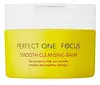
This oil-based makeup remover is made to dissolve makeup, sunscreen, and daily buildup.
This oil-based makeup remover is made to dissolve makeup, sunscreen, and daily buildup.

What's inside
What's inside
 Key Ingredients
Benefits
Concerns
Ingredients Side-by-side
Ethylhexyl Palmitate
Emollient




PEG-20 Glyceryl Triisostearate
Emollient
Caprylic/Capric Triglyceride
Masking


Hydrogenated Polyisobutene
EmollientSynthetic Wax
Abrasive
Dipentaerythrityl Hexahydroxystearate/Hexastearate/Hexarosinate
Skin ConditioningPEG-5 Glyceryl Triisostearate
Emollient
Kaolin
Abrasive


Talc
Abrasive
Citrus Aurantium Dulcis Peel Oil
Masking

Phenoxyethanol
Preservative
Citrus Aurantium Bergamia Fruit Oil
Masking


Tocopherol
Antioxidant





Silica Dimethyl Silylate
EmollientWater
Skin ConditioningButylene Glycol
Humectant
Macadamia Ternifolia Seed Oil
Emollient
Vitis Vinifera Seed Oil
Emollient
Chenopodium Quinoa Seed Extract
Skin Conditioning
Papain
Skin Conditioning

Salvia Hispanica Seed Oil
Emollient
Inositol
Humectant
Sapindus Trifoliatus Fruit Extract
Skin ConditioningAdansonia Digitata Seed Oil
Emollient
Squalane
Emollient
Isostearic Acid
Cleansing
Silica
Abrasive
Potassium Cocoyl Hydrolyzed Collagen
Skin Conditioning
Behenyl Alcohol
Emollient
Hydrolyzed Collagen
Emollient
Myristyl 3-Glyceryl Ascorbate
Antioxidant
Hydroxyproline
Skin ConditioningIsostearoyl Hydrolyzed Collagen
Cleansing
Citrus Reticulata Peel Extract
Skin ConditioningCitrus Aurantifolia Juice
CleansingCysteine/Oligomeric Proanthocyanidin
Skin ConditioningCitrus Aurantium Dulcis Juice
Skin ConditioningPvp
Emulsion StabilisingAlgin
MaskingCitrus Aurantium Bergamia Fruit Extract
Skin ConditioningHydroxyethylcellulose
Emulsion StabilisingCitrus Limon Juice
Skin Conditioning
Polyepsilon-Lysine
Skin ConditioningSoluble Collagen
Humectant
Pyrus Malus Fruit Extract
Skin Conditioning
Ziziphus Jujuba Fruit Extract
Skin ConditioningCrataegus Cuneata Fruit Extract
Skin ConditioningCitrus Paradisi Fruit Extract
Skin ConditioningSuccinoyl Atelocollagen
Skin Conditioning
Hamamelis Virginiana Leaf Extract
Skin Conditioning
Chitosan
Cynara Scolymus Leaf Extract
Skin ConditioningLithospermum Erythrorhizon Root Extract
Skin ConditioningCetearyl Glucoside
Emulsifying
Sodium Polygamma-Glutamate
Emulsion StabilisingSodium Hyaluronate
Humectant
Polyglutamic Acid
Skin Conditioning
Ethylhexyl Palmitate, PEG-20 Glyceryl Triisostearate, Caprylic/Capric Triglyceride, Hydrogenated Polyisobutene, Synthetic Wax, Dipentaerythrityl Hexahydroxystearate/Hexastearate/Hexarosinate, PEG-5 Glyceryl Triisostearate, Kaolin, Talc, Citrus Aurantium Dulcis Peel Oil, Phenoxyethanol, Citrus Aurantium Bergamia Fruit Oil, Tocopherol, Silica Dimethyl Silylate, Water, Butylene Glycol, Macadamia Ternifolia Seed Oil, Vitis Vinifera Seed Oil, Chenopodium Quinoa Seed Extract, Papain, Salvia Hispanica Seed Oil, Inositol, Sapindus Trifoliatus Fruit Extract, Adansonia Digitata Seed Oil, Squalane, Isostearic Acid, Silica, Potassium Cocoyl Hydrolyzed Collagen, Behenyl Alcohol, Hydrolyzed Collagen, Myristyl 3-Glyceryl Ascorbate, Hydroxyproline, Isostearoyl Hydrolyzed Collagen, Citrus Reticulata Peel Extract, Citrus Aurantifolia Juice, Cysteine/Oligomeric Proanthocyanidin, Citrus Aurantium Dulcis Juice, Pvp, Algin, Citrus Aurantium Bergamia Fruit Extract, Hydroxyethylcellulose, Citrus Limon Juice, Polyepsilon-Lysine, Soluble Collagen, Pyrus Malus Fruit Extract, Ziziphus Jujuba Fruit Extract, Crataegus Cuneata Fruit Extract, Citrus Paradisi Fruit Extract, Succinoyl Atelocollagen, Hamamelis Virginiana Leaf Extract, Chitosan, Cynara Scolymus Leaf Extract, Lithospermum Erythrorhizon Root Extract, Cetearyl Glucoside, Sodium Polygamma-Glutamate, Sodium Hyaluronate, Polyglutamic Acid
Ethylhexyl Palmitate
Emollient
PEG-20 Glyceryl Triisostearate
Emollient
Synthetic Wax
Abrasive
PEG-10 Isostearate
Emulsifying
Caprylic/Capric Triglyceride
Masking
Hydrogenated Castor Oil Dimer Dilinoleate
Skin Conditioning
Helianthus Annuus Seed Wax
Skin Conditioning
Honey
Humectant
Papain
Skin Conditioning
Argania Spinosa Kernel Oil
Emollient
Hydrolyzed Hyaluronic Acid
Humectant
Citrus Limon Juice
Skin Conditioning
Prunus Yedoensis Leaf Extract
Skin ConditioningPyrus Malus Fruit Extract
Skin Conditioning
Citrus Grandis Fruit Extract
Astringent
Citrus Aurantifolia Juice
CleansingZiziphus Jujuba Fruit Extract
Skin ConditioningCrataegus Cuneata Fruit Extract
Skin ConditioningCitrus Aurantium Dulcis Juice
Skin ConditioningTocopherol
Antioxidant
Panthenol
Skin Conditioning
Retinyl Palmitate
Skin Conditioning
Ascorbyl Tetraisopalmitate
Antioxidant
Tocopheryl Acetate
Antioxidant
Zea Mays Oil
Emulsifying
Microcrystalline Wax
Emulsion StabilisingPhytosteryl/Isostearyl/Cetyl/Stearyl/Behenyl Dimer Dilinoleate
Skin Conditioning
Silica Dimethyl Silylate
EmollientDextrin
AbsorbentPolyglyceryl-2 Triisostearate
Emulsifying
Iron Oxides
Water
Skin ConditioningButylene Glycol
Humectant
Phenoxyethanol
Preservative
Parfum
Masking
Ethylhexyl Palmitate, PEG-20 Glyceryl Triisostearate, Synthetic Wax, PEG-10 Isostearate, Caprylic/Capric Triglyceride, Hydrogenated Castor Oil Dimer Dilinoleate, Helianthus Annuus Seed Wax, Honey, Papain, Argania Spinosa Kernel Oil, Hydrolyzed Hyaluronic Acid, Citrus Limon Juice, Prunus Yedoensis Leaf Extract, Pyrus Malus Fruit Extract, Citrus Grandis Fruit Extract, Citrus Aurantifolia Juice, Ziziphus Jujuba Fruit Extract, Crataegus Cuneata Fruit Extract, Citrus Aurantium Dulcis Juice, Tocopherol, Panthenol, Retinyl Palmitate, Ascorbyl Tetraisopalmitate, Tocopheryl Acetate, Zea Mays Oil, Microcrystalline Wax, Phytosteryl/Isostearyl/Cetyl/Stearyl/Behenyl Dimer Dilinoleate, Silica Dimethyl Silylate, Dextrin, Polyglyceryl-2 Triisostearate, Iron Oxides, Water, Butylene Glycol, Phenoxyethanol, Parfum
Ingredients Explained
These ingredients are found in both products.
Ingredients higher up in an ingredient list are typically present in a larger amount.
Butylene Glycol (or BG) is used within cosmetic products for a few different reasons:
Overall, Butylene Glycol is a safe and well-rounded ingredient that works well with other ingredients.
Though this ingredient works well with most skin types, some people with sensitive skin may experience a reaction such as allergic rashes, closed comedones, or itchiness.
Learn more about Butylene GlycolCaprylic/Capric Triglyceride (aka MCT Oil) is a lightweight emollient, solvent, and texture enhancer. It is considered a skin-softener by helping to prevent moisture loss.
Though it behaves like an oil, it is not technically one due to its chemical composition. One perk of this ingredient is that it is very stable, resistant to oxidation, and unlikely to go rancid.
In practice, that translates to a long shelf life and a consistently elegant skin feel.
While there is an assumption Caprylic Triglyceride can clog pores due to it being derived from coconut oil, there is no research supporting this. Just patch test if you have concerns.
Fractionated coconut oil and MCT Oil are both listed as Caprylic/Capric Triglyceride according to INCI. This is because INCI names are based on the ingredient’s final chemical composition and not its marketing name or source.
This ingredient is treated as the gold standard fungal acne safe oil. Even though it is coconut derived, the problematic lauric acid is stripped out.
This leaves just caprylic (C8) and capric (C10) acid. These chain lengths actually trend antifungal; a 2020 study found caprylic acid was enough to disrupt Malassezia furfur cell membrane, with a caprylic acid derivative damaging membrane structures at concentrations as low as 0.2%.
Learn more about Caprylic/Capric TriglycerideWe don't have a description for Citrus Aurantifolia Juice yet.
Citrus Aurantium Dulcis Juice comes from oranges native to Southeast Asia.
The bitter orange possesses antibacterial and antioxidant properties.
It can also be mildly exfoliating due to the citric acid, an AHA.
Citrus fruits are rich in flavonoids, alkaloids, and vitamin C.
Learn more about Citrus Aurantium Dulcis JuiceCitrus Limon juice is also lemon juice.
While lemon juice contains antioxidants and vitamins, it can sensitize the skin.
The acidity of lemons may work as an astringent for acne. This can cause sensitivity. Lemon juice can also increase photosensitivity, or sensitivity to the sun.
Learn more about Citrus Limon JuiceWe don't have a description for Crataegus Cuneata Fruit Extract yet.
Ethylhexyl Palmitate, also known as octyl palmitate, is created from 2-ethylhexyl alcohol and palmitic acid.
In cosmetics, it plays many roles:
One thing worth noting: a controlled study found this ingredient applied under occlusion to acne-prone subjects increased microcomedones. Just keep in mind this was under occlusive conditions and don't reflect how most products are used day-to-day.
For most people, this is a well-tolerated and lightweight ingredient.
This ingredient may not be fungal acne safe because it is an ester of palmitic acid, a C16 fatty acid that falls within the C11-24 range that Malassezia can metabolize.
You'll see this one rated 4 comedogenic all over the internet. That number isn't from a single study, and the actual research is more interesting.
The original rating comes from 1980s rabbit ear tests (which are a shaky basis for anything). But Ethylhexyl Palmitate is one of the few ingredients with real human data behind it. A 2021 controlled trial found this ingredient increased microcomedones by an average of 365% over four weeks.
Just know that test used the pure ingredient under an occlusive pad on back skin; most products use it at much lower levels alongside other ingredients and plenty of people use those with no issue.
Learn more about Ethylhexyl PalmitatePapain is a proteolytic enzyme extracted from unripe papaya fruit. It is a gentle exfoliator that helps remove the dead skin cells from your outermost layer of skin.
Basically, papain works by dissolving the "glue" holding dead skin cells to your skin's surface. This also promotes cell turnover and smooths texture.
Unlike other exfoliants, papain can work without causing significant irritation.
Beyond exfoliation, its proteolytic action also helps soothe irritated skin and supports the healing of minor wounds.
A 2024 in vivo/in vitro study confirmed its potential to suppress skin inflammation and improve transepidermal water loss (TEWL) in atopic dermatitis models.
Just one thing worth noting: there are reports of allergic responses in individuals with a papaya or latex sensitivity. Be sure to patch test if you're in this camp.
Learn more about PapainPEG-20 Glyceryl Triisostearate is a synthetic, oil-loving helper ingredient that does two jobs:
This ingredient is made by joining three building blocks: PEG, Isostearic Acid and glycerin. The PEG gives it the oil-and-water blending power.
This ingredient has been found safe for use in cosmetics and broader PEG family testing shows minimal irritation/sensitization. The molecule's large size also means it isn't expected to penetrate skin to any meaningful degree.
Fungal acne note: This ingredient may not be fungal acne safe due to isostearic acid (C18). Isostearic acid falls into the C11-24 range that Malassezia can feed on.
Learn more about PEG-20 Glyceryl TriisostearatePhenoxyethanol is one of the most widely used preservatives in skincare (and for good reason!).
It has a large spectrum of antimicrobial activity and especially effective bacteria, yeast, and mold while only having a weak effect on your skin's natural microbiome.
On a cellular level, it disrupts the cell membranes of microbes by poking holes that make the cell leak. This shuts down the chemical reactions the microbe needs to make energy so it can no longer survive.
Another perk of this ingredient is that it stays functional across a wide pH range (3-10).
You'll often see it paired with boosters like Ethylhexylglycerin; one study showed that a 1:9 ratio of Ethylhexylglycerin to Phenoxyethanol damages bacterial membranes as effectively as doubling the Phenoxyethanol concentration on its own.
Typical use concentrations range from 0.3-1% depending on the formula, and this ingredient is capped at 1% int the EU.
Safety-wise, the fear mongering does not hold up to the evidence. The EU's Scientific Committee on Consumer Safety and FDA consider it safe as a preservative at up to 1%, including for children of all ages.
Adverse systemic effects only showed up in animal studies at exposures roughly 200x higher than what people get from cosmetics. And despite its very widespread use, this ingredient is a rare sensitizer and allergic reactions are uncommon.
Learn more about PhenoxyethanolPyrus Malus Fruit Extract is extract from Apples. Apples are rich in Vitamin C, sugars, and antioxidants.
The sugar in Apples are humectants and help hydrate the skin. On top of that, apples also contain some acids, such as malic acid. These acids may have a mild exfoliating effect.
Last, the phytochemicals found in apples are strong antioxidants. These antioxidants help with anti-aging as they protect your skin cells against oxidative damage.
Learn more about Pyrus Malus Fruit ExtractThis silica is mainly used to thicken oils and suspend particles in oils. It is not water soluble.
According to the manufacturer, it:
The manufacturer also claims this ingredient to be useful in makeup.
In lipstick formulations, this ingredient improves color payoff, reduces pigment settling, and reduces oil bleeding. This ingredient also improves the grip of powder products such as dry shampoos.
Learn more about Silica Dimethyl SilylateSynthetic Wax is a manufactured hydrocarbon wax. In formulas, it works as an occlusive emollient that helps reduce water loss and improves the spreadability of products.
Research comparing synthetic wax to traditional mineral-derived products found that formulas containing it perform as well for skin hydration.
It is considered non-comedogenic and vegan-friendly.
This ingredient has a well-established safety record by the CIR Expert Panel for Cosmetic Ingredient Safety.
Synthetic Waxes are straight/branched-chain hydrocarbons with no ester bond or fatty acids. That means there is nothing for the Malassezia yeast to feed on.
Learn more about Synthetic WaxTocopherol is a fat-soluble antioxidant known as Vitamin E.
You'll find this ingredient in the vast majority of skincare (for good reason). It works to neutralize free radicals, or unstable molecules generated by UV exposure, pollution, and other environmental stressors, before they can cause oxidative damage to your skin cells.
Topically applied tocopherol has been shown to protect against UV damage by ramping up the skin's own natural defense enzymes.
It also acts as a skin conditioning agent; some studies show that regular topical use can improve the skin's water-binding capacity over 2-4 weeks.
This ingredient is especially loved for being a team player. When combined with Vitamin C, the photoprotective effect of both ingredients roughly doubles and the combo also helps reduce UV-induced DNA damage.
This ingredient has some brightening potential but it's more of a prevention ingredient than spot-fader. Cell studies show it can slow down melanin production but it's worth noting that it's not the most powerful brightener out there.
In formulations, it also serves as a stabilizer that helps protect other oxidation-prone ingredients from degrading.
Concentrations usually range from 0.1-1% in most leave-on products.
Learn more about TocopherolWater. It's the most common cosmetic ingredient of all. You'll usually see it at the top of ingredient lists, meaning that it makes up the largest part of the product.
So why is it so popular? Water most often acts as a solvent - this means that it helps dissolve other ingredients into the formulation.
You'll also recognize water as that liquid we all need to stay alive. If you see this, drink a glass of water. Remember to stay hydrated!
Learn more about WaterWe don't have a description for Ziziphus Jujuba Fruit Extract yet.


