

What's inside
What's inside
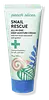 Key Ingredients
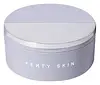
Benefits
Concerns
Ingredients Side-by-side
Snail Secretion Filtrate
Skin Conditioning





Water
Skin ConditioningHydrogenated Polydecene
EmollientGlycerin
Humectant
Cetearyl Olivate

Propanediol
Solvent
Butyrospermum Parkii Butter
Skin Conditioning

Jojoba Esters
Emollient
Hyaluronic Acid
Humectant

Hydrolyzed Hyaluronic Acid
Humectant
Sodium Hyaluronate
Humectant
Cetearyl Alcohol
Emollient

Centella Asiatica Extract
Cleansing
Centella Asiatica Leaf Extract
Skin Conditioning
Centella Asiatica Root Extract
Skin Conditioning
Asiatic Acid
Skin Conditioning
Asiaticoside
Antioxidant
Madecassic Acid
Skin Conditioning
Madecassoside
Antioxidant
Betula Alba Juice
AstringentSqualane
Emollient
Sorbitan Olivate
Emulsifying
Glyceryl Stearate
Emollient
Butylene Glycol
Humectant
Carbomer
Emulsion StabilisingHydroxyethylcellulose
Emulsion StabilisingPhytosteryl Macadamiate
Skin Conditioning
Tocopherol
Antioxidant


Ethylhexylglycerin
Skin Conditioning1,2-Hexanediol
Skin Conditioning
Hydrolyzed Malt Extract
Skin ConditioningTrisodium Ethylenediamine Disuccinate
Sorbitan Isostearate
Emulsifying
C18-36 Acid Triglyceride
EmollientTromethamine
BufferingHydroxyethyl Acrylate/Sodium Acryloyldimethyl Taurate Copolymer
Emulsion StabilisingGlycyrrhiza Glabra Root Extract
Bleaching
Synthetic Beeswax
Emulsion Stabilising
Hydrolyzed Viola Tricolor Extract
Skin ProtectingHydrolyzed Gardenia Florida Extract
Antioxidant
C12-18 Acid Triglyceride
EmollientPhytosterols
Skin Conditioning
Pinus Pinaster Bark Extract
Antioxidant
Biosaccharide Gum-1
Humectant
Snail Secretion Filtrate, Water, Hydrogenated Polydecene, Glycerin, Cetearyl Olivate, Propanediol, Butyrospermum Parkii Butter, Jojoba Esters, Hyaluronic Acid, Hydrolyzed Hyaluronic Acid, Sodium Hyaluronate, Cetearyl Alcohol, Centella Asiatica Extract, Centella Asiatica Leaf Extract, Centella Asiatica Root Extract, Asiatic Acid, Asiaticoside, Madecassic Acid, Madecassoside, Betula Alba Juice, Squalane, Sorbitan Olivate, Glyceryl Stearate, Butylene Glycol, Carbomer, Hydroxyethylcellulose, Phytosteryl Macadamiate, Tocopherol, Ethylhexylglycerin, 1,2-Hexanediol, Hydrolyzed Malt Extract, Trisodium Ethylenediamine Disuccinate, Sorbitan Isostearate, C18-36 Acid Triglyceride, Tromethamine, Hydroxyethyl Acrylate/Sodium Acryloyldimethyl Taurate Copolymer, Glycyrrhiza Glabra Root Extract, Synthetic Beeswax, Hydrolyzed Viola Tricolor Extract, Hydrolyzed Gardenia Florida Extract, C12-18 Acid Triglyceride, Phytosterols, Pinus Pinaster Bark Extract, Biosaccharide Gum-1
Water
Skin ConditioningGlycerin
Humectant
Caprylic/Capric Triglyceride
Masking
Dicaprylyl Carbonate
EmollientGlycereth-26
Humectant
Niacinamide
Smoothing



Hyaluronic Acid
Humectant
Sodium Hyaluronate
Humectant
Panthenol
Skin Conditioning
Tocopheryl Acetate
Antioxidant
Citrullus Lanatus Seed Oil
Emollient
Backhousia Citriodora Leaf Extract
AstringentCereus Grandiflorus Flower Extract
Skin ConditioningHovenia Dulcis Fruit Extract
Skin ConditioningAdansonia Digitata Seed Oil
Emollient
Adansonia Digitata Fruit Extract
EmollientCamellia Sinensis Leaf Extract
Antimicrobial
Aloe Barbadensis Leaf Juice
Skin Conditioning
Simmondsia Chinensis Seed Oil
Emollient
Tocopherol
Antioxidant
Phospholipids
Skin Conditioning
Hydrolyzed Jojoba Esters
Skin Conditioning
Cetearyl Glucoside
Emulsifying
Glyceryl Caprylate
EmollientGlyceryl Undecylenate
Emollient
Polyglyceryl-3 Methylglucose Distearate
Emulsifying
Hydroxyethyl Acrylate/Sodium Acryloyldimethyl Taurate Copolymer
Emulsion StabilisingCetearyl Alcohol
Emollient
Ammonium Acryloyldimethyltaurate/Beheneth-25 Methacrylate Crosspolymer
Emulsion StabilisingPentaerythrityl Tetra-Di-T-Butyl Hydroxyhydrocinnamate
Antioxidant
Polysorbate 60
Emulsifying
Sorbitan Isostearate
Emulsifying
Sodium Phytate
Xanthan Gum
EmulsifyingCitric Acid
Buffering

Leuconostoc/Radish Root Ferment Filtrate
Antimicrobial
Hydroxyacetophenone
Antioxidant
Propanediol
Solvent
Butylene Glycol
Humectant
Ethylhexylglycerin
Skin ConditioningPhenoxyethanol
Preservative
Parfum
Masking


Benzyl Salicylate
Perfuming

Hexyl Cinnamal
Perfuming
Linalool
Perfuming
Limonene
Perfuming
CI 14700
Cosmetic ColorantCI 17200
Cosmetic ColorantWater, Glycerin, Caprylic/Capric Triglyceride, Dicaprylyl Carbonate, Glycereth-26, Niacinamide, Hyaluronic Acid, Sodium Hyaluronate, Panthenol, Tocopheryl Acetate, Citrullus Lanatus Seed Oil, Backhousia Citriodora Leaf Extract, Cereus Grandiflorus Flower Extract, Hovenia Dulcis Fruit Extract, Adansonia Digitata Seed Oil, Adansonia Digitata Fruit Extract, Camellia Sinensis Leaf Extract, Aloe Barbadensis Leaf Juice, Simmondsia Chinensis Seed Oil, Tocopherol, Phospholipids, Hydrolyzed Jojoba Esters, Cetearyl Glucoside, Glyceryl Caprylate, Glyceryl Undecylenate, Polyglyceryl-3 Methylglucose Distearate, Hydroxyethyl Acrylate/Sodium Acryloyldimethyl Taurate Copolymer, Cetearyl Alcohol, Ammonium Acryloyldimethyltaurate/Beheneth-25 Methacrylate Crosspolymer, Pentaerythrityl Tetra-Di-T-Butyl Hydroxyhydrocinnamate, Polysorbate 60, Sorbitan Isostearate, Sodium Phytate, Xanthan Gum, Citric Acid, Leuconostoc/Radish Root Ferment Filtrate, Hydroxyacetophenone, Propanediol, Butylene Glycol, Ethylhexylglycerin, Phenoxyethanol, Parfum, Benzyl Salicylate, Hexyl Cinnamal, Linalool, Limonene, CI 14700, CI 17200
Reviews
Ingredients Explained
These ingredients are found in both products.
Ingredients higher up in an ingredient list are typically present in a larger amount.
Butylene Glycol (or BG) is used within cosmetic products for a few different reasons:
Overall, Butylene Glycol is a safe and well-rounded ingredient that works well with other ingredients.
Though this ingredient works well with most skin types, some people with sensitive skin may experience a reaction such as allergic rashes, closed comedones, or itchiness.
Learn more about Butylene GlycolCetearyl alcohol is a waxy mixture of two fatty alcohols: cetyl alcohol and stearyl alcohol. It is an emollient and emulsifier.
Despite having "alcohol" in its name, it has nothing to do with drying solvent alcohols; the FDA also allows "alcohol-free" products to contain fatty alcohols like this ingredient.
It plays several roles in a formula:
Typical use levels for this ingredient sit around 1-10% and the Cosmetic Ingredient Review Expert Panel has affirmed safety at concentrations up to 25% in leave-on products.
Multiple assessments have found it to be non-irritating and non-sensitizing to most people.
However, there have been some cases of allergic contact dermatitis in patients with chronically compromised skin barriers.
Cetearyl alcohol has a comedogenic rating of 2 and irritancy rating of 1. Both of these numbers come from the 1989 study that used rabbit ears; a "2" means mildly comedogenic and a "1" means low irritancy.
Here's the catch: rabbit skin is more sensitive than human skin and throws a lot of false positives. A 1996 reappraisal found that ingredients rated 1-2 in the rabbit ear tests are generally safe for humans.
Remember comedogenic ratings are unable to assess the entire formula of a product or how it will react on your skin. Just be sure to patch test if you are unsure about certain ingredients.
This ingredient is not fungal acne safe. Cetearyl alcohol is a fatty alcohol with chain lengths that fall within the range that Malassezia can metabolize.
Learn more about Cetearyl AlcoholEthylhexylglycerin is created from glycerin. It is a multitasker ingredient that:
The CIR Expert Panel found minimal skin absorption or sensitization of any kind in a safety assessment. Though this ingredient is considered well-tolerated, a small number of cases of allergic dermatitis have been published since 2002. Just be sure to patch test if you are unsure.
Industry-reported use ranges from 8% in rinse-off products and 2% in leave-on formulations.
Learn more about EthylhexylglycerinGlycerin (or glycerol) is a compound naturally found in your skin. It's a powerhouse humectant that pulls water into the stratum corneum.
Topically, glycerin does several things at once:
Your skin makes glycerin on its own (mostly from sebaceous oil breakdown) and shuttles it to your outermost layer of skin, or your epidermis, via aquaporin-3.
Aquaporin-3 is a transporter that is essential for normal skin hydration, elasticity, and repair. Interestingly, mice lacking in AQP3 have dry and less elastic skin that can be fully corrected with glycerin.
This ingredient is non-irritating, plays well with almost every ingredient, and works across all skin types. Typical use is anywhere between 3-10% but can go up to 79% in some leave-on products.
Just know very high concentrations (>40%) can feel tacky in low humidity.
Glycerin is the name for this ingredient in American English. British English uses Glycerol/Glycerine.
Learn more about GlycerinHyaluronic acid (HA) is a glycosaminoglycan (basically a long sugar chain) that your skin already makes on its own. In your skin, HA lives in the extracellular matrix and acts as the body's moisture reservoir.
Topically, HA is a humectant that binds water and helps skin look more plump, smooth, and hydrated.
The only catch is that HA isn't a single thing; it actually comes in a wide range of molecular weights (~50 - 2,000+ kDA) and size matters.
Some clinical evidence links low molecular weight versions to improved wrinkle depth, elasticity, anti-inflammatory effects, and barrier repair.
This is why the best HA serums blend the two sizes together so you get the best of both worlds.
The majority of cosmetic HA is produced by bacterial fermentation, typically using Streptococcus or Bacillus strains. Typical use levels in skincare sit around 0.1-2%.
A clinical study using a 0.2% low-molecular weight HA gel showed improvement in facial seborrheic dermatitis with excellent tolerance.
These are some other common types of Hyaluronic Acid:
Learn more about Hyaluronic AcidThis is a synthetic polymer. It helps improve the texture of products by adding thickness and gel-like feel.
It is also an emulsifer, meaning it prevents ingredients such as oil and water from separating. It also helps evenly disperse other ingredients.
Propanediol is an all-star ingredient. It softens, hydrates, and smooths the skin.
It’s often used to:
Propanediol is not likely to cause sensitivity and considered safe to use. It is derived from corn or petroleum with a clear color and no scent.
Learn more about PropanediolSodium Hyaluronate is the salt form of hyaluronic acid. It is a long sugar chain that is naturally found in your skin, joints, and connective tissue that maintains hydration and elasticity.
In skincare, it works as a humectant. It pulls water from the environment and deeper layers of skin and binds it to the surface.
Interestingly, the size of the molecule affects its behavior:
Some clinical evidence links low molecular weight versions to improved wrinkle depth, elasticity, anti-inflammatory effects, and barrier repair.
Many serums use a blend of both weights so you can get surface hydration plus longer-lasting and deeper effects.
You'll typically see concentrations between 0.1-2% for this ingredient.
Learn more about Sodium HyaluronateSorbitan Isostearate is an emulsifer. It is created from isostearic acid and sorbitol.
As an emulsifier, it keeps the water and oil ingredients from separating. This keeps formulas stable and smooth.
In a 24 hour occlusive patch test on 56 subjects, 10% sorbitan isostearate was completely non-irritating. Most formulas use less than 10%.
Because it's a fatty acid ester, it may not be fungal acne safe since the Malassezia yeast can utilize it as a nutrient source.
Learn more about Sorbitan IsostearateTocopherol is a fat-soluble antioxidant known as Vitamin E.
You'll find this ingredient in the vast majority of skincare (for good reason). It works to neutralize free radicals, or unstable molecules generated by UV exposure, pollution, and other environmental stressors, before they can cause oxidative damage to your skin cells.
Topically applied tocopherol has been shown to protect against UV damage by ramping up the skin's own natural defense enzymes.
It also acts as a skin conditioning agent; some studies show that regular topical use can improve the skin's water-binding capacity over 2-4 weeks.
This ingredient is especially loved for being a team player. When combined with Vitamin C, the photoprotective effect of both ingredients roughly doubles and the combo also helps reduce UV-induced DNA damage.
This ingredient has some brightening potential but it's more of a prevention ingredient than spot-fader. Cell studies show it can slow down melanin production but it's worth noting that it's not the most powerful brightener out there.
In formulations, it also serves as a stabilizer that helps protect other oxidation-prone ingredients from degrading.
Concentrations usually range from 0.1-1% in most leave-on products.
Learn more about TocopherolWater. It's the most common cosmetic ingredient of all. You'll usually see it at the top of ingredient lists, meaning that it makes up the largest part of the product.
So why is it so popular? Water most often acts as a solvent - this means that it helps dissolve other ingredients into the formulation.
You'll also recognize water as that liquid we all need to stay alive. If you see this, drink a glass of water. Remember to stay hydrated!
Learn more about Water
