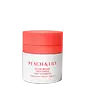
This barrier-repair moisturizer is formulated around Bifida Ferment Filtrate and Ectoin to strengthen the skin barrier and hydrate skin.
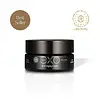
This anti-aging moisturizer is formulated around Ascorbic Acid and Retinyl Palmitate to soften the look of wrinkles.


What's inside
What's inside
 Key Ingredients
Benefits
Concerns
Ingredients Side-by-side
Glycerin
Humectant


Water
Skin ConditioningDipropylene Glycol
HumectantCetearyl Alcohol
Emollient






Coco-Caprylate/Caprate
Emollient
Dicaprylyl Ether
Emollient
1,2-Hexanediol
Skin Conditioning
Dipentaerythrityl Hexahydroxystearate/Hexastearate/Hexarosinate
Skin ConditioningCetearyl Olivate
Cetyl Ethylhexanoate
EmollientBifida Ferment Filtrate
Skin Conditioning
Saccharomyces/Rice Ferment Filtrate
Skin Conditioning
Glycolipids
Skin ConditioningEctoin
Skin Conditioning



Bisabolol
Antioxidant
Ceramide NP
Skin Conditioning
Ceramide AP
Skin Conditioning
Ceramide EOP
Skin Conditioning
Panthenol
Skin Conditioning
Methionine
Skin ConditioningCysteine
Antioxidant
Allantoin
Skin Conditioning
Portulaca Oleracea Extract
Skin Conditioning
Tremella Fuciformis Extract
Humectant
Hydrogenated Phosphatidylcholine
Emulsifying
Phytosphingosine
Skin Conditioning
Cholesterol
Emollient
Tocopherol
Antioxidant


Ferulic Acid
Antimicrobial
Ubiquinone
Antioxidant
Phytosteryl/Octyldodecyl Lauroyl Glutamate
Skin ConditioningMorus Alba Root Extract
BleachingBambusa Vulgaris Extract
Skin Conditioning
Arctium Lappa Root Extract
Skin Conditioning
Scutellaria Baicalensis Root Extract
Astringent
Glucose
Humectant
Cichorium Intybus Root Extract
MaskingAllium Cepa Bulb Extract
Skin Conditioning
Sorbitan Olivate
Emulsifying
Sodium Polyacryloyldimethyl Taurate
Emulsion StabilisingGlyceryl Stearate Se
Emulsifying
Cetearyl Glucoside
Emulsifying
Butylene Glycol
Humectant
Polyglyceryl-10 Stearate
Skin Conditioning
Triethyl Citrate
Masking

Polyglyceryl-6 Behenate
Emulsion Stabilising
Sodium Levulinate
Skin ConditioningBehenic Acid
Cleansing
Glyceryl Stearate
Emollient
Anthemis Nobilis Flower Extract
Masking
Helianthus Tuberosus Root Extract
Skin ConditioningCaprylyl Glycol
Emollient
Sodium Cetearyl Sulfate
Cleansing
Ethylhexylglycerin
Skin ConditioningGlycerin, Water, Dipropylene Glycol, Cetearyl Alcohol, Coco-Caprylate/Caprate, Dicaprylyl Ether, 1,2-Hexanediol, Dipentaerythrityl Hexahydroxystearate/Hexastearate/Hexarosinate, Cetearyl Olivate, Cetyl Ethylhexanoate, Bifida Ferment Filtrate, Saccharomyces/Rice Ferment Filtrate, Glycolipids, Ectoin, Bisabolol, Ceramide NP, Ceramide AP, Ceramide EOP, Panthenol, Methionine, Cysteine, Allantoin, Portulaca Oleracea Extract, Tremella Fuciformis Extract, Hydrogenated Phosphatidylcholine, Phytosphingosine, Cholesterol, Tocopherol, Ferulic Acid, Ubiquinone, Phytosteryl/Octyldodecyl Lauroyl Glutamate, Morus Alba Root Extract, Bambusa Vulgaris Extract, Arctium Lappa Root Extract, Scutellaria Baicalensis Root Extract, Glucose, Cichorium Intybus Root Extract, Allium Cepa Bulb Extract, Sorbitan Olivate, Sodium Polyacryloyldimethyl Taurate, Glyceryl Stearate Se, Cetearyl Glucoside, Butylene Glycol, Polyglyceryl-10 Stearate, Triethyl Citrate, Polyglyceryl-6 Behenate, Sodium Levulinate, Behenic Acid, Glyceryl Stearate, Anthemis Nobilis Flower Extract, Helianthus Tuberosus Root Extract, Caprylyl Glycol, Sodium Cetearyl Sulfate, Ethylhexylglycerin
Water
Skin ConditioningCocos Nucifera Oil
Masking
Caprylic/Capric Triglyceride
Masking
Octyldodecyl Myristate
EmollientDimethicone
Emollient
Glycerin
Humectant
PEG-8 Beeswax
Emulsifying
Human Adipose Stromal Cell Exosomes
Skin ConditioningVitis Vinifera Seed Oil
Emollient
Macadamia Ternifolia Seed Oil
Emollient
Eucalyptus Globulus Leaf Oil
Perfuming


Acrylates/Acrylamide Copolymer
MoisturisingParaffinum Liquidum
Emollient
Polysorbate 85
Emulsifying
Cetyl Alcohol
Emollient
Ceteth-20
CleansingSteareth-20
CleansingPhenoxyethanol
Preservative
Propanediol
Solvent
Glyceryl Stearate
Emollient
Allantoin
Skin Conditioning
Citric Acid
Buffering
Morinda Citrifolia Fruit Juice
Skin ConditioningAgastache Mexicana Flower/Leaf/Stem Extract
Skin ConditioningAlgae Extract
Emollient
Chondrus Crispus Extract
Skin Conditioning
Ulva Lactuca Extract
Skin ConditioningUndaria Pinnatifida Extract
Skin ConditioningLaminaria Digitata Extract
Skin Protecting
Sodium Hyaluronate
Humectant
Ascorbic Acid
Antioxidant

Retinyl Palmitate
Skin Conditioning
Tocopheryl Acetate
Antioxidant
Cholecalciferol
Water, Cocos Nucifera Oil, Caprylic/Capric Triglyceride, Octyldodecyl Myristate, Dimethicone, Glycerin, PEG-8 Beeswax, Human Adipose Stromal Cell Exosomes, Vitis Vinifera Seed Oil, Macadamia Ternifolia Seed Oil, Eucalyptus Globulus Leaf Oil, Acrylates/Acrylamide Copolymer, Paraffinum Liquidum, Polysorbate 85, Cetyl Alcohol, Ceteth-20, Steareth-20, Phenoxyethanol, Propanediol, Glyceryl Stearate, Allantoin, Citric Acid, Morinda Citrifolia Fruit Juice, Agastache Mexicana Flower/Leaf/Stem Extract, Algae Extract, Chondrus Crispus Extract, Ulva Lactuca Extract, Undaria Pinnatifida Extract, Laminaria Digitata Extract, Sodium Hyaluronate, Ascorbic Acid, Retinyl Palmitate, Tocopheryl Acetate, Cholecalciferol
Reviews
Ingredients Explained
These ingredients are found in both products.
Ingredients higher up in an ingredient list are typically present in a larger amount.
Allantoin is a soothing ingredient known for its protective and moisturizing properties; it's basically a quiet workhorse ingredient you can find in a huge range of cosmetics.
Though it can be derived from the comfrey plant, allantoin is produced synthetically for cosmetic products to ensure purity.
Research shows it can encourage your skin cells to turn over and renew by stimulating keratinocyte and fibroblast proliferation.
It also has mild keratolytic properties to help loosen and shed dead skin cells without being harsh.
Studies also suggest allantoin can help calm inflammation by dialing down some of the chemical signals your skin sends out when it is irritated.
This ingredient is typically used in the 0.1-0.5% range, and the FDA recognizes it as a skin protectant in OTC products up to 2%.
Overall, allantoin is a wonderful addition to most routines; it is stable across a wide pH range (~4-8), works well with other ingredients, and is considered non-sensitizing/non-irritating.
Fun fact: Allantoin is naturally occurring in comfrey root, beets, chamomile, and wheat sprouts. Our bodies even produce it as a byproduct of uric acid metabolism.
Learn more about AllantoinGlycerin (or glycerol) is a compound naturally found in your skin. It's a powerhouse humectant that pulls water into the stratum corneum.
Topically, glycerin does several things at once:
Your skin makes glycerin on its own (mostly from sebaceous oil breakdown) and shuttles it to your outermost layer of skin, or your epidermis, via aquaporin-3.
Aquaporin-3 is a transporter that is essential for normal skin hydration, elasticity, and repair. Interestingly, mice lacking in AQP3 have dry and less elastic skin that can be fully corrected with glycerin.
This ingredient is non-irritating, plays well with almost every ingredient, and works across all skin types. Typical use is anywhere between 3-10% but can go up to 79% in some leave-on products.
Just know very high concentrations (>40%) can feel tacky in low humidity.
Glycerin is the name for this ingredient in American English. British English uses Glycerol/Glycerine.
Learn more about GlycerinGlyceryl Stearate is made by reacting glycerin with stearic acid (typically sourced from plant oils like palm or coconut). It's an emulsifier, emollient, and mild occlusive.
Emulsifiers help ingredients like oil and water stay mixed so your formula stays nicely blended and uniform in texture.
This ingredient is typically used in concentrations between 1-10%. Studies have found it to be non-sensitizing, non-phototoxic, and non-photoallergenic.
A close cousin of this ingredient is Glyceryl Stearate SE ("self-emulsifying"). This just has a small amount of sodium or potassium stearate added so it can emulsify without a co-emulsifier.
Since this ingredient is an ester of a C18 fatty acid, it may not be fungal acne safe. The Malassezia yeast can potentially metabolize within the C11-C24 range.
Fun fact: The human body also creates Glyceryl Stearate naturally.
Learn more about Glyceryl StearateWater. It's the most common cosmetic ingredient of all. You'll usually see it at the top of ingredient lists, meaning that it makes up the largest part of the product.
So why is it so popular? Water most often acts as a solvent - this means that it helps dissolve other ingredients into the formulation.
You'll also recognize water as that liquid we all need to stay alive. If you see this, drink a glass of water. Remember to stay hydrated!
Learn more about Water

