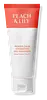
This mild gel cleanser is made to cleanse while calming and soothing your skin.
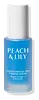
This anti-aging serum is formulated around Copper Tripeptide-1 and Acetyl Hexapeptide-8 to soften the look of wrinkles.

What's inside
What's inside
 Key Ingredients
Benefits
Concerns
Ingredients Side-by-side
Water
Skin ConditioningGlycerin
Humectant


Sorbitol
Humectant
Coco-Glucoside
Cleansing
Tea-Cocoyl Glutamate
Cleansing
Sodium Citrate
BufferingButylene Glycol
Humectant
Camellia Japonica Flower Extract
EmollientCamellia Sinensis Leaf Extract
Antimicrobial






Centella Asiatica Extract
Cleansing
Chamomilla Recutita Flower Extract
Masking
Glycyrrhiza Glabra Root Extract
Bleaching
Scutellaria Baicalensis Root Extract
Astringent
Panthenol
Skin Conditioning
Cucumis Sativus Fruit Extract
Emollient
Prunus Persica Fruit Extract
Abrasive
Hydrolyzed Hyaluronic Acid
Humectant
Sodium Hyaluronate
Humectant
Tocopherol
Antioxidant
Sodium Acetylated Hyaluronate
Humectant
Zingiber Officinale Root Extract
Masking
Propanediol
Solvent
Aloe Barbadensis Leaf Juice Powder
Skin Conditioning
Rosmarinus Officinalis Leaf Extract
AntimicrobialCellulose Gum
Emulsion StabilisingEthylhexylglycerin
Skin ConditioningPolygonum Cuspidatum Root Extract
Antioxidant
1,2-Hexanediol
Skin Conditioning
Pantolactone
Humectant
Chlorphenesin
Antimicrobial
Dipotassium Glycyrrhizate
Humectant
Polyglyceryl-10 Caprylate/Caprate
EmulsifyingAcrylates/C10-30 Alkyl Acrylate Crosspolymer
Emulsion StabilisingTrisodium Ethylenediamine Disuccinate
Polyglyceryl-10 Laurate
Skin Conditioning

Lavandula Angustifolia Oil
Masking




Pelargonium Graveolens Flower Oil
Masking
Water, Glycerin, Sorbitol, Coco-Glucoside, Tea-Cocoyl Glutamate, Sodium Citrate, Butylene Glycol, Camellia Japonica Flower Extract, Camellia Sinensis Leaf Extract, Centella Asiatica Extract, Chamomilla Recutita Flower Extract, Glycyrrhiza Glabra Root Extract, Scutellaria Baicalensis Root Extract, Panthenol, Cucumis Sativus Fruit Extract, Prunus Persica Fruit Extract, Hydrolyzed Hyaluronic Acid, Sodium Hyaluronate, Tocopherol, Sodium Acetylated Hyaluronate, Zingiber Officinale Root Extract, Propanediol, Aloe Barbadensis Leaf Juice Powder, Rosmarinus Officinalis Leaf Extract, Cellulose Gum, Ethylhexylglycerin, Polygonum Cuspidatum Root Extract, 1,2-Hexanediol, Pantolactone, Chlorphenesin, Dipotassium Glycyrrhizate, Polyglyceryl-10 Caprylate/Caprate, Acrylates/C10-30 Alkyl Acrylate Crosspolymer, Trisodium Ethylenediamine Disuccinate, Polyglyceryl-10 Laurate, Lavandula Angustifolia Oil, Pelargonium Graveolens Flower Oil
Water
Skin ConditioningDipropylene Glycol
HumectantGlycerin
Humectant
1,2-Hexanediol
Skin Conditioning
Betaine
Humectant
Copper Tripeptide-1
Skin Conditioning
Acetyl Hexapeptide-8
Humectant
Palmitoyl Tripeptide-1
Skin Conditioning
Tetrapeptide-21
Skin Conditioning
Tetrapeptide-30
Skin Conditioning
Heptasodium Hexacarboxymethyl Dipeptide-12
Skin Conditioning
Acetyl Tetrapeptide-5
Humectant
Palmitoyl Tripeptide-38
Skin Conditioning
Palmitoyl Pentapeptide-4
Skin Conditioning
Dipeptide-2
Skin Conditioning
Tripeptide-1
Skin Conditioning
Hexapeptide-9
Skin Conditioning
Nonapeptide-1
Skin Conditioning
Collagen Extract
Skin Conditioning
Serine
Masking
Methionine
Skin ConditioningCysteine
Antioxidant
Arginine
Masking
Acmella Oleracea Extract
Skin ProtectingAlpha-Glucan Oligosaccharide
Cleansing
Sodium PCA
Humectant
Ulmus Davidiana Root Extract
Skin Conditioning
Cichorium Intybus Root Extract
MaskingHelianthus Tuberosus Root Extract
Skin ConditioningTremella Fuciformis Extract
Humectant
Fomes Officinalis Extract
Skin ProtectingLentinus Edodes Extract
Skin ConditioningPyrus Malus Fruit Extract
Skin Conditioning
Lens Esculenta Fruit Extract
Skin ConditioningCitrullus Lanatus Fruit Extract
Skin Conditioning
Sodium Acetylated Hyaluronate
Humectant
Hydrolyzed Hyaluronic Acid
Humectant
Hyaluronic Acid
Humectant
Sodium Hyaluronate
Humectant
Sodium Hyaluronate Crosspolymer
Humectant
Potassium Hyaluronate
Skin ConditioningSqualane
Emollient
Ficus Carica Fruit Extract
Humectant
Cynanchum Atratum Extract
Skin ConditioningHydroxypropyltrimonium Hyaluronate
Ocimum Sanctum Leaf Extract
Skin ConditioningMelia Azadirachta Leaf Extract
Skin ConditioningCurcuma Longa Root Extract
Antioxidant
Corallina Officinalis Extract
Skin Conditioning

Solanum Melongena Fruit Extract
Skin ConditioningCoccinia Indica Fruit Extract
Skin Conditioning
Gellan Gum
Butylene Glycol
Humectant
Adenosine
Skin Conditioning
Aloe Barbadensis Flower Extract
EmollientMelia Azadirachta Flower Extract
Skin ConditioningPolyglyceryl-10 Eicosanedioate/Tetradecanedioate
Skin ConditioningPolyquaternium-51
Skin Conditioning
Sodium Polyacryloyldimethyl Taurate
Emulsion StabilisingHydroxypropyl Cyclodextrin
MaskingEthylhexylglycerin
Skin ConditioningHydroxyethylcellulose
Emulsion StabilisingCaprylyl Glycol
Emollient
Water, Dipropylene Glycol, Glycerin, 1,2-Hexanediol, Betaine, Copper Tripeptide-1, Acetyl Hexapeptide-8, Palmitoyl Tripeptide-1, Tetrapeptide-21, Tetrapeptide-30, Heptasodium Hexacarboxymethyl Dipeptide-12, Acetyl Tetrapeptide-5, Palmitoyl Tripeptide-38, Palmitoyl Pentapeptide-4, Dipeptide-2, Tripeptide-1, Hexapeptide-9, Nonapeptide-1, Collagen Extract, Serine, Methionine, Cysteine, Arginine, Acmella Oleracea Extract, Alpha-Glucan Oligosaccharide, Sodium PCA, Ulmus Davidiana Root Extract, Cichorium Intybus Root Extract, Helianthus Tuberosus Root Extract, Tremella Fuciformis Extract, Fomes Officinalis Extract, Lentinus Edodes Extract, Pyrus Malus Fruit Extract, Lens Esculenta Fruit Extract, Citrullus Lanatus Fruit Extract, Sodium Acetylated Hyaluronate, Hydrolyzed Hyaluronic Acid, Hyaluronic Acid, Sodium Hyaluronate, Sodium Hyaluronate Crosspolymer, Potassium Hyaluronate, Squalane, Ficus Carica Fruit Extract, Cynanchum Atratum Extract, Hydroxypropyltrimonium Hyaluronate, Ocimum Sanctum Leaf Extract, Melia Azadirachta Leaf Extract, Curcuma Longa Root Extract, Corallina Officinalis Extract, Solanum Melongena Fruit Extract, Coccinia Indica Fruit Extract, Gellan Gum, Butylene Glycol, Adenosine, Aloe Barbadensis Flower Extract, Melia Azadirachta Flower Extract, Polyglyceryl-10 Eicosanedioate/Tetradecanedioate, Polyquaternium-51, Sodium Polyacryloyldimethyl Taurate, Hydroxypropyl Cyclodextrin, Ethylhexylglycerin, Hydroxyethylcellulose, Caprylyl Glycol
Reviews
Ingredients Explained
These ingredients are found in both products.
Ingredients higher up in an ingredient list are typically present in a larger amount.
1,2-Hexanediol is a synthetic liquid and another multi-functional powerhouse.
It is a:
- Humectant, drawing moisture into the skin
- Emollient, helping to soften skin
- Solvent, dispersing and stabilizing formulas
- Preservative booster, enhancing the antimicrobial activity of other preservatives
Butylene Glycol (or BG) is used within cosmetic products for a few different reasons:
Overall, Butylene Glycol is a safe and well-rounded ingredient that works well with other ingredients.
Though this ingredient works well with most skin types, some people with sensitive skin may experience a reaction such as allergic rashes, closed comedones, or itchiness.
Learn more about Butylene GlycolEthylhexylglycerin is created from glycerin. It is a multitasker ingredient that:
The CIR Expert Panel found minimal skin absorption or sensitization of any kind in a safety assessment. Though this ingredient is considered well-tolerated, a small number of cases of allergic dermatitis have been published since 2002. Just be sure to patch test if you are unsure.
Industry-reported use ranges from 8% in rinse-off products and 2% in leave-on formulations.
Learn more about EthylhexylglycerinGlycerin (or glycerol) is a compound naturally found in your skin. It's a powerhouse humectant that pulls water into the stratum corneum.
Topically, glycerin does several things at once:
Your skin makes glycerin on its own (mostly from sebaceous oil breakdown) and shuttles it to your outermost layer of skin, or your epidermis, via aquaporin-3.
Aquaporin-3 is a transporter that is essential for normal skin hydration, elasticity, and repair. Interestingly, mice lacking in AQP3 have dry and less elastic skin that can be fully corrected with glycerin.
This ingredient is non-irritating, plays well with almost every ingredient, and works across all skin types. Typical use is anywhere between 3-10% but can go up to 79% in some leave-on products.
Just know very high concentrations (>40%) can feel tacky in low humidity.
Glycerin is the name for this ingredient in American English. British English uses Glycerol/Glycerine.
Learn more about GlycerinHydrolyzed Hyaluronic Acid is hyaluronic acid (HA) that is broken down into lower molecular weight fragments.
It's a humectant that pulls and holds water in the skin to help with hydration, plumpness, and reduce transepidermal water loss.
Because hydrolyzed hyaluronic acid is smaller in size, it can slip past your outermost layer of skin more easily than full-sized HA.
Most formulations will combine all sizes to get the best of both worlds.
Typical usage levels range from 0.01-1%. Any percentage higher than 2% might become goopy and tacky.
Learn more about Hydrolyzed Hyaluronic AcidSodium Acetylated Hyaluronate is a type of Hyaluronic Acid.
Hyaluronic Acids help moisturize, soothe, and protect the skin.
Read about common types of Hyaluronic Acid here:
Learn more about Sodium Acetylated HyaluronateSodium Hyaluronate is the salt form of hyaluronic acid. It is a long sugar chain that is naturally found in your skin, joints, and connective tissue that maintains hydration and elasticity.
In skincare, it works as a humectant. It pulls water from the environment and deeper layers of skin and binds it to the surface.
Interestingly, the size of the molecule affects its behavior:
Some clinical evidence links low molecular weight versions to improved wrinkle depth, elasticity, anti-inflammatory effects, and barrier repair.
Many serums use a blend of both weights so you can get surface hydration plus longer-lasting and deeper effects.
You'll typically see concentrations between 0.1-2% for this ingredient.
Learn more about Sodium HyaluronateWater. It's the most common cosmetic ingredient of all. You'll usually see it at the top of ingredient lists, meaning that it makes up the largest part of the product.
So why is it so popular? Water most often acts as a solvent - this means that it helps dissolve other ingredients into the formulation.
You'll also recognize water as that liquid we all need to stay alive. If you see this, drink a glass of water. Remember to stay hydrated!
Learn more about Water

