

What's inside
What's inside
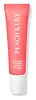 Key Ingredients
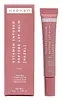
Benefits
Concerns
Ingredients Side-by-side
Polyisobutene
Diisostearyl Malate
EmollientHydrogenated Polyisobutene
EmollientButyrospermum Parkii Butter
Skin Conditioning






Polyglyceryl-2 Triisostearate
Emulsifying
Microcrystalline Wax
Emulsion StabilisingOctyldodecanol
Emollient
Phytosteryl/Isostearyl/Cetyl/Stearyl/Behenyl Dimer Dilinoleate
Skin Conditioning
Tribehenin
Emollient
Synthetic Wax
Abrasive
Squalane
Emollient
Collagen Extract
Skin Conditioning
Polyglutamic Acid
Skin Conditioning

Sodium Hyaluronate
Humectant
Hydrolyzed Sodium Hyaluronate
Skin Conditioning
Hyaluronic Acid
Humectant
Hydrolyzed Hyaluronic Acid
Humectant
Water
Skin ConditioningGlycerin
Humectant
Vitis Vinifera Seed Oil
Emollient
Simmondsia Chinensis Seed Oil
Emollient
Camellia Japonica Seed Oil
Emollient
Ceramide Ns
Skin Conditioning
Ceramide NP
Skin Conditioning
Ceramide AP
Skin Conditioning
Ceramide As
Skin Conditioning
Ceramide EOP
Skin Conditioning
Tremella Fuciformis Polysaccharide
Emulsion Stabilising
Chlorella Ferment
Skin Conditioning
Bisabolol
Antioxidant
Butylene Glycol
Humectant
Prunus Persica Fruit Extract
Abrasive
Palmitoyl Tripeptide-1
Skin Conditioning

Copper Tripeptide-1
Skin Conditioning
Hexapeptide-9
Skin Conditioning
Acetyl Hexapeptide-8
Humectant
Acetyl Tetrapeptide-5
Humectant
Palmitoyl Pentapeptide-4
Skin Conditioning
Dipeptide-2
Skin Conditioning
Nonapeptide-1
Skin Conditioning
Tripeptide-1
Skin Conditioning
Perilla Ocymoides Leaf Extract
TonicSodium Hyaluronate Crosspolymer
Humectant
Ethylhexylglycerin
Skin ConditioningAdansonia Digitata Seed Oil
Emollient
Hippophae Rhamnoides Fruit Oil
Skin Protecting
Calophyllum Inophyllum Seed Oil
Antimicrobial
Stevioside
MaskingHibiscus Rosa-Sinensis Flower Extract
Humectant1,2-Hexanediol
Skin Conditioning
Allantoin
Skin Conditioning
Caprylic/Capric Triglyceride
Masking
Tocopherol
Antioxidant


Disteardimonium Hectorite
StabilisingGlyceryl Caprylate
EmollientPolyglyceryl-10 Oleate
Skin Conditioning
Hydrogenated Lecithin
Emulsifying
Caprylyl Glycol
Emollient
Pentylene Glycol
Skin Conditioning
Polyisobutene, Diisostearyl Malate, Hydrogenated Polyisobutene, Butyrospermum Parkii Butter, Polyglyceryl-2 Triisostearate, Microcrystalline Wax, Octyldodecanol, Phytosteryl/Isostearyl/Cetyl/Stearyl/Behenyl Dimer Dilinoleate, Tribehenin, Synthetic Wax, Squalane, Collagen Extract, Polyglutamic Acid, Sodium Hyaluronate, Hydrolyzed Sodium Hyaluronate, Hyaluronic Acid, Hydrolyzed Hyaluronic Acid, Water, Glycerin, Vitis Vinifera Seed Oil, Simmondsia Chinensis Seed Oil, Camellia Japonica Seed Oil, Ceramide Ns, Ceramide NP, Ceramide AP, Ceramide As, Ceramide EOP, Tremella Fuciformis Polysaccharide, Chlorella Ferment, Bisabolol, Butylene Glycol, Prunus Persica Fruit Extract, Palmitoyl Tripeptide-1, Copper Tripeptide-1, Hexapeptide-9, Acetyl Hexapeptide-8, Acetyl Tetrapeptide-5, Palmitoyl Pentapeptide-4, Dipeptide-2, Nonapeptide-1, Tripeptide-1, Perilla Ocymoides Leaf Extract, Sodium Hyaluronate Crosspolymer, Ethylhexylglycerin, Adansonia Digitata Seed Oil, Hippophae Rhamnoides Fruit Oil, Calophyllum Inophyllum Seed Oil, Stevioside, Hibiscus Rosa-Sinensis Flower Extract, 1,2-Hexanediol, Allantoin, Caprylic/Capric Triglyceride, Tocopherol, Disteardimonium Hectorite, Glyceryl Caprylate, Polyglyceryl-10 Oleate, Hydrogenated Lecithin, Caprylyl Glycol, Pentylene Glycol
Hydrogenated Polyisobutene
EmollientHelianthus Annuus Flower
Skin ConditioningOlive Oil PEG-7 Esters
Emollient
Synthetic Wax
Abrasive
Caprylic/Capric Triglyceride
Masking
Propylene Glycol
Humectant
Paraffin
Skin Conditioning
Squalane
Emollient
Polyurethane-79
Glycol Montanate
EmulsifyingTocotrienols
Skin Conditioning
Linoleic Acid
Cleansing
Tripeptide-1
Skin Conditioning
Hexapeptide-9
Skin Conditioning
Palmitoyl Tripeptide-5
Skin Conditioning
Palmitoyl Pentapeptide-4
Skin Conditioning
Palmitoyl Tetrapeptide-7
Skin Conditioning
Butyrospermum Parkii Butter
Skin Conditioning
Tapioca Starch
Vanillin
Masking
Caprylyl Glycol
Emollient
Sucralose
Skin ConditioningGlycerin
Humectant
Water
Skin ConditioningPolysorbate 20
Emulsifying
CI 77891
Cosmetic ColorantCI 77499
Cosmetic ColorantCI 77492
Cosmetic ColorantCI 45410
Cosmetic ColorantCI 45380
Cosmetic ColorantHydrogenated Polyisobutene, Helianthus Annuus Flower, Olive Oil PEG-7 Esters, Synthetic Wax, Caprylic/Capric Triglyceride, Propylene Glycol, Paraffin, Squalane, Polyurethane-79, Glycol Montanate, Tocotrienols, Linoleic Acid, Tripeptide-1, Hexapeptide-9, Palmitoyl Tripeptide-5, Palmitoyl Pentapeptide-4, Palmitoyl Tetrapeptide-7, Butyrospermum Parkii Butter, Tapioca Starch, Vanillin, Caprylyl Glycol, Sucralose, Glycerin, Water, Polysorbate 20, CI 77891, CI 77499, CI 77492, CI 45410, CI 45380
Reviews
Ingredients Explained
These ingredients are found in both products.
Ingredients higher up in an ingredient list are typically present in a larger amount.
This ingredient is also known as shea butter. It is a plant-derived extract from the nuts of the Africa shea tree and one of the most well-studied emollients.
Because it has a high concentration of fatty acids (primarily oleic, stearic, and linoleic) it is able to form a protective barrier on the skin's surface. This helps seal in moisture and prevents transepidermal water loss (TEWL).
In vitro research found an increase in skin hydration by 58% and a decrease in TEWL by 37.8% after 24 hours of applying this ingredient (pretty impressive for a single ingredient!).
Besides hydration, shea butter also contains triterpenes that have anti-inflammatory potential. In particule, lupeol cinnamate has shown the highest anti-inflammatory activity in vivo.
Shea butter also contains vitamins A and E which may contribute to antioxidant activity.
While Shea Butter has an SPF rating of about 3-4, it is not a sunscreen replacement.
This ingredient may not be fungal acne safe because its fatty acids fall within the C11-C24 range that the Malassezia yeast can metabolize.
Learn more about Butyrospermum Parkii ButterCaprylic/Capric Triglyceride (aka MCT Oil) is a lightweight emollient, solvent, and texture enhancer. It is considered a skin-softener by helping to prevent moisture loss.
Though it behaves like an oil, it is not technically one due to its chemical composition. One perk of this ingredient is that it is very stable, resistant to oxidation, and unlikely to go rancid.
In practice, that translates to a long shelf life and a consistently elegant skin feel.
While there is an assumption Caprylic Triglyceride can clog pores due to it being derived from coconut oil, there is no research supporting this. Just patch test if you have concerns.
Fractionated coconut oil and MCT Oil are both listed as Caprylic/Capric Triglyceride according to INCI. This is because INCI names are based on the ingredient’s final chemical composition and not its marketing name or source.
This ingredient is treated as the gold standard fungal acne safe oil. Even though it is coconut derived, the problematic lauric acid is stripped out.
This leaves just caprylic (C8) and capric (C10) acid. These chain lengths actually trend antifungal; a 2020 study found caprylic acid was enough to disrupt Malassezia furfur cell membrane, with a caprylic acid derivative damaging membrane structures at concentrations as low as 0.2%.
Learn more about Caprylic/Capric TriglycerideCaprylyl Glycol is a humectant, skin conditioner, emollient, and preservative booster derived from either caprylic acid or synthetically created.
Typical use levels vary from 0.3-1% as a preservative booster and go up to 2% to condition skin.
Because it is not a free-fatty acid, this ingredient is fungal acne safe (there's nothing for Malassezia to feed on).
Learn more about Caprylyl GlycolGlycerin (or glycerol) is a compound naturally found in your skin. It's a powerhouse humectant that pulls water into the stratum corneum.
Topically, glycerin does several things at once:
Your skin makes glycerin on its own (mostly from sebaceous oil breakdown) and shuttles it to your outermost layer of skin, or your epidermis, via aquaporin-3.
Aquaporin-3 is a transporter that is essential for normal skin hydration, elasticity, and repair. Interestingly, mice lacking in AQP3 have dry and less elastic skin that can be fully corrected with glycerin.
This ingredient is non-irritating, plays well with almost every ingredient, and works across all skin types. Typical use is anywhere between 3-10% but can go up to 79% in some leave-on products.
Just know very high concentrations (>40%) can feel tacky in low humidity.
Glycerin is the name for this ingredient in American English. British English uses Glycerol/Glycerine.
Learn more about GlycerinHexapeptide-9 is a signaling peptide that is made to mimic a fragment found naturally in collagen IV and XVII.
It is classified as a matrikine peptide and works by telling your skin cells (especially fibroblasts) to ramp up collagen and hyaluronic acid production.
In-vitro studies show it can enhance epidermal regeneration, boost synthesis of collagen types I, III, and IV, and improved markers of skin differentiation.
Think of skin differentiation like this: your skin cells are born at the bottom and slowly travel up to the surface as they "grow up". As they move up, they start producing specific proteins that make your skin do its job well. Two of these proteins are keratin (it makes your skin tough) and filaggrin (it breaks apart into tiny molecules to keep your skin hydrated). So Hexapeptide-9 has shown to help skin cells grow up properly and make stronger, more hydrated skin.
A manufacturer also reports increased collagen production by 117% and hyaluronic acid production by 267%.
Just know much of the published data comes from manufacturer-sponsored studies. There is a recent clinical trial showing promising anti-aging results but the evidence base is still growing.
Generally, this ingredient is well-tolerated and there's no harm in using it as a supportive ingredient in your routine.
Learn more about Hexapeptide-9Hydrogenated Polyisobutene is a synthetic polymer. Polymers are compounds with high molecular weight. Hydrogenated Polyisobutene is an emollient and texture enhancer.
In one study, Hydrogenated Polyisobutene showed better skin hydration levels than Caprylic/Capric Triglyceride. As an emollient, it helps keep your skin soft and hydrated by trapping moisture in.
Hydrogenated Polyisobutene is often used as a mineral oil replacement.
Learn more about Hydrogenated PolyisobuteneYou might know this ingredient as Matrixyl. It is a synthetic peptide made up of five amino acids attached to a palmitic acid, a fatty acid that helps it absorb into skin more easily.
As a signal peptide, Matrixyl acts like a little messenger. Once it reaches your skin cells, it tells them to ramp up production of collagen, elastin, and other proteins that keep skin looking firm and smooth.
A 12 week clinical study found that a moisturizer containing just 3 ppm of Matrixyl led to a significant improvement in fine-lines and wrinkles. Another study showed an 18% reduction in wrinkle depth, 37% reduction in wrinkle thickness, and a 21% improvement in skin firmness after just 28 days of twice-daily use.
The coolest part is that it works at incredibly low concentrations (like 0.0003%) and it plays well with other actives.
The CIR (Cosmetic Ingredient Review) panel found it to be non-sensitizing across multiple tests and human patch tests also showed no irritation or sensitization.
Fun fact: Matrixyl was originally developed by French company Sederma and Procter & Gamble.
Read more about other common types of peptides here:
Learn more about Palmitoyl Pentapeptide-4Squalane is the hydrogenated and shelf-stable form of squalene (a lipid that naturally occurs in human sebum).
It is an emollient and skin conditioning agent that is able to integrate seamlessly into the skin's lipid barrier without clogging pores.
This is due to how structurally similar it is to what your skin already produces.
Though it is mostly an emollient that helps soften and hydrate skin, it also has some humectant and occlusive action. Humectants help the skin retain moisture while occlusives seal it in, making squalane a triple-threat moisturizer.
Research shows it has antioxidant capabilities that help protect against stressors like UV exposure, specifically UVA induced oxidative stress. This study also found that it supports collagen biosynthesis in human dermal fibroblasts.
No clinical study has reported significant adverse effects and irritation reactions are very rare from this ingredient (even at 100% concentration).
Overall, it's a fantastic ingredient for hydration and is suitable for all skin types.
This depends on the source. Squalane can be derived from both plants and animals. Most squalane used in skincare comes from plants.
Please note: the source of squalane is only known if disclosed by the brand. We recommend reaching out to the brand if you have any questions about their squalane.
Read more about squalene with an "e".
Though squalane is often called an oil, it’s technically not one. It is a hydrocarbon, meaning it is only made of carbon and hydrogen. True oils are triglycerides and made of fatty acids and glycerol.
The term “oil-free” isn’t regulated so companies can define it however they want. Some exclude all oils, while others just avoid mineral oil or comedogenic oils.
Squalane has a comedogenic rating of 1 from the original 1972 study that tested raw ingredients under occlusion on rabbit ears. This system is not standardized or peer-reviewed, and using the raw ingredients is very different from how diluted cosmetic formulations are used on human skin.
A comedogenic rating of 1 means it is "unlikely to clog pores" according to the original rating system.
The overall formula of a product matters more than the individual ingredients on whether or not it will cause clogged pores.
Learn more about SqualaneSynthetic Wax is a manufactured hydrocarbon wax. In formulas, it works as an occlusive emollient that helps reduce water loss and improves the spreadability of products.
Research comparing synthetic wax to traditional mineral-derived products found that formulas containing it perform as well for skin hydration.
It is considered non-comedogenic and vegan-friendly.
This ingredient has a well-established safety record by the CIR Expert Panel for Cosmetic Ingredient Safety.
Synthetic Waxes are straight/branched-chain hydrocarbons with no ester bond or fatty acids. That means there is nothing for the Malassezia yeast to feed on.
Learn more about Synthetic WaxTripeptide-1, also known as GHK), is a small, three-amino-acid peptide made up of glycine, histidine, and lysine.
This ingredient is a signal peptide and tell your skin to start producing fresh collagen, elastin, and other key structural proteins. This helps maintain firmness and reduces the look of fine-lines/wrinkles.
GHK is also unique because is also acts as a carrier peptide. It binds to and transports copper ions (forming the complex GHK-Cu). This form has been studied for decades and is known to stimulate wound healing, boost antioxidant defenses, and promote collagen/elastin synthesis.
In-vitro studies show both GHK and GHK-CU increase fibroblast activity that enhances the production of collagen, elastin, fibronectin, and other extracellular matrix components.
Both of these compounds also help balance enzymes that control collagen breakdown.
Human studies (in-vivo) using GHK-Cu creams have reported visible improvements to skin density, elasticity, and wrinkle depth after several weeks of use.
A small clinical study also found topical collagen tripeptide improved wrinkle appearance and skin elasticity in women after four weeks.
While these results are promising, most research is based on GHK-Cu or its derivatives rather than Tripeptide-1 alone (Palmitoyl Tripeptide-1 is a famous derivative of GHK). However, the consensus still supports GHK as a potent skin-signaling molecule that can encourage regeneration and maintain youthful looking skin.
Fun fact: GHK is a naturally occurring fragment of type 1 collagen that can be found in human plasma, saliva, and urine.
Learn more about Tripeptide-1Water. It's the most common cosmetic ingredient of all. You'll usually see it at the top of ingredient lists, meaning that it makes up the largest part of the product.
So why is it so popular? Water most often acts as a solvent - this means that it helps dissolve other ingredients into the formulation.
You'll also recognize water as that liquid we all need to stay alive. If you see this, drink a glass of water. Remember to stay hydrated!
Learn more about Water

