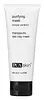
This wash off mask is made with Kaolin for a rinse-off oil-control boost.
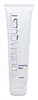
This wash off mask is made with Thioctic Acid and Zinc Sulfate for a rinse-off calming boost.

What's inside
What's inside
 Key Ingredients
Benefits
Concerns
Ingredients Side-by-side
Water
Skin ConditioningPumice
Abrasive

Glycine Soja Oil
Emollient








Glycerin
Humectant

Kaolin
Abrasive


Montmorillonite
AbsorbentCetyl Alcohol
Emollient

Glyceryl Stearate
Emollient
PEG-100 Stearate
Surfactant
Helianthus Annuus Seed Oil
Emollient
Hydroxypropyl Starch Phosphate
Vitis Vinifera Seed Oil
Emollient
Olivoyl Hydrolyzed Wheat Protein
CleansingPhenoxyethanol
Preservative
Decyl Glucoside
Cleansing
Xanthan Gum
EmulsifyingCaprylyl Glycol
Emollient
Citric Acid
Buffering

Ethylhexylglycerin
Skin ConditioningDisodium EDTA
ChelatingHexylene Glycol
EmulsifyingCarrageenan
Citrus Aurantium Dulcis Peel Oil
Masking
Citrus Paradisi Peel Oil
Masking


Eucalyptus Globulus Leaf Oil
Perfuming
Lavandula Angustifolia Oil
Masking
Mentha Viridis Leaf Oil
Astringent
Thymus Zygis Flower Oil
Masking
Melaleuca Alternifolia Leaf Oil
Antioxidant
Tocopheryl Acetate
Antioxidant
Glucose
Humectant
Sodium PCA
Humectant
Water, Pumice, Glycine Soja Oil, Glycerin, Kaolin, Montmorillonite, Cetyl Alcohol, Glyceryl Stearate, PEG-100 Stearate, Helianthus Annuus Seed Oil, Hydroxypropyl Starch Phosphate, Vitis Vinifera Seed Oil, Olivoyl Hydrolyzed Wheat Protein, Phenoxyethanol, Decyl Glucoside, Xanthan Gum, Caprylyl Glycol, Citric Acid, Ethylhexylglycerin, Disodium EDTA, Hexylene Glycol, Carrageenan, Citrus Aurantium Dulcis Peel Oil, Citrus Paradisi Peel Oil, Eucalyptus Globulus Leaf Oil, Lavandula Angustifolia Oil, Mentha Viridis Leaf Oil, Thymus Zygis Flower Oil, Melaleuca Alternifolia Leaf Oil, Tocopheryl Acetate, Glucose, Sodium PCA
Water
Skin ConditioningCaprylic/Capric Triglyceride
Masking
Glycerin
Humectant
Butyl Octanoate
Perfuming
C14-22 Alcohols
Emulsion Stabilising
Dimethicone
Emollient
Cetyl Alcohol
Emollient
Stearic Acid
Cleansing
Glyceryl Stearate
Emollient
PEG-100 Stearate
Surfactant
Thioctic Acid
Antioxidant
PPG-12/Smdi Copolymer
EmollientSodium Hyaluronate
Humectant
Tocopheryl Acetate
Antioxidant
C12-20 Alkyl Glucoside
EmulsifyingUbiquinone
Antioxidant
Ethylhexyl Palmitate
Emollient
Silica Dimethyl Silylate
EmollientButylene Glycol
Humectant
Tetrahexyldecyl Ascorbate
Antioxidant

Tyrosine
MaskingZinc Sulfate
Antimicrobial
Centella Asiatica Extract
Cleansing
Echinacea Purpurea Extract
MoisturisingChamomilla Recutita Flower Extract
Masking
Glycosaminoglycans
EmollientSolanum Lycopersicum Fruit Extract
Antioxidant
Spiraea Ulmaria Flower Extract
Skin ConditioningTaurine
BufferingLeucine
Skin ConditioningValine
MaskingArginine
Masking
Lysine
Skin ConditioningCamellia Sinensis Leaf Extract
Antimicrobial
Imperata Cylindrica Root Extract
Skin ConditioningPolysorbate 20
Emulsifying
Palmitoyl Pentapeptide-4
Skin Conditioning
Acetyl Hexapeptide-8
Humectant
Steareth-20
CleansingPalmitoyl Tetrapeptide-7
Skin Conditioning
Cyclopentasiloxane
Emollient
Citrus Aurantium Dulcis Oil
Masking
Sodium Ascorbyl Phosphate
Antioxidant
Potassium Bitartrate
BufferingPhenoxyethanol
Preservative
Caprylyl Glycol
Emollient
Ethylhexylglycerin
Skin ConditioningHexylene Glycol
EmulsifyingAloe Barbadensis Leaf Juice Powder
Skin Conditioning
Sodium Hydroxide
BufferingXanthan Gum
EmulsifyingMagnesium Aluminum Silicate
Absorbent
Carbomer
Emulsion StabilisingAcrylates/C10-30 Alkyl Acrylate Crosspolymer
Emulsion StabilisingAllantoin
Skin Conditioning
Dipotassium Glycyrrhizate
Humectant
PEG-8
HumectantTocopherol
Antioxidant
Ascorbyl Palmitate
Antioxidant
Ascorbic Acid
Antioxidant
Citric Acid
Buffering
Disodium EDTA
ChelatingPPG-6
Skin ConditioningWater, Caprylic/Capric Triglyceride, Glycerin, Butyl Octanoate, C14-22 Alcohols, Dimethicone, Cetyl Alcohol, Stearic Acid, Glyceryl Stearate, PEG-100 Stearate, Thioctic Acid, PPG-12/Smdi Copolymer, Sodium Hyaluronate, Tocopheryl Acetate, C12-20 Alkyl Glucoside, Ubiquinone, Ethylhexyl Palmitate, Silica Dimethyl Silylate, Butylene Glycol, Tetrahexyldecyl Ascorbate, Tyrosine, Zinc Sulfate, Centella Asiatica Extract, Echinacea Purpurea Extract, Chamomilla Recutita Flower Extract, Glycosaminoglycans, Solanum Lycopersicum Fruit Extract, Spiraea Ulmaria Flower Extract, Taurine, Leucine, Valine, Arginine, Lysine, Camellia Sinensis Leaf Extract, Imperata Cylindrica Root Extract, Polysorbate 20, Palmitoyl Pentapeptide-4, Acetyl Hexapeptide-8, Steareth-20, Palmitoyl Tetrapeptide-7, Cyclopentasiloxane, Citrus Aurantium Dulcis Oil, Sodium Ascorbyl Phosphate, Potassium Bitartrate, Phenoxyethanol, Caprylyl Glycol, Ethylhexylglycerin, Hexylene Glycol, Aloe Barbadensis Leaf Juice Powder, Sodium Hydroxide, Xanthan Gum, Magnesium Aluminum Silicate, Carbomer, Acrylates/C10-30 Alkyl Acrylate Crosspolymer, Allantoin, Dipotassium Glycyrrhizate, PEG-8, Tocopherol, Ascorbyl Palmitate, Ascorbic Acid, Citric Acid, Disodium EDTA, PPG-6
Ingredients Explained
These ingredients are found in both products.
Ingredients higher up in an ingredient list are typically present in a larger amount.
Caprylyl Glycol is a humectant, skin conditioner, emollient, and preservative booster derived from either caprylic acid or synthetically created.
Typical use levels vary from 0.3-1% as a preservative booster and go up to 2% to condition skin.
Because it is not a free-fatty acid, this ingredient is fungal acne safe (there's nothing for Malassezia to feed on).
Learn more about Caprylyl GlycolCetyl Alcohol is a fatty alcohol. Fatty Alcohols are most often used as an emollient or to thicken a product.
Its main roles are:
Though it has "alcohol" in the name, it is not related to denatured alcohol or ethyl alcohol.
The FDA allows products labeled "alcohol-free" to have fatty alcohols.
This ingredient may not be fungal acne safe. It is a primary fatty alcohol with a chain length above 12 carbons. A study from 2019 show Malassezia can feed on fatty alcohols in this range, so it may trigger fungal acne in those prone to it.
Learn more about Cetyl AlcoholCitric Acid is an alpha hydroxy acid (AHA) naturally found in citrus fruits like oranges, lemons, and limes.
Like other AHAs, citric acid can exfoliate skin by breaking down the bonds that hold dead skin cells together. This helps reveal smoother and brighter skin underneath.
However, this exfoliating effect only happens at high concentrations (20%) which can be hard to find in cosmetic products.
Due to this, citric acid is usually included in small amounts as a pH adjuster. This helps keep products slightly more acidic and compatible with skin's natural pH.
In skincare formulas, citric acid can:
While it can provide some skin benefits, research shows lactic acid and glycolic acid are generally more effective and less irritating exfoliants.
Most citric acid used in skincare today is made by fermenting sugars (usually from molasses). This synthetic version is identical to the natural citrus form but easier to stabilize and use in formulations.
Rosacea skin has a lower threshold for acids generally, with 62.5% of rosacea subjects in one study reacting to lactic acid in a sting test. This is why we mark citric acid as a potential rosacea trigger.
However, this ingredient shows up as a pH adjuster or chelator at roughly 0.1-1% in many products. These low levels are unlikely to be an issue for rosacea skin and becomes a potential trigger at exfoliating concentrations (20%). Because everybody's skin is unique, we recommend a patch test if you are unsure.
Learn more about Citric AcidDisodium EDTA is a chelating agent. It grabs onto and deactivates metal ions that sneak into your products from water, packaging, or air.
This ingredient mainly works behind the scenes and helps with:
On top of that, this ingredient can counteract the effects of hard water by binding to the minerals in it.
One thing worth knowing is that Disodium EDTA has been shown to be a mild penetration enhancer. It can help other ingredients absorb into skin more effectively which can be a double-edged sword (great for actives, but can also make the active too strong if you have sensitive skin).
Clinical patch testing showed no significant skin irritation at typical use concentrations and minimal dermal absorption.
You'll most likely see this ingredient near the end of an ingredient list. It's typically found in concentrations less than 1%.
Learn more about Disodium EDTAEthylhexylglycerin is created from glycerin. It is a multitasker ingredient that:
The CIR Expert Panel found minimal skin absorption or sensitization of any kind in a safety assessment. Though this ingredient is considered well-tolerated, a small number of cases of allergic dermatitis have been published since 2002. Just be sure to patch test if you are unsure.
Industry-reported use ranges from 8% in rinse-off products and 2% in leave-on formulations.
Learn more about EthylhexylglycerinGlycerin (or glycerol) is a compound naturally found in your skin. It's a powerhouse humectant that pulls water into the stratum corneum.
Topically, glycerin does several things at once:
Your skin makes glycerin on its own (mostly from sebaceous oil breakdown) and shuttles it to your outermost layer of skin, or your epidermis, via aquaporin-3.
Aquaporin-3 is a transporter that is essential for normal skin hydration, elasticity, and repair. Interestingly, mice lacking in AQP3 have dry and less elastic skin that can be fully corrected with glycerin.
This ingredient is non-irritating, plays well with almost every ingredient, and works across all skin types. Typical use is anywhere between 3-10% but can go up to 79% in some leave-on products.
Just know very high concentrations (>40%) can feel tacky in low humidity.
Glycerin is the name for this ingredient in American English. British English uses Glycerol/Glycerine.
Learn more about GlycerinGlyceryl Stearate is made by reacting glycerin with stearic acid (typically sourced from plant oils like palm or coconut). It's an emulsifier, emollient, and mild occlusive.
Emulsifiers help ingredients like oil and water stay mixed so your formula stays nicely blended and uniform in texture.
This ingredient is typically used in concentrations between 1-10%. Studies have found it to be non-sensitizing, non-phototoxic, and non-photoallergenic.
A close cousin of this ingredient is Glyceryl Stearate SE ("self-emulsifying"). This just has a small amount of sodium or potassium stearate added so it can emulsify without a co-emulsifier.
Since this ingredient is an ester of a C18 fatty acid, it may not be fungal acne safe. The Malassezia yeast can potentially metabolize within the C11-C24 range.
Fun fact: The human body also creates Glyceryl Stearate naturally.
Learn more about Glyceryl StearateHexylene Glycol is a multitasker ingredient that works as a solvent, humectant, emulsifier, viscosity reducer, and preservative booster.
It is able to dissolve both water and oil-soluble ingredients to stabilize tricky actives and make products spread more easily.
As a humectant, it pulls water into the skin. But it's a pretty minor moisturizing ingredient compared to other humectants, like glycerin.
Interestingly, it can act as a mild penetration enhancer. One in vitro study on human skin found a 12% concentration upped the absorption of mometasone furoate (a medicinal ingredient used to treat inflammatory skin conditions) up to 7%.
This ingredient is typically used at levels of 0.1-10% depending on the role it's playing.
A patch test study on eczema patients didn't find a significant increase in irritation versus the control group, but the potential for irritation rises at higher concentrations.
Learn more about Hexylene GlycolPeg-100 Stearate is an emollient and emulsifier. As an emollient, it helps keep skin soft by trapping moisture in. On the other hand, emulsifiers help prevent oil and water from separating in a product.
PEGS are a hydrophilic polyether compound . There are 100 ethylene oxide monomers in Peg-100 Stearate. Peg-100 Stearate is polyethylene glycol ester of stearic acid.
Phenoxyethanol is one of the most widely used preservatives in skincare (and for good reason!).
It has a large spectrum of antimicrobial activity and especially effective bacteria, yeast, and mold while only having a weak effect on your skin's natural microbiome.
On a cellular level, it disrupts the cell membranes of microbes by poking holes that make the cell leak. This shuts down the chemical reactions the microbe needs to make energy so it can no longer survive.
Another perk of this ingredient is that it stays functional across a wide pH range (3-10).
You'll often see it paired with boosters like Ethylhexylglycerin; one study showed that a 1:9 ratio of Ethylhexylglycerin to Phenoxyethanol damages bacterial membranes as effectively as doubling the Phenoxyethanol concentration on its own.
Typical use concentrations range from 0.3-1% depending on the formula, and this ingredient is capped at 1% int the EU.
Safety-wise, the fear mongering does not hold up to the evidence. The EU's Scientific Committee on Consumer Safety and FDA consider it safe as a preservative at up to 1%, including for children of all ages.
Adverse systemic effects only showed up in animal studies at exposures roughly 200x higher than what people get from cosmetics. And despite its very widespread use, this ingredient is a rare sensitizer and allergic reactions are uncommon.
Learn more about PhenoxyethanolTocopheryl Acetate is a stable, shelf-friendly form of vitamin E.
Formulators love it because plain vitamin E oxidizes quickly once it hits air. This acetate version stays stable and resists going off, helping to extend a product's shelf life.
It's actually inactive on its own and works like a slow-release "storage" form; the enzymes in your skin called esterases gradually convert it into active vitamin E over time.
One in vivo study showed 5% of the acetate in the living layer of the epidermis converted to vitamin E after 5 days of application. This study also found the skin gained protection against UV damage even though the conversion was slow and small.
Once converted, vitamin E acts as a skin's main fat-soluble antioxidant that fights free radicals to protect skin from damage.
Topical vitamin E generally boosts the skin's photoprotection, and it reduced UV-damage in animal models.
This ingredient has some brightening potential but it's more of a prevention ingredient than spot-fader. Cell studies show it can slow down melanin production but it's worth noting that it's not the most powerful brightener out there.
Overall, it has a pretty solid safety profile and has been found to be non-irritating and non-comedogenic. Allergic reactions may happen but stay rare due to how widely the ingredient gets used.
The concentration will vary depending on the formula; industry data shows 0.1% in baby lotions, 3% in lipsticks, and 5% in foot powders. You can also find this ingredient at 100% in a pure vitamin E oil.
Most leave-on skincare keeps it at the lower end, often between 0.5-1%.
Learn more about Tocopheryl AcetateWater. It's the most common cosmetic ingredient of all. You'll usually see it at the top of ingredient lists, meaning that it makes up the largest part of the product.
So why is it so popular? Water most often acts as a solvent - this means that it helps dissolve other ingredients into the formulation.
You'll also recognize water as that liquid we all need to stay alive. If you see this, drink a glass of water. Remember to stay hydrated!
Learn more about WaterXanthan gum is used as a stabilizer and thickener within cosmetic products. It helps give products a sticky, thick feeling - preventing them from being too runny.
On the technical side of things, xanthan gum is a polysaccharide - a combination consisting of multiple sugar molecules bonded together.
Xanthan gum is a pretty common and great ingredient. It is a natural, non-toxic, non-irritating ingredient that is also commonly used in food products.
Learn more about Xanthan Gum

