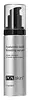
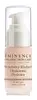
PCA Skin Hyaluronic Acid Boosting Serum Versus Eminence Organics Strawberry Rhubarb Hyaluronic Hydrator
This hydrating serum is formulated around Niacinamide and Sodium Hyaluronate to hydrate skin and strengthen the skin barrier.
This calming moisturizer is formulated around Aloe Barbadensis Leaf Juice and Rheum Palmatum Root Extract to calm redness and hydrate skin.


What's inside
What's inside
 Key Ingredients
Benefits
Concerns
Ingredients Side-by-side
Water
Skin ConditioningPropanediol
Solvent

Glycerin
Humectant
Niacinamide
Smoothing









Dimethicone
Emollient
Hydrolyzed Yeast Extract
Skin ConditioningPolyglyceryl-3 Beeswax
Emulsifying

Coconut Alkanes
Emollient


Phenoxyethanol
Preservative
Isododecane
EmollientJojoba Esters
Emollient
Dimethicone Crosspolymer
Emulsion Stabilising
Polysilicone-11
Sodium Hyaluronate
Humectant
Sodium Benzoate
Masking
Carbomer
Emulsion StabilisingXanthan Gum
EmulsifyingHydrolyzed Hyaluronic Acid
Humectant
Cetyl Alcohol
Emollient
Polyglyceryl-6 Distearate
Emulsifying
Sodium Lauroyl Lactylate
EmulsifyingDisodium Acetyl Glucosamine Phosphate
Skin ConditioningHydrolyzed Glycosaminoglycans
HumectantEthylhexylglycerin
Skin ConditioningSodium Hydroxide
BufferingHexylene Glycol
EmulsifyingPolygonum Bistorta Root Extract
Skin ConditioningCetyl Hydroxyethylcellulose
Emulsion StabilisingRosmarinus Officinalis Leaf Oil
Masking
Aroma


Polyglucuronic Acid
Skin ConditioningCeramide NP
Skin Conditioning
Hyaluronic Acid
Humectant
Sodium Carrageenan
Emulsion StabilisingCeramide AP
Skin Conditioning
Phytosphingosine
Skin Conditioning
Caprylyl Glycol
Emollient
Cholesterol
Emollient
Lecithin
Emollient
Maris Sal
Skin ConditioningCeramide EOP
Skin Conditioning
Water, Propanediol, Glycerin, Niacinamide, Dimethicone, Hydrolyzed Yeast Extract, Polyglyceryl-3 Beeswax, Coconut Alkanes, Phenoxyethanol, Isododecane, Jojoba Esters, Dimethicone Crosspolymer, Polysilicone-11, Sodium Hyaluronate, Sodium Benzoate, Carbomer, Xanthan Gum, Hydrolyzed Hyaluronic Acid, Cetyl Alcohol, Polyglyceryl-6 Distearate, Sodium Lauroyl Lactylate, Disodium Acetyl Glucosamine Phosphate, Hydrolyzed Glycosaminoglycans, Ethylhexylglycerin, Sodium Hydroxide, Hexylene Glycol, Polygonum Bistorta Root Extract, Cetyl Hydroxyethylcellulose, Rosmarinus Officinalis Leaf Oil, Aroma, Polyglucuronic Acid, Ceramide NP, Hyaluronic Acid, Sodium Carrageenan, Ceramide AP, Phytosphingosine, Caprylyl Glycol, Cholesterol, Lecithin, Maris Sal, Ceramide EOP
Aloe Barbadensis Leaf Juice
Skin Conditioning
Helianthus Annuus Seed Oil
Emollient
Rheum Palmatum Root Extract
Astringent
Althaea Officinalis Root Extract
Skin Conditioning
Vitis Vinifera Seed Extract
Antimicrobial
Fragaria Chiloensis Fruit Extract
Skin Conditioning
Oryza Sativa Extract
Absorbent
Vitis Vinifera Seed Oil
Emollient
Glycerin
Humectant
Caprylyl Caprylate/Caprate
Emollient
Caprylic/Capric Triglyceride
Masking
Undecane
EmollientTridecane
Perfuming
Water
Skin ConditioningPanthenol
Skin Conditioning
Aloe Barbadensis Leaf Extract
Emollient
PPG-20 Methyl Glucose Ether
Skin ConditioningSodium Hyaluronate
Humectant
Fragaria Vesca Fruit Extract
AstringentRheum Rhabarbarum Extract
Skin ConditioningXylitylglucoside
Humectant
Anhydroxylitol
Humectant
Xylitol
Humectant
Beta Vulgaris Root Extract
Skin ConditioningCarbomer
Emulsion StabilisingBenzyl Alcohol
Perfuming


Heptyl Glucoside
Surfactant1,2-Hexanediol
Skin Conditioning
Caprylyl Glycol
Emollient
Tropolone
Skin ConditioningVitis Vinifera Juice Extract
Antioxidant
Sucrose
Humectant
Pectin
Emulsion StabilisingCitric Acid
Buffering
Propanediol
Solvent
Sodium Benzoate
Masking
Parfum
Masking
Euterpe Oleracea Fruit Extract
Citrus Limon Juice
Skin Conditioning
Malpighia Glabra Fruit Extract
Skin ConditioningEmblica Officinalis Fruit Extract
Skin ConditioningAdansonia Digitata Fruit Extract
EmollientMyrciaria Dubia Fruit Extract
Skin ConditioningDaucus Carota Sativa Root Extract
Skin Conditioning
Cocos Nucifera Water
Masking
Lycium Barbarum Fruit Extract
Astringent
Maltodextrin
Absorbent
Aloe Barbadensis Leaf Juice, Helianthus Annuus Seed Oil, Rheum Palmatum Root Extract, Althaea Officinalis Root Extract, Vitis Vinifera Seed Extract, Fragaria Chiloensis Fruit Extract, Oryza Sativa Extract, Vitis Vinifera Seed Oil, Glycerin, Caprylyl Caprylate/Caprate, Caprylic/Capric Triglyceride, Undecane, Tridecane, Water, Panthenol, Aloe Barbadensis Leaf Extract, PPG-20 Methyl Glucose Ether, Sodium Hyaluronate, Fragaria Vesca Fruit Extract, Rheum Rhabarbarum Extract, Xylitylglucoside, Anhydroxylitol, Xylitol, Beta Vulgaris Root Extract, Carbomer, Benzyl Alcohol, Heptyl Glucoside, 1,2-Hexanediol, Caprylyl Glycol, Tropolone, Vitis Vinifera Juice Extract, Sucrose, Pectin, Citric Acid, Propanediol, Sodium Benzoate, Parfum, Euterpe Oleracea Fruit Extract, Citrus Limon Juice, Malpighia Glabra Fruit Extract, Emblica Officinalis Fruit Extract, Adansonia Digitata Fruit Extract, Myrciaria Dubia Fruit Extract, Daucus Carota Sativa Root Extract, Cocos Nucifera Water, Lycium Barbarum Fruit Extract, Maltodextrin
Reviews
Ingredients Explained
These ingredients are found in both products.
Ingredients higher up in an ingredient list are typically present in a larger amount.
Caprylyl Glycol is a humectant, skin conditioner, emollient, and preservative booster derived from either caprylic acid or synthetically created.
Typical use levels vary from 0.3-1% as a preservative booster and go up to 2% to condition skin.
Because it is not a free-fatty acid, this ingredient is fungal acne safe (there's nothing for Malassezia to feed on).
Learn more about Caprylyl GlycolCarbomer is a synthetic thickening and gelling agent. It's basically the ingredient that gives a lot of serums, gels, creams, and sunscreens their smooth, non-sticky texture.
Although legally permitted at very high levels, carbomers are normally used at concentrations below 1%.
It also needs to be neutralized to actually thicken, and because it is a large molecule, it doesn't really penetrate the skin barrier.
Allergy-wise, the risk is very low. Clinical studies show carbomers have low potential for skin irritation/sensitization even at concentrations up to 100%.
A 2024 UK study patch-tested 1,302 patients and found true allergy to the parent group of carbomer to be rare with no confirmed relevant reactions.
Learn more about CarbomerGlycerin (or glycerol) is a compound naturally found in your skin. It's a powerhouse humectant that pulls water into the stratum corneum.
Topically, glycerin does several things at once:
Your skin makes glycerin on its own (mostly from sebaceous oil breakdown) and shuttles it to your outermost layer of skin, or your epidermis, via aquaporin-3.
Aquaporin-3 is a transporter that is essential for normal skin hydration, elasticity, and repair. Interestingly, mice lacking in AQP3 have dry and less elastic skin that can be fully corrected with glycerin.
This ingredient is non-irritating, plays well with almost every ingredient, and works across all skin types. Typical use is anywhere between 3-10% but can go up to 79% in some leave-on products.
Just know very high concentrations (>40%) can feel tacky in low humidity.
Glycerin is the name for this ingredient in American English. British English uses Glycerol/Glycerine.
Learn more about GlycerinPropanediol is an all-star ingredient. It softens, hydrates, and smooths the skin.
It’s often used to:
Propanediol is not likely to cause sensitivity and considered safe to use. It is derived from corn or petroleum with a clear color and no scent.
Learn more about PropanediolSodium Benzoate is a preservative. It's used in both cosmetic and food products to inhibit the growth of mold and bacteria. It is typically produced synthetically.
Both the US FDA and EU Health Committee have approved the use of sodium benzoate. In the US, levels of 0.1% (of the total product) are allowed.
Sodium benzoate works as a preservative by inhibiting the growth of bacteria inside of cells. It prevents the cell from fermenting a type of sugar using an enzyme called phosphofructokinase.
It is the salt of benzoic acid. Foods containing sodium benzoate include soda, salad dressings, condiments, fruit juices, wines, and snack foods.
Studies for using ascorbic acid and sodium benzoate in cosmetics are lacking, especially in skincare routines with multiple steps.
We always recommend speaking with a professional, such as a dermatologist, if you have any concerns.
Learn more about Sodium BenzoateSodium Hyaluronate is the salt form of hyaluronic acid. It is a long sugar chain that is naturally found in your skin, joints, and connective tissue that maintains hydration and elasticity.
In skincare, it works as a humectant. It pulls water from the environment and deeper layers of skin and binds it to the surface.
Interestingly, the size of the molecule affects its behavior:
Some clinical evidence links low molecular weight versions to improved wrinkle depth, elasticity, anti-inflammatory effects, and barrier repair.
Many serums use a blend of both weights so you can get surface hydration plus longer-lasting and deeper effects.
You'll typically see concentrations between 0.1-2% for this ingredient.
Learn more about Sodium HyaluronateWater. It's the most common cosmetic ingredient of all. You'll usually see it at the top of ingredient lists, meaning that it makes up the largest part of the product.
So why is it so popular? Water most often acts as a solvent - this means that it helps dissolve other ingredients into the formulation.
You'll also recognize water as that liquid we all need to stay alive. If you see this, drink a glass of water. Remember to stay hydrated!
Learn more about Water

