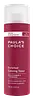
This barrier-repair toner is formulated around Oenothera Biennis Oil and Borago Officinalis Seed Oil to strengthen the skin barrier and calm redness.
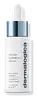
This hydrating serum is formulated around Panthenol and Hyaluronic Acid to hydrate skin and strengthen the skin barrier.

What's inside
What's inside
 Key Ingredients
Benefits
Concerns
Ingredients Side-by-side
Water
Skin ConditioningCyclopentasiloxane
Emollient
Butylene Glycol
Humectant

Glycereth-26
Humectant
Dimethiconol
Emollient
Oenothera Biennis Oil
Emollient






Borago Officinalis Seed Oil
Emollient
Sodium Hyaluronate
Humectant

Tocopheryl Acetate
Antioxidant


Tocopherol
Antioxidant
Ascorbyl Palmitate
Antioxidant

Panthenol
Skin Conditioning
Allantoin
Skin Conditioning
Glycerin
Humectant
Hydrogenated Lecithin
Emulsifying
Caprylic/Capric Triglyceride
Masking
Niacinamide
Smoothing




Superoxide Dismutase
Antioxidant
PEG-40 Hydrogenated Castor Oil
Emulsifying
Myristamidopropyl Pg-Dimonium Chloride Phosphate
Skin ConditioningLaureth-4
Emulsifying
Laureth-23
Cleansing
Disodium EDTA
ChelatingSodium Benzoate
Masking
Chlorphenesin
Antimicrobial
Phenoxyethanol
Preservative
Benzoic Acid
Masking
Sorbic Acid
Preservative
Water, Cyclopentasiloxane, Butylene Glycol, Glycereth-26, Dimethiconol, Oenothera Biennis Oil, Borago Officinalis Seed Oil, Sodium Hyaluronate, Tocopheryl Acetate, Tocopherol, Ascorbyl Palmitate, Panthenol, Allantoin, Glycerin, Hydrogenated Lecithin, Caprylic/Capric Triglyceride, Niacinamide, Superoxide Dismutase, PEG-40 Hydrogenated Castor Oil, Myristamidopropyl Pg-Dimonium Chloride Phosphate, Laureth-4, Laureth-23, Disodium EDTA, Sodium Benzoate, Chlorphenesin, Phenoxyethanol, Benzoic Acid, Sorbic Acid
Water
Skin ConditioningPEG-8
HumectantGlycerin
Humectant
Methylpropanediol
SolventPropanediol
Solvent
PPG-24-Glycereth-24
Emulsifying1,2-Hexanediol
Skin Conditioning
Xylitylglucoside
Humectant
Butylene Glycol
Humectant
Hydroxyethyl Urea
Humectant
Panthenol
Skin Conditioning
Hydroxyacetophenone
Antioxidant
Lactic Acid
Buffering

Hyaluronic Acid
Humectant
Sodium Hyaluronate
Humectant
Dunaliella Salina Extract
Skin ConditioningAvena Sativa Kernel Extract
Abrasive
Citrus Aurantium Bergamia Fruit Oil
Masking

Citrus Paradisi Peel Oil
Masking
Citrus Limon Peel Oil
Masking
Santalum Album Oil
Masking
Laminaria Digitata Extract
Skin Protecting
Jasminum Sambac Flower Extract
Masking
Chondrus Crispus Extract
Skin Conditioning
Gigartina Stellata Extract
Skin Protecting
Macrocystis Pyrifera Extract
Skin Conditioning
Prunus Amygdalus Dulcis Oil
Skin Conditioning
Lithothamnion Calcareum Extract
Skin ConditioningCitrus Aurantium Dulcis Oil
Masking
Cupressus Sempervirens Oil
Masking
Cistus Ladaniferus Leaf/Stem Extract
MaskingJuniperus Virginiana Oil
Masking
Rosmarinus Officinalis Flower/Leaf/Stem Extract
MaskingTagetes Minuta Flower Oil
Masking
Rosa Damascena Flower
Skin ConditioningHydrolyzed Rice Protein
Skin ConditioningPentylene Glycol
Skin Conditioning
Sodium PCA
Humectant
Anhydroxylitol
Humectant
Xylitol
Humectant
Polyglutamic Acid
Skin Conditioning
Lactobacillus Ferment
Skin Conditioning
Lysine Hcl
Skin Conditioning
Betaine
Humectant
Sclerotium Gum
Emulsion StabilisingSodium Lactate
Buffering
PCA
Humectant
Glucose
Humectant
Serine
Masking
Alanine
Masking
Glycine
Buffering
Silanetriol
Pantolactone
Humectant
Glutamic Acid
Humectant
Threonine
Arginine
Masking
Proline
Skin Conditioning
Xanthan Gum
EmulsifyingTetrasodium Glutamate Diacetate
ChelatingPolysorbate 20
Emulsifying
Sorbitan Isostearate
Emulsifying
Citric Acid
Buffering
Sodium Hydroxide
BufferingHydroxyethyl Acrylate/Sodium Acryloyldimethyl Taurate Copolymer
Emulsion StabilisingAmylopectin
Hydroxyethylcellulose
Emulsion StabilisingSodium Benzoate
Masking
Potassium Sorbate
Preservative
Limonene
Perfuming
Linalool
Perfuming
Water, PEG-8, Glycerin, Methylpropanediol, Propanediol, PPG-24-Glycereth-24, 1,2-Hexanediol, Xylitylglucoside, Butylene Glycol, Hydroxyethyl Urea, Panthenol, Hydroxyacetophenone, Lactic Acid, Hyaluronic Acid, Sodium Hyaluronate, Dunaliella Salina Extract, Avena Sativa Kernel Extract, Citrus Aurantium Bergamia Fruit Oil, Citrus Paradisi Peel Oil, Citrus Limon Peel Oil, Santalum Album Oil, Laminaria Digitata Extract, Jasminum Sambac Flower Extract, Chondrus Crispus Extract, Gigartina Stellata Extract, Macrocystis Pyrifera Extract, Prunus Amygdalus Dulcis Oil, Lithothamnion Calcareum Extract, Citrus Aurantium Dulcis Oil, Cupressus Sempervirens Oil, Cistus Ladaniferus Leaf/Stem Extract, Juniperus Virginiana Oil, Rosmarinus Officinalis Flower/Leaf/Stem Extract, Tagetes Minuta Flower Oil, Rosa Damascena Flower, Hydrolyzed Rice Protein, Pentylene Glycol, Sodium PCA, Anhydroxylitol, Xylitol, Polyglutamic Acid, Lactobacillus Ferment, Lysine Hcl, Betaine, Sclerotium Gum, Sodium Lactate, PCA, Glucose, Serine, Alanine, Glycine, Silanetriol, Pantolactone, Glutamic Acid, Threonine, Arginine, Proline, Xanthan Gum, Tetrasodium Glutamate Diacetate, Polysorbate 20, Sorbitan Isostearate, Citric Acid, Sodium Hydroxide, Hydroxyethyl Acrylate/Sodium Acryloyldimethyl Taurate Copolymer, Amylopectin, Hydroxyethylcellulose, Sodium Benzoate, Potassium Sorbate, Limonene, Linalool
Reviews
Ingredients Explained
These ingredients are found in both products.
Ingredients higher up in an ingredient list are typically present in a larger amount.
Butylene Glycol (or BG) is used within cosmetic products for a few different reasons:
Overall, Butylene Glycol is a safe and well-rounded ingredient that works well with other ingredients.
Though this ingredient works well with most skin types, some people with sensitive skin may experience a reaction such as allergic rashes, closed comedones, or itchiness.
Learn more about Butylene GlycolGlycerin (or glycerol) is a compound naturally found in your skin. It's a powerhouse humectant that pulls water into the stratum corneum.
Topically, glycerin does several things at once:
Your skin makes glycerin on its own (mostly from sebaceous oil breakdown) and shuttles it to your outermost layer of skin, or your epidermis, via aquaporin-3.
Aquaporin-3 is a transporter that is essential for normal skin hydration, elasticity, and repair. Interestingly, mice lacking in AQP3 have dry and less elastic skin that can be fully corrected with glycerin.
This ingredient is non-irritating, plays well with almost every ingredient, and works across all skin types. Typical use is anywhere between 3-10% but can go up to 79% in some leave-on products.
Just know very high concentrations (>40%) can feel tacky in low humidity.
Glycerin is the name for this ingredient in American English. British English uses Glycerol/Glycerine.
Learn more about GlycerinPanthenol is a common ingredient that helps hydrate and soothe the skin. It is found naturally in our skin and hair.
There are two forms of panthenol: D and L.
D-panthenol is also known as dexpanthenol. Most cosmetics use dexpanthenol or a mixture of D and L-panthenol.
Panthenol is famous due to its ability to go deeper into the skin's layers. Using this ingredient has numerous pros (and no cons):
Like hyaluronic acid, panthenol is a humectant. Humectants are able to bind and hold large amounts of water to keep skin hydrated.
This ingredient works well for wound healing. It works by increasing tissue in the wound and helps close open wounds.
Once oxidized, panthenol converts to pantothenic acid. Panthothenic acid is found in all living cells.
This ingredient is also referred to as pro-vitamin B5.
Learn more about PanthenolSodium Benzoate is a preservative. It's used in both cosmetic and food products to inhibit the growth of mold and bacteria. It is typically produced synthetically.
Both the US FDA and EU Health Committee have approved the use of sodium benzoate. In the US, levels of 0.1% (of the total product) are allowed.
Sodium benzoate works as a preservative by inhibiting the growth of bacteria inside of cells. It prevents the cell from fermenting a type of sugar using an enzyme called phosphofructokinase.
It is the salt of benzoic acid. Foods containing sodium benzoate include soda, salad dressings, condiments, fruit juices, wines, and snack foods.
Studies for using ascorbic acid and sodium benzoate in cosmetics are lacking, especially in skincare routines with multiple steps.
We always recommend speaking with a professional, such as a dermatologist, if you have any concerns.
Learn more about Sodium BenzoateSodium Hyaluronate is the salt form of hyaluronic acid. It is a long sugar chain that is naturally found in your skin, joints, and connective tissue that maintains hydration and elasticity.
In skincare, it works as a humectant. It pulls water from the environment and deeper layers of skin and binds it to the surface.
Interestingly, the size of the molecule affects its behavior:
Some clinical evidence links low molecular weight versions to improved wrinkle depth, elasticity, anti-inflammatory effects, and barrier repair.
Many serums use a blend of both weights so you can get surface hydration plus longer-lasting and deeper effects.
You'll typically see concentrations between 0.1-2% for this ingredient.
Learn more about Sodium HyaluronateWater. It's the most common cosmetic ingredient of all. You'll usually see it at the top of ingredient lists, meaning that it makes up the largest part of the product.
So why is it so popular? Water most often acts as a solvent - this means that it helps dissolve other ingredients into the formulation.
You'll also recognize water as that liquid we all need to stay alive. If you see this, drink a glass of water. Remember to stay hydrated!
Learn more about Water

