Paula's Choice Probiotic Nutrient Moisturizer Versus Paula's Choice Moisture Boost Daily Restoring Complex SPF 30
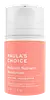
This barrier-repair moisturizer is formulated around Lactobacillus Ferment and Bifida Ferment Lysate to strengthen the skin barrier and hydrate skin.
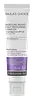
This brightening moisturizer is formulated around Sodium Ascorbyl Phosphate and Retinyl Palmitate to brighten dull-looking skin and hydrate skin.

What's inside
What's inside
 Key Ingredients
Benefits
Concerns
Ingredients Side-by-side
Water
Skin ConditioningIsoamyl Laurate
Emollient

Glycerin
Humectant


Butylene Glycol
Humectant
Sodium Polyacrylate Starch
AbsorbentCetyl Alcohol
Emollient

Lauroyl Lysine
Skin Conditioning
Lactobacillus/Rye Flour Ferment
Skin ConditioningLactobacillus Ferment
Skin Conditioning
Bifida Ferment Lysate
Skin Conditioning
Glucomannan
Skin ConditioningSaccharomyces Lysate
Skin Conditioning
Leuconostoc/Radish Root Ferment Filtrate
Antimicrobial
Glycine Soja Seed Extract
Skin Conditioning
Camellia Sinensis Leaf Extract
Antimicrobial



Tetrahexyldecyl Ascorbate
Antioxidant

Acetyl Hexapeptide-1
Skin Conditioning
Palmitoyl Dipeptide-10
Skin Conditioning
Ceramide Ng
Skin Conditioning
Orbignya Oleifera Seed Oil
Emollient
Palmitoyl Proline
Skin ConditioningGlycine
Buffering
Serine
Masking
Threonine
Alanine
Masking
Valine
MaskingArginine
Masking
Proline
Skin Conditioning
Lysine Hcl
Skin Conditioning
Rubus Idaeus Fruit Extract
AstringentNiacinamide
Smoothing

Adenosine
Skin Conditioning
Lecithin
Emollient
Phytic Acid
Chelating
Yeast Extract
Skin ConditioningFaex
Skin ConditioningTocopherol
Antioxidant
Sodium PCA
Humectant
Sodium Lactate
Buffering
PCA
Humectant
Magnesium Palmitoyl Glutamate
Skin ConditioningSodium Palmitoyl Sarcosinate
CleansingIsopropyl Palmitate
Emollient


Glutamic Acid
Humectant
Betaine
Humectant
Glyceryl Stearate
Emollient
Hydroxyacetophenone
Antioxidant
Sodium Acrylates Copolymer
Ceteth-20
CleansingSteareth-20
CleansingPolysorbate 20
Emulsifying
PEG-75 Stearate
Surfactant
Caprylyl Glycol
Emollient
Propylene Glycol
Humectant
1,2-Hexanediol
Skin Conditioning
Phenoxyethanol
Preservative
Ethylhexylglycerin
Skin ConditioningWater, Isoamyl Laurate, Glycerin, Butylene Glycol, Sodium Polyacrylate Starch, Cetyl Alcohol, Lauroyl Lysine, Lactobacillus/Rye Flour Ferment, Lactobacillus Ferment, Bifida Ferment Lysate, Glucomannan, Saccharomyces Lysate, Leuconostoc/Radish Root Ferment Filtrate, Glycine Soja Seed Extract, Camellia Sinensis Leaf Extract, Tetrahexyldecyl Ascorbate, Acetyl Hexapeptide-1, Palmitoyl Dipeptide-10, Ceramide Ng, Orbignya Oleifera Seed Oil, Palmitoyl Proline, Glycine, Serine, Threonine, Alanine, Valine, Arginine, Proline, Lysine Hcl, Rubus Idaeus Fruit Extract, Niacinamide, Adenosine, Lecithin, Phytic Acid, Yeast Extract, Faex, Tocopherol, Sodium PCA, Sodium Lactate, PCA, Magnesium Palmitoyl Glutamate, Sodium Palmitoyl Sarcosinate, Isopropyl Palmitate, Glutamic Acid, Betaine, Glyceryl Stearate, Hydroxyacetophenone, Sodium Acrylates Copolymer, Ceteth-20, Steareth-20, Polysorbate 20, PEG-75 Stearate, Caprylyl Glycol, Propylene Glycol, 1,2-Hexanediol, Phenoxyethanol, Ethylhexylglycerin
Butyl Methoxydibenzoylmethane
UV Absorber
Homosalate
Skin Conditioning
Ethylhexyl Salicylate
UV Absorber
Octocrylene
UV Absorber
Benzophenone-3
UV Absorber
Water
Skin ConditioningC12-15 Alkyl Benzoate
AntimicrobialButylene Glycol
Humectant
Vp/Eicosene Copolymer
Sodium Cetearyl Sulfate
Cleansing
Cetearyl Alcohol
Emollient
Dimethicone
Emollient
Glyceryl Stearate
Emollient
Methyl Glucose Sesquistearate
Emollient
Sodium Ascorbyl Phosphate
Antioxidant
Retinyl Palmitate
Skin Conditioning
Tocopheryl Acetate
Antioxidant
Tocopherol
Antioxidant
Picea Abies Wood Extract
Aloe Barbadensis Leaf Juice
Skin Conditioning
Titanium Dioxide
Cosmetic Colorant
Bentonite
Absorbent
Acrylates/C10-30 Alkyl Acrylate Crosspolymer
Emulsion StabilisingEthylhexylglycerin
Skin ConditioningSodium Polyacrylate
Absorbent
Disodium EDTA
ChelatingSodium Hydroxide
BufferingPhenoxyethanol
Preservative
Chlorphenesin
Antimicrobial
Butyl Methoxydibenzoylmethane, Homosalate, Ethylhexyl Salicylate, Octocrylene, Benzophenone-3, Water, C12-15 Alkyl Benzoate, Butylene Glycol, Vp/Eicosene Copolymer, Sodium Cetearyl Sulfate, Cetearyl Alcohol, Dimethicone, Glyceryl Stearate, Methyl Glucose Sesquistearate, Sodium Ascorbyl Phosphate, Retinyl Palmitate, Tocopheryl Acetate, Tocopherol, Picea Abies Wood Extract, Aloe Barbadensis Leaf Juice, Titanium Dioxide, Bentonite, Acrylates/C10-30 Alkyl Acrylate Crosspolymer, Ethylhexylglycerin, Sodium Polyacrylate, Disodium EDTA, Sodium Hydroxide, Phenoxyethanol, Chlorphenesin
Reviews
Ingredients Explained
These ingredients are found in both products.
Ingredients higher up in an ingredient list are typically present in a larger amount.
Butylene Glycol (or BG) is used within cosmetic products for a few different reasons:
Overall, Butylene Glycol is a safe and well-rounded ingredient that works well with other ingredients.
Though this ingredient works well with most skin types, some people with sensitive skin may experience a reaction such as allergic rashes, closed comedones, or itchiness.
Learn more about Butylene GlycolEthylhexylglycerin is created from glycerin. It is a multitasker ingredient that:
The CIR Expert Panel found minimal skin absorption or sensitization of any kind in a safety assessment. Though this ingredient is considered well-tolerated, a small number of cases of allergic dermatitis have been published since 2002. Just be sure to patch test if you are unsure.
Industry-reported use ranges from 8% in rinse-off products and 2% in leave-on formulations.
Learn more about EthylhexylglycerinGlyceryl Stearate is made by reacting glycerin with stearic acid (typically sourced from plant oils like palm or coconut). It's an emulsifier, emollient, and mild occlusive.
Emulsifiers help ingredients like oil and water stay mixed so your formula stays nicely blended and uniform in texture.
This ingredient is typically used in concentrations between 1-10%. Studies have found it to be non-sensitizing, non-phototoxic, and non-photoallergenic.
A close cousin of this ingredient is Glyceryl Stearate SE ("self-emulsifying"). This just has a small amount of sodium or potassium stearate added so it can emulsify without a co-emulsifier.
Since this ingredient is an ester of a C18 fatty acid, it may not be fungal acne safe. The Malassezia yeast can potentially metabolize within the C11-C24 range.
Fun fact: The human body also creates Glyceryl Stearate naturally.
Learn more about Glyceryl StearatePhenoxyethanol is one of the most widely used preservatives in skincare (and for good reason!).
It has a large spectrum of antimicrobial activity and especially effective bacteria, yeast, and mold while only having a weak effect on your skin's natural microbiome.
On a cellular level, it disrupts the cell membranes of microbes by poking holes that make the cell leak. This shuts down the chemical reactions the microbe needs to make energy so it can no longer survive.
Another perk of this ingredient is that it stays functional across a wide pH range (3-10).
You'll often see it paired with boosters like Ethylhexylglycerin; one study showed that a 1:9 ratio of Ethylhexylglycerin to Phenoxyethanol damages bacterial membranes as effectively as doubling the Phenoxyethanol concentration on its own.
Typical use concentrations range from 0.3-1% depending on the formula, and this ingredient is capped at 1% int the EU.
Safety-wise, the fear mongering does not hold up to the evidence. The EU's Scientific Committee on Consumer Safety and FDA consider it safe as a preservative at up to 1%, including for children of all ages.
Adverse systemic effects only showed up in animal studies at exposures roughly 200x higher than what people get from cosmetics. And despite its very widespread use, this ingredient is a rare sensitizer and allergic reactions are uncommon.
Learn more about PhenoxyethanolTocopherol is a fat-soluble antioxidant known as Vitamin E.
You'll find this ingredient in the vast majority of skincare (for good reason). It works to neutralize free radicals, or unstable molecules generated by UV exposure, pollution, and other environmental stressors, before they can cause oxidative damage to your skin cells.
Topically applied tocopherol has been shown to protect against UV damage by ramping up the skin's own natural defense enzymes.
It also acts as a skin conditioning agent; some studies show that regular topical use can improve the skin's water-binding capacity over 2-4 weeks.
This ingredient is especially loved for being a team player. When combined with Vitamin C, the photoprotective effect of both ingredients roughly doubles and the combo also helps reduce UV-induced DNA damage.
This ingredient has some brightening potential but it's more of a prevention ingredient than spot-fader. Cell studies show it can slow down melanin production but it's worth noting that it's not the most powerful brightener out there.
In formulations, it also serves as a stabilizer that helps protect other oxidation-prone ingredients from degrading.
Concentrations usually range from 0.1-1% in most leave-on products.
Learn more about TocopherolWater. It's the most common cosmetic ingredient of all. You'll usually see it at the top of ingredient lists, meaning that it makes up the largest part of the product.
So why is it so popular? Water most often acts as a solvent - this means that it helps dissolve other ingredients into the formulation.
You'll also recognize water as that liquid we all need to stay alive. If you see this, drink a glass of water. Remember to stay hydrated!
Learn more about Water


