Papa Recipe Eggplant Clearing Peeling Pad Toner Versus RoC Retinol Correxion Deep Wrinkle Rich Cream
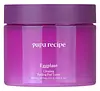
This smoothing exfoliating pad uses a pre-saturated pad with Betaine Salicylate and Gluconolactone to refine skin texture and clear breakouts.
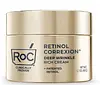
This anti-aging moisturizer is formulated around Retinol and Butyrospermum Parkii Butter to soften the look of wrinkles and hydrate skin.


What's inside
What's inside
 Key Ingredients
Benefits
Concerns
Ingredients Side-by-side
Water
Skin ConditioningMethylpropanediol
SolventDipropylene Glycol
Humectant1,2-Hexanediol
Skin Conditioning
Butylene Glycol
Humectant
Allantoin
Skin Conditioning


Betaine
Humectant
Glycereth-26
Humectant
Solanum Melongena Fruit Extract
Skin ConditioningCitric Acid
Buffering


Betaine Salicylate
Antimicrobial




Gluconolactone
Skin Conditioning


Glycyrrhiza Glabra Root Extract
Bleaching
Camellia Sinensis Leaf Extract
Antimicrobial
Coptis Japonica Root Extract
Skin ConditioningSchisandra Chinensis Fruit Extract
Skin Conditioning
Zingiber Officinale Root Extract
Masking
Glycerin
Humectant
Ethylhexylglycerin
Skin ConditioningAmmonium Acryloyldimethyltaurate/Vp Copolymer
Disodium EDTA
Centella Asiatica Extract
Cleansing
Caprylyl Glycol
Emollient
Sodium Hyaluronate
Humectant
Betula Alba Juice
AstringentMaltodextrin
Absorbent
Melaleuca Alternifolia Leaf Extract
Perfuming
Hydrolyzed Gardenia Florida Extract
Antioxidant
Scutellaria Baicalensis Root Extract
Astringent
Polygonum Cuspidatum Root Extract
Antioxidant
Calendula Officinalis Extract
Skin Conditioning
Chamomilla Recutita Flower Extract
Masking
Rosmarinus Officinalis Leaf Extract
AntimicrobialWater, Methylpropanediol, Dipropylene Glycol, 1,2-Hexanediol, Butylene Glycol, Allantoin, Betaine, Glycereth-26, Solanum Melongena Fruit Extract, Citric Acid, Betaine Salicylate, Gluconolactone, Glycyrrhiza Glabra Root Extract, Camellia Sinensis Leaf Extract, Coptis Japonica Root Extract, Schisandra Chinensis Fruit Extract, Zingiber Officinale Root Extract, Glycerin, Ethylhexylglycerin, Ammonium Acryloyldimethyltaurate/Vp Copolymer, Disodium EDTA, Centella Asiatica Extract, Caprylyl Glycol, Sodium Hyaluronate, Betula Alba Juice, Maltodextrin, Melaleuca Alternifolia Leaf Extract, Hydrolyzed Gardenia Florida Extract, Scutellaria Baicalensis Root Extract, Polygonum Cuspidatum Root Extract, Calendula Officinalis Extract, Chamomilla Recutita Flower Extract, Rosmarinus Officinalis Leaf Extract
Water
Skin ConditioningGlycerin
Humectant
Glyceryl Stearate Se
Emulsifying



Cetearyl Alcohol
Emollient
Butyrospermum Parkii Butter
Skin Conditioning
Cetyl Alcohol
Emollient
Isosorbide Dicaprylate
Skin ConditioningIsopropyl Palmitate
Emollient
Ethyl Linoleate
Emollient
Helianthus Annuus Seed Wax
Skin Conditioning
Dimethicone
Emollient
Retinol
Skin Conditioning
Jojoba Oil/Macadamia Seed Oil Esters
Skin Conditioning
Squalene
Emollient
Phytosteryl Macadamiate
Skin Conditioning
Phytosterols
Skin Conditioning
Sodium Hyaluronate
Humectant
Ceramide AP
Skin Conditioning
Ceramide NP
Skin Conditioning
Ceramide EOP
Skin Conditioning
Hydroxyapatite
Abrasive
Sodium PCA
Humectant
Dihydroxy Methylchromone
Antioxidant
Tocopherol
Antioxidant
Hydrogenated Lecithin
Emulsifying
Fructose
Humectant
Urea
Buffering
Maltose
MaskingTrehalose
Humectant
Sodium Lactate
Buffering
Allantoin
Skin Conditioning
Glucose
Humectant
Pentylene Glycol
Skin Conditioning
Cholesterol
Emollient
Phytosphingosine
Skin Conditioning
Tetraacetylphytosphingosine
Skin ConditioningGlycosphingolipids
EmollientHydrogenated Polydecene
EmollientGlyceryl Stearate
Emollient
Stearic Acid
Cleansing
Phenylpropanol
Masking
Cetearyl Glucoside
Emulsifying
Ethyl Oleate
Emollient
Ethyl Palmitate
Emollient
Ethyl Stearate
Emollient
Ethyl Linolenate
Emollient
Polysorbate 20
Emulsifying
Xanthan Gum
Emulsifying1,2-Hexanediol
Skin Conditioning
Citric Acid
Buffering
Propanediol
Solvent
Sodium Chloride
MaskingPentaerythrityl Tetra-Di-T-Butyl Hydroxyhydrocinnamate
Antioxidant
Sodium Hydroxide
BufferingCaprylyl Glycol
Emollient
Water, Glycerin, Glyceryl Stearate Se, Cetearyl Alcohol, Butyrospermum Parkii Butter, Cetyl Alcohol, Isosorbide Dicaprylate, Isopropyl Palmitate, Ethyl Linoleate, Helianthus Annuus Seed Wax, Dimethicone, Retinol, Jojoba Oil/Macadamia Seed Oil Esters, Squalene, Phytosteryl Macadamiate, Phytosterols, Sodium Hyaluronate, Ceramide AP, Ceramide NP, Ceramide EOP, Hydroxyapatite, Sodium PCA, Dihydroxy Methylchromone, Tocopherol, Hydrogenated Lecithin, Fructose, Urea, Maltose, Trehalose, Sodium Lactate, Allantoin, Glucose, Pentylene Glycol, Cholesterol, Phytosphingosine, Tetraacetylphytosphingosine, Glycosphingolipids, Hydrogenated Polydecene, Glyceryl Stearate, Stearic Acid, Phenylpropanol, Cetearyl Glucoside, Ethyl Oleate, Ethyl Palmitate, Ethyl Stearate, Ethyl Linolenate, Polysorbate 20, Xanthan Gum, 1,2-Hexanediol, Citric Acid, Propanediol, Sodium Chloride, Pentaerythrityl Tetra-Di-T-Butyl Hydroxyhydrocinnamate, Sodium Hydroxide, Caprylyl Glycol
Reviews
Ingredients Explained
These ingredients are found in both products.
Ingredients higher up in an ingredient list are typically present in a larger amount.
1,2-Hexanediol is a synthetic liquid and another multi-functional powerhouse.
It is a:
- Humectant, drawing moisture into the skin
- Emollient, helping to soften skin
- Solvent, dispersing and stabilizing formulas
- Preservative booster, enhancing the antimicrobial activity of other preservatives
Allantoin is a soothing ingredient known for its protective and moisturizing properties; it's basically a quiet workhorse ingredient you can find in a huge range of cosmetics.
Though it can be derived from the comfrey plant, allantoin is produced synthetically for cosmetic products to ensure purity.
Research shows it can encourage your skin cells to turn over and renew by stimulating keratinocyte and fibroblast proliferation.
It also has mild keratolytic properties to help loosen and shed dead skin cells without being harsh.
Studies also suggest allantoin can help calm inflammation by dialing down some of the chemical signals your skin sends out when it is irritated.
This ingredient is typically used in the 0.1-0.5% range, and the FDA recognizes it as a skin protectant in OTC products up to 2%.
Overall, allantoin is a wonderful addition to most routines; it is stable across a wide pH range (~4-8), works well with other ingredients, and is considered non-sensitizing/non-irritating.
Fun fact: Allantoin is naturally occurring in comfrey root, beets, chamomile, and wheat sprouts. Our bodies even produce it as a byproduct of uric acid metabolism.
Learn more about AllantoinCaprylyl Glycol is a humectant, skin conditioner, emollient, and preservative booster derived from either caprylic acid or synthetically created.
Typical use levels vary from 0.3-1% as a preservative booster and go up to 2% to condition skin.
Because it is not a free-fatty acid, this ingredient is fungal acne safe (there's nothing for Malassezia to feed on).
Learn more about Caprylyl GlycolCitric Acid is an alpha hydroxy acid (AHA) naturally found in citrus fruits like oranges, lemons, and limes.
Like other AHAs, citric acid can exfoliate skin by breaking down the bonds that hold dead skin cells together. This helps reveal smoother and brighter skin underneath.
However, this exfoliating effect only happens at high concentrations (20%) which can be hard to find in cosmetic products.
Due to this, citric acid is usually included in small amounts as a pH adjuster. This helps keep products slightly more acidic and compatible with skin's natural pH.
In skincare formulas, citric acid can:
While it can provide some skin benefits, research shows lactic acid and glycolic acid are generally more effective and less irritating exfoliants.
Most citric acid used in skincare today is made by fermenting sugars (usually from molasses). This synthetic version is identical to the natural citrus form but easier to stabilize and use in formulations.
Rosacea skin has a lower threshold for acids generally, with 62.5% of rosacea subjects in one study reacting to lactic acid in a sting test. This is why we mark citric acid as a potential rosacea trigger.
However, this ingredient shows up as a pH adjuster or chelator at roughly 0.1-1% in many products. These low levels are unlikely to be an issue for rosacea skin and becomes a potential trigger at exfoliating concentrations (20%). Because everybody's skin is unique, we recommend a patch test if you are unsure.
Learn more about Citric AcidGlycerin (or glycerol) is a compound naturally found in your skin. It's a powerhouse humectant that pulls water into the stratum corneum.
Topically, glycerin does several things at once:
Your skin makes glycerin on its own (mostly from sebaceous oil breakdown) and shuttles it to your outermost layer of skin, or your epidermis, via aquaporin-3.
Aquaporin-3 is a transporter that is essential for normal skin hydration, elasticity, and repair. Interestingly, mice lacking in AQP3 have dry and less elastic skin that can be fully corrected with glycerin.
This ingredient is non-irritating, plays well with almost every ingredient, and works across all skin types. Typical use is anywhere between 3-10% but can go up to 79% in some leave-on products.
Just know very high concentrations (>40%) can feel tacky in low humidity.
Glycerin is the name for this ingredient in American English. British English uses Glycerol/Glycerine.
Learn more about GlycerinSodium Hyaluronate is the salt form of hyaluronic acid. It is a long sugar chain that is naturally found in your skin, joints, and connective tissue that maintains hydration and elasticity.
In skincare, it works as a humectant. It pulls water from the environment and deeper layers of skin and binds it to the surface.
Interestingly, the size of the molecule affects its behavior:
Some clinical evidence links low molecular weight versions to improved wrinkle depth, elasticity, anti-inflammatory effects, and barrier repair.
Many serums use a blend of both weights so you can get surface hydration plus longer-lasting and deeper effects.
You'll typically see concentrations between 0.1-2% for this ingredient.
Learn more about Sodium HyaluronateWater. It's the most common cosmetic ingredient of all. You'll usually see it at the top of ingredient lists, meaning that it makes up the largest part of the product.
So why is it so popular? Water most often acts as a solvent - this means that it helps dissolve other ingredients into the formulation.
You'll also recognize water as that liquid we all need to stay alive. If you see this, drink a glass of water. Remember to stay hydrated!
Learn more about Water

