Origins Mega-Mushroom Relief & Resilience Fortifying Emulsion Versus Vanicream Daily Facial Moisturizer
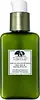
This calming emulsion is formulated around Ganoderma Lucidum Extract and Squalane to calm redness and strengthen the skin barrier.
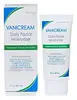
This barrier-repair moisturizer is formulated around Squalane and Hyaluronic Acid to strengthen the skin barrier and hydrate skin.

What's inside
What's inside
 Key Ingredients
Benefits
Concerns
Ingredients Side-by-side
Water
Skin ConditioningSqualane
Emollient


Simmondsia Chinensis Seed Oil
Emollient



Butylene Glycol
Humectant
Glycerin
Humectant
Polyglyceryl-3 Methylglucose Distearate
Emulsifying
Lavandula Angustifolia Oil
Masking



Citrus Nobilis Peel Oil
Masking
Pogostemon Cablin Leaf Oil
Masking
Boswellia Carterii Oil
Masking
Citrus Aurantium Dulcis Oil
Masking
Pelargonium Graveolens Flower Oil
Masking
Linalool
Perfuming
Citronellol
Perfuming
Limonene
Perfuming
Geraniol
Perfuming
Ganoderma Lucidum Extract
Skin Protecting
Algae Extract
Emollient
Lens Esculenta Fruit Extract
Skin ConditioningPyrus Malus Fruit Extract
Skin Conditioning
Fuscoporia Obliqua Sclerotium Extract
Skin ConditioningCordyceps Sinensis Extract
Antioxidant
Zingiber Officinale Root Extract
Masking
Curcuma Longa Root Extract
Antioxidant
Ocimum Sanctum Leaf Extract
Skin ConditioningSilybum Marianum Fruit Extract
Skin Conditioning
Sodium Hyaluronate
Humectant
Helianthus Annuus Seed Oil
Emollient
Lactobacillus Ferment
Skin Conditioning
Tocopheryl Acetate
Antioxidant

Citrullus Lanatus Fruit Extract
Skin Conditioning
Camelina Sativa Seed Oil
Skin Conditioning
Sorbitol
Humectant
Saccharomyces Ferment Filtrate
Humectant
Sodium Stearoyl Glutamate
CleansingHippophae Rhamnoides Extract
MaskingCaffeine
Skin Conditioning
Coco-Caprylate/Caprate
Emollient
Sucrose
Humectant
Polysorbate 20
Emulsifying
Sodium Hydroxide
BufferingSodium Lactate
Buffering
Ergothioneine
Antioxidant
Maltodextrin
Absorbent
Behenyl Alcohol
Emollient
Polyacrylate Crosspolymer-6
Emulsion StabilisingSodium PCA
Humectant
Ammonium Acryloyldimethyltaurate/Vp Copolymer
Hydrogenated Lecithin
Emulsifying
Acrylates/C10-30 Alkyl Acrylate Crosspolymer
Emulsion StabilisingPalmitic Acid
Emollient
Caprylyl Glycol
Emollient
Hexylene Glycol
EmulsifyingT-Butyl Alcohol
Perfuming


Sodium Benzoate
Masking
Phenoxyethanol
Preservative
Potassium Sorbate
Preservative
Essential Oils
Water, Squalane, Simmondsia Chinensis Seed Oil, Butylene Glycol, Glycerin, Polyglyceryl-3 Methylglucose Distearate, Lavandula Angustifolia Oil, Citrus Nobilis Peel Oil, Pogostemon Cablin Leaf Oil, Boswellia Carterii Oil, Citrus Aurantium Dulcis Oil, Pelargonium Graveolens Flower Oil, Linalool, Citronellol, Limonene, Geraniol, Ganoderma Lucidum Extract, Algae Extract, Lens Esculenta Fruit Extract, Pyrus Malus Fruit Extract, Fuscoporia Obliqua Sclerotium Extract, Cordyceps Sinensis Extract, Zingiber Officinale Root Extract, Curcuma Longa Root Extract, Ocimum Sanctum Leaf Extract, Silybum Marianum Fruit Extract, Sodium Hyaluronate, Helianthus Annuus Seed Oil, Lactobacillus Ferment, Tocopheryl Acetate, Citrullus Lanatus Fruit Extract, Camelina Sativa Seed Oil, Sorbitol, Saccharomyces Ferment Filtrate, Sodium Stearoyl Glutamate, Hippophae Rhamnoides Extract, Caffeine, Coco-Caprylate/Caprate, Sucrose, Polysorbate 20, Sodium Hydroxide, Sodium Lactate, Ergothioneine, Maltodextrin, Behenyl Alcohol, Polyacrylate Crosspolymer-6, Sodium PCA, Ammonium Acryloyldimethyltaurate/Vp Copolymer, Hydrogenated Lecithin, Acrylates/C10-30 Alkyl Acrylate Crosspolymer, Palmitic Acid, Caprylyl Glycol, Hexylene Glycol, T-Butyl Alcohol, Sodium Benzoate, Phenoxyethanol, Potassium Sorbate, Essential Oils
Water
Skin ConditioningSqualane
Emollient
Glycerin
Humectant
Pentylene Glycol
Skin Conditioning
Polyglyceryl-2 Stearate
Emulsifying
Glyceryl Stearate
Emollient
Stearyl Alcohol
Emollient
Hyaluronic Acid
Humectant
Ceramide EOP
Skin Conditioning
Ceramide Ng
Skin Conditioning
Ceramide NP
Skin Conditioning
Ceramide As
Skin Conditioning
Ceramide AP
Skin Conditioning
Carnosine
Skin Conditioning
Hydrogenated Lecithin
Emulsifying
Phytosterols
Skin Conditioning
Caprylyl Glycol
Emollient
Polyacrylate Crosspolymer-11
Emulsion Stabilising1,2-Hexanediol
Skin Conditioning
Reviews
Ingredients Explained
These ingredients are found in both products.
Ingredients higher up in an ingredient list are typically present in a larger amount.
Caprylyl Glycol is a humectant, skin conditioner, emollient, and preservative booster derived from either caprylic acid or synthetically created.
Typical use levels vary from 0.3-1% as a preservative booster and go up to 2% to condition skin.
Because it is not a free-fatty acid, this ingredient is fungal acne safe (there's nothing for Malassezia to feed on).
Learn more about Caprylyl GlycolGlycerin (or glycerol) is a compound naturally found in your skin. It's a powerhouse humectant that pulls water into the stratum corneum.
Topically, glycerin does several things at once:
Your skin makes glycerin on its own (mostly from sebaceous oil breakdown) and shuttles it to your outermost layer of skin, or your epidermis, via aquaporin-3.
Aquaporin-3 is a transporter that is essential for normal skin hydration, elasticity, and repair. Interestingly, mice lacking in AQP3 have dry and less elastic skin that can be fully corrected with glycerin.
This ingredient is non-irritating, plays well with almost every ingredient, and works across all skin types. Typical use is anywhere between 3-10% but can go up to 79% in some leave-on products.
Just know very high concentrations (>40%) can feel tacky in low humidity.
Glycerin is the name for this ingredient in American English. British English uses Glycerol/Glycerine.
Learn more about GlycerinHydrogenated Lecithin is a more stable version of lecithin.
It's made by taking lecithin (a phospholipid commonly found in soybeans and egg yolks) and hydrogenating it. This just means the unsaturated fatty acids are turned into saturated ones so they don't go bad as easily.
This ingredient is an emollient, emulsifier, and penetration enhancer. As an emollient, it helps soften and hydrate skin by trapping moisture within. As an emulsifier, it prevents oil and water ingredients from separating.
Hydrogenated Lecithin can form tiny spherical structures made of phospholipid bilayers called liposomes. These liposomes are able to capture compounds inside their structure and deliver them through the skin barrier.
Because phospholipids are a natural component of our cell membranes, this ingredient is inherently compatible with skin.
A 2021 study found lecithin-based surfactants were less harsh and more tolerable comared to Sodium Lauryl Sulfate (SLS).
Learn more about Hydrogenated LecithinSqualane is the hydrogenated and shelf-stable form of squalene (a lipid that naturally occurs in human sebum).
It is an emollient and skin conditioning agent that is able to integrate seamlessly into the skin's lipid barrier without clogging pores.
This is due to how structurally similar it is to what your skin already produces.
Though it is mostly an emollient that helps soften and hydrate skin, it also has some humectant and occlusive action. Humectants help the skin retain moisture while occlusives seal it in, making squalane a triple-threat moisturizer.
Research shows it has antioxidant capabilities that help protect against stressors like UV exposure, specifically UVA induced oxidative stress. This study also found that it supports collagen biosynthesis in human dermal fibroblasts.
No clinical study has reported significant adverse effects and irritation reactions are very rare from this ingredient (even at 100% concentration).
Overall, it's a fantastic ingredient for hydration and is suitable for all skin types.
This depends on the source. Squalane can be derived from both plants and animals. Most squalane used in skincare comes from plants.
Please note: the source of squalane is only known if disclosed by the brand. We recommend reaching out to the brand if you have any questions about their squalane.
Read more about squalene with an "e".
Though squalane is often called an oil, it’s technically not one. It is a hydrocarbon, meaning it is only made of carbon and hydrogen. True oils are triglycerides and made of fatty acids and glycerol.
The term “oil-free” isn’t regulated so companies can define it however they want. Some exclude all oils, while others just avoid mineral oil or comedogenic oils.
Squalane has a comedogenic rating of 1 from the original 1972 study that tested raw ingredients under occlusion on rabbit ears. This system is not standardized or peer-reviewed, and using the raw ingredients is very different from how diluted cosmetic formulations are used on human skin.
A comedogenic rating of 1 means it is "unlikely to clog pores" according to the original rating system.
The overall formula of a product matters more than the individual ingredients on whether or not it will cause clogged pores.
Learn more about SqualaneWater. It's the most common cosmetic ingredient of all. You'll usually see it at the top of ingredient lists, meaning that it makes up the largest part of the product.
So why is it so popular? Water most often acts as a solvent - this means that it helps dissolve other ingredients into the formulation.
You'll also recognize water as that liquid we all need to stay alive. If you see this, drink a glass of water. Remember to stay hydrated!
Learn more about Water

