
What's inside
What's inside
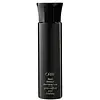 Key Ingredients
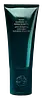
Benefits
Concerns
Ingredients Side-by-side
Trisiloxane
Skin Conditioning
Phenyl Trimethicone
Skin Conditioning
Isododecane
EmollientBis-Hydroxyethoxypropyl Dimethicone
Emollient
Bis-Hydroxy/Methoxy Amodimethicone
Caprylyl Methicone
Skin Conditioning
Parfum
Masking




Polysilicone-15
UV Filter
Ethylhexylglycerin
Skin ConditioningPPG-3 Benzyl Ether Myristate
EmollientSilicone Quaternium-22
Citrullus Lanatus Seed Oil
Emollient


Caprylic/Capric Triglyceride
Masking


PPG-3 Myristyl Ether
EmollientArgania Spinosa Kernel Oil
Emollient

Persea Gratissima Oil
Skin Conditioning
Rosa Canina Fruit Oil
Emollient
Leontopodium Alpinum Flower/Leaf Extract
Skin ConditioningLitchi Chinensis Pericarp Extract
Skin ConditioningOryza Sativa Bran Extract
Skin Conditioning
Helianthus Annuus Extract
Emollient
Tocopherol
Antioxidant




Rosmarinus Officinalis Leaf Extract
AntimicrobialPentaerythrityl Tetra-Di-T-Butyl Hydroxyhydrocinnamate
Antioxidant
Benzyl Benzoate
Antimicrobial
Limonene
Perfuming
Hexyl Cinnamal
Perfuming
Linalool
Perfuming
Citral
Perfuming
Trisiloxane, Phenyl Trimethicone, Isododecane, Bis-Hydroxyethoxypropyl Dimethicone, Bis-Hydroxy/Methoxy Amodimethicone, Caprylyl Methicone, Parfum, Polysilicone-15, Ethylhexylglycerin, PPG-3 Benzyl Ether Myristate, Silicone Quaternium-22, Citrullus Lanatus Seed Oil, Caprylic/Capric Triglyceride, PPG-3 Myristyl Ether, Argania Spinosa Kernel Oil, Persea Gratissima Oil, Rosa Canina Fruit Oil, Leontopodium Alpinum Flower/Leaf Extract, Litchi Chinensis Pericarp Extract, Oryza Sativa Bran Extract, Helianthus Annuus Extract, Tocopherol, Rosmarinus Officinalis Leaf Extract, Pentaerythrityl Tetra-Di-T-Butyl Hydroxyhydrocinnamate, Benzyl Benzoate, Limonene, Hexyl Cinnamal, Linalool, Citral
Water
Skin ConditioningCetearyl Alcohol
Emollient

Behentrimonium Chloride
Preservative
Cetyl Alcohol
Emollient
Amodimethicone
Hydrogenated Ethylhexyl Olivate
EmollientParfum
Masking
Cetyl Esters
Emollient
Isododecane
EmollientPropanediol
Solvent
Phenoxyethanol
Preservative
Stearamine Oxide
CleansingIsopropyl Alcohol
Solvent

Guar Hydroxypropyltrimonium Chloride
Skin ConditioningEthylhexylglycerin
Skin ConditioningPolysorbate 60
Emulsifying
Hydrogenated Olive Oil Unsaponifiables
Emollient
Hydroxyethylcellulose
Emulsion StabilisingButyrospermum Parkii Butter
Skin Conditioning
Panthenol
Skin Conditioning
Tetrasodium EDTA
ChelatingC11-15 Pareth-7
EmulsifyingCaprylyl Glycol
Emollient
Laureth-9
EmulsifyingJojoba Esters
Emollient
Cetrimonium Chloride
Antimicrobial
Trideceth-15
EmulsifyingTrideceth-3
EmulsifyingPentaerythrityl Tetra-Di-T-Butyl Hydroxyhydrocinnamate
Antioxidant
Glycerin
Humectant
BHT
Antioxidant
Trideceth-12
EmulsifyingPolysilicone-15
UV Filter
Shorea Stenoptera Seed Butter
Emollient
Quaternium-95
UV AbsorberAcetic Acid
BufferingCitric Acid
Buffering
Moringa Oleifera Seed Oil
Emollient
Prunus Domestica Seed Oil
Skin Conditioning
Alcohol
Antimicrobial
Octocrylene
UV Absorber
Disodium Phosphate
BufferingButyl Methoxydibenzoylmethane
UV Absorber
Tocopherol
Antioxidant
Sodium Phosphate
BufferingButylene Glycol
Humectant
Cystine Bis-Pg-Propyl Silanetriol
Skin ConditioningHydrolyzed Vegetable Protein Pg-Propyl Silanetriol
Skin ConditioningHydrolyzed Vegetable Protein
Skin ConditioningTocopheryl Acetate
Antioxidant
Leontopodium Alpinum Extract
Skin ConditioningAmber Extract
Skin ConditioningCitrullus Lanatus Fruit Extract
Skin Conditioning
Sodium Hydroxide
BufferingPotassium Sorbate
Preservative
Sodium Benzoate
Masking
Oryza Sativa Seed Protein
Antioxidant
Phytic Acid
Chelating
Oryza Sativa Extract
Absorbent
Citrulline
Skin ConditioningDisodium EDTA
ChelatingGluconolactone
Chelating



Litchi Chinensis Pericarp Extract
Skin ConditioningMoringa Oleifera Seed Extract
Skin Conditioning
Calcium Gluconate
HumectantLimonene
Perfuming
Hexyl Cinnamal
Perfuming
Water, Cetearyl Alcohol, Behentrimonium Chloride, Cetyl Alcohol, Amodimethicone, Hydrogenated Ethylhexyl Olivate, Parfum, Cetyl Esters, Isododecane, Propanediol, Phenoxyethanol, Stearamine Oxide, Isopropyl Alcohol, Guar Hydroxypropyltrimonium Chloride, Ethylhexylglycerin, Polysorbate 60, Hydrogenated Olive Oil Unsaponifiables, Hydroxyethylcellulose, Butyrospermum Parkii Butter, Panthenol, Tetrasodium EDTA, C11-15 Pareth-7, Caprylyl Glycol, Laureth-9, Jojoba Esters, Cetrimonium Chloride, Trideceth-15, Trideceth-3, Pentaerythrityl Tetra-Di-T-Butyl Hydroxyhydrocinnamate, Glycerin, BHT, Trideceth-12, Polysilicone-15, Shorea Stenoptera Seed Butter, Quaternium-95, Acetic Acid, Citric Acid, Moringa Oleifera Seed Oil, Prunus Domestica Seed Oil, Alcohol, Octocrylene, Disodium Phosphate, Butyl Methoxydibenzoylmethane, Tocopherol, Sodium Phosphate, Butylene Glycol, Cystine Bis-Pg-Propyl Silanetriol, Hydrolyzed Vegetable Protein Pg-Propyl Silanetriol, Hydrolyzed Vegetable Protein, Tocopheryl Acetate, Leontopodium Alpinum Extract, Amber Extract, Citrullus Lanatus Fruit Extract, Sodium Hydroxide, Potassium Sorbate, Sodium Benzoate, Oryza Sativa Seed Protein, Phytic Acid, Oryza Sativa Extract, Citrulline, Disodium EDTA, Gluconolactone, Litchi Chinensis Pericarp Extract, Moringa Oleifera Seed Extract, Calcium Gluconate, Limonene, Hexyl Cinnamal
Ingredients Explained
These ingredients are found in both products.
Ingredients higher up in an ingredient list are typically present in a larger amount.
Ethylhexylglycerin is created from glycerin. It is a multitasker ingredient that:
The CIR Expert Panel found minimal skin absorption or sensitization of any kind in a safety assessment. Though this ingredient is considered well-tolerated, a small number of cases of allergic dermatitis have been published since 2002. Just be sure to patch test if you are unsure.
Industry-reported use ranges from 8% in rinse-off products and 2% in leave-on formulations.
Learn more about EthylhexylglycerinHexyl Cinnamal is a fragrance ingredient with a similar scent to jasmine. It can be naturally found in chamomile essential oil.
This ingredient is a known EU allergen and may sensitize the skin. The EU requires this ingredient to be listed separately on an ingredients list.
Hexyl Cinnamal is not water soluble but is soluble in oils.
Learn more about Hexyl CinnamalIsododecane is a fragrance, emollient, and solvent.
As an emollient, it helps your skin stay soft and hydrated. Emollients help trap moisture into your skin.
Isododecane's role as a solvent makes it a great texture enhancer. It spreads smoothly on skin and does not leave a sticky feeling behind. Isododecane also helps prevent color transfer in makeup products.
Isododecane is not absorbed into skin.
The chemical name for this ingredient is 2,2,4,6,6-PENTAMETHYLHEPTANE.
Learn more about IsododecaneLimonene is the compound that gives citrus peel its smell.
In skincare, it shows up as a standalone fragrance ingredient or as a natural compound of citrus and other essential oils.
You'll typically see this ingredient used in very small amounts; anything above 0.001% in a leave-on product or 0.01% in a rinse-off has to be named on the label in the EU. The citrus oils that carry it sit around 0.5-1% in a finished formula.
Fresh limonene is a weak allergen; the real issue is that it slowly reacts with air and then breaks down from oxidation to create hydroperoxides (which are strong sensitizers). This is why suppliers are required to keep the peroxide value below 20 mmol.
Positive reactions in people being investigated for eczema vary:
It's worth skipping if you have a known fragrance allergy or a compromised barrier, but the risk is low for most people.
Older or long-opened products are also more likely to bother you than fresh ones due to oxidation.
Learn more about LimoneneWe don't have a description for Litchi Chinensis Pericarp Extract yet.
Parfum is a catch-all term for an ingredient or more that is used to give a scent to products.
Also called "fragrance", this ingredient can be a blend of hundreds of chemicals or plant oils. This means every product with "fragrance" or "parfum" in the ingredients list is a different mixture.
For instance, Habanolide is a proprietary trade name for a specific aroma chemical. When used as a fragrance ingredient in cosmetics, most aroma chemicals fall under the broad labeling category of “FRAGRANCE” or “PARFUM” according to EU and US regulations.
The term 'parfum' or 'fragrance' is not regulated in many countries. In many cases, it is up to the brand to define this term.
For instance, many brands choose to label themselves as "fragrance-free" because they are not using synthetic fragrances. However, their products may still contain ingredients such as essential oils that are considered a fragrance by INCI standards.
One example is Calendula flower extract. Calendula is an essential oil that still imparts a scent or 'fragrance'.
Depending on the blend, the ingredients in the mixture can cause allergies and sensitivities on the skin. Some ingredients that are known EU allergens include linalool and citronellol.
Parfum can also be used to mask or cover an unpleasant scent.
The bottom line is: not all fragrances/parfum/ingredients are created equally. If you are worried about fragrances, we recommend taking a closer look at an ingredient. And of course, we always recommend speaking with a professional.
Learn more about ParfumPentaerythrityl Tetra-Di-T-Butyl Hydroxyhydrocinnamate (long name, huh?) is a synthetic antioxidant.
It is used to help stabilize other antioxidants or prevent the color from changing in a product.
As an antioxidant, it helps fight free-radical molecules. Free-radical molecules are capable of damaging our cells and other genetic material. Thus, antioxidants may reduce the signs of aging.
This ingredient is oil-soluble.
Learn more about Pentaerythrityl Tetra-Di-T-Butyl HydroxyhydrocinnamatePolysilicone-15 (trade name: Parsol SLX) is a silicone-based UVB filter that soaks up UVB light (~280-320nm) with a peak around 310nm.
It's a fairly modest sunscreen filter so formulators mostly use it as an SPF booster and "light stabilizer". This just means it helps keep other light-sensitive ingredients from breaking down in sunlight.
A 2007 study measured the in-vitro SPF of 18 filters and found Polysilicone-15 contributed an SPF of about 3.64 at its maximum legal concentration (though worth noting its maker points out that in-vitro tests tend to underestimate its real performance because of its large polymeric structure).
Usage levels vary; it's approved up to 10% as a UV filter in the EU, China, Japan, Australia, ASEAN, and Mercosur countries. In the US, it's only permitted up to 1% as a light stabilizer because the FDA hasn't reviewed it as a sunscreen active.
Typical use levels range from 1-3%.
The EU's scientific committee concluded that this ingredient is safe for use as a UV absorber up to 10%, and tests came back negative for irritation, phototoxicity, and photoallergy.
There is one case of allergic lip inflammation from a lip balm with this ingredient, though this is rare.
Learn more about Polysilicone-15Tocopherol is a fat-soluble antioxidant known as Vitamin E.
You'll find this ingredient in the vast majority of skincare (for good reason). It works to neutralize free radicals, or unstable molecules generated by UV exposure, pollution, and other environmental stressors, before they can cause oxidative damage to your skin cells.
Topically applied tocopherol has been shown to protect against UV damage by ramping up the skin's own natural defense enzymes.
It also acts as a skin conditioning agent; some studies show that regular topical use can improve the skin's water-binding capacity over 2-4 weeks.
This ingredient is especially loved for being a team player. When combined with Vitamin C, the photoprotective effect of both ingredients roughly doubles and the combo also helps reduce UV-induced DNA damage.
This ingredient has some brightening potential but it's more of a prevention ingredient than spot-fader. Cell studies show it can slow down melanin production but it's worth noting that it's not the most powerful brightener out there.
In formulations, it also serves as a stabilizer that helps protect other oxidation-prone ingredients from degrading.
Concentrations usually range from 0.1-1% in most leave-on products.
Learn more about Tocopherol

