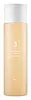
This brightening toner is formulated around Niacinamide and Lactobacillus Ferment to brighten dull-looking skin and strengthen the skin barrier.
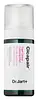
This calming toner is formulated around Niacinamide and Houttuynia Cordata Extract to calm redness and strengthen the skin barrier.

What's inside
What's inside
 Key Ingredients
Benefits
Concerns
Ingredients Side-by-side
Water
Skin ConditioningDipropylene Glycol
HumectantGlycereth-26
Humectant
1,2-Hexanediol
Skin Conditioning
Niacinamide
Smoothing











Butylene Glycol
Humectant
Glycerin
Humectant
Methyl Gluceth-20
Humectant
Spiraea Ulmaria Extract
AstringentLactococcus/Bean Seed Extract Ferment Filtrate
AntimicrobialLactobacillus/Rice Ferment
Skin Conditioning

Chlorella Ferment
Skin Conditioning
Lactobacillus/Algae Extract Ferment
Skin ProtectingSaccharomyces/Grape Ferment Extract
Skin Conditioning
Lactobacillus/Pumpkin Ferment Extract
Skin ConditioningLactobacillus/Soybean Ferment Extract
Skin ConditioningLactobacillus/Soybean Extract Ferment Filtrate
Skin ConditioningSaccharomyces/Rice Ferment Filtrate
Skin Conditioning
Saccharomyces/Barley Seed Ferment Filtrate
HumectantSaccharomyces/Calcium Ferment
Skin Conditioning
Saccharomyces/Laminaria Saccharina Ferment
Skin Conditioning
Saccharomyces/Potato Extract Ferment Filtrate
Humectant
Lactobacillus/Eriodictyon Californicum Ferment Extract
Skin ConditioningLactobacillus/Water Hyacinth Ferment
Skin ProtectingLactobacillus/Rye Flour Ferment
Skin ConditioningLactobacillus/Hibiscus Sabdariffa Flower Ferment Filtrate
Skin ConditioningLactobacillus/Milk Ferment Filtrate
Skin ConditioningLactobacillus
Skin ConditioningLactobacillus/Acerola Cherry Ferment
Skin ProtectingLactobacillus Ferment
Skin Conditioning
Lactobacillus Ferment Lysate Filtrate
Skin ConditioningLactococcus/Milk Ferment Lysate
Lactococcus Ferment
Skin ConditioningLactococcus Ferment Extract
Skin ConditioningLactococcus Ferment Lysate
Skin Conditioning
Streptococcus Thermophilus Ferment
Humectant
Aureobasidium Pullulans Ferment Filtrate
HumectantBifida Ferment Filtrate
Skin Conditioning
Leuconostoc/Radish Root Ferment Filtrate
Antimicrobial
Lactobacillus/Wasabia Japonica Root Ferment Extract
Antioxidant
Lactobacillus/Punica Granatum Fruit Ferment Extract
Antioxidant
Bacillus/Glutamic Acid Ferment Filtrate
Skin ConditioningBacillus/Rice Bran Extract/Soybean Extract Ferment Filtrate
Antioxidant
Monascus/Rice Ferment
Antioxidant
Saccharomyces/Rice Bran Ferment Filtrate Extract
Skin Conditioning
Saccharomyces/Rice Bran Ferment
Humectant
Lactobacillus/Pear Juice Ferment Filtrate
Skin ConditioningPichia Ferment Lysate Filtrate
HumectantAlteromonas Ferment Extract
Skin Conditioning
Saccharomyces/Coix Lacryma-Jobi Ma-Yuen Seed Ferment Filtrate
Skin Conditioning
Saccharomyces/Soy Protein Ferment
Skin Conditioning
Sphingomonas Ferment Extract
Skin Conditioning
Saccharomyces/Malachite Ferment
Skin Conditioning
Saccharomyces Ferment
Skin Conditioning
Saccharomyces Ferment Filtrate
Humectant
Aspergillus Ferment
Skin ConditioningAspergillus/Glucose/Soybean/Starch Ferment Filtrate
Pelargonium Graveolens Flower Oil
Masking




Sodium Hyaluronate
Humectant
Polyglyceryl-10 Laurate
Skin Conditioning
Cetearyl Alcohol
Emollient




Betaine
Humectant
Acrylates/C10-30 Alkyl Acrylate Crosspolymer
Emulsion StabilisingTromethamine
BufferingPolyquaternium-51
Skin Conditioning
Hydroxyethylcellulose
Emulsion StabilisingAdenosine
Skin Conditioning
Geraniol
Perfuming
Citronellol
Perfuming
Water, Dipropylene Glycol, Glycereth-26, 1,2-Hexanediol, Niacinamide, Butylene Glycol, Glycerin, Methyl Gluceth-20, Spiraea Ulmaria Extract, Lactococcus/Bean Seed Extract Ferment Filtrate, Lactobacillus/Rice Ferment, Chlorella Ferment, Lactobacillus/Algae Extract Ferment, Saccharomyces/Grape Ferment Extract, Lactobacillus/Pumpkin Ferment Extract, Lactobacillus/Soybean Ferment Extract, Lactobacillus/Soybean Extract Ferment Filtrate, Saccharomyces/Rice Ferment Filtrate, Saccharomyces/Barley Seed Ferment Filtrate, Saccharomyces/Calcium Ferment, Saccharomyces/Laminaria Saccharina Ferment, Saccharomyces/Potato Extract Ferment Filtrate, Lactobacillus/Eriodictyon Californicum Ferment Extract, Lactobacillus/Water Hyacinth Ferment, Lactobacillus/Rye Flour Ferment, Lactobacillus/Hibiscus Sabdariffa Flower Ferment Filtrate, Lactobacillus/Milk Ferment Filtrate, Lactobacillus, Lactobacillus/Acerola Cherry Ferment, Lactobacillus Ferment, Lactobacillus Ferment Lysate Filtrate, Lactococcus/Milk Ferment Lysate, Lactococcus Ferment, Lactococcus Ferment Extract, Lactococcus Ferment Lysate, Streptococcus Thermophilus Ferment, Aureobasidium Pullulans Ferment Filtrate, Bifida Ferment Filtrate, Leuconostoc/Radish Root Ferment Filtrate, Lactobacillus/Wasabia Japonica Root Ferment Extract, Lactobacillus/Punica Granatum Fruit Ferment Extract, Bacillus/Glutamic Acid Ferment Filtrate, Bacillus/Rice Bran Extract/Soybean Extract Ferment Filtrate, Monascus/Rice Ferment, Saccharomyces/Rice Bran Ferment Filtrate Extract, Saccharomyces/Rice Bran Ferment, Lactobacillus/Pear Juice Ferment Filtrate, Pichia Ferment Lysate Filtrate, Alteromonas Ferment Extract, Saccharomyces/Coix Lacryma-Jobi Ma-Yuen Seed Ferment Filtrate, Saccharomyces/Soy Protein Ferment, Sphingomonas Ferment Extract, Saccharomyces/Malachite Ferment, Saccharomyces Ferment, Saccharomyces Ferment Filtrate, Aspergillus Ferment, Aspergillus/Glucose/Soybean/Starch Ferment Filtrate, Pelargonium Graveolens Flower Oil, Sodium Hyaluronate, Polyglyceryl-10 Laurate, Cetearyl Alcohol, Betaine, Acrylates/C10-30 Alkyl Acrylate Crosspolymer, Tromethamine, Polyquaternium-51, Hydroxyethylcellulose, Adenosine, Geraniol, Citronellol
Water
Skin ConditioningDipropylene Glycol
HumectantButylene Glycol
Humectant
Eryngium Maritimum Callus Culture Filtrate
Skin ConditioningNiacinamide
Smoothing
Pentylene Glycol
Skin Conditioning
Houttuynia Cordata Extract
Skin Conditioning
Ilex Aquifolium Leaf Extract
Skin ConditioningAchillea Millefolium Oil
Cleansing
1,2-Hexanediol
Skin Conditioning
Erythritol
Humectant
Chondrus Crispus Extract
Skin Conditioning
C12-14 Pareth-12
EmulsifyingSaccharum Officinarum Extract
MoisturisingStreptococcus Thermophilus Ferment
Humectant
Panthenol
Skin Conditioning
Caprylyl Glycol
Emollient
Ethylhexylglycerin
Skin ConditioningLavandula Angustifolia Oil
Masking
Adenosine
Skin Conditioning
Glycerin
Humectant
DNA
Skin ConditioningDiphenyl Dimethicone
Emollient
Citrus Aurantium Bergamia Fruit Oil
Masking
Carbomer
Emulsion StabilisingTriethylhexanoin
MaskingTromethamine
BufferingDisodium EDTA
Melia Azadirachta Leaf Extract
Skin ConditioningHydrogenated Lecithin
Emulsifying
Hedera Helix Extract
AntimicrobialMelia Azadirachta Flower Extract
Skin ConditioningMadecassoside
Antioxidant
Asiatic Acid
Skin Conditioning
Asiaticoside
Antioxidant
Madecassic Acid
Skin Conditioning
Calcium Chloride
AstringentCentella Asiatica Extract
Cleansing
Magnesium Sulfate
Water, Dipropylene Glycol, Butylene Glycol, Eryngium Maritimum Callus Culture Filtrate, Niacinamide, Pentylene Glycol, Houttuynia Cordata Extract, Ilex Aquifolium Leaf Extract, Achillea Millefolium Oil, 1,2-Hexanediol, Erythritol, Chondrus Crispus Extract, C12-14 Pareth-12, Saccharum Officinarum Extract, Streptococcus Thermophilus Ferment, Panthenol, Caprylyl Glycol, Ethylhexylglycerin, Lavandula Angustifolia Oil, Adenosine, Glycerin, DNA, Diphenyl Dimethicone, Citrus Aurantium Bergamia Fruit Oil, Carbomer, Triethylhexanoin, Tromethamine, Disodium EDTA, Melia Azadirachta Leaf Extract, Hydrogenated Lecithin, Hedera Helix Extract, Melia Azadirachta Flower Extract, Madecassoside, Asiatic Acid, Asiaticoside, Madecassic Acid, Calcium Chloride, Centella Asiatica Extract, Magnesium Sulfate
Reviews
Ingredients Explained
These ingredients are found in both products.
Ingredients higher up in an ingredient list are typically present in a larger amount.
1,2-Hexanediol is a synthetic liquid and another multi-functional powerhouse.
It is a:
- Humectant, drawing moisture into the skin
- Emollient, helping to soften skin
- Solvent, dispersing and stabilizing formulas
- Preservative booster, enhancing the antimicrobial activity of other preservatives
Adenosine is a purine nucleoside that your body already makes in every cell. In skincare, it acts mainly as a skin conditioning and anti-aging agent.
The way it works is fairly well mapped out:
Your skin has cells called fibroblasts that build collagen (the stuff that keeps skin firm and smooth). Adenosine basically flips a switch on these cells that tells them to get to work making more collagen and other proteins. These cells slow down on their own as skin ages, so Adenosine helps give them a little nudge to keep going.
The clinical backing is pretty solid too.
A blind, randomized, placebo-controlled trial of 126 women aged 45-65 tested a 0.1% cream twice daily and found real improvements in crow's feet and frown lines using a precise 3D skin-mapping technique; these changes showed up by week 3 and held at 2 months.
A later study using Adenosine-loaded dissolving microneedle patches reported gains in wrinkle depth, dermal density, elasticity, and hydration.
On concentrations, South Korea's Ministry of Food and Drug Safety has set 0.04% as the approved functional anti-wrinkle level. You'll typically see this ingredient used somewhere in the 0.04-0.1% range since it works at low doses.
This ingredient has been found safe for cosmetics with the data showing no irritation or sensitization.
Overall, this is a great ingredient for any anti-aging routine and has no photosensitizing effect, so it suits both AM and PM use.
Learn more about AdenosineButylene Glycol (or BG) is used within cosmetic products for a few different reasons:
Overall, Butylene Glycol is a safe and well-rounded ingredient that works well with other ingredients.
Though this ingredient works well with most skin types, some people with sensitive skin may experience a reaction such as allergic rashes, closed comedones, or itchiness.
Learn more about Butylene GlycolDipropylene Glycol is a synthetically created humectant, stabilizer, and solvent.
This ingredient helps:
Dipropylene glycol is technically an alcohol, but it belongs to the glycol family (often considered part of the ‘good’ alcohols). This means it is hydrating and gentle on skin unlike drying solvent alcohols like denatured alcohol.
As a masking agent, Dipropylene Glycol can be used to cover the smell of other ingredients. However, it does not have a scent.
Studies show Dipropylene Glycol is considered safe to use in skincare.
Learn more about Dipropylene GlycolGlycerin (or glycerol) is a compound naturally found in your skin. It's a powerhouse humectant that pulls water into the stratum corneum.
Topically, glycerin does several things at once:
Your skin makes glycerin on its own (mostly from sebaceous oil breakdown) and shuttles it to your outermost layer of skin, or your epidermis, via aquaporin-3.
Aquaporin-3 is a transporter that is essential for normal skin hydration, elasticity, and repair. Interestingly, mice lacking in AQP3 have dry and less elastic skin that can be fully corrected with glycerin.
This ingredient is non-irritating, plays well with almost every ingredient, and works across all skin types. Typical use is anywhere between 3-10% but can go up to 79% in some leave-on products.
Just know very high concentrations (>40%) can feel tacky in low humidity.
Glycerin is the name for this ingredient in American English. British English uses Glycerol/Glycerine.
Learn more about GlycerinNiacinamide is a multitasking form of vitamin B3 that strengthens the skin barrier, reduces pores and dark spots, regulates oil, and improves signs of aging.
And the best part? It's gentle and well-tolerated by most skin types, including sensitive and reactive skin.
You might have heard of "niacin flush", or the reddening of skin that causes itchiness. Niacinamide has not been found to cause this.
In very rare cases, some individuals may not be able to tolerate niacinamide at all or experience an allergic reaction to it.
If you are experiencing flaking, irritation, and dryness with this ingredient, be sure to double check all your products as this ingredient can be found in all categories of skincare.
When incorporating niacinamide into your routine, look out for concentration amounts. Typically, 5% niacinamide provides benefits such as fading dark spots. However, if you have sensitive skin, it is better to begin with a smaller concentration.
When you apply niacinamide to your skin, your body converts it into nicotinamide adenine dinucleotide (NAD). NAD is an essential coenzyme that is already found in your cells as "fuel" and powers countless biological processes.
In your skin, NAD helps repair cell damage, produce new healthy cells, support collagen production, strengthen the skin barrier, and fight environmental stressors (like UV and pollution).
Our natural NAD levels start to decline with age, leading to slower skin repair, visible aging, and a weaker skin barrier. By providing your skin niacinamide, you're recharging your skin's NAD levels. This leads to stronger, healthier, and younger looking skin.
Another name for vitamin B3 is nicotinamide. This vitamin is water-soluble and our bodies don't store it. We obtain Vitamin B3 from either food or skincare. Meat, fish, wheat, yeast, and leafy greens contain vitamin B3.
The type of niacinamide used in skincare is synthetically created.
Learn more about NiacinamideStreptococcus Thermophilus Ferment is created by fermenting Streptococcus thermophilus, the same lactic acid bacteria used to make yogurt. It has humectant and skin conditioning properties.
A study from 2003 found that applying a cream containing this ingredient to human skin significantly increased ceramide levels in the stratum corneum in just 7 days. This result applied to both healthy volunteers and those with atopic dermatitis.
Ceramides are the lipids that hold your skin barrier together so they play a role in moisture retention and contribute to a stronger barrier.
The cream also improved scaling and itchiness for the group with atopic dermatitis.
How does Streptococcus Thermophilus Ferment work? Your skin naturally contains a fatty substance called sphingomyelin. S. thermophilus comes packed with enzymes that snip the sphingomyelin apart and turn it into ceramides.
So it's not adding ceramides from the outside but helping your skin make more of its own.
On top of that, a 2022 lab study found that S. thermophilus extract could calm down the overactive scarring process in skin cells. It tells cells to chill out instead of producing excess scar tissue. There's also some early stage research that hints at possible wound healing perks as well.
Last but not least, the type of ceramides that S. thermophilus creates (phytosphingosine), also happens to fight the bacteria that causes breakouts.
This ingredient may not be fungal acne safe, but not everyone will react to it.
This is because your skin contains ceramidases that break ceramides down into their components (free sphingosines and fatty acids) which can theoretically be used by Malassezia.
If this ferment can drive ceramide synthesis via sphingomyelin hydrolysis, it could generate the substrate that ceramidases could convert to Malassezia-available fatty acids.
Learn more about Streptococcus Thermophilus FermentTromethamine (aka THAM) is a synthetic amino acid that shows up in skincare as a helper ingredient.
It functions as a pH adjuster to help neutralize acidic ingredients and set a formula's pH to the right spot.
This matters a lot because a lot of actives (like vitamin C) needs a specific pH to work well and feel comfortable on skin.
Concentration use ranges from 0.1-1.0% depending on the formula.
Learn more about TromethamineWater. It's the most common cosmetic ingredient of all. You'll usually see it at the top of ingredient lists, meaning that it makes up the largest part of the product.
So why is it so popular? Water most often acts as a solvent - this means that it helps dissolve other ingredients into the formulation.
You'll also recognize water as that liquid we all need to stay alive. If you see this, drink a glass of water. Remember to stay hydrated!
Learn more about Water

